Modern Hanfu Fusion: Styling Traditional Silhouettes for Streetwear
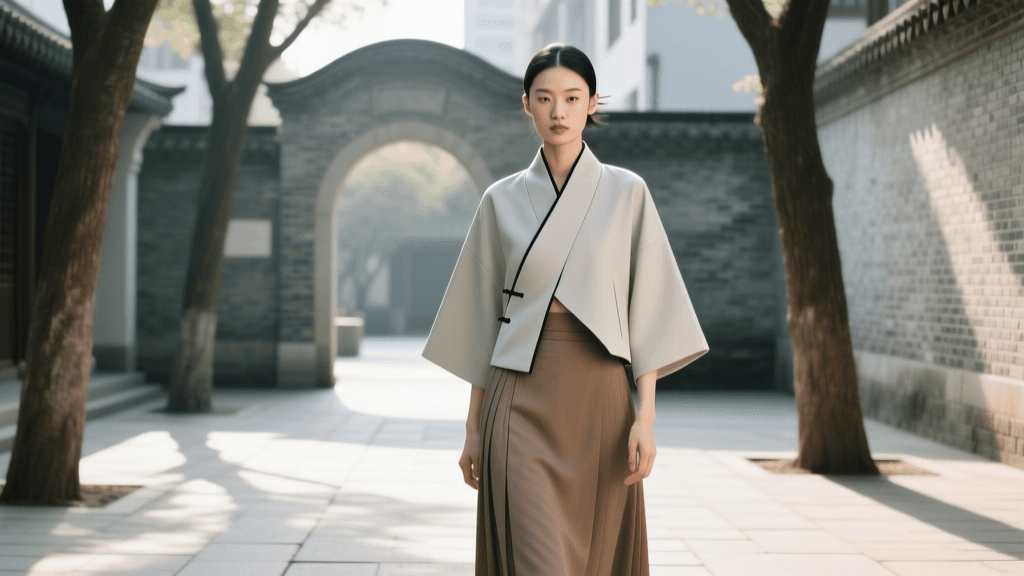
The Rise of Gailiang Hanfu: Bridging Antiquity and Urban Streetwear
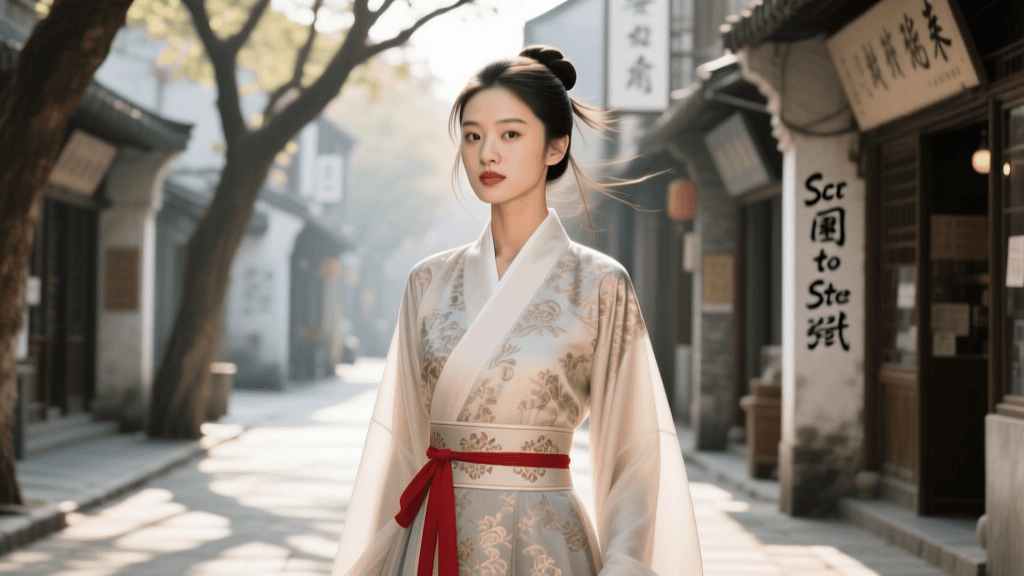
The global fashion landscape is currently witnessing a profound sartorial shift, one that looks to the past to inform the future. At the forefront of this movement is the modern adaptation of traditional Chinese clothing, specifically the Hanfu revival. No longer confined to historical reenactments, ceremonial occasions, or photography studios, traditional Chinese garments are actively being reimagined for the concrete jungles of the 21st century. This fusion of antiquity and urban streetwear—often referred to as Gailiang Hanfu (improved Hanfu)—represents a dynamic intersection of cultural pride and contemporary practicality. According to a comprehensive feature by Vogue, the Hanfu movement has evolved from a niche internet subculture into a multi-billion-dollar industry, driven by Gen Z and Millennial consumers who demand both cultural resonance and everyday functionality.
Understanding Gailiang Hanfu: The Art of Adaptation
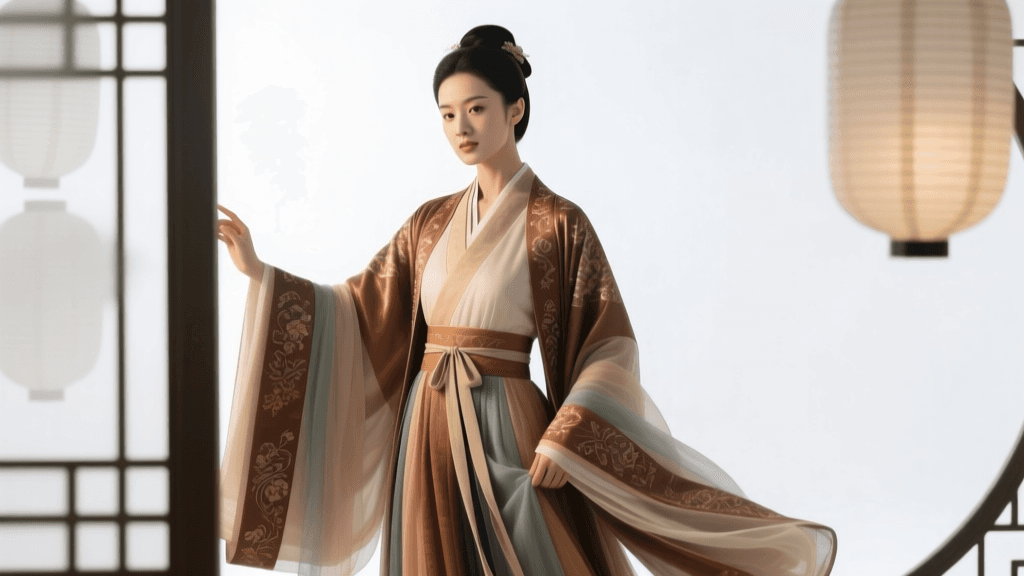
Improved Hanfu, or Gailiang Hanfu, does not seek to rewrite history; rather, it translates historical silhouettes into a modern context. Traditional Hanfu, while breathtaking, often features voluminous sleeves, floor-sweeping skirts, and complex layering systems that are impractical for commuting, office work, or navigating crowded city streets. Fusion fashion bridges this gap by retaining the core structural identifiers of the garments—such as the cross-collar (jiaoling), the horse-face skirt (mamianqun), and the traditional color palettes—while modifying the proportions for modern mobility.
As noted by cultural commentators at Sixth Tone, young Chinese professionals are driving the demand for garments that can seamlessly transition from a corporate boardroom to an evening social gathering. This requires a meticulous approach to design, where historical accuracy in pattern-making is balanced with modern tailoring techniques, such as the introduction of hidden zippers, elasticized waistbands, and machine-washable textiles.
The Mamianqun: A Masterclass in Fusion Styling
If there is one garment that epitomizes the modern Hanfu fusion movement, it is the Mamianqun, or horse-face skirt. Originating in the Song and Ming dynasties, the Mamianqun is characterized by its flat front and back panels (the 'horse faces') and pleated sides. Historically, it was a staple of women's wardrobes, prized for its elegant drape and structural integrity. Today, it has become the ultimate transitional piece in the Asian streetwear lexicon.
Practical Styling and Pairings
The beauty of the Mamianqun lies in its versatility. For a striking streetwear look, pair a midi-length Mamianqun with a modern, oversized graphic tee or a tailored streetwear blazer. The contrast between the structured, ornate pleats of the skirt and the casual, utilitarian lines of modern tops creates a visually arresting silhouette. Alternatively, for a more subdued, office-appropriate ensemble, tuck a crisp, white button-down shirt into a solid-colored, matte-finish Mamianqun. Footwear also plays a crucial role; while traditional embroidered shoes are beautiful, chunky combat boots or minimalist white sneakers ground the outfit, anchoring it firmly in contemporary urban fashion.
Sizing, Measurements, and Fit
One of the most common hurdles for international consumers and newcomers to Hanfu is navigating the sizing system. Traditional skirts are often wrap-around and tied, but modern improved versions frequently incorporate side zippers or hook-and-eye closures for security. When purchasing a Mamianqun, pay close attention to the following measurements:
- Waist Circumference: Modern improved skirts usually come in standard sizes (S, M, L) corresponding to 64cm, 68cm, and 72cm respectively. Always measure your natural waist, as the skirt is designed to sit high on the torso.
- Skirt Length: This is critical for maintaining the correct proportion. For heights under 160cm, an 85cm-90cm length (midi) is ideal. For heights between 160cm and 170cm, a 100cm-105cm length grazes the ankle beautifully. Those over 170cm should seek out 110cm-115cm lengths to avoid the skirt looking awkwardly cropped.
- Pleat Width: Traditional skirts may have wide, sparse pleats, but modern streetwear adaptations often feature dense, 3cm to 5cm knife pleats that hold their shape better in windy urban environments.
Traditional vs. Improved Hanfu: A Comparative Breakdown
To truly master fusion fashion, one must understand the structural differences between historical garments and their modern counterparts. The following table outlines the key adaptations made in Gailiang Hanfu to suit contemporary lifestyles.
| Feature | Traditional Hanfu (Historical) | Improved Hanfu (Gailiang) | Modern Styling Tip |
|---|---|---|---|
| Closure System | Fabric ties and sashes | Hidden zippers, hooks, snap buttons | Ensures the garment stays secure during active commutes or crowded subway rides. |
| Sleeve Width | Extremely wide (Guangxiu), floor-draping | Narrowed or tapered, elasticized cuffs | Prevents sleeves from dipping into food or catching on office equipment. |
| Skirt Length | Floor-sweeping, requires specific posture | Midi to calf-length (85cm - 105cm) | Allows for the wearing of modern footwear like chunky boots or sneakers. |
| Textiles | Heavy brocades, delicate raw silks | Polyester blends, jacquard, machine-washable cottons | Reduces maintenance time and increases durability for daily wear. |
Fabric Selection for Modern Climates
Historically, the wealthy elite favored heavy silk brocades and delicate gauzes, materials that require meticulous care and are highly sensitive to weather. For modern fusion streetwear, fabric choice must account for urban pollution, varying indoor climates, and the need for frequent laundering. High-quality polyester-jacquard blends have become the industry standard for improved Mamianqun skirts. These fabrics mimic the lustrous, textured appearance of traditional woven silks but offer the resilience of modern synthetics. They are wrinkle-resistant, retain their pleats after washing, and do not water-spot easily—a crucial feature for unpredictable city weather.
For upper garments like the Ru (blouse) or Ao (jacket), breathable cotton-linen blends or lightweight worsted wools are preferred. These materials provide the structural drape necessary to maintain the traditional cross-collar silhouette without causing overheating in climate-controlled office environments.
Building a Fusion Wardrobe: Costs and Sourcing
Investing in a modern Hanfu wardrobe is surprisingly accessible, though prices vary wildly based on craftsmanship, brand prestige, and material. Industry reports highlighted by the South China Morning Post indicate that the market has segmented into distinct tiers to cater to both casual enthusiasts and serious collectors.
Cost Breakdown and Brand Recommendations
- Entry-Level ($25 - $50 USD): Brands like Shisanyu and Chuanhua offer mass-produced, machine-washable Mamianqun skirts and basic tops. These are perfect for experimenting with fusion silhouettes without a massive financial commitment. Expect polyester blends and printed patterns rather than woven jacquards.
- Mid-Tier ($60 - $150 USD): Brands such as Zhongling and Yuebao focus on improved Hanfu with higher-quality woven jacquard fabrics, better pleat retention, and more historically accurate colorways. This is the sweet spot for daily streetwear integration.
- High-End / Artisanal ($200 - $500+ USD): For those seeking luxury fusion, bespoke tailors and high-end labels offer garments woven with genuine silk threads, real gold-leaf accents, and hand-finished details. These pieces are best reserved for special occasions or elevated evening streetwear.
Actionable Shopping Tips
When sourcing garments online via platforms like Taobao or specialized international Hanfu retailers, always check the 'weight' of the fabric listed in the description. A good Mamianqun should have a substantial drape; look for skirts weighing between 400g and 600g. Lighter skirts tend to look flimsy and will cling to the legs in static or windy conditions, ruining the architectural silhouette of the pleats.
Preserving Cultural Integrity in Fusion Fashion
As traditional Asian garments enter the global mainstream, the line between cultural appreciation and cultural appropriation becomes a vital conversation. Fusion fashion should never dilute the historical significance of the garments it adapts. When integrating Hanfu elements into your wardrobe, take the time to understand the symbolism behind the motifs. For instance, the cloud collars (yunjian) and specific embroidery patterns often carry deep philosophical meanings related to harmony, longevity, and the natural world.
'The true essence of the Hanfu revival is not merely about wearing beautiful clothes; it is about reclaiming a fragmented cultural identity and translating it into a modern, living language. When we adapt these garments for the streets of New York, London, or Shanghai, we are not erasing their history—we are ensuring their survival.' — Contemporary Textile Historian
To wear fusion Hanfu respectfully, avoid mixing garments from conflicting historical eras in a way that creates a 'costume' parody. Instead, focus on the harmony of the silhouette. Pairing a Ming dynasty-style Mamianqun with a modern turtleneck is a celebration of the skirt's design; pairing it with a generic, mass-produced 'oriental' print top from a fast-fashion brand diminishes the cultural weight of the ensemble.
Conclusion: The Future of Asian Sartorial Heritage
The modern adaptation of traditional Chinese clothing is a testament to the enduring power of Asian sartorial heritage. By embracing Gailiang Hanfu, fashion enthusiasts are proving that historical garments are not fragile relics to be kept behind museum glass, but dynamic, living textiles that can evolve alongside the people who wear them. Whether you are stepping into a corporate meeting in a tailored Mamianqun or navigating a vibrant night market in an improved cross-collar jacket, fusion fashion offers a profound way to carry centuries of craftsmanship into the future. By paying attention to precise measurements, selecting resilient fabrics, and honoring the cultural roots of these designs, you can build a wardrobe that is as deeply meaningful as it is undeniably stylish.