Screen to Street: Recreating Iconic Chinese TV Drama Hanfu Looks
The C-Drama Catalyst: From Screen to Street
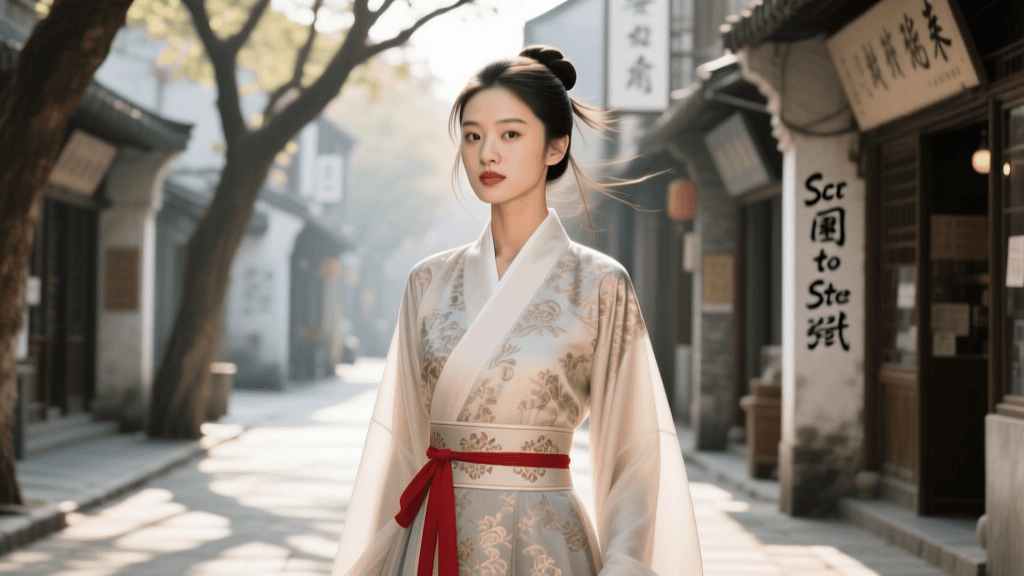
There is a distinct moment in almost every major Chinese historical drama where the camera slows down, the wind catches a billowing silk sleeve, and a beautifully embroidered hem sweeps across a palace courtyard. For millions of viewers worldwide, this cinematic magic sparks an immediate desire: Where can I buy that? The intersection of traditional Chinese fashion and modern television has birthed a cultural renaissance, transforming ancient garments from museum relics into a booming, multi-billion-yuan streetwear phenomenon. According to a report by Reuters, the Hanfu movement has evolved from a niche cosplay hobby into a mainstream fashion statement, heavily propelled by the meticulous costume designs seen in hit C-dramas.
Modern historical dramas no longer rely on generic, fantasy-based "ancient" costumes. Productions like The Longest Day in Chang'an and Story of Yanxi Palace employ dedicated historical consultants who study archaeological textiles, ancient murals, and classical literature to ensure screen accuracy. This dedication to authenticity has educated a massive audience, teaching viewers the distinct differences between a Tang dynasty round-collar robe and a Ming dynasty horse-face skirt. Consequently, the South China Morning Post notes that young consumers are now demanding historically accurate silhouettes, driving specialized Hanfu brands to produce screen-accurate, daily-wearable adaptations of iconic TV costumes.
Decoding Dynasty Aesthetics in Modern Television
To recreate your favorite on-screen looks, you must first understand the dynasty the drama portrays. Chinese fashion history is vast, and the silhouette, fabric, and accessories change drastically depending on the era. Below is a breakdown of the most popular dynasties featured in modern television and their signature garments.
| Dynasty | Hit TV Drama | Signature Garment | Key Features | Best For |
|---|---|---|---|---|
| Tang (618–907) | The Longest Day in Chang'an | Yuanlingpao (Round-Collar Robe) | Circular collar, leather belt, side slits | Travel, street style, cosplay |
| Song (960–1279) | Joy of Life / A Dream of Splendor | Beizi (Long Open Coat) | Straight sleeves, open front, minimalist | Daily wear, tea ceremonies, office |
| Ming (1368–1644) | Under the Microscope | Mamianqun (Horse-Face Skirt) | Pleated sides, flat front/back panels | Formal events, weddings, winter |
Tang Dynasty: The Cosmopolitan Silhouette
The Tang dynasty is often depicted in television as a vibrant, cosmopolitan era, reflecting the Silk Road's cultural exchanges. The signature male and unisex garment, the Yuanlingpao (round-collar robe), is highly practical. When watching shows set in Chang'an, notice how characters often pair these robes with leather belts and dark boots. To recreate this look for modern streetwear, opt for a cotton or linen-blend Yuanlingpao in earthy tones like terracotta, ochre, or deep indigo. The robe can be worn open at the top to reveal a contrasting inner layer, or the collar can be folded down to mimic a modern lapel, a styling trick frequently used by background characters in Tang-era market scenes.
Song Dynasty: Minimalist Elegance
If Tang fashion is loud and opulent, Song fashion is the epitome of quiet luxury. Dramas like A Dream of Splendor highlight the Beizi, a long, open-front coat with straight, narrow sleeves. The Song aesthetic favors subtle, woven patterns over loud embroidery, reflecting the era's neo-Confucian philosophy. For a modern adaptation, a sheer or lightweight linen Beizi worn over a simple camisole and a pleated skirt perfectly captures the intellectual, elegant vibe of a Song dynasty scholar or tea master. This is arguably the most versatile TV-inspired look for contemporary summer wear, as the open coat provides sun protection while allowing airflow.
Ming Dynasty: Structure and Grandeur
The Ming dynasty offers the most structured and recognizable silhouettes, heavily popularized by the viral success of the Mamianqun (horse-face skirt). Seen in dramas like Under the Microscope, these skirts feature flat front and back panels with deep, accordion-style pleats on the sides. They are often paired with a Piling (collar jacket) or an Ao (long jacket). The Mamianqun has transcended cosplay to become a staple in modern Chinese fashion, frequently paired with crisp white button-down shirts or modern knitwear. When buying a screen-accurate Ming skirt, look for jacquard woven fabrics that mimic the heavy, lustrous silk damasks seen on TV.
A Practical Guide to Buying Screen-Accurate Hanfu
Transitioning from admiring a costume on screen to purchasing a wearable version requires navigating the specialized Hanfu market. Most high-quality, screen-accurate garments are produced by independent Chinese brands available on platforms like Taobao or specialized international Hanfu retailers.
Mastering the Measurements
Unlike Western clothing, which is often tailored to hug the body, traditional Hanfu relies on flat-pattern cutting and draping. Sizing is generally based on height and weight, but for an accurate fit, you must understand the "Pingpu" (flat-lay) measurement method used by most Asian vendors.
- Bust (Jiaoling Youren): For the traditional cross-collar right-over-left tops, the flat-lay bust measurement must be at least 10-15 cm larger than your actual body bust to allow for the overlapping fabric and comfortable movement.
- Sleeve Length: TV dramas often feature exaggerated, floor-sweeping sleeves. For daily wear, look for "daily-style" (Ri Chang) listings where the sleeve length ends at the wrist or mid-hand, rather than the floor.
- Skirt Length: Mamianqun lengths are measured from the natural waist to the hem. For a screen-accurate, elegant drape that avoids tripping, the hem should hit exactly at the ankle bone (usually 95-105 cm depending on your height).
Fabric Selection on a Budget
Television costumes are often made from heavy, real mulberry silk, brocade, and velvet, which can cost hundreds of dollars per garment. For beginners, look for high-quality polyester jacquards or chiffon. These synthetic fabrics mimic the drape and sheen of TV costumes but are machine-washable and budget-friendly. If you are recreating a winter look from a Ming dynasty drama, search for "wool blend Mamianqun" (Mao Ni Qun), which provides the structured silhouette seen on screen while offering genuine warmth.
Styling TV-Inspired Hanfu for Everyday Wear
The goal of the modern Hanfu movement is not to wear a literal movie costume to the grocery store, but to integrate traditional elements into contemporary life. As highlighted by cultural analysts at Sixth Tone, the "New Chinese Style" (Xin Zhongshi) thrives on blending the old with the new. Here is how to style your TV-inspired pieces for the real world:
- The Office-Ready Song Look: Pair a solid-colored, lightweight Song dynasty Beizi with a modern silk camisole and wide-leg linen trousers. Add a simple jade pendant necklace instead of heavy, dramatic TV props.
- The Evening Event Ming Look: Wear a metallic-threaded Mamianqun with a fitted, modern black turtleneck. The contrast between the sleek modern top and the voluminous, historically accurate skirt creates a striking, high-fashion silhouette perfect for galas or holiday parties.
- Hair and Accessories: TV dramas feature elaborate wigs and heavy gold crowns. For daily styling, use a minimalist wooden or acrylic hair stick (Zan) to secure a simple low bun. Incorporate velvet flowers (Ronghua)—made famous by Story of Yanxi Palace—as subtle accents rather than full headpieces.
Garment Care for Longevity
Screen-accurate garments, especially those with metallic threads, jacquard weaves, or delicate embroidery, require specific care to maintain their structural integrity and visual appeal.
- Washing: Never machine wash pleated Mamianqun or structured Ming jackets. Hand wash in cold water with a pH-neutral detergent. For pleated skirts, use a specialized skirt clamp or clothespins to secure the pleats flat before air drying to prevent the accordion folds from blowing out.
- Ironing: Use a steam iron on a low setting. Always place a cotton pressing cloth between the iron and the garment, especially if the fabric contains metallic yarns that can melt or tarnish under direct heat.
- Storage: Store silk and brocade pieces flat or rolled to avoid permanent crease lines on the shoulders. Keep cedar blocks or camphor in the wardrobe to protect natural fibers from moisture and insects, ensuring your investment pieces last for years.
Conclusion
The influence of Chinese film and television on traditional fashion is a testament to the timeless appeal of these garments. By understanding the historical context, mastering the unique sizing requirements, and thoughtfully blending traditional pieces with modern wardrobes, anyone can step out of the audience and into the rich, living history of Asian sartorial traditions. Whether you are drawn to the minimalist grace of the Song dynasty or the structured grandeur of the Ming, the screen provides the inspiration, but your personal style brings it to life.