The Everyday vs Ceremonial Hanbok: 2026 Style Guide
The Renaissance of Korean Traditional Dress in 2026
As we navigate the fashion landscape of 2026, the hanbok has firmly transcended its status as a mere historical artifact or occasional tourist rental. Driven by a massive global appreciation for Korean culture, the traditional garment has evolved into two distinct, highly functional categories: the everyday saenghwal (life) hanbok and the formal hwaryeon (ceremonial) hanbok. For enthusiasts, collectors, and those looking to integrate Asian traditions into their modern wardrobes, understanding the structural, material, and stylistic differences between these two iterations is essential. According to the comprehensive historical archives at the Encyclopedia Britannica, the hanbok's fundamental silhouette—characterized by the jeogori (jacket) and chima (skirt) or baji (pants)—has remained remarkably consistent for centuries, yet the 2026 textile innovations have completely revolutionized how these garments are worn and maintained.
Understanding Saenghwal Hanbok: The Everyday Essential
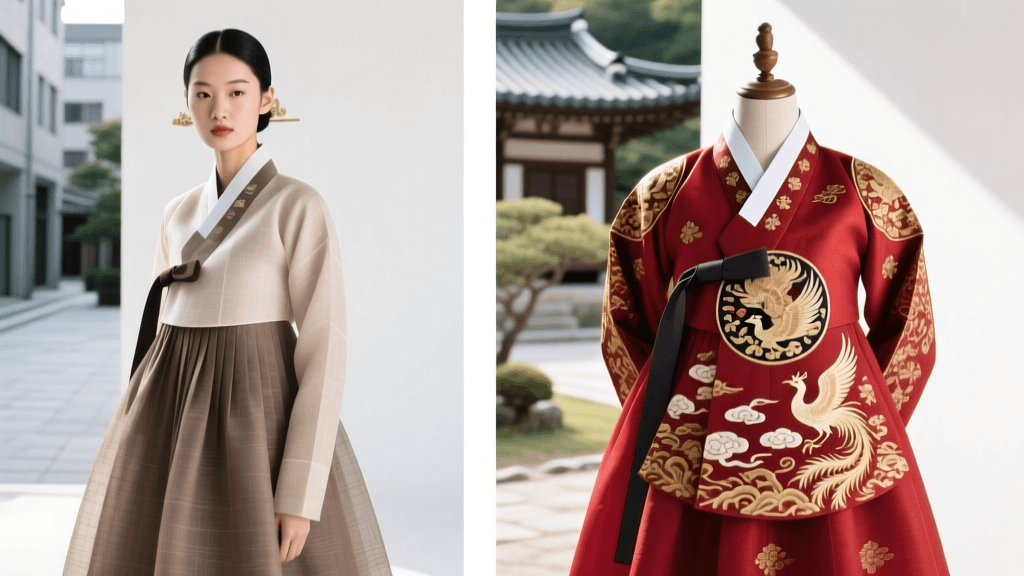
The saenghwal hanbok (생활한복), or 'life hanbok,' was born out of a cultural movement to make traditional dress viable for daily activities. In 2026, the saenghwal hanbok is a staple in the wardrobes of Seoul's creative class, university students, and global adopters of sustainable fashion. The primary goal of the saenghwal hanbok is mobility, comfort, and ease of care.
Fabric Innovations and Construction
Unlike traditional silks, modern everyday hanbok utilizes advanced textile blends. The 2026 market is dominated by breathable ramie-cotton blends, organic linen, and high-tech moisture-wicking polyesters that mimic the sheen of silk without the fragility. The construction has also been adapted for modern convenience. While a traditional chima requires complex folding and tying, the 2026 saenghwal skirt often features hidden elastic waistbands, discreet side zippers, and snap-hook goreum (the traditional coat ties) that allow the wearer to secure the jacket in seconds.
Functional Design Elements
One of the most celebrated additions to the 2026 saenghwal hanbok is the integration of deep, hidden pockets within the voluminous skirts—a practical necessity for the modern commuter. Furthermore, the hemlines of the chima are frequently tailored to hit at the mid-calf or ankle, preventing the fabric from dragging on wet city streets or getting caught in subway doors. The jeogori is also cut slightly longer and looser than its historical counterpart, allowing it to be worn comfortably over modern base layers like turtlenecks or crisp button-down shirts.
Hwaryeon and Myeonbok: The Ceremonial Masterpieces
On the opposite end of the spectrum is the ceremonial hanbok, encompassing the hwaryeon hanbok (화려한 한복) for weddings, festivals, and major life milestones, and the highly regulated myeonbok for ancestral rites and royal-style ceremonies. These garments are not designed for convenience; they are designed for visual impact, cultural preservation, and symbolic weight.
Luxurious Materials and Intricate Artistry
Ceremonial hanbok in 2026 continues to rely on premium, natural fibers. Heavy silk brocades, fine ramie, and meticulously woven mosi are the standards. The visual hallmarks of the ceremonial hanbok include geumbak (gold leaf printing) featuring auspicious symbols like peonies, dragons, or cranes, and elaborate, multi-layered embroidery. The Metropolitan Museum of Art's Asian Art textile archives frequently highlight the painstaking craftsmanship required to produce these ceremonial layers, a tradition that modern master artisans in Seoul continue to uphold today.
The Weight of Tradition
Wearing a ceremonial hanbok is an immersive physical experience. A bride's hwalot (ceremonial robe) or a groom's samo-gwandae ensemble can consist of five to seven distinct layers, including inner garments (sokgot), sashes, and heavy outer robes. The goreum on these pieces are exceptionally long, wide, and must be tied using precise, traditional knots. The sheer weight and restricted mobility of the garments enforce a slow, graceful, and dignified posture, which is exactly the intended psychological effect during a Doljanchi (first birthday) or a traditional wedding.
Ceremonial vs Everyday Hanbok: 2026 Comparison Chart
To help you make an informed purchasing decision, here is a detailed breakdown of how the saenghwal and ceremonial hanbok compare across key metrics in the current 2026 market.
| Feature | Saenghwal (Everyday) Hanbok | Hwaryeon (Ceremonial) Hanbok |
|---|---|---|
| Primary Fabrics | Cotton, Linen, Ramie, Poly-blends | Heavy Silk, Brocade, Fine Mosi (Ramie) |
| Weight & Layers | Lightweight; 2 main pieces | Heavy; 4 to 7 layered pieces |
| Closure System | Hidden zippers, elastic, snap-hooks | Traditional ties, intricate knotting |
| Maintenance | Machine washable (gentle cycle) | Specialist dry-clean only |
| 2026 Price Range (USD) | $70 - $250 | $400 - $2,500+ |
| Best Occasions | Cafe-hopping, office wear, travel | Weddings, Chuseok, Doljanchi, galas |
2026 Styling Trends: Blending Tradition with Modernity
The beauty of the saenghwal hanbok lies in its versatility. In 2026, the most prominent styling trend is 'genre-mixing'—pairing traditional silhouettes with contemporary streetwear or minimalist office attire.
- The Commuter Look: Pair a solid-colored, structured cotton chima with a tailored Western blazer and a simple silk camisole instead of the traditional jeogori. Finish with leather loafers.
- Street Style Fusion: Wear a cropped, short-sleeved linen jeogori over high-waisted wide-leg denim jeans. The structural collar and goreum ties provide a striking architectural element to an otherwise casual outfit.
- Winter Layering: During the colder months, the saenghwal hanbok is frequently layered over fine-gauge merino wool turtlenecks. Paired with ankle boots and a modern wool overcoat, it provides exceptional warmth while maintaining a romantic silhouette.
"The hanbok is no longer confined to the palace or the museum. In 2026, it is a living, breathing garment that adapts to the rhythm of modern life while whispering the elegance of our ancestors." — Seoul Textile & Heritage Institute, 2026 Annual Report.
Care and Maintenance for the Modern Wardrobe
Proper care ensures the longevity of your garments, but the protocols differ vastly between the two types.
Caring for Saenghwal Hanbok
Most 2026 saenghwal pieces are designed for the washing machine. Use a mesh laundry bag, select the delicate cycle with cold water, and use a pH-neutral detergent. Never tumble dry; instead, reshape the chima and hang it to air dry in the shade to prevent UV fading. Ironing should be done on a low heat setting with a pressing cloth to protect synthetic blends from melting or shining.
Preserving Ceremonial Hanbok
Ceremonial silks and geumbak gold leaf are highly susceptible to water damage and friction. These garments must only be cleaned by specialists who understand traditional Asian textile preservation. For storage, never hang a heavy silk ceremonial robe on a wire hanger, as the weight will distort the shoulders. Instead, fold the garment loosely with acid-free tissue paper to prevent hard creases, and store it in a breathable cotton garment bag in a cool, humidity-controlled environment. As noted by conservation experts featured in the historical documentation of the hanbok, proper folding techniques are crucial to maintaining the integrity of the silk fibers over decades.
Where to Source Authentic Pieces in 2026
If you are looking to build your hanbok collection this year, the market offers excellent options for both categories. For high-quality saenghwal hanbok, digital-first Korean fashion platforms like Musinsa and dedicated global e-commerce boutiques offer made-to-measure services that ship worldwide within weeks. Brands focusing on sustainable, organic cotton everyday wear are particularly popular among international buyers.
For ceremonial hanbok, it is highly recommended to visit established ateliers in Seoul's Bukchon Hanok Village or the specialized tailors in Gwangjang Market. These master tailors offer bespoke fittings, ensuring that the complex layering and precise measurements required for a wedding or formal event are executed flawlessly. While the investment is significant, a bespoke ceremonial hanbok is an heirloom piece designed to be passed down through generations, embodying the profound depth of Asian sartorial traditions.