Build A Xin Zhongshi Wardrobe In 2026: Silks And Silhouettes
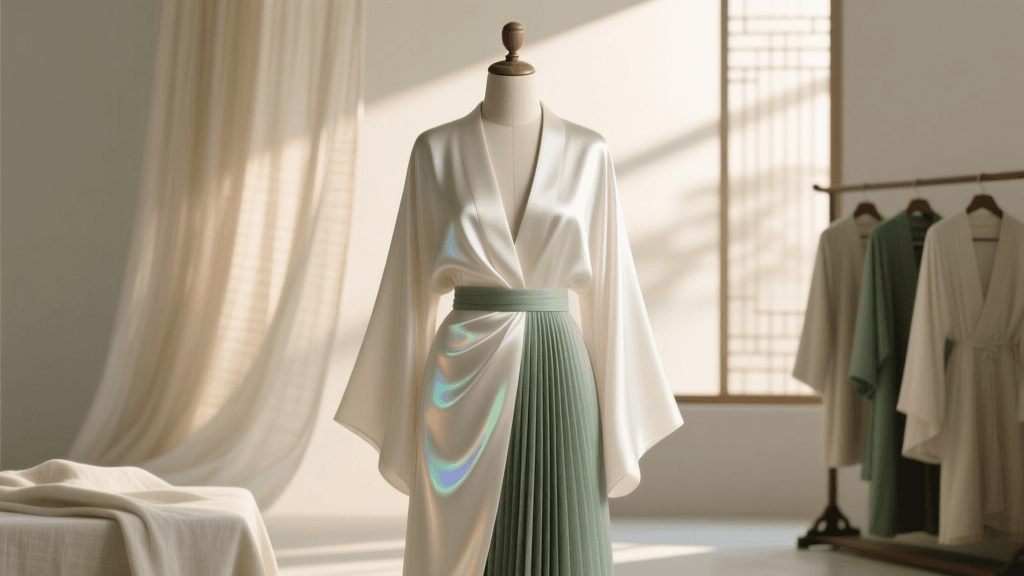
The Evolution of Xin Zhongshi in 2026
The Xin Zhongshi (新中式), or "New Chinese Style," movement has彻底 transcended its origins as a niche aesthetic to become a dominant force in global and domestic fashion by 2026. No longer confined to ceremonial wear or costume replication, modern Xin Zhongshi represents a sophisticated synthesis of heritage textiles, historical silhouettes, and contemporary minimalist tailoring. For the modern wardrobe builder, this style offers a unique opportunity to wear living history—garments that carry the weight of centuries of Asian traditions while functioning seamlessly in a modern, fast-paced lifestyle.
As we navigate the fashion landscape of 2026, the hallmark of authentic Xin Zhongshi is restraint. The loud, heavily embroidered dragon motifs of the early 2010s have been replaced by subtle structural nods to the Song and Ming dynasties: a meticulously placed pankou (knotted button), the architectural pleating of a skirt, or the muted, earthy tones of heritage dyeing techniques. Building a capsule wardrobe around this movement requires an understanding of both historical context and modern textile care.
Core Silhouettes for the Modern Wardrobe
To build a functional Xin Zhongshi capsule, one must look beyond the traditional one-piece qipao and embrace modular, layered silhouettes that integrate with existing Western wardrobe staples.
The Modernized Mamianqun (Horse-Face Skirt)
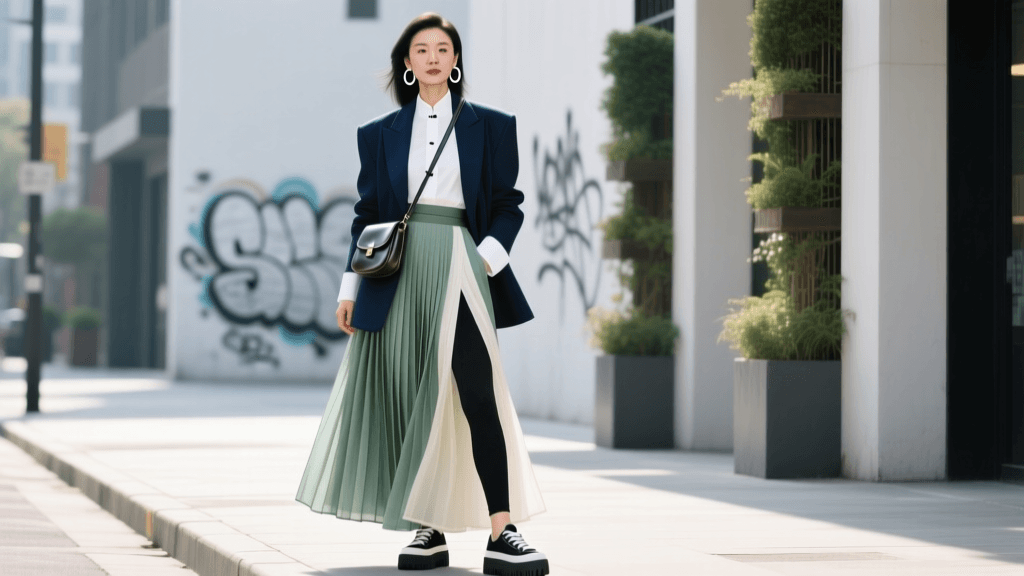
The Mamianqun is arguably the cornerstone of the 2026 Xin Zhongshi wardrobe. Characterized by its flat front and back panels with deeply pleated sides, this skirt originated in the Song Dynasty and gained immense popularity during the Ming Dynasty. In 2026, the modernized version features a streamlined waistband (often replacing traditional fabric ties with discreet side zippers or hook-and-eye closures) and utilizes lighter, matte-finish fabrics.
- Styling Advice: Pair a solid-colored, 19-momme silk or structured cotton-linen Mamianqun with a crisp, oversized white poplin button-down shirt. Tuck the shirt in partially to highlight the flat front panel while allowing the side pleats to move freely.
- Measurements: Look for skirts with a 3-to-5-centimeter pleat depth. The hem should ideally hit right at the mid-calf (approx. 75-80 cm from the waist) to prevent the heavy pleats from dragging and to allow for modern footwear.
The Deconstructed Qipao Top and Mao Collar Jackets
Rather than a full-length gown, the 2026 interpretation of the qipao focuses on the upper half. Deconstructed qipao tops feature the iconic high mandarin collar and asymmetrical front flaps but are cut with a relaxed, boxy fit. Similarly, the Tangzhuang or Mao-collar jacket has been reimagined using unlined, flowing silks, functioning more like a lightweight duster or cardigan than a rigid outerwear piece.
Fabric Deep Dive: Xiangyunsha and Song Brocade
The soul of Xin Zhongshi lies in its textiles. While modern mulberry silk is common, true connoisseurs of the movement seek out heritage fabrics that possess unique textures, histories, and aging properties.
Understanding Xiangyunsha (Gambiered Guangdong Silk)
Xiangyunsha, often referred to as "gambiered silk" or "soft gold," is a highly prized textile originating from the Guangdong province. The fabric is created through a labor-intensive, eco-friendly process where silk is repeatedly dyed with the tannin-rich juice of the薯莨 (shuliang) yam, and then coated with iron-rich river mud. This chemical reaction creates a fabric that is naturally water-resistant, antimicrobial, and possesses a distinct, crinkled texture with a dark, glossy finish on one side and a matte, earthy finish on the other. As noted by UNESCO's Intangible Cultural Heritage records regarding Chinese sericulture and silk craftsmanship, the preservation of these complex, regional dyeing techniques is vital to maintaining the authenticity of modern heritage fashion.
Fabric Comparison Chart for 2026
| Fabric Type | Weight & Drape | Best Garment Use | Maintenance Level |
|---|---|---|---|
| Xiangyunsha | Medium weight, crisp but fluid drape, textured surface. | Wide-leg trousers, unlined duster jackets, summer skirts. | High (Requires pH-neutral washing, shade drying). |
| Song Brocade (Song Jin) | Heavy weight, structured, stiff drape, matte geometric patterns. | Structured outerwear, vest shells, statement collars. | Medium (Dry clean only, store flat to prevent creasing). |
| Crepe de Chine Silk | Lightweight, highly fluid, soft matte finish. | Blouses, deconstructed qipao tops, layering camisoles. | Low-Medium (Hand washable with proper silk detergent). |
Styling Xin Zhongshi for Everyday Wear
The key to wearing Xin Zhongshi in 2026 without looking like you are wearing a costume is the principle of "one heritage piece per outfit." If you are wearing a highly textured Xiangyunsha jacket, ground it with modern, minimalist staples like straight-leg raw denim or tailored wool trousers.
Footwear Pairings: Avoid traditional cloth shoes for daily urban wear. Instead, opt for minimalist leather loafers, sleek Mary Janes, or modernized Chelsea boots. The contrast between the ancient textile and the sharp, contemporary leather creates the visual tension that defines the New Chinese Style.
Accessories: Move away from heavy, ornate gold. The 2026 trend favors white jade or celadon pendants suspended on ultra-thin, matte-finished platinum or white gold chains. Enamel pins featuring subtle botanical motifs (like plum blossoms or bamboo) placed on the lapel of a Mao-collar jacket add a personalized, intellectual touch.
Garment Care and Maintenance
Heritage textiles require specialized care. The Metropolitan Museum of Art's guidelines on historical silk preservation emphasize that protein-based fibers are highly susceptible to alkaline damage and UV degradation. Here is how to maintain your Xin Zhongshi pieces in 2026:
Washing Xiangyunsha and Mulberry Silks
- Detergent: Never use standard laundry detergents, which are alkaline and will strip the natural sericin from the silk, causing it to become brittle and lose its luster. Use a pH-neutral, enzymatic wash specifically formulated for delicates, such as Soak Wash or Eucalan.
- Technique: Submerge the garment in cool water (below 30°C / 86°F) for no more than 5 minutes. Gently agitate with your hands. Never wring, twist, or scrub the fabric.
- Drying: Roll the garment in a clean, dry cotton towel to press out excess moisture. Lay flat on a mesh drying rack in a well-ventilated area away from direct sunlight. Sun exposure will rapidly fade the yam-dye pigments in Xiangyunsha.
Storage and Pest Control
Silk is a protein fiber, making it a target for moths and carpet beetles. However, traditional chemical mothballs will permanently taint the fabric with a toxic odor and can cause chemical staining. Instead, store your Xin Zhongshi garments in breathable, unbleached cotton garment bags. Place blocks of untreated cedar wood or dried lavender sachets in the corners of your wardrobe to naturally repel pests. For heavy Song Brocade jackets, store them folded with acid-free tissue paper stuffed in the sleeves and collar to maintain their architectural shape.
Sourcing Authentic Pieces in 2026
As the Xin Zhongshi market has boomed, so has the proliferation of fast-fashion knockoffs utilizing synthetic polyesters printed with traditional patterns. To build a genuine, lasting wardrobe, you must know how to source authentic pieces.
- Look for the 'Feiyi' Tag: Authentic heritage pieces will often carry a tag indicating Intangible Cultural Heritage (非遗 - Feiyi) craftsmanship, particularly for Xiangyunsha and Song Brocade.
- Understand the Pricing: In 2026, authentic Xiangyunsha yardage averages $85 to $120 USD per meter. Therefore, a finished, tailored Xiangyunsha jacket from a reputable atelier will typically retail between $350 and $600 USD. If you see a "silk" jacket selling for $45, it is almost certainly a synthetic blend or a machine-printed imitation.
- Check the Burn Test (If possible): When buying vintage or unbranded pieces, authentic silk will burn slowly, smell like burning hair, and leave a crushable, dark ash. Polyester will melt, smell like sweet plastic, and form a hard, uncrushable bead.
By investing in authentic textiles and understanding the historical silhouettes that inspire them, your 2026 Xin Zhongshi wardrobe will not only serve as a masterclass in personal style but also as a wearable archive of Asian textile traditions.