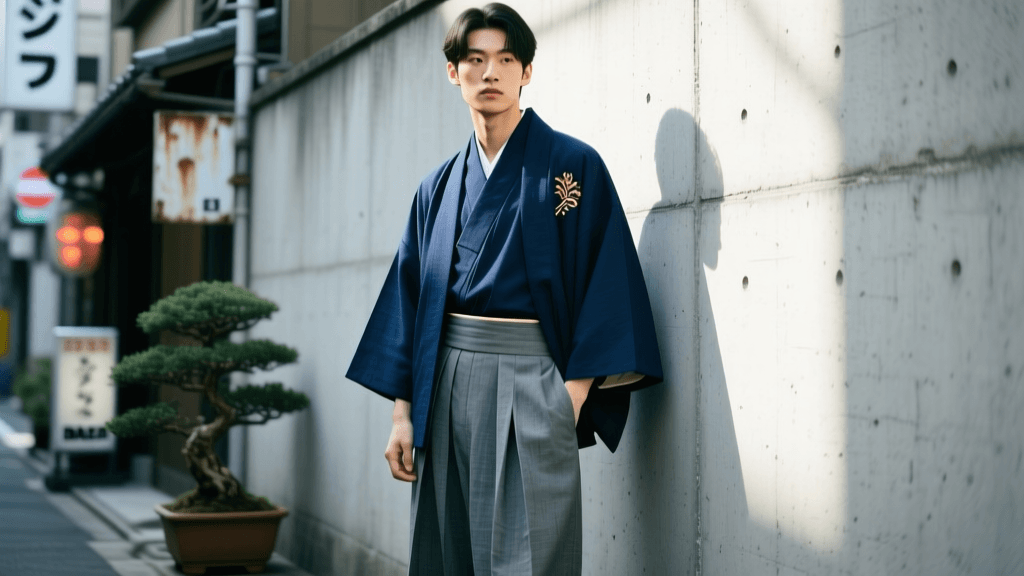
Mastering Kimono Tanmono Zero-Waste Construction in 2026
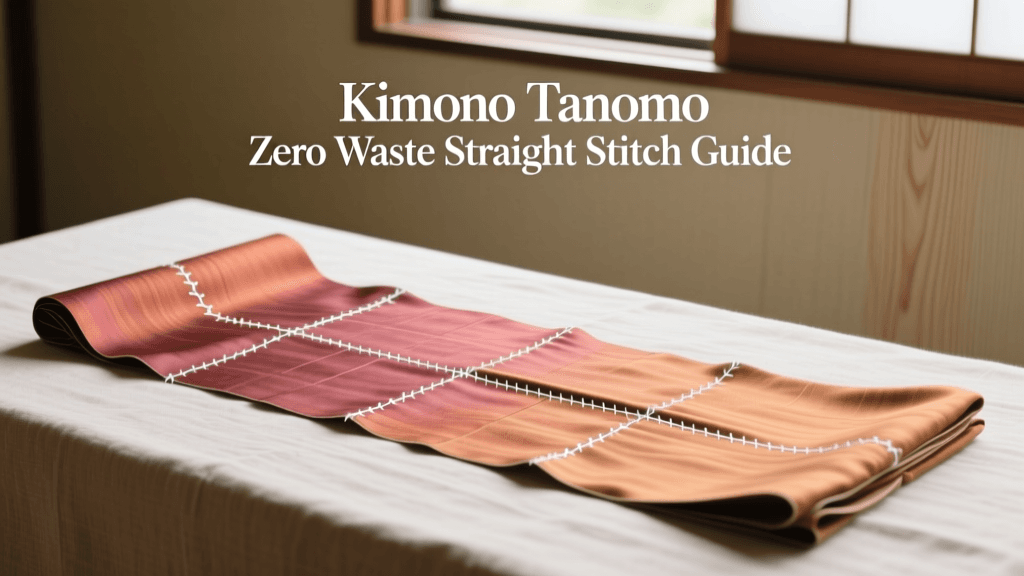
Introduction to Tanmono: The Foundation of Zero-Waste Asian Tailoring
As the global fashion industry faces increasingly stringent textile waste regulations in 2026, designers and artisans are looking to the past for sustainable solutions. At the forefront of this movement is the traditional Japanese kimono, a garment that represents the pinnacle of zero-waste pattern making. Unlike Western tailoring, which relies on curved cuts and generates significant offcuts, the kimono is constructed from a single, standardized bolt of fabric known as a Tanmono. Understanding the geometry and construction techniques of the Tanmono system provides modern sewists, historians, and sustainable fashion advocates with a masterclass in mindful garment creation.
The Tanmono is traditionally woven to a specific width—usually between 36 and 38 centimeters (about 14 to 15 inches)—and a length of roughly 11.5 to 12 meters (12.5 to 13 yards). This precise dimension is not arbitrary; it is the exact mathematical requirement to construct a full adult kimono without discarding a single scrap of textile. In 2026, as circular fashion becomes a mandate rather than a trend, revisiting these centuries-old Asian dress traditions offers actionable, scalable insights into zero-waste construction.
The Philosophy and Geometry of Flat-Pattern Construction
Western garment construction is inherently three-dimensional. It utilizes darts, princess seams, and curved armscyes to mold flat fabric to the contours of the human body. This process inevitably leaves behind irregularly shaped offcuts that are difficult to repurpose. According to the Metropolitan Museum of Art, traditional Japanese dress evolved with a fundamentally different philosophy: the garment does not force the fabric to conform to the body; rather, the fabric drapes and folds over the body in its natural, two-dimensional state.
This philosophy is executed through chokusen (straight-line) cutting. Every panel of a kimono is a perfect rectangle or a straight-edged trapezoid. Because the fabric is never cut on a curve, the structural integrity of the woven threads remains intact, and the entire garment can be disassembled back into its original rectangular panels. This modularity is the secret to the kimono's longevity, allowing it to be resized, repaired, or completely remade across generations.
Western Tailoring vs. Tanmono Zero-Waste Construction
To fully appreciate the engineering of the kimono, it is helpful to compare its construction methodology directly with standard Western tailoring techniques. The table below outlines the core differences that make the Tanmono system a superior model for zero-waste fashion in 2026.
| Feature | Western Curved Tailoring | Kimono Tanmono Construction |
|---|---|---|
| Fabric Cutting | Curved lines, darts, armscyes, shaped collars | Straight lines (Chokusen), purely rectangular panels |
| Waste Generation | 15% to 20% textile waste per garment | Near 0% waste (Zero-waste geometry) |
| Seam Allowance | Trimmed, graded, and finished inside | Folded inside (Kise), preserving fabric for future resizing |
| End-of-Life Care | Difficult to recycle mixed cuts and linings | Unstitched, washed as flat bolts, and resewn or rewoven |
| Sizing Adaptability | Requires complex pattern grading and new cuts | Adjustable via overlapping front panels and deep seam folds |
Deconstructing the 8-Panel Kimono Structure
A standard kimono is composed of eight primary panels, all cut directly from the single Tanmono bolt. Mastering the layout of these panels is essential for any artisan attempting to replicate this zero-waste system. Here is the exact breakdown of the eight panels and their functions:
- Migoro (Body Panels - 2): These are the two longest panels that form the main front and back of the garment. They are folded over the shoulders, eliminating the need for a shoulder seam and allowing the fabric's continuous pattern to flow uninterrupted from the front hem to the back hem.
- Sode (Sleeves - 2): Rectangular panels attached to the Migoro. Unlike Western set-in sleeves, the kimono sleeve hangs straight down from the shoulder. The bottom portion of the sleeve, known as the furi, is left unsewn, creating a distinctive pouch that historically held small personal items.
- Okumi (Front Overlap Panels - 2): These are narrower vertical strips added to the front edges of the Migoro. They create the overlapping V-neck closure that is iconic to the kimono. Because they are added as separate straight panels, the main body panels remain perfectly rectangular.
- Eri (Collar - 2): A long, narrow strip of fabric that is folded in half and sewn around the neckline, extending down the front overlaps. The collar is the only part of the kimono that is heavily stiffened and shaped, yet it is still cut on the straight grain.
By utilizing these eight geometric pieces, plus smaller rectangular scraps for the kake-eri (outer collar) and age (tucks), the entire 12-meter bolt is consumed. In 2026, contemporary pattern-makers are adapting this 8-panel logic to create modern zero-waste wrap coats and modular workwear, proving the versatility of this ancient Asian blueprint.
Essential Hand-Stitching Techniques for the Modern Artisan
The construction of a kimono relies heavily on specialized hand-stitching techniques that prioritize flexibility and future alterations over rigid permanence. For makers in 2026 looking to incorporate these methods into their own sustainable practices, three techniques are paramount:
1. Chokusen (Straight Running Stitch)
The primary seams of the kimono are sewn using a simple, straight running stitch. While it may seem basic compared to the lockstitch of a modern sewing machine, the hand-sewn running stitch allows the threads to move and stretch with the fabric. This prevents the silk from tearing under tension and makes the eventual removal of the stitches (for washing or resizing) incredibly easy without damaging the textile.
2. Kise (The Folded Seam Allowance)
In Western sewing, seam allowances are often trimmed to reduce bulk. In kimono construction, the seam allowance is preserved and folded inward in a technique called kise. The outer layer of fabric is pulled slightly over the inner layer so that the seam line is hidden from the outside. This deep, untrimmed allowance acts as a built-in reservoir of extra fabric, allowing the garment to be let out by several inches if the wearer's body changes over time.
3. Kuke (Blind Hemming)
The hems of the kimono, particularly the sleeve openings and the bottom edge, are finished with kuke, an intricate blind stitch. The thread catches only a single fiber of the outer fabric, rendering the hem completely invisible from the right side. This technique is vital for maintaining the unbroken visual canvas of the kimono's dyed or woven patterns.
Sourcing Tanmono and Circular Care in 2026
For those looking to practice these techniques today, sourcing authentic materials has evolved. While traditional weaving hubs like Nishijin in Kyoto continue to produce luxury silk bolts, the 2026 market has seen a massive surge in upcycled and vintage Tanmono. According to heritage preservation data highlighted by UNESCO's Intangible Cultural Heritage listings for traditional silk weaving, maintaining these textile traditions requires active participation in the circular economy.
As of early 2026, a premium, newly hand-woven Yuki-tsumugi silk Tanmono bolt retails between $1,000 and $2,000 USD. However, artisan collectives and vintage recyclers in Tokyo and Kyoto offer meticulously cleaned, vintage silk bolts for approximately $80 to $150 USD. These vintage bolts are often harvested from kimonos that have undergone arai-hari.
The Arai-Hari Process: The Ultimate Circular Fashion
Arai-hari is the traditional Japanese method of washing a kimono. Because the garment is constructed entirely of straight, hand-sewn seams, it can be completely unstitched back into its original Tanmono panels. These flat panels are then stretched on bamboo frames and washed with specialized, pH-neutral detergents. Once dry, the fabric looks brand new, and the artisan can re-sew the kimono, hiding old stains or wear marks by shifting the placement of the panels. This process ensures that a single bolt of high-quality silk can serve multiple generations, embodying the very essence of the zero-waste philosophy that 2026's sustainable fashion movement strives to achieve.
Conclusion
The construction techniques of the Japanese kimono offer far more than historical interest; they provide a highly functional, mathematically perfect blueprint for zero-waste garment creation. By embracing the Tanmono bolt system, straight-line cutting, and modular hand-stitching, modern makers can drastically reduce textile waste while creating garments that are inherently adaptable, repairable, and enduring. As we continue to navigate the environmental challenges of the 2020s, the ancient wisdom woven into the folds of the kimono remains one of the most vital resources in the global pursuit of sustainable fashion.