Xin Zhongshi 2026: Styling the New Chinese Style Movement
The Evolution of Xin Zhongshi: Beyond the Qipao
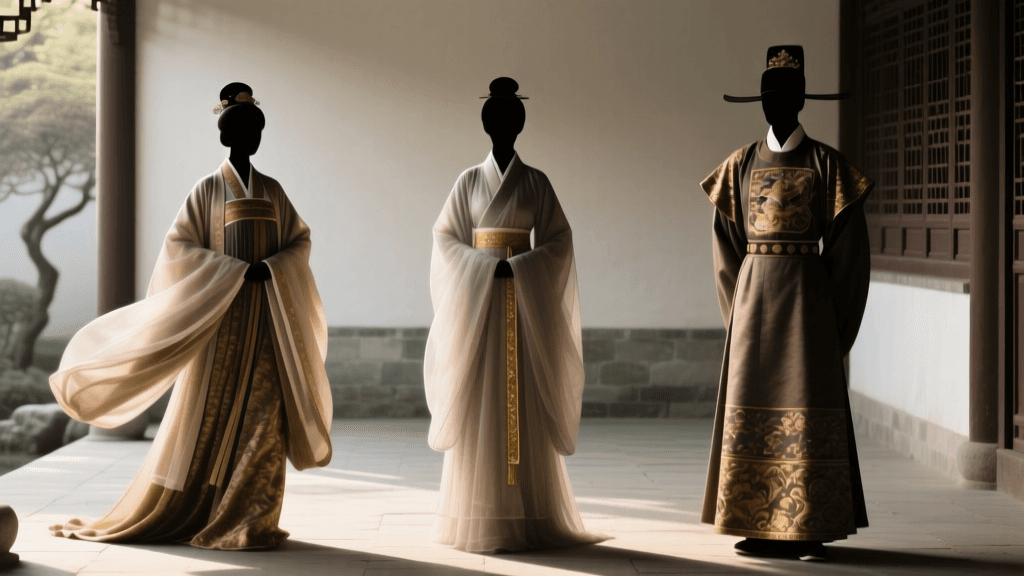
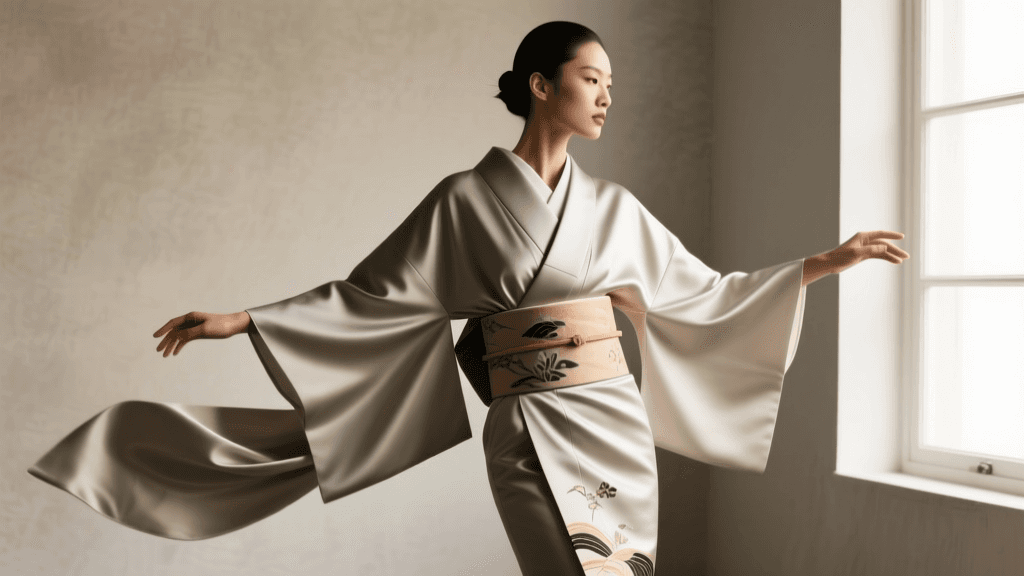
The fashion landscape of 2026 has firmly cemented Xin Zhongshi (新中式), or 'New Chinese Style,' not as a fleeting trend, but as a permanent pillar of global sartorial expression. Moving far beyond the costume-like rigidity of past decades or the strict historical reenactment of the Hanfu movement, Xin Zhongshi represents a sophisticated synthesis. It extracts the philosophical and aesthetic essence of traditional Chinese garments—such as the structural elegance of the Song Dynasty or the vibrant textiles of the Ming Dynasty—and translates them through the lens of contemporary, globalized tailoring.
For the modern wardrobe, this means garments that are deeply rooted in cultural heritage yet entirely functional for a fast-paced, cosmopolitan lifestyle. As we navigate 2026, the movement has matured significantly. Consumers and designers alike are prioritizing sustainable heritage crafts, innovative fabric blends, and subtle, wearable motifs over overt, flashy symbolism. The result is a wardrobe that speaks to ancient artistry while functioning seamlessly in a modern boardroom or art gallery.
Defining Silhouettes: The 2026 Xin Zhongshi Wardrobe
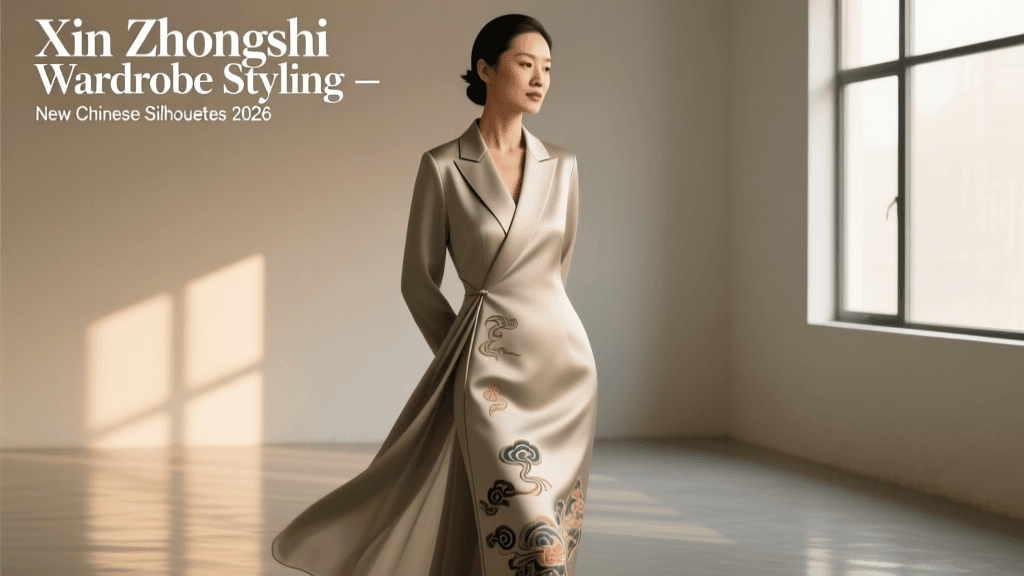
To truly master Xin Zhongshi, one must understand its foundational design codes. Unlike Western fashion, which often relies on darting and seaming to create three-dimensional volume, traditional Chinese garment construction is predominantly flat and linear. It relies on the drape of the fabric and the movement of the wearer to create shape. In 2026, top designers are bridging these two worlds with remarkable precision.
- The Mandarin Collar (Lilin / Yuanling): Once confined to formal menswear or the traditional Qipao, the stand collar has been radically reimagined. Modern iterations feature softer interlinings, asymmetrical closures, and are frequently applied to relaxed-fit wool blazers and silk blouses, offering a sleek alternative to the standard lapel.
- Pan Kou (Frog Buttons): Historically used as functional closures, Pan Kou are now utilized as minimalist hardware. Hand-knotted from silk, velvet, or modern vegan leather, they serve as singular accent pieces on lapels or cuffs, replacing traditional metal buttons with artisanal craftsmanship.
- Cross-Collar (Jiaoling Youren): The classic right-over-left lapel crossing is being integrated into modern wrap coats and heavy knitwear. This offers an elegant, adjustable fit that flatters a variety of body types without the need for complex zippers, belts, or rigid tailoring.
Luxury Textiles: Xiangyunsha and Song Brocade
The soul of Xin Zhongshi lies in its textiles. In 2026, there is a massive resurgence in demand for heritage fabrics, driven by a younger demographic's desire for authenticity, sustainability, and tactile luxury. Two fabrics dominate the premium Xin Zhongshi market: Xiangyunsha (Gambiered Canton Gauze) and modernized Song Brocade.
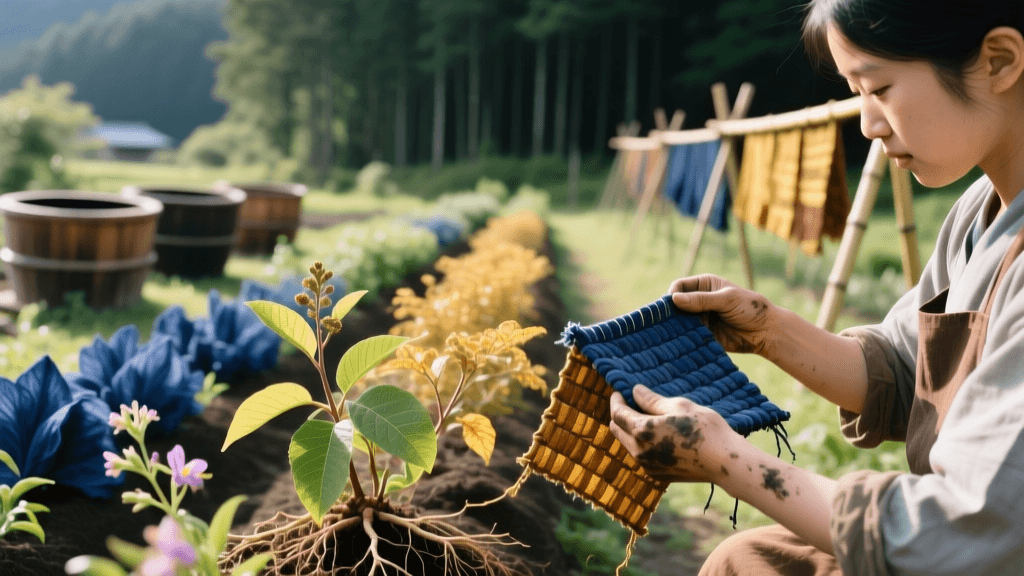
Xiangyunsha is a highly specialized silk dyeing technique originating from Guangdong province. The silk is dyed with the juice of the Dioscorea cirrhosa (a type of yam) and then coated with iron-rich river mud. This labor-intensive process results in a fabric that is naturally antibacterial, water-resistant, and develops a beautiful, crackled patina over time. Ethical sourcing and the preservation of the artisan mud-dyeing communities have become central to the marketing of high-end Xiangyunsha garments this year.
Song Brocade, historically reserved for imperial mounting and luxury garments, has also been modernized. Contemporary mills are blending traditional mulberry silk with recycled cupro or lightweight merino wool, making the intricate, shimmering brocades breathable enough for year-round office wear.
| Fabric Type | Characteristics & Drape | Best 2026 Application | Average Price Range (USD) | Care Requirements |
|---|---|---|---|---|
| Xiangyunsha (Gambiered Silk) | Crisp, slightly stiff, develops a vintage patina; rustles softly. | Structured outerwear, wide-leg trousers, summer wrap skirts. | $450 - $1,200+ | Hand wash cold with pH-neutral soap; dry flat in shade. |
| Modern Song Brocade | Medium weight, subtle sheen, intricate woven geometric/floral motifs. | Statement blazers, vests (Majia), evening clutches. | $300 - $850 | Dry clean only; store flat to prevent warp-thread pulling. |
| Heavyweight Mulberry Crepe | Fluid, matte finish, excellent bias drape, highly breathable. | Draped blouses, modern slip skirts, lightweight layering. | $150 - $400 | Machine wash delicate or hand wash; steam to remove wrinkles. |
The Mamianqun: A Heritage Skirt for the Modern City
No discussion of Xin Zhongshi is complete without the Mamianqun, or horse-face skirt. Consisting of two overlapping panels of fabric with flat fronts and pleated sides, it was historically designed for ease of movement, particularly for horseback riding. In 2026, the Mamianqun has been adapted for the urban environment with stunning results.
Designers are utilizing heat-set pleating technologies on wool blends and heavy synthetics, ensuring the pleats remain razor-sharp even after sitting in an office chair all day. The flat front panels are often left unadorned for a minimalist look, or feature subtle, tone-on-tone jacquard weaving that only catches the light when the wearer moves. Paired with a simple cashmere turtleneck, a monochromatic Mamianqun is the ultimate statement piece for the modern creative professional.
Styling Formulas for the Contemporary Professional
Look 1: The Boardroom Executive
Pair a charcoal wool-blend blazer featuring a subtle Yuanling (stand collar) and hidden Pan Kou closures with high-waisted, wide-leg crepe trousers. Underneath, wear a simple, high-neck silk camisole. Footwear should be a pointed-toe leather mule. This look commands respect while subtly signaling cultural fluency.
Look 2: The Creative Weekend
Opt for a calf-length Mamianqun in a muted, earthy palette (like slate grey or olive) paired with a chunky, oversized knit sweater. The contrast between the structured, pleated heritage skirt and the relaxed, modern knitwear perfectly encapsulates the Xin Zhongshi ethos of balanced duality.
Look 3: Evening Elegance
Choose a sleeveless, floor-length vest (Beizi) crafted from lightweight Song Brocade, worn open over a minimalist black turtleneck and tailored cigarette pants. Accessorize with a single, modernist jade pendant on a thin gold chain for an effortlessly chic evening ensemble.
Accessories and Footwear: Completing the Look
The 2026 approach to Xin Zhongshi accessories favors architectural minimalism over ornate historical replication. Bamboo-woven structured bags with leather handles are highly sought after, providing a natural texture contrast to silk and wool garments. In terms of jewelry, raw, unpolished jade or Hetian nephrite set in brushed gold or recycled silver is the standard, moving away from the highly polished, traditional carvings of the past.
Footwear has also seen a renaissance. Traditional cloth shoes (Bu Xie) have been reimagined by luxury shoemakers with durable leather soles, subtle architectural heels, and waterproofed silk uppers, making them viable for city commuting while maintaining a distinctly Eastern silhouette.
Garment Care and Preservation
Heritage fabrics require specific care to maintain their integrity. Xiangyunsha, due to its natural mud and yam-juice dye, must never be exposed to alkaline detergents, bleach, or direct sunlight, which can strip the iron-rich patina. It should only be hand-washed in cold water with a pH-neutral silk wash and dried flat in the shade.
Song Brocade, with its complex floating warp threads, is prone to snagging. It should be dry-cleaned sparingly and stored flat or rolled in acid-free tissue paper rather than hung on wire hangers, which can distort the heavy woven motifs over time. By investing in proper garment care, your Xin Zhongshi pieces will age beautifully, developing a personal patina that reflects the enduring legacy of Asian textile traditions.