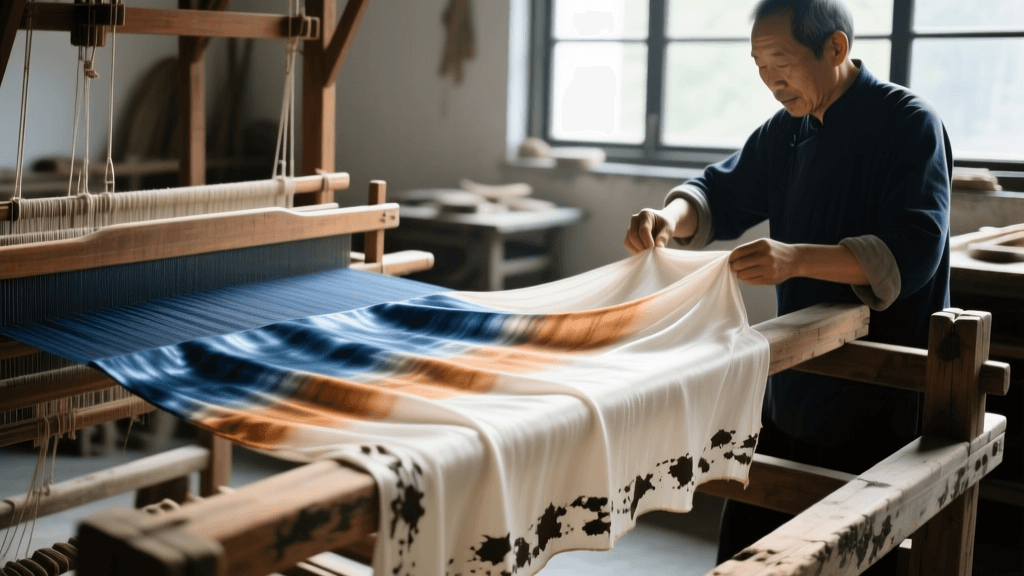
Sustainable Japanese Natural Dye Plants & Eco-Methods for 2026
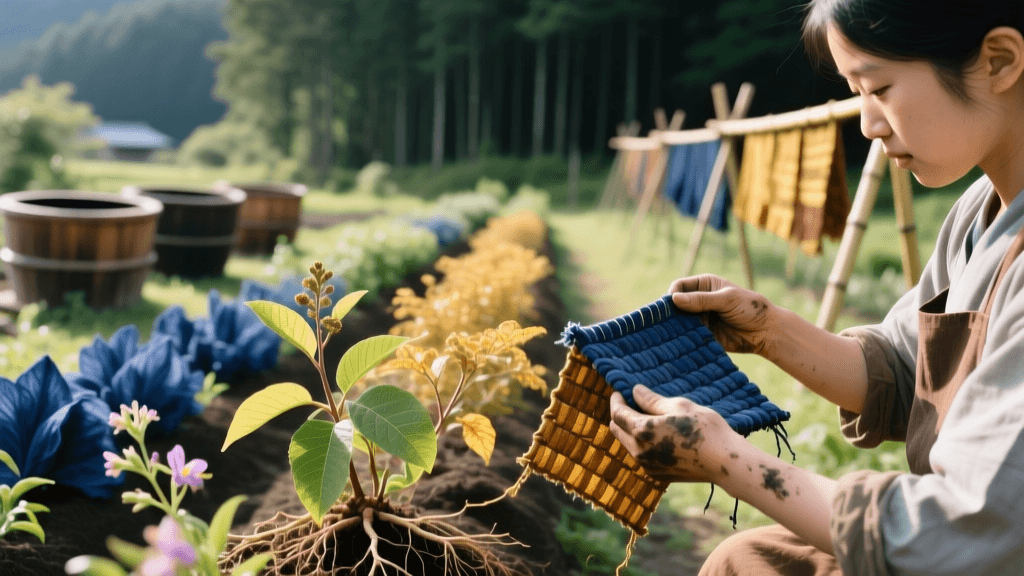
The Renaissance of Kusaki-Zome in 2026
As the global fashion industry faces stringent environmental regulations and a consumer demand for radical transparency in 2026, traditional Asian textile practices are offering a blueprint for the future. At the forefront of this movement is Kusaki-zome, the ancient Japanese art of grass and tree dyeing. Unlike synthetic dyes, which are heavily reliant on petrochemicals and contribute to severe waterway pollution, Japanese natural dye plants utilize regenerative agriculture, biodegradable mordants, and zero-waste extraction methods.
In 2026, the intersection of heritage craftsmanship and modern eco-textile science has elevated kusaki-zome from a niche artisanal practice to a viable, scalable solution for sustainable fashion. From the indigo fields of Tokushima to the persimmon orchards of Nara, Japanese dye plants are being cultivated using permaculture principles, ensuring that the soil is enriched rather than depleted. According to the Ellen MacArthur Foundation's framework for a circular textiles economy, transitioning to botanically derived, compostable colorants is a critical step in eliminating the toxic effluent associated with conventional garment manufacturing.
Top Japanese Natural Dye Plants for Sustainable Textiles
Japan's unique biodiversity and centuries of botanical research have yielded a spectacular palette of natural colorants. Below is a comprehensive guide to the most prominent Japanese dye plants utilized in eco-friendly textile production today.
| Common Name | Botanical Name | Color Yield | Primary Eco-Benefit | Best Fiber Type |
|---|---|---|---|---|
| Ai (Indigo) | Persicaria tinctoria | Deep Blue | Nitrogen-fixing crop that enriches soil health | Cellulose (Cotton, Linen, Hemp) |
| Kihada (Amur Cork) | Phellodendron amurense | Bright Yellow | Utilizes pruned bark without felling the tree | Protein (Silk, Wool) |
| Kakishibu (Persimmon) | Diospyros kaki | Earth Brown | Upcycles unripe, dropped agricultural fruit waste | Cellulose & Paper Textiles |
| Sakura (Cherry) | Prunus serrulata | Soft Pink | Sourced from annual municipal pruning waste | Protein (Silk, Wool) |
| Yamamomo (Bayberry) | Myrica rubra | Warm Khaki | Uses fruit pits and bark from food industry byproducts | Cellulose & Protein |
1. Ai (Japanese Indigo) and the Sukumo Fermentation Process
Japanese indigo (Persicaria tinctoria) is distinct from tropical indigo varieties. In 2026, the most sustainable method for processing ai remains the creation of sukumo—composted indigo leaves. Artisans in Tokushima utilize a 90-day aerobic fermentation process that requires no synthetic reducing agents (like sodium hydrosulfite, commonly used in industrial vats). Instead, the sukumo is reduced using wood ash lye and sake, creating a living, alkaline vat that can be maintained for years, yielding thousands of meters of fabric without chemical runoff.
2. Kihada (Amur Cork Tree) and Antimicrobial Properties
The inner bark of the Kihada tree yields a vibrant, UV-resistant yellow due to the presence of berberine. Beyond its aesthetic appeal, berberine is naturally antimicrobial and insect-repellent. In 2026, sustainable activewear and summer yukata linings are increasingly dyed with kihada to provide natural odor resistance, reducing the need for frequent washing and thereby conserving household water.
3. Kakishibu (Persimmon Tannin) as a Natural Bioplastic
Kakishibu is extracted from the juice of unripe, astringent persimmons. When applied to cotton, hemp, or washi (Japanese paper) yarns and exposed to UV light, the tannins polymerize, creating a natural, water-resistant bioplastic coating. This makes kakishibu an essential eco-friendly alternative to PFAS (forever chemicals) for weatherproofing outerwear and traditional summer jinbei garments.
Eco-Friendly Mordants: Moving Beyond Heavy Metals
Historically, the natural dye industry relied on heavy metal mordants like chrome and tin to ensure colorfastness. However, modern eco-certifications strictly prohibit these due to their toxicity. As highlighted by the Victoria and Albert Museum's comprehensive guide to natural dyes, the shift toward benign mordants is essential for the ecological viability of botanical colorants.
In 2026, Japanese dyers predominantly use three eco-friendly fixatives:
- Myoban (Alum): Potassium aluminum sulfate is a naturally occurring mineral salt that is safe for soil and water systems when disposed of correctly. It brightens colors and is used at 8-10% Weight of Fiber (WOF).
- Tetsu (Iron Water): Created by steeping rusty iron scraps in water and vinegar, iron saddens and deepens colors (shifting yellows to olives, and pinks to purples) while acting as a robust fixative.
- Goboshu (Soy Milk Binder): A uniquely Asian technique where soy milk is used to coat cellulose fibers (cotton, linen, hemp). The proteins in the soy milk bind to the plant fibers, creating a receptor site for natural dyes, completely eliminating the need for metallic mordants.
Step-by-Step: The 2026 Eco-Friendly Soy Milk Binder Method
Dyeing cellulose fibers with Japanese plants like yamamomo or sakura requires preparation. The soy milk method is highly sustainable, utilizing plant-based proteins to bridge the gap between fiber and dye. Here is the actionable protocol for home dyers and small-batch studios.
Materials Needed:
- 100g of scoured, undyed organic cotton or linen fabric
- 100ml of pure, unsweetened soy milk (or 20g of soy milk powder dissolved in water)
- 500ml of distilled water
- 100g of dried Sakura bark or Yamamomo bark
- Biodegradable pH-neutral soap
The Process:
- Scouring: Wash the fabric in hot water (60°C) with a pH-neutral biodegradable soap to remove natural waxes and spinning oils. Rinse thoroughly.
- Soy Milk Sizing: Mix 1 part soy milk to 5 parts distilled water. Submerge the damp fabric and massage it for 15 minutes to ensure the protein penetrates the fibers. Wring out gently (do not rinse) and hang to dry completely. Repeat this process twice for optimal color saturation.
- Dye Extraction: Simmer the 100g of bark in 2 liters of water at 80°C for 60 minutes. Strain the liquid through a fine mesh cloth. This is your primary dye bath.
- Dyeing: Wet the soy-sized fabric and submerge it in the warm dye bath. Maintain a temperature of 50°C for 45 minutes, stirring gently to prevent uneven spotting.
- Oxidation and Curing: Remove the fabric, squeeze out excess liquid, and hang it in a shaded, well-ventilated area. Allow the fabric to cure for 48 hours before washing. This resting period allows the tannins and proteins to form a permanent, insoluble bond.
2026 Industry Trends: Water Conservation and Circularity
The sustainability of natural dyeing extends beyond the plants themselves; it encompasses the entire lifecycle of the dye studio. In 2026, leading Japanese textile cooperatives have implemented closed-loop water systems. Because natural dyes are biodegradable, the spent dye liquor can be safely neutralized using simple pH adjustments and filtered through biochar and reed beds, returning clean water to local watersheds or using it to irrigate the very indigo and cork trees that produced the color.
Furthermore, the concept of 'botanical upcycling' has become a cornerstone of the kusaki-zome revival. Dye studios are partnering with local municipalities to collect pruned cherry blossom branches from spring festivals, spent chestnut burrs from autumn harvests, and onion skins from regional restaurants. This hyper-local, zero-waste supply chain ensures that the environmental footprint of dyeing remains negligible.
For those looking to deepen their practical knowledge of botanical colorants and safe studio practices, the Maiwa School of Textiles' natural dyeing instructions and botanical resources remain an invaluable, globally recognized repository for both traditional Asian techniques and modern eco-friendly adaptations.
Conclusion: Wearing the Landscape
The resurgence of Japanese natural dye plants in 2026 is not merely a nostalgic return to the past; it is a sophisticated, scientifically backed response to the ecological crises of the modern fashion industry. By embracing kusaki-zome, utilizing agricultural byproducts, and relying on benign mordants like soy milk and alum, we can cultivate a textile culture that honors Asian traditions while actively regenerating the planet. Whether you are a designer sourcing sustainable textiles or a hobbyist dyeing your own summer yukata, the grass and trees of Japan offer a vibrant, enduring, and deeply eco-friendly palette for the future.