Xin Zhongshi 2026: Styling Song Brocade & Xiangyunsha Daily Wear
The Evolution of Xin Zhongshi in 2026
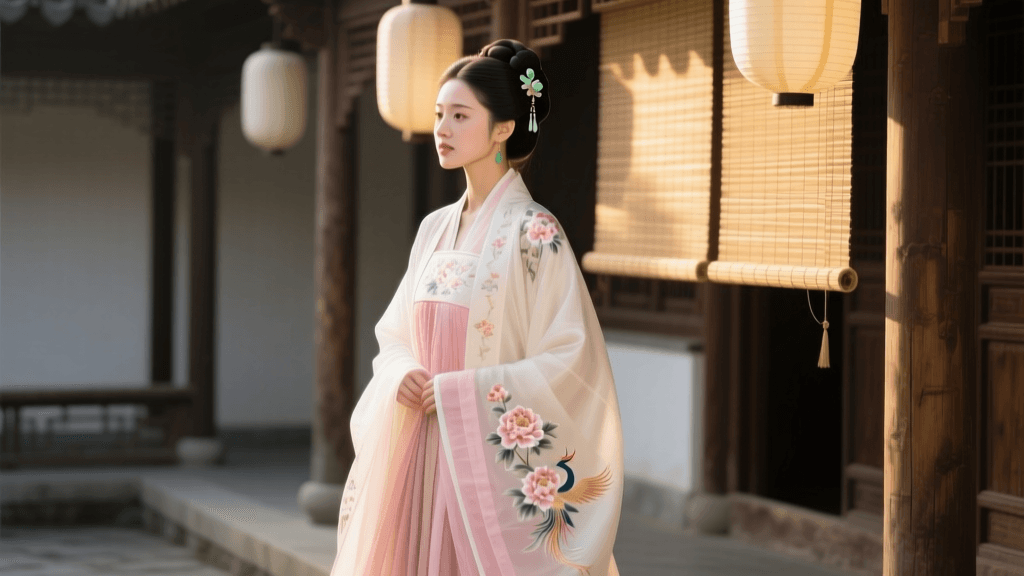
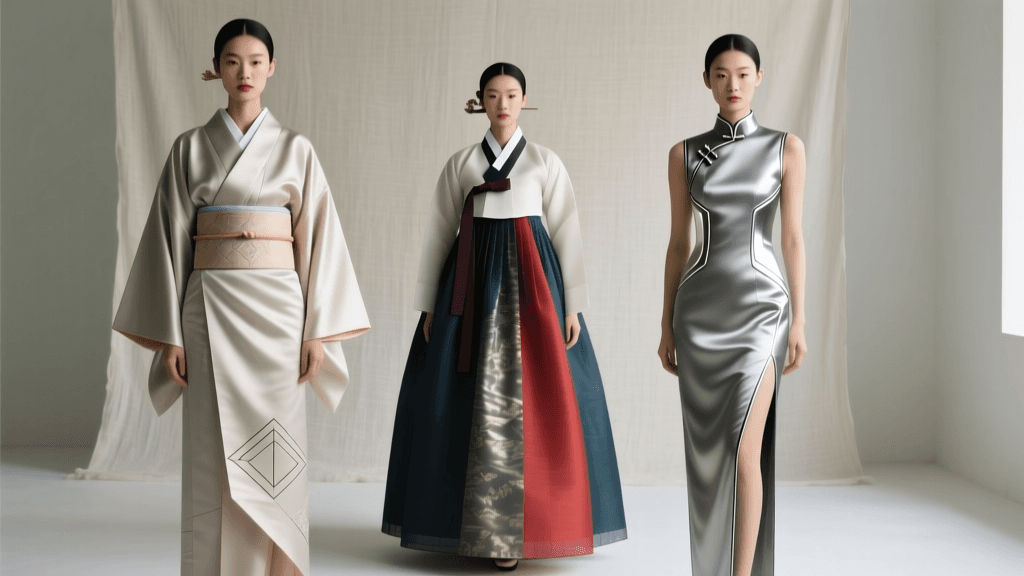
The Xin Zhongshi (New Chinese Style) movement has decisively transitioned from a fleeting social media trend into a permanent pillar of global contemporary fashion. As we navigate the 2026 sartorial landscape, the integration of traditional Chinese garments into daily wear is no longer about strict historical replication; it is about sophisticated textile fusion and ergonomic tailoring. Today's discerning wardrobes prioritize heritage fabrics—specifically Song Brocade and Xiangyunsha—reimagined through modern silhouettes that suit the dynamics of urban life. According to the Victoria and Albert Museum's extensive Chinese textile archives, the historical significance of these fabrics is profound, yet their 2026 applications represent a brilliant leap in sustainable, slow-fashion luxury.
Core Textiles: Song Brocade Meets Xiangyunsha
To master the Xin Zhongshi aesthetic in 2026, one must first understand the foundational textiles that define the movement. The juxtaposition of structured, luminous brocades with matte, earthy silks creates a visual tension that is the hallmark of modern Chinese design.
Song Brocade (Song Jin)
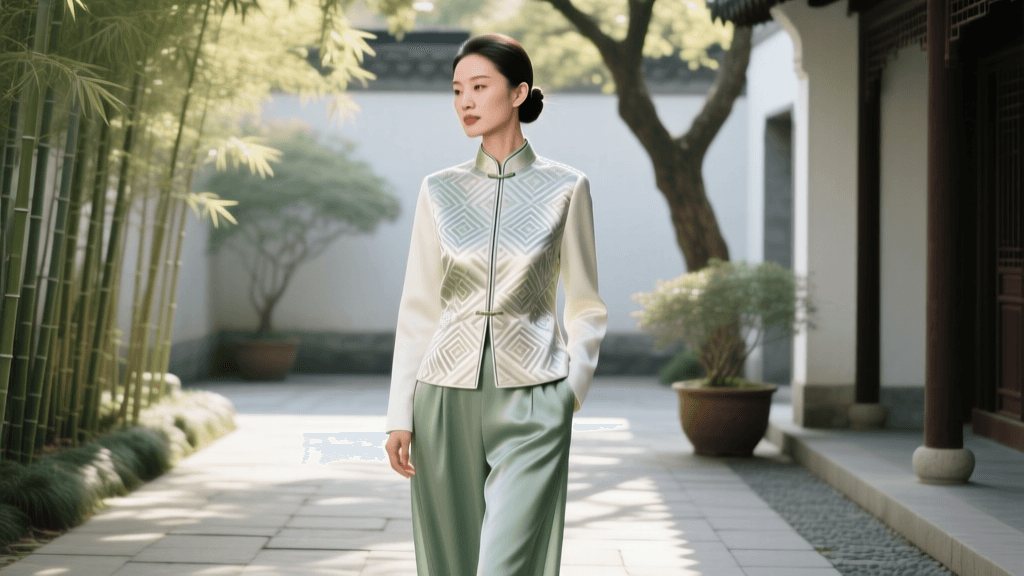
Originating in the Song Dynasty, this intricate woven silk is characterized by its subtle geometric patterns and understated sheen. Unlike the highly reflective and heavily embroidered Ming or Qing dynasty brocades, Song Brocade offers a matte elegance that translates seamlessly into modern office and evening wear. In 2026, advanced jacquard looms in Suzhou have begun blending traditional mulberry silk with recycled copper-infused threads, giving the fabric natural antimicrobial properties and a unique, structured drape that holds architectural silhouettes without the need for synthetic interlinings.
Xiangyunsha (Gambiered Guangdong Silk)
Often referred to as 'soft gold,' Xiangyunsha is a marvel of natural alchemy. The silk is dyed using the juice of the gambier plant and then coated in iron-rich river mud from the Pearl Delta region. The resulting chemical reaction yields a fabric that is deeply brown on one side and glossy black on the other. Recognized for its incredible breathability and skin-nourishing properties, Xiangyunsha is the ultimate luxury summer textile. The traditional sericulture and silk craftsmanship of China, which encompasses these complex dyeing techniques, is proudly documented by UNESCO's Intangible Cultural Heritage list, underscoring its global cultural value.
Building Your 2026 Xin Zhongshi Capsule Wardrobe
Creating a functional Xin Zhongshi wardrobe requires balancing heritage pieces with contemporary basics. Here is a curated blueprint for integrating these textiles into your 2026 rotation.
1. The Modernized Mamianqun (Horse-Face Skirt)
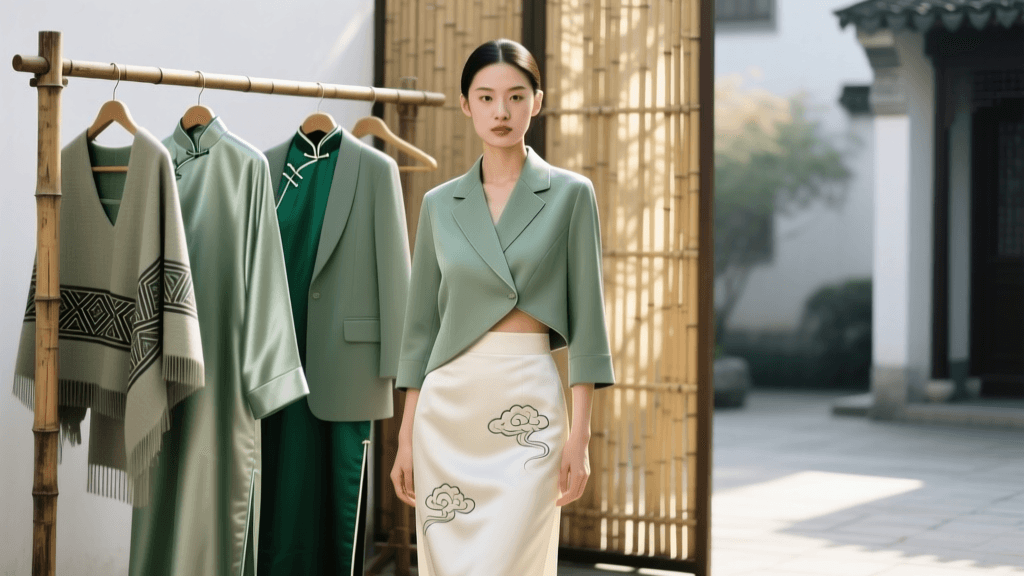
The Mamianqun remains the cornerstone of the Xin Zhongshi wardrobe. However, the 2026 iteration ditches the cumbersome tie-waists of the past for hidden, wide elastic waistbands and lightweight, crush-resistant pleats. Styling Advice: Pair a mid-calf (95cm length) Song Brocade Mamianqun with a minimalist, ribbed merino wool turtleneck. The contrast between the ancient, patterned silk and the modern, matte knitwear grounds the outfit, making it appropriate for a corporate environment or an upscale dinner.
2. The Deconstructed Pankou Blazer
The pankou (traditional knotted button) is no longer confined to the mandarin collar. In 2026, designers are utilizing oversized, braided silk pankou knots as asymmetrical closures on structured, Western-style blazers. Styling Advice: Opt for a cropped, collarless blazer crafted from a wool-silk blend, featuring a single, dramatic pankou knot at the waist. Wear this over high-waisted, wide-leg denim to bridge the gap between Eastern heritage and Western streetwear.
3. Xiangyunsha Wide-Leg Trousers
Because Xiangyunsha is incredibly lightweight and produces a distinctive, satisfying rustle (often described as the 'sound of wind in the bamboo'), it is ideal for flowing trousers. Styling Advice: Choose high-waisted, palazzo-style trousers in the glossy black side of the Xiangyunsha. Pair them with a crisp, oversized white poplin button-down shirt, leaving the shirt untucked and belting the waist with a thin, braided leather cord. This look epitomizes the 'effortless intellectual' aesthetic that dominates 2026 fashion circles.
Traditional Hanfu vs. 2026 Xin Zhongshi: A Comparison
Understanding the distinction between traditional Hanfu and the Xin Zhongshi movement is crucial for accurate styling and cultural appreciation.
| Feature | Traditional Hanfu | 2026 Xin Zhongshi (New Chinese Style) |
|---|---|---|
| Silhouette | Historically accurate, voluminous, cross-collars (Jiaoling Youren). | Streamlined, Western-influenced cuts, tailored fits, asymmetrical hems. |
| Closures | Hidden ties, fabric sashes, traditional fabric buttons. | Concealed zippers, magnetic snaps, oversized decorative Pankou knots. |
| Textiles | Pure silks, linens, and hemp, often heavily embroidered. | Silk-blends, Xiangyunsha, Song Brocade, mixed with denim, wool, and cotton. |
| Context | Festivals, ceremonies, cultural events, photography. | Daily office wear, street style, casual outings, global travel. |
Care and Maintenance for Heritage Fabrics
Investing in Xin Zhongshi pieces means committing to the meticulous care of heritage textiles. The longevity of your 2026 wardrobe depends on adhering to strict maintenance protocols.
- Xiangyunsha Washing: Never use alkaline detergents or standard laundry soaps, as they will strip the iron-rich mud coating and ruin the gambier dye. Use a neutral pH detergent (between 6.5 and 7.0) specifically formulated for raw silks. Hand wash in cool water (below 30°C) for no more than three minutes, and dry flat in the shade. Direct sunlight will cause the black coating to crack and peel.
- Song Brocade Storage: Because Song Brocade often incorporates metallic or stiffening threads, it should never be hung on wire hangers, which will distort the shoulder structure. Store blazers and jackets on wide, contoured wooden hangers. For Mamianqun skirts, hang them by the waistband using clip hangers with felt padding to prevent creasing the intricate pleats.
- Ironing Protocol: Always use a steam iron on the 'Silk' setting. Never press the iron directly onto Xiangyunsha; instead, use a pressing cloth and hover the steam an inch above the fabric to relax the fibers without flattening the natural texture.
Sourcing Authentic Pieces in 2026
As the global demand for Xin Zhongshi has surged, the market has unfortunately seen an influx of synthetic imitations. Authentic Xiangyunsha, which requires weeks of sun-drying and mud-coating, averages between $120 and $180 USD per meter in 2026. If a garment is priced significantly lower, it is likely printed polyester. To source genuine pieces, look for certified heritage workshops based in Suzhou (for Song Brocade) and Foshan (for Xiangyunsha). Many established ateliers now offer direct-to-consumer digital showrooms, providing blockchain-verified certificates of authenticity that trace the silk from the mulberry farm to the final weave. By investing in verified, ethically produced Xin Zhongshi, you are not just elevating your personal style; you are actively participating in the preservation of Asia's most magnificent textile traditions.