Kimono Vs Hanbok Vs Cheongsam: 2026 Complete Guide
Introduction: The 2026 East Asian Fashion Renaissance
As we navigate the global fashion landscape of 2026, the integration of heritage garments into contemporary wardrobes has reached an unprecedented peak. The kimono of Japan, the hanbok of Korea, and the cheongsam (qipao) of China are no longer confined to museums or rare ceremonial events. Today, they represent a vibrant intersection of ancestral craftsmanship and modern sartorial innovation. For fashion enthusiasts, cultural historians, and conscious consumers, understanding the distinct construction, cultural significance, and modern styling potential of these three iconic garments is essential.
At The Garment Atlas, we frequently receive questions about how to differentiate, style, and ethically source these traditional pieces. While they share a broad geographical and historical lineage within East Asian textile traditions, their silhouettes, fastening methods, and cultural contexts are profoundly distinct. This comprehensive 2026 guide breaks down the kimono, hanbok, and cheongsam, offering actionable advice on how to wear, buy, and appreciate them in the modern era.
The Kimono: Structured Elegance and Modern Sustainability
Silhouette and Construction
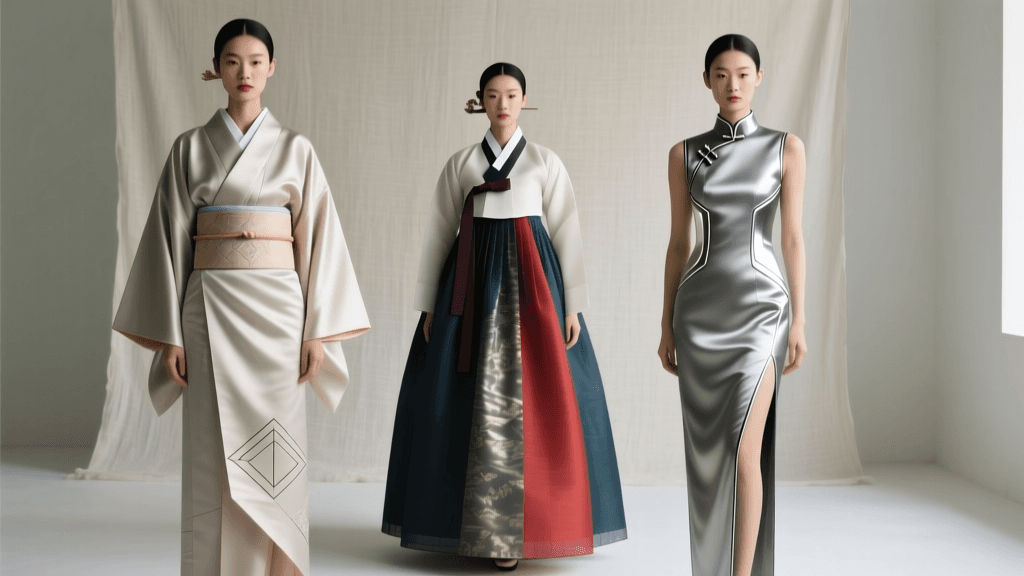
The Japanese kimono is defined by its T-shaped, straight-line construction. Unlike Western garments that are cut to follow the curves of the body, the kimono is assembled from rectangular pieces of fabric, making it inherently zero-waste. According to archival research from the Kyoto National Museum, this geometric approach to pattern-making has remained largely unchanged for centuries, allowing garments to be easily disassembled, cleaned, and re-sewn. The defining feature of the kimono is the obi, a wide sash that secures the garment and serves as the focal point of the ensemble.
2026 Fabric Innovations
In 2026, the kimono market has seen a massive shift toward sustainable textiles. While traditional yuzen silk dyeing remains highly prized for formal events like Coming of Age Day, everyday and semi-formal kimonos are increasingly crafted from lab-grown spider silk, recycled polyester blends, and organic hemp. These modern fabrics offer the drape and luster of traditional silk but are machine-washable and far more resilient to humidity, making them ideal for global climates.
Accessories and Styling
Styling a kimono in 2026 often involves blending heritage pieces with contemporary streetwear. It is increasingly common to see vintage silk haori (kimono jackets) paired with wide-leg denim and minimalist sneakers. However, when wearing a full kimono ensemble, proper undergarments (juban) and footwear (tabi socks with zori sandals) remain non-negotiable for maintaining the correct silhouette and showing cultural respect.
The Hanbok: Voluminous Silhouettes and Daily Wear
Silhouette and Construction
The Korean hanbok is celebrated for its striking, voluminous silhouette, characterized by the contrast between a fitted upper garment and a full, flowing lower garment. For women, this consists of the jeogori (a cropped, wrap-style jacket) and the chima (a high-waisted, bell-shaped skirt). For men, the jeogori is paired with baji (roomy, tied trousers). The hanbok's beauty lies in its dynamic movement; the garments are designed to billow and sway gracefully with the wearer's steps.
The 'Daily Hanbok' Movement
By 2026, the 'Daily Hanbok' movement has fully matured from a niche trend into a staple of Korean contemporary fashion. Brands are producing modernized hanboks with shortened chima lengths, hidden pocket integrations, and simplified fastening mechanisms. Instead of complex traditional knotting, many 2026 daily hanboks utilize discreet magnetic closures or elasticized waistbands, making them as easy to put on as a modern sundress. The Victoria and Albert Museum's Asian textiles collection has frequently highlighted how the hanbok's structural adaptability allows it to absorb modern fashion trends without losing its core identity.
Color Symbolism and Occasion
Historically, hanbok colors were dictated by the obangsaek (five traditional colors) and social status. Today, while vibrant magentas, jade greens, and royal blues remain popular for weddings and the Chuseok holiday, the 2026 everyday palette leans heavily into muted pastels, earthy terracottas, and monochromatic neutrals, allowing the hanbok to seamlessly integrate into office and cafe environments.
The Cheongsam (Qipao): Tailored Precision and Contemporary Edge
Silhouette and Construction
The Chinese cheongsam, widely known in the West as the qipao, is a masterclass in tailored precision. Originating in the 1920s as a modernization of traditional Manchu dress, the contemporary cheongsam is form-fitting, featuring a high Mandarin collar, asymmetric side slits, and intricate pankou (frog button) closures. The Metropolitan Museum of Art's Asian Art department notes that the cheongsam's evolution reflects a unique synthesis of Eastern aesthetics and Western tailoring techniques, emphasizing the natural contours of the body.
2026 Design Trends
In 2026, cheongsam designers are pushing boundaries with asymmetrical hemlines, deconstructed collars, and modular elements. A major trend this year is the 'separates qipao'—a cheongsam-inspired crop top paired with a matching high-waisted pencil skirt or tailored trousers. Furthermore, the use of 3D-knitting technology has allowed for the creation of seamless, breathable linen and bamboo-silk qipaos that eliminate the restrictive side-seams of the past, offering unparalleled comfort for summer wear.
Fastenings and Embroidery
The pankou knots are the soul of the cheongsam. In 2026, bespoke tailors in Shanghai and Hong Kong are offering hyper-customized knot designs that incorporate subtle metallic threading or semi-precious stone beads. While traditional floral and avian embroidery remains popular for bridal and gala wear, minimalist, abstract geometric embroidery is the preferred choice for the modern, fashion-forward consumer.
Direct Comparison: Kimono vs Hanbok vs Cheongsam
To help you navigate your next purchase or styling decision, here is a structured comparison of these three iconic garments based on their 2026 market presence and structural traits.
| Feature | Kimono (Japan) | Hanbok (Korea) | Cheongsam / Qipao (China) |
|---|---|---|---|
| Primary Silhouette | T-shaped, straight, columnar | Voluminous, A-line, bell-shaped | Form-fitting, tailored, curved |
| Key Components | Kimono body, Obi sash, Juban | Jeogori (top), Chima/Baji (bottom) | One-piece dress or top/skirt set |
| Fastening Method | Wrapping left over right, tied with Obi | Wrap front, tied with goreum (ribbon) | Side zippers, Pankou (frog buttons) |
| Standard 2026 Fabrics | Peace silk, hemp, recycled poly-blends | Cotton-linen blends, raw silk, tulle | Brocade, bamboo-silk, 3D-knit linen |
| Modern Styling Trend | Haori jackets over denim/streetwear | Cropped skirts with modern blouses | Qipao tops with wide-leg trousers |
| Average Bespoke Cost | $1,500 - $4,000+ | $400 - $1,200 | $800 - $2,500 |
Styling Traditional Garments for 2026 Occasions
Wearing traditional Asian garments in a contemporary setting requires a balance of respect for the garment's heritage and personal stylistic expression. Here are actionable styling rules for 2026:
- The Wedding Guest: Opt for a mid-calf length, muted-tone hanbok or a sleeveless, midi-length cheongsam in a breathable silk blend. Avoid white, stark red (reserved for brides in many Asian cultures), and solid black. Pair with elegant, low-block heels and minimalist gold jewelry.
- The Gallery Opening or Evening Event: A vintage silk kimono worn open as a duster coat over a sleek, monochromatic slip dress and tailored trousers creates an avant-garde, high-fashion silhouette. Ensure the kimono's hemline is longer than the slip dress for proper proportion.
- Office and Professional Wear: The 'Daily Hanbok' skirt, featuring a subtle A-line cut and a muted charcoal or navy colorway, pairs beautifully with a crisp, tucked-in button-down shirt. Alternatively, a cheongsam-inspired top with a relaxed fit and a modest Mandarin collar offers a sophisticated alternative to the standard blouse.
- Footwear Rules: While traditional zori and hwa (Korean boots) are beautiful, modern styling in 2026 embraces high-quality leather loafers, pointed-toe mules, and clean white sneakers for casual hanbok and kimono outerwear styling. Avoid pairing formal, heavily embroidered cheongsams with casual sneakers, as the tailored precision of the dress clashes with sporty footwear.
Sourcing Authentic and Modern Pieces in 2026
When investing in traditional garments, provenance and ethical production are paramount. The 2026 market offers several distinct avenues for sourcing:
Vintage and Antique Markets
For kimonos, the secondary market remains the most sustainable and cost-effective option. Tokyo's Otsuka Kimono and online platforms specializing in authenticated vintage Japanese textiles offer stunning mid-century silk pieces ranging from $150 to $600. Always check for fabric weakness at the fold lines and ensure the garment has been professionally cleaned.
Contemporary Direct-to-Consumer Brands
For hanboks, South Korean brands operating globally have revolutionized the market. Look for brands that prioritize natural fibers and offer detailed sizing charts, as traditional hanbok sizing relies heavily on adjustable ties rather than fixed measurements. A high-quality, ready-to-wear daily hanbok set typically costs between $250 and $500 in 2026.
Bespoke Tailoring
The cheongsam is a garment that demands a precise fit. If you are investing in a formal qipao, bespoke tailoring is highly recommended. Many heritage tailors in Hong Kong and Shanghai now offer virtual consultation services and 3D body scanning via smartphone apps to ensure a flawless fit for international clients. Expect the bespoke process to take between four to eight weeks, with prices starting around $850 for premium brocades and silks.
Conclusion
The kimono, hanbok, and cheongsam are far more than relics of the past; they are living, breathing garments that continue to evolve. By understanding their unique construction, respecting their cultural origins, and embracing the sustainable and stylistic innovations of 2026, you can integrate these magnificent pieces into your wardrobe with confidence and reverence. Whether you are wrapping a silk obi, tying a hanbok goreum, or fastening a delicate qipao knot, you are participating in a rich, ongoing dialogue between history and modernity.