Hanfu Travel Guide 2026: Packing Tips & Top Destinations
The Global Rise of Hanfu Tourism in 2026
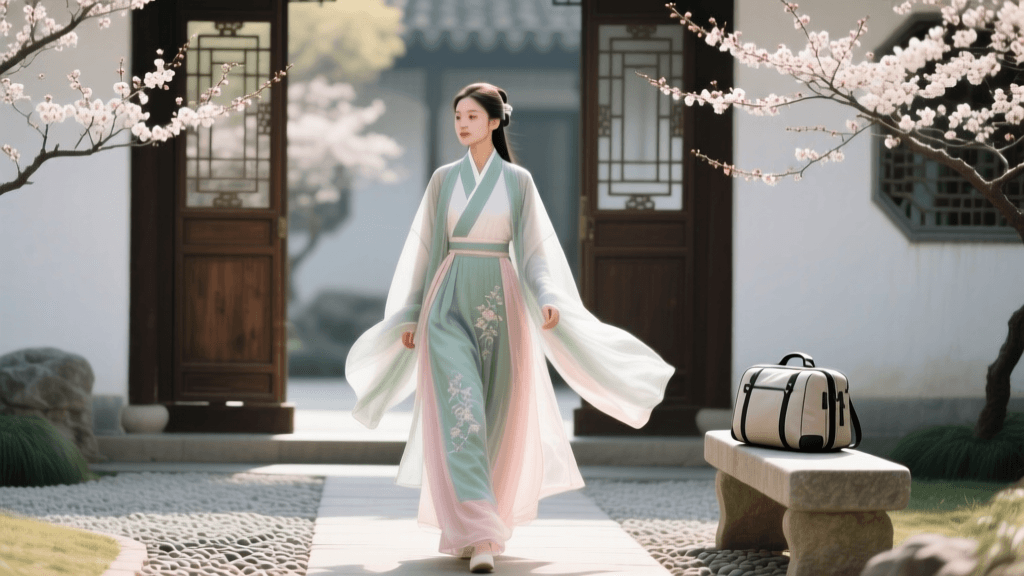
The intersection of traditional Chinese clothing and global travel has reached unprecedented heights in 2026. Driven by the booming Xin Zhongshi (New Chinese Style) movement, Hanfu is no longer reserved solely for festivals or studio photography; it has become a staple of the modern traveler's wardrobe. From the bustling streets of Luoyang to the serene bamboo groves of Kyoto, traveling with Hanfu offers a deeply immersive way to connect with Asian heritage. However, taking delicate, multi-layered garments on the road requires strategic planning. This comprehensive 2026 guide covers everything from wrinkle-free packing techniques to the most photogenic, Hanfu-friendly destinations across Asia.
Strategic Fabric Selection for the Traveling Tongpao
When curating a travel-friendly Hanfu wardrobe, fabric choice is your first line of defense against transit wrinkles and unpredictable weather. While heavy brocades and stiff silks look magnificent in controlled environments, they are notoriously difficult to maintain on the road.
- Crepe and Chiffon: These are the undisputed champions of Hanfu travel. Modern 2026 Xin Zhongshi blends incorporate anti-static and crush-resistant fibers, allowing a 3-meter Mamianqun (horse-face skirt) to be rolled tightly and spring back with minimal steaming.
- Cotton-Linen Blends: Ideal for Song dynasty-style wrap skirts and lightweight Beizi (open-front jackets). These fabrics breathe well in humid climates and embrace a natural, slightly rumpled aesthetic that suits outdoor travel photography.
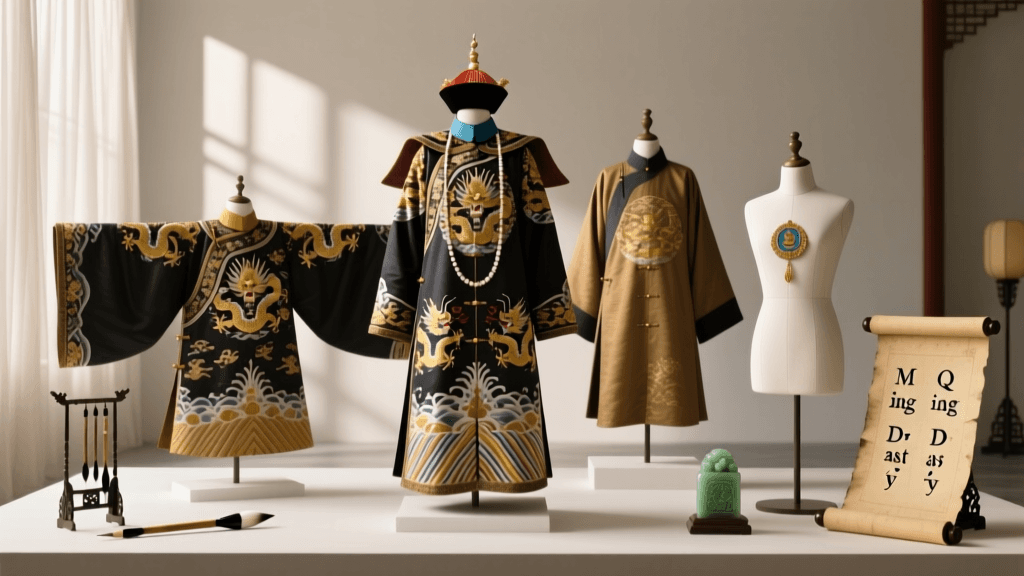
- Avoid Heavy Brocades: Unless you are attending a specific evening banquet, leave the heavy, wire-stiffened Ming dynasty collars and thick brocade jackets at home. They consume too much luggage space and require professional pressing.
The Art of Packing: Wrinkle-Free Hanfu Techniques
Packing Hanfu is fundamentally different from packing Western clothing. The structural integrity of pleats and the length of flowing sleeves demand specialized folding methods.
The Accordion Fold for Mamianqun
The Mamianqun is defined by its sharp, structured pleats. To pack it without destroying the pleat lines, lay the skirt flat on a clean surface. Align the front and back panels perfectly. Instead of rolling, fold the skirt along its existing pleat lines in an accordion style. Once folded into a long rectangle, place tissue paper between the folds to reduce friction, then roll the rectangle gently from the hem to the waistband. Secure it with a silk ribbon or place it inside a dedicated cylindrical packing tube.
The Bundle Wrap for Tops and Jackets
For upper garments like the Ru (jacket) or Beizi, use the bundle wrapping technique. Lay the garment flat, fold the sleeves inward so they do not extend past the torso, and place a soft core (like a rolled-up t-shirt or a dedicated packing sphere) in the center. Wrap the garment around the core. This prevents hard creases from forming across the chest and shoulders, ensuring your silk collars remain pristine upon arrival.
The Ultimate 2026 Hanfu Travel Kit
To ensure your garments remain camera-ready throughout your trip, your luggage must include a specialized maintenance kit. Below is the essential gear recommended for the 2026 travel season.
| Item | Purpose | 2026 Travel Recommendation |
|---|---|---|
| Collapsible Steamer | Removing transit wrinkles from silk and chiffon | Dual-voltage (100-240V) silicone collapsible steamer with a brush attachment |
| Anti-Static Spray | Preventing skirts from clinging to legs in dry climates | Travel-sized botanical anti-static mist (alcohol-free to protect dyes) |
| Velvet Hairpin Roll | Protecting delicate buyao and zanzan from bending | Padded velvet roll with individual elastic loops and a hard-shell exterior |
| Skirt Clips / Suspenders | Keeping heavy skirts secure during long walking tours | Hidden elastic waist clips with silicone grips (prevents metal rust on silk) |
| Double-Sided Tape | Securing overlapping collars against wind | Fabric-safe, hypoallergenic fashion tape strips |
Top Hanfu-Friendly Destinations for 2026
Choosing the right destination can elevate your Hanfu experience from a simple photo shoot to a profound cultural immersion. Here are the top three locations embracing traditional garment tourism this year.
1. Luoyang, China: The Undisputed Hanfu Capital
Luoyang has fully cemented its status as the global epicenter for Hanfu tourism. Walking through the historic streets of Lijing Gate or the ancient alleyways of Luoyi, you will find that locals and tourists alike are dressed in sweeping Tang and Song dynasty attire. According to Lonely Planet's Luoyang guide, the city has heavily invested in heritage tourism infrastructure, offering dedicated Hanfu rental shops, traditional makeup studios, and historically accurate dining experiences. The 2026 Luoyang Peony Festival in April is the premier event for travelers, featuring massive night-time parades where thousands of participants illuminate the streets with traditional lanterns and flowing silk garments.
2. Kyoto, Japan: Cross-Cultural Elegance
While Kyoto is famous for the Kimono, the city's historic districts provide a breathtaking backdrop for Ming dynasty-style Hanfu. The architectural harmony of wooden machiya houses, stone-paved paths in Higashiyama, and the iconic torii gates create a serene atmosphere that complements the structured elegance of the Mamianqun and Aoqun. The Japan National Tourism Organization notes that Kyoto's temples, such as Shoren-in and Daikaku-ji, are particularly accommodating to international visitors engaging in respectful, traditional dress photography. Travelers are advised to visit early in the morning (around 6:30 AM) to avoid the heavy crowds and capture the best light filtering through the bamboo groves of Arashiyama.
3. Gyeongju, South Korea: Historical Harmony
Gyeongju, often referred to as a museum without walls, offers a unique environment where the aesthetics of Chinese Hanfu and Korean Hanbok share historical roots. The Silla dynasty architecture and the tranquil grounds of the Bulguksa Temple, recognized by the UNESCO World Heritage Centre, provide a majestic setting for Wei and Jin dynasty-style Hanfu, which features wide sleeves and a relaxed, flowing silhouette. The Woljeonggyo Bridge at dusk is a highly sought-after location for photographers, offering stunning reflections of traditional garments against the illuminated wooden pavilions.
Navigating Airports and Security Checks
Traveling in full Hanfu through modern transit hubs presents unique logistical challenges, particularly regarding airport security. Traditional Hanfu accessories often feature intricate metalwork. Hairpins like the buyao (step-shake pins) and elaborate metal crowns will inevitably trigger metal detectors.
Pro-Tip for 2026 Travelers: Do not wear metal-heavy hair accessories through security. Instead, pack them in your velvet hairpin roll and place them in your carry-on bag. If you choose to wear Hanfu on the plane for a seamless arrival experience, opt for a simplified Xin Zhongshi travel set. These modern adaptations often feature hidden elastic waistbands, machine-washable fabrics, and magnetic closures instead of traditional ties, making them significantly more comfortable for long-haul flights while retaining the visual essence of the garments.
On-the-Road Garment Care and Photography
Maintaining your Hanfu in a hotel room requires a gentle touch. Never use a standard hotel iron directly on silk or synthetic chiffon, as the temperature controls are often inaccurate and can melt the fibers. Always use your portable steamer, holding it at least two inches away from the fabric. For stubborn creases on cotton-linen blends, hang the garment in the bathroom while you take a hot shower; the ambient steam will naturally release the wrinkles.
"The key to authentic Hanfu travel photography in 2026 is movement. Modern fabrics are designed to catch the wind. Utilize the natural environment—let the sleeves billow on a mountain peak or allow the pleats of the Mamianqun to fan out as you walk across a stone bridge."
Ultimately, traveling with Hanfu is about embracing a slower, more intentional form of tourism. It requires patience to dress, care for the garments, and pose mindfully. But the reward is a deeply personal connection to the rich tapestry of Asian history, captured beautifully through your journey. Whether you are wandering the ancient capitals of China or the tranquil temples of Japan, your Hanfu will serve as a bridge between the past and the present, making your 2026 travels truly unforgettable.