Kimono Fabric Weight Seasonality and Care Calendar Guide
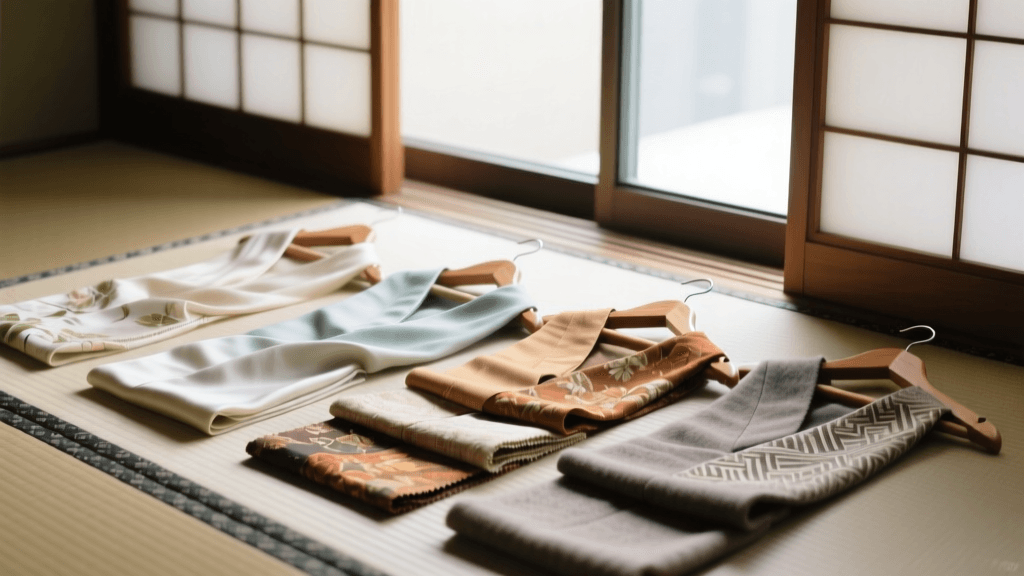
The Philosophy of Koromogae and Textile Seasonality
In the intricate world of traditional Japanese clothing, the concept of seasonality extends far beyond mere color palettes and embroidered motifs. It is deeply embedded in the physical structure, weight, and weave of the textiles themselves. The practice of koromogae (the seasonal changing of the wardrobe) is a centuries-old tradition that dictates not only when certain garments are worn but also how they must be maintained throughout the year. According to cultural archives documented by the Victoria and Albert Museum, the Japanese sartorial calendar is a meticulous dance between aesthetics, climate, and social etiquette, requiring a profound understanding of textile weights and fabric care.
For modern collectors, practitioners, and enthusiasts of Asian traditions, understanding the intersection of textile weight and seasonal wear is crucial. Wearing a heavy, lined silk kimono in the humid peak of August is not only physically uncomfortable but considered a breach of traditional etiquette. Conversely, wearing a sheer, unlined gauze kimono in November signals a disregard for the changing seasons. This guide explores the precise metrics of kimono fabrics and provides a comprehensive annual care calendar to preserve these exquisite garments for generations.
Understanding Momme: The Metric of Silk
Before diving into the seasonal calendar, one must understand how kimono fabrics are measured. Unlike Western textiles, which are often measured in thread count or ounces per square yard, traditional Japanese silk is measured in momme (pronounced moh-meh). One momme is equivalent to 3.75 grams per square meter. The momme weight dictates the drape, opacity, and thermal properties of the kimono.
- Lightweight (8-12 momme): Sheer, breathable, and highly translucent. Used exclusively for high-summer garments.
- Midweight (12-16 momme): Opaque but fluid. Ideal for transitional seasons and unlined garments.
- Heavyweight (16-24+ momme): Dense, structured, and warm. Reserved for winter wear, formal crested garments, and heavily lined pieces.
The Encyclopædia Britannica notes that the structural integrity of these silks, particularly complex weaves like tango chirimen (silk crepe), relies heavily on proper tension and weight distribution, making seasonal rotation and proper storage vital to preventing permanent creasing or fiber degradation.
The Four Seasons of Kimono Fabrics
Awase (Lined) - Winter and Spring
From October 1st through May 31st, the standard garment is the awase, a fully lined kimono. The outer layer is typically a mid-to-heavyweight silk crepe (16-20 momme), while the lining is usually a lighter, smooth habutai silk (8-10 momme) to reduce friction against the undergarments. The lining not only provides warmth but also gives the kimono its distinctive, structured drape. During the coldest months (January and February), wearers may add a hanten (padded jacket) or utilize wool-blend linings for extra insulation.
Hitoe (Unlined) - Early Summer and Early Autumn
The months of June and September are transitional, characterized by fluctuating temperatures and high humidity. During this time, the wardrobe shifts to the hitoe, an unlined kimono made from a single layer of midweight silk (12-16 momme). Because there is no lining, the interior seams are meticulously finished with decorative stitching and silk binding. Hitoe garments often feature cooling visual motifs, such as flowing water, bamboo, or autumn grasses, to provide psychological relief from the lingering heat.
Ro and Sha (Gauze) - High Summer
July and August demand the lightest textiles in the Japanese wardrobe. Garments are woven using ro (leno weave with horizontal stripes of open gaps) or sha (a thinner, more uniform gauze). These fabrics are incredibly lightweight (8-12 momme) and highly porous, allowing air to circulate directly against the skin. Because they are sheer, the undergarments (nagajuban) worn beneath a summer kimono are also made of sheer ro or sha, and often feature vibrant, visible patterns meant to be seen through the outer layer.
Kimono Fabric Weight and Seasonality Chart
| Season | Garment Type | Primary Weave / Fabric | Weight (Momme) | Months Worn |
|---|---|---|---|---|
| Winter / Spring | Awase (Lined) | Chirimen (Crepe), Tsumugi, Rinzu | 16 - 22 | October - May |
| Early Summer | Hitoe (Unlined) | Chirimen, Komon, Tsumugi | 12 - 16 | June |
| High Summer | Usugoromo / Natsugoromo | Ro, Sha, Hemp, Linen | 8 - 12 | July - August |
| Early Autumn | Hitoe (Unlined) | Chirimen, Omeshi | 12 - 16 | September |
The Annual Kimono Care and Maintenance Calendar
Proper maintenance of silk kimono is dictated by the Japanese climate, particularly the avoidance of the tsuyu (rainy season) and the peak humidity of late summer. The cornerstone of kimono preservation is mushiboshi (airing out), a bi-annual ritual designed to prevent mold, mites, and permanent fold lines.
Haru no Mushiboshi (Spring Airing)
Timing: Late April to Mid-May.
Objective: To air out winter garments before storing them for the summer, and to check autumn garments before the rainy season begins.
Actionable Steps:
- Choose a dry, breezy day with low humidity (below 50%). Avoid direct sunlight, which causes silk dyes to fade rapidly.
- Remove garments from the tansu (traditional chest of drawers) and unfold them completely.
- Hang the kimono on specialized bamboo poles or wide, padded hangers in a shaded, well-ventilated room.
- Use a soft-bristled garment brush to gently sweep away dust from the crests and hem.
- Inspect for shimi (stains) or mold spots. If found, mark them with a loose thread for professional cleaning before long-term storage.
Aki no Mushiboshi (Autumn Airing)
Timing: Late October to Mid-November.
Objective: To air out summer garments before winter storage, and to prepare winter awase kimono for the upcoming wearing season.
Actionable Steps:
- Follow the same hanging and brushing protocols as the spring airing.
- Check the condition of the tatoushi (the specialized acid-free paper used to wrap kimono). Replace any paper that feels damp or shows signs of yellowing.
- Refresh the desiccants and natural moth repellents (such as camphor or cedar blocks) inside the tansu drawers.
Professional Cleaning, Storage, and Costs
Unlike Western garments, traditional silk kimono are rarely washed at home. The construction of the kimono—featuring long, continuous seams and delicate hand-painted dyes—requires specialized care. The Japan National Tourism Organization highlights that preserving traditional crafts includes supporting the specialized artisans who maintain these garments.
Cleaning Methods and Estimated Costs
- Shiminuki (Spot Cleaning): For isolated stains from food, sweat, or mud. Artisans use specialized solvents and steam. Cost: $15 - $35 USD per stain.
- Maruarai (Full Wash): A complete, gentle submersion wash using mild, silk-safe detergents, followed by re-starching and precision ironing to restore the fabric's tension. Cost: $80 - $150 USD.
- Shinshitate (Re-tailoring): If a kimono has severe mold, deep set-in stains, or requires resizing, it is completely unstitched, washed as flat bolts of fabric (arai-hari), and sewn back together. Cost: $250 - $400+ USD.
Storage Essentials
Never store silk kimono in plastic bags, as trapped moisture will inevitably lead to mold. Instead, invest in proper storage materials:
- Tatoushi (Storage Paper): Specially treated, acid-free paper that allows the silk to breathe while protecting it from dust and light. ($5 - $12 USD per sheet).
- Kiribako (Paulownia Wood Boxes): Paulownia wood naturally regulates humidity and repels insects, making it the gold standard for long-term kimono storage. ($100 - $300+ USD).
- ShouNou (Camphor): Natural moth deterrents placed in the corners of the storage box. Avoid direct contact with the silk to prevent chemical burns on the dye. ($10 USD per box).
Conclusion
Mastering the seasonality and care of kimono fabrics is a rewarding endeavor that deepens one's connection to Asian traditions. By respecting the koromogae and adhering to a strict bi-annual care calendar, collectors and wearers ensure that these masterpieces of textile engineering remain vibrant, structurally sound, and culturally relevant. Whether you are draping a heavy 20-momme crepe in the crisp air of November or a sheer 8-momme ro in the height of August, understanding the weight and weave of your garment is the key to authentic and elegant Japanese dress.