Xin Zhongshi Wardrobe 2026: Mamian Skirts & Modern Jackets Guide
The Evolution of Xin Zhongshi in 2026
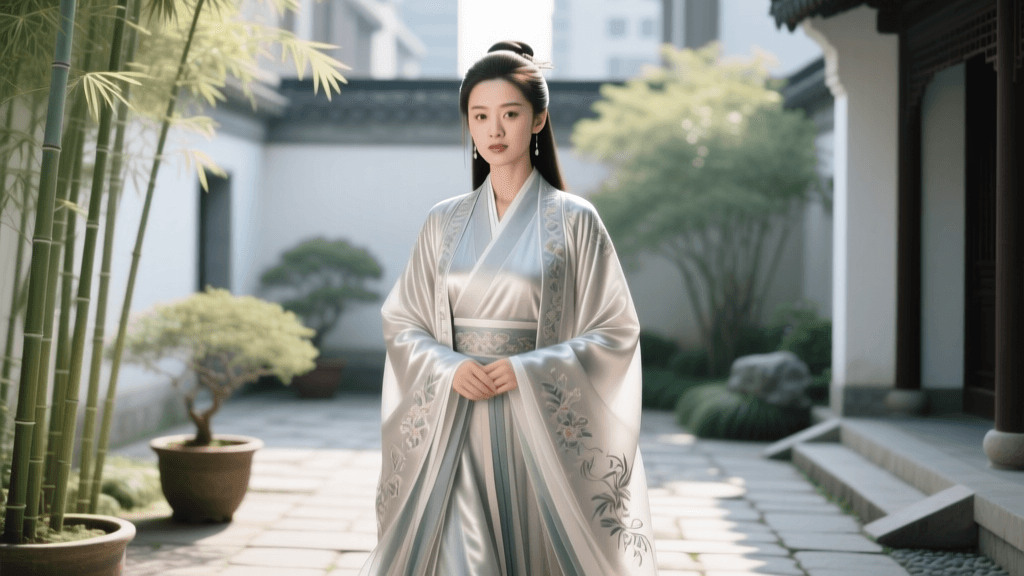
The Xin Zhongshi (新中式), or New Chinese Style, movement has fundamentally transformed how the world interacts with traditional Asian garments. What began as a niche appreciation for historical Hanfu has evolved into a sophisticated, globally recognized fashion category by 2026. Unlike strict historical reenactment, Xin Zhongshi focuses on the seamless integration of traditional Chinese aesthetics—such as Mandarin collars, Pan Kou (frog knots), and classical silhouettes—into modern, everyday wearability. According to market analyses featured on Jing Daily, the domestic and international demand for New Chinese Style apparel has surged, driven by a younger demographic seeking cultural rootedness without sacrificing contemporary convenience. This deep dive explores how to curate a versatile, high-quality Xin Zhongshi capsule wardrobe for 2026, focusing on the iconic Mamian skirt, modified historical jackets, and cutting-edge fabric innovations.
Core Components of a Xin Zhongshi Capsule Wardrobe
The Modernized Mamian Skirt (Horse-Face Skirt)
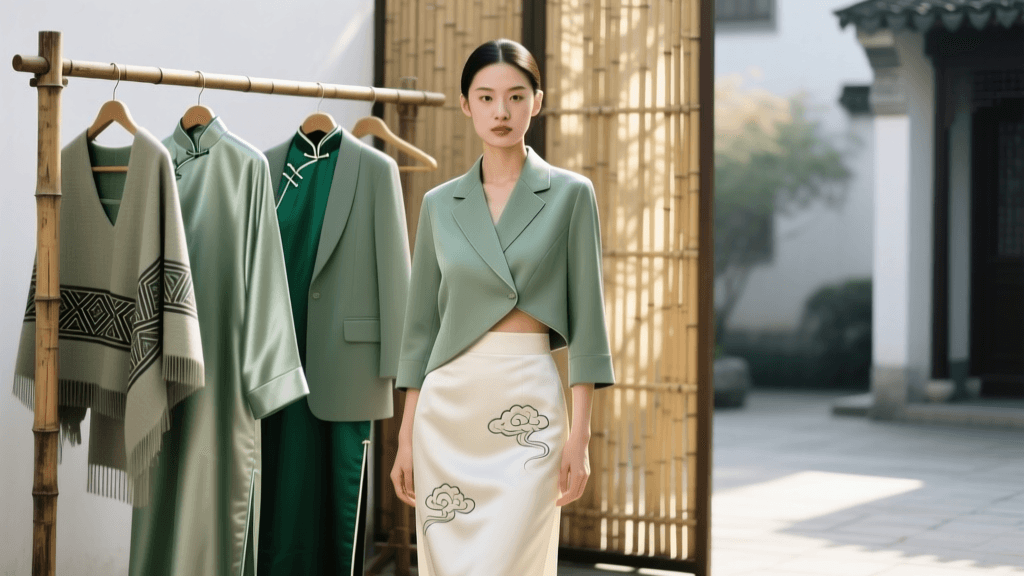
The Mamian skirt, originating from the Song and Ming dynasties, remains the undisputed centerpiece of the Xin Zhongshi wardrobe. Characterized by its flat front and back panels (the "horse faces") and intricately pleated sides, the traditional version was often heavy and floor-sweeping. In 2026, designers have re-engineered the Mamian skirt for the modern professional. Contemporary adaptations feature hidden elasticized waistbands, lightweight tech-silk blends, and adjustable lengths that hit just below the calf or at the mid-ankle, making them appropriate for office environments and casual outings alike. When commissioning or purchasing a modern Mamian skirt, look for a pleat depth of exactly 3.5 to 4 centimeters; this specific measurement ensures the pleats lay flat against the body while walking, preventing the "ballooning" effect common in cheaper, mass-produced variants. The flat panels often feature subtle, tone-on-tone jacquard weaves depicting modernized auspicious motifs, such as geometric clouds or abstract lotus patterns, rather than the heavy, metallic dragon weaves of the past.
Modified Ming Dynasty Jackets and the Pan Kou Blouse
Historically, the Aoqun (jacket and skirt) ensemble featured voluminous, long-sleeved jackets that extended past the hips. The 2026 Xin Zhongshi iteration crops the jacket to the natural waist or high hip, creating a silhouette that elongates the legs and pairs perfectly with high-waisted Mamian skirts or modern wide-leg trousers. The Mandarin collar (Yuanling) has been lowered from a rigid 5 centimeters to a more comfortable 2.5 centimeters, often lined with soft, breathable cotton to prevent neck irritation. The defining feature of these jackets is the Pan Kou, or frog knot. While traditionally used as functional fasteners, modern Xin Zhongshi designs frequently utilize hidden magnetic snaps or invisible zippers for closure, treating the Pan Kou purely as an ornamental element. Artisans in 2026 are crafting these knots from sustainable vegan leather, braided silk, and even recycled metallic threads, allowing for a striking contrast against matte silk or linen bases.
Fabric Innovations: Xiangyunsha and Tech-Brocades
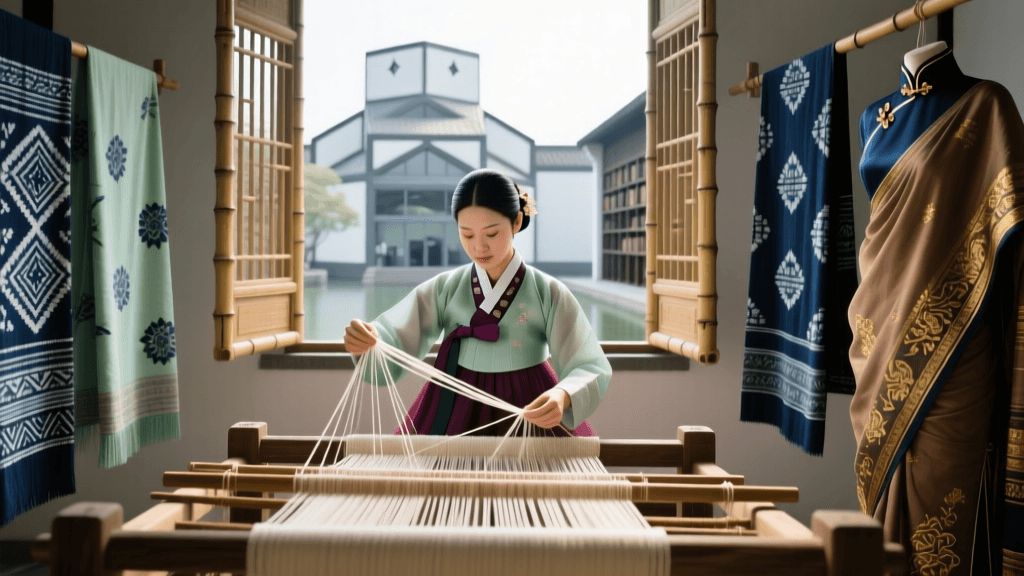
The textile landscape of Xin Zhongshi has seen remarkable technological and sustainable advancements. Xiangyunsha, the revered "mud silk" from Guangdong province, has historically been prized for its cooling properties and distinctive crackled texture. However, traditional Xiangyunsha was notoriously difficult to care for and lacked drape. In 2026, textile engineers have successfully blended Xiangyunsha dyeing techniques with Tencel and cupro fibers. The result is a fabric that retains the antimicrobial, sweat-wicking properties of river-mud-dyed silk but offers the fluid drape and machine-washability required for modern life. Furthermore, the China National Silk Museum has been instrumental in promoting these heritage-meets-tech textiles, ensuring that ancient dyeing methods using Dioscorea cirrhosa (薯莨) yam juice are preserved while adapting to modern ecological standards. For evening wear, tech-brocades have replaced stiff, wire-like traditional zhuanghua brocades. These new jacquard weaves incorporate micro-filament polyester and silk, offering a luxurious sheen and structural volume that resists wrinkling and crushing, even after hours of sitting.
Comparison: Traditional Hanfu vs. 2026 Xin Zhongshi
To understand the practical value of the New Chinese Style, it is helpful to compare it directly with its historical predecessors. The following table outlines the key differences in structure, fabric, and market positioning for 2026.
| Garment Feature | Traditional Hanfu (Ming Dynasty Revival) | 2026 Xin Zhongshi Adaptation |
|---|---|---|
| Skirt Silhouette | Floor-length, heavy cotton/silk, tied waist | Mid-calf, lightweight tech-blends, elastic/hook waist |
| Jacket Length | Long, covering the hips and upper thighs | Cropped to natural waist or high-hip for proportion |
| Collar Structure | High, stiff Mandarin collars (up to 6cm) | Lowered, soft-lined stand collars (2cm - 3cm) |
| Fastenings | Functional fabric ties and complex knotting | Hidden magnets/zippers; decorative Pan Kou knots |
| Average Price (USD) | $150 - $400+ (Specialty boutiques) | $80 - $250 (Accessible designer and high-street) |
| Maintenance | Dry clean only, delicate hand-pressing | Machine washable (gentle), steam-friendly |
Styling Scenarios for the Modern Wardrobe
One of the greatest strengths of Xin Zhongshi is its modularity. Building a capsule wardrobe means selecting pieces that can transition across various aspects of your life. For the corporate office, pair a solid, ink-wash grey Mamian skirt with a crisp, white poplin button-down shirt. Tuck the shirt in and add a minimalist leather belt; the juxtaposition of Western tailoring with the architectural pleats of the skirt creates a powerful, authoritative look. For weekend casual wear, a short-sleeved, celadon-green Pan Kou blouse crafted from breathable linen blends effortlessly with high-waisted denim jeans and white leather sneakers. The subtle frog knots provide a distinct cultural nod without appearing costumey. Evening events call for a modified Song dynasty Beizi (a long, open-front coat) worn over a simple silk slip dress. The 2026 color palette heavily favors muted, nature-inspired tones: celadon, cinnabar, bamboo yellow, and deep indigo, moving away from the overly bright reds and golds that dominated early New Chinese Style iterations.
Care, Maintenance, and Storage Guidelines
Despite the advancements in textile technology, Xin Zhongshi garments still require mindful maintenance to preserve their structural integrity and visual appeal. When washing blended Xiangyunsha or tech-brocades, always use a pH-neutral detergent and wash on a cold, delicate cycle inside a mesh laundry bag to protect the delicate Pan Kou knots from snagging. Never wring out a Mamian skirt; instead, gently press out excess water and hang it on a padded hanger to air dry. The weight of the water will naturally pull the pleats into their correct alignment. For storage, avoid wire hangers, which will distort the shoulder lines of modified jackets. Instead, use wide, velvet-lined hangers. If you are storing heavily structured brocade jackets for the off-season, stuff the sleeves with acid-free tissue paper to maintain their shape, and store them in breathable cotton garment bags. As noted by textile conservation experts at The Metropolitan Museum of Art's Asian Textile Collection, maintaining a stable humidity level (around 50%) is crucial for preserving the integrity of natural silk proteins and preventing the metallic threads in modern brocades from tarnishing or oxidizing over time.
Conclusion
The Xin Zhongshi movement in 2026 represents a mature, thoughtful approach to cultural fashion. It is no longer about simply wearing history; it is about translating the philosophy, aesthetics, and craftsmanship of traditional Chinese garments into a vocabulary that speaks to the modern global citizen. By investing in a well-tailored Mamian skirt, a thoughtfully modified jacket, and embracing innovative, sustainable fabrics, you can build a capsule wardrobe that is as deeply rooted in heritage as it is perfectly suited for the demands of contemporary life. Whether you are navigating a bustling city center or attending a formal evening gathering, the New Chinese Style offers an elegant, unique, and profoundly meaningful way to present yourself to the world.