2026 Xin Zhongshi Wardrobe: Song Brocade Jackets & Mamian Skirts
The Evolution of Xin Zhongshi in 2026
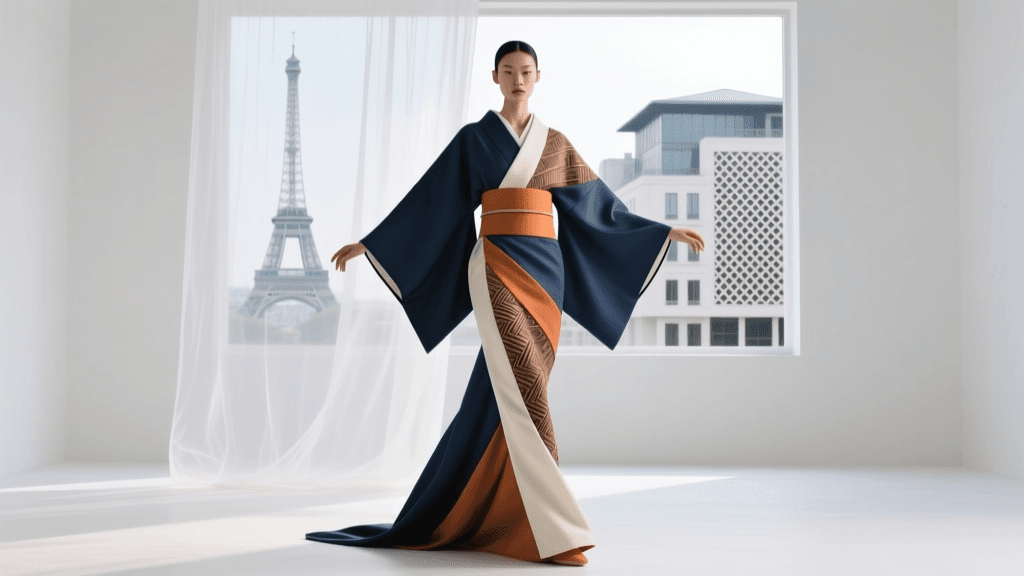
The Xin Zhongshi (新中式), or New Chinese Style, movement has fundamentally transitioned from a niche internet trend into a dominant pillar of global Asian fashion. As we navigate 2026, the aesthetic has matured significantly. It is no longer about head-to-toe historical reproduction or costume-like garments reserved for festivals. Instead, contemporary Xin Zhongshi is defined by seamless integration into modern urban life, prioritizing sophisticated tailoring, innovative textile technology, and subtle cultural signifiers. For the modern wardrobe, this means blending ancient weaving techniques with contemporary silhouettes that accommodate commuting, office environments, and international travel.
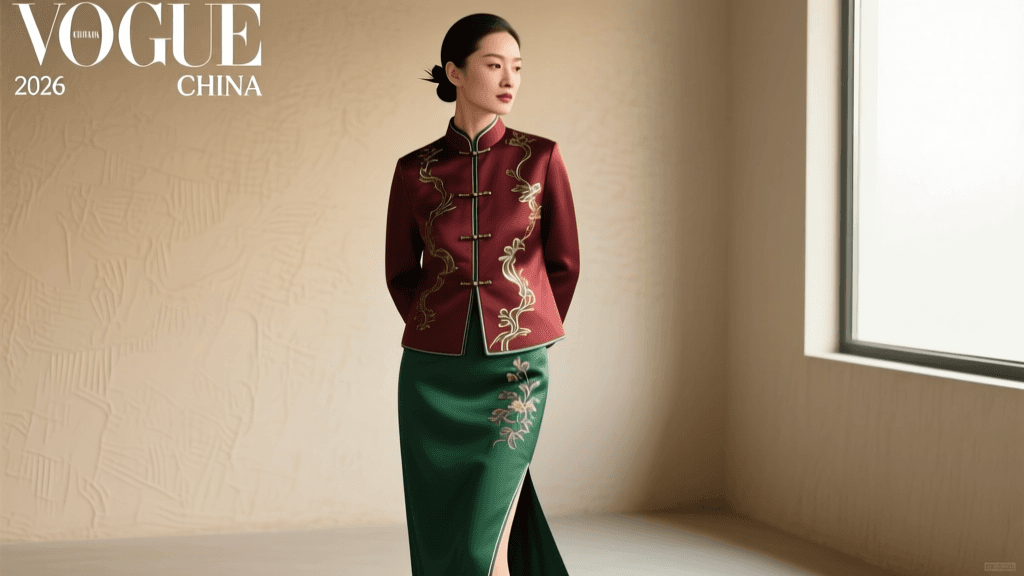
At the heart of this 2026 evolution are two foundational garments: the modernized Song brocade jacket and the commuter-ready Mamian (horse-face) skirt. Together, they form the cornerstone of a versatile capsule wardrobe that honors Asian traditions while embracing the practical demands of the present day. This deep dive explores how to curate, style, and maintain these essential pieces in the current fashion landscape.
The Philosophy of Xin Zhongshi: The 80/20 Rule
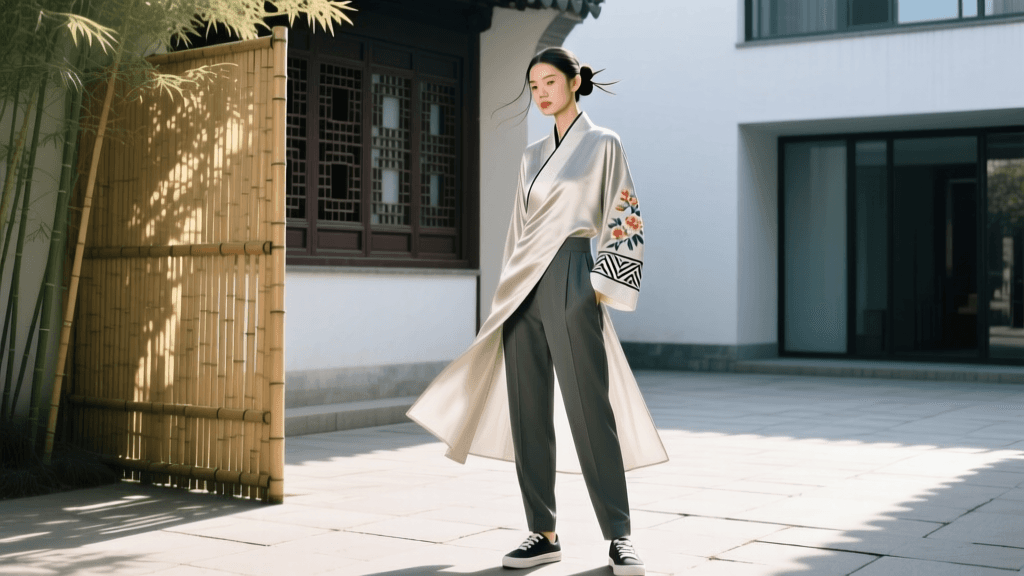
Before investing in specific garments, it is crucial to understand the core styling philosophy of Xin Zhongshi in 2026: the 80/20 rule. Unlike the strict Hanfu movement, which often demands historical accuracy from head to toe, Xin Zhongshi thrives on contrast. The most elegant outfits typically feature either 80% modern basics with 20% traditional statement pieces, or vice versa. A heavily embroidered Song brocade jacket is best grounded by a pair of tailored, wide-leg wool trousers. Conversely, a voluminous, pleated Mamian skirt is perfectly balanced by a sleek, minimalist cashmere turtleneck. This tension between the ancient and the avant-garde is what gives the style its modern edge.
Core Garment 1: The Modern Song Brocade Jacket
Song brocade (Song Jin) originated during the Song Dynasty and is celebrated for its subtle, elegant patterns, soft drape, and understated color palettes. Historically used for scholar's robes and mounting scroll paintings, it is one of the most refined textiles in Chinese history. The traditional silk craftsmanship and sericulture techniques recognized by UNESCO remain the foundation of this fabric, but 2026 has introduced remarkable functional updates.
2026 Textile Innovations
Today's premium Song brocade jackets are rarely 100% fragile mulberry silk. Leading contemporary brands are utilizing a 60/40 blend of silk and Tencel or high-grade cupro. This innovation provides the signature luster and drape of traditional brocade while introducing machine-washability, wrinkle resistance, and a more accessible price point ranging from $120 to $280 USD. Furthermore, 2026 collections feature nano-coated finishes that repel water and oil stains, making these luxurious jackets viable for daily cafe visits and dinners.
Silhouette and Hardware
The modern Song brocade jacket abandons the restrictive, tight-fitting cuts of the mid-20th century in favor of relaxed, drop-shoulder silhouettes. Cropped lengths that hit precisely at the high hip are currently dominating the market, designed to elongate the legs when paired with high-waisted bottoms. While traditional pankou (knotted buttons) are still present, they are often used purely as decorative elements on the collar or cuffs, with hidden magnetic closures or discreet snap buttons serving as the actual fasteners for ease of wear.
Core Garment 2: The Commuter-Ready Mamian Skirt
The Mamian skirt, characterized by its flat front and back panels flanked by intricate side pleats, is a masterpiece of Ming Dynasty engineering. As documented in the historical archives of institutions like the Metropolitan Museum of Art, these skirts were originally designed to facilitate horseback riding while maintaining a dignified, structured appearance when standing. In 2026, the Mamian skirt has been re-engineered for the urban commuter.
Structural Modifications for Modern Life
The most significant update to the 2026 Mamian skirt is the implementation of memory-pleat technology. Using advanced heat-setting techniques on synthetic-silk blends, manufacturers have created pleats that will not fall out even after being sat on during a long commute or a flight. Additionally, the traditional flat waistband, which often required complex tying and could dig into the torso, has been replaced with hidden elasticized back panels and discreet side-zippers.
Weight reduction is another key factor. While winter Mamian skirts still utilize heavy jacquard weaves, the spring and summer iterations are crafted from crepe de chine and lightweight chiffon, reducing the garment's weight by nearly half. Crucially, 2026 designs have finally integrated deep, invisible side-seam pockets, addressing the number one complaint of modern skirt-wearers.
The 2026 Xin Zhongshi Capsule Wardrobe Matrix
To build a cohesive wardrobe, one must understand how these traditional elements interact with modern staples. Below is a structured matrix for a 5-piece Xin Zhongshi capsule.
| Garment | Traditional Root | 2026 Modern Modification | Ideal Styling Pairing |
|---|---|---|---|
| Cropped Song Brocade Jacket | Song Dynasty scholar's outerwear | Drop-shoulder, hidden magnetic closures, Tencel-silk blend | High-waisted wide-leg wool trousers and a fitted ribbed tank |
| Midi Mamian Skirt | Ming Dynasty horse-face skirt | Memory-pleats, hidden side pockets, elasticized back waist | Oversized crisp white poplin button-down shirt tucked in |
| Mandarin Collar Knit Polo | Qing Dynasty standing collar (Liling) | Seamless merino wool knit, mock-wrap front, ribbed cuffs | Tailored midi slip skirt or dark wash straight-leg denim |
| Bamboo-Weave Structured Tote | Traditional Jiangnan bamboo crafting | Reinforced leather base, water-resistant interior lining, brass hardware | Monochromatic linen co-ord sets or minimalist trench coats |
| Jade and Titanium Pendant | Ancient jade carving and knotting | Geometric jade cuts set in aerospace-grade titanium, adjustable chains | Worn over a solid black silk blouse or a cashmere sweater |
Color Palettes: Moving Beyond Crimson and Gold
While international perceptions of Chinese fashion often default to bright crimson and metallic gold, the authentic Xin Zhongshi palette is far more nuanced. Drawing inspiration from traditional Chinese mineral pigments and the natural landscapes depicted in Song Dynasty ink wash paintings, the 2026 color trends focus on muted, earthy, and atmospheric tones.
- Celadon Green (Qingci): A pale, greyish-green that mimics the glaze of ancient Longquan celadon pottery. It acts as a sophisticated neutral that pairs beautifully with charcoal and cream.
- Lotus Root Pink (Ouhe): A dusty, muted mauve-pink that is far more wearable than bright magenta. It complements a wide variety of skin tones and works exceptionally well in silk and satin.
- Ink Wash Grey (Shuimo): A gradient or marbled grey that replicates the effect of black ink dispersing in water. This is the dominant color for modern Mamian skirts, offering a softer alternative to stark black.
- Amber Tea (Chapo): A warm, translucent brownish-orange that evokes the color of aged Pu'er tea. It is highly prevalent in autumn knitwear and leather accessories.
Footwear and Contemporary Accessories
The quickest way to derail a Xin Zhongshi outfit is to pair it with overly literal, costume-like accessories. In 2026, the goal is subtle elevation. For footwear, abandon the traditional embroidered cloth shoes. Instead, opt for square-toe leather loafers, sleek Chelsea boots, or minimalist white leather sneakers. The juxtaposition of a flowing, pleated Mamian skirt with a structured, chunky leather loafer creates a dynamic, fashion-forward silhouette that anchors the traditional elements in reality.
When it comes to accessories, look to the Victoria and Albert Museum's Asian collections for inspiration on how historical artifacts can be reinterpreted. Modern jewelers are taking traditional motifs—such as the ruyi cloud, the bamboo leaf, and the koi fish—and casting them in brushed silver, matte gold, and titanium. A single, sculptural metal cuff or a pair of geometric jade-drop earrings is all that is needed to complete the look without overwhelming the garments.
Advanced Garment Care and Storage
Investing in Xin Zhongshi pieces requires a commitment to proper maintenance, particularly when dealing with blended silks and structured pleats. The care protocols for 2026 garments leverage modern technology to preserve ancient textiles.
Steaming and Wrinkle Removal
Never use a traditional flat iron on a Song brocade jacket or a Mamian skirt. The direct heat and pressure will flatten the intricate weaves and permanently crush the side pleats. Instead, invest in a high-quality smart garment steamer with a dedicated silk-plate attachment. When steaming a Mamian skirt, hang it from a specialized multi-clip hanger that grips the waistband evenly, allowing the weight of the fabric to pull the pleats taut while the steam relaxes the fibers.
Washing and Dry Cleaning
While some 2026 Tencel-silk blends are marketed as machine washable, hand washing in cold water with a pH-neutral silk detergent remains the gold standard for longevity. If you must machine wash, place the garment in a fine-mesh laundry bag and use the 'delicate' or 'silk' cycle with a low spin speed. For heavily structured Mamian skirts with metallic thread embroidery, professional dry cleaning is still mandatory. Always point out the metallic threads to the cleaner, as harsh chemical solvents can strip the plating from modern imitation-gold yarns.
Off-Season Storage
Protein-based fibers like silk are highly susceptible to moisture and pests. Store your Song brocade jackets in breathable, cotton garment bags—never plastic, which traps humidity and causes yellowing. Place natural cedar wood blocks or dried lavender sachets in the wardrobe to deter moths without introducing the harsh chemicals found in synthetic mothballs, which can permanently alter the scent and color of delicate Asian textiles.
Conclusion
The Xin Zhongshi movement of 2026 represents a triumph of cultural continuity. By respecting the foundational architecture of garments like the Song brocade jacket and the Mamian skirt, while aggressively updating their functionality for the modern world, this style offers a profound way to wear one's heritage. Building a capsule wardrobe around these pieces is not merely a fashion choice; it is an ongoing dialogue between the master artisans of the past and the dynamic, fast-paced reality of the present. Through mindful styling, an understanding of historical context, and proper garment care, the New Chinese Style becomes a timeless, living tradition.