Kimono Silhouettes on 2026 Runways: Paris & Milan Fashion Trends

The Resurgence of the Kimono Silhouette in 2026 Haute Couture
The global fashion calendar for 2026 has witnessed a profound structural shift, decisively moving past the superficial 'Japonisme' of the early 2010s, where cherry blossom prints and cheap satin robes were passed off as homages. Today, the world's most prestigious fashion houses in Paris, Milan, and Tokyo are engaging with the kimono on a deeply structural and artisanal level. The Spring/Summer and Fall/Winter 2026 collections reveal a fascination with the garment's geometry, its zero-waste cutting techniques, and its profound relationship with the human body.
Unlike Western tailoring, which relies on darts, curved seams, and padding to force fabric to conform to the body's contours, the traditional kimono is constructed from straight bolts of fabric known as tanmono. This creates a T-shaped silhouette that drapes, folds, and moves dynamically with the wearer. In 2026, avant-garde designers and heritage houses alike are adopting this philosophy, resulting in runway pieces that prioritize fluidity, modularity, and architectural volume over rigid constraint.
According to the foundational research presented in the Victoria and Albert Museum's landmark 'Kimono: Kyoto to Catwalk' exhibition, the kimono has always been a global garment, influencing European fashion since the 17th century. However, the 2026 runway season marks a distinct pivot toward ethical collaboration and structural reverence, moving away from cultural appropriation and toward genuine artisanal partnerships with Japanese textile masters.
Key Kimono Elements Dominating Paris and Milan Fashion Weeks
The Deconstructed Obi and Corsetry
Historically, the obi is a wide, stiff sash that secures the kimono and serves as the focal point of the ensemble. On the 2026 runways, the obi has been reimagined through the lens of modern corsetry and utility wear. Designers are presenting wide, structured cummerbunds crafted from stiffened silk brocade and vegan bio-leathers, featuring hidden magnetic closures rather than traditional knotting. These modern obi belts are being styled over fluid slip dresses and oversized blazers, creating a striking contrast between rigid structure and flowing fabric.
Nishijin-Ori and Yuzen Dyeing in Modern Textiles
Textile innovation is at the heart of the 2026 Asian traditions revival. Nishijin-ori, the highly complex, multi-layered brocade weaving technique originating in Kyoto, is being integrated into structured outerwear. Rather than using these heavy, opulent textiles for traditional formalwear, 2026 collections feature Nishijin-ori on cropped bomber jackets and asymmetrical trench coats. Meanwhile, Yuzen resist-dyeing is being applied to ultra-lightweight tech-silks and recycled organzas, allowing the intricate, hand-painted motifs of cranes, pine, and flowing water to take on a ghostly, futuristic translucence on the runway.
The T-Shaped Drape and Wide Sleeves
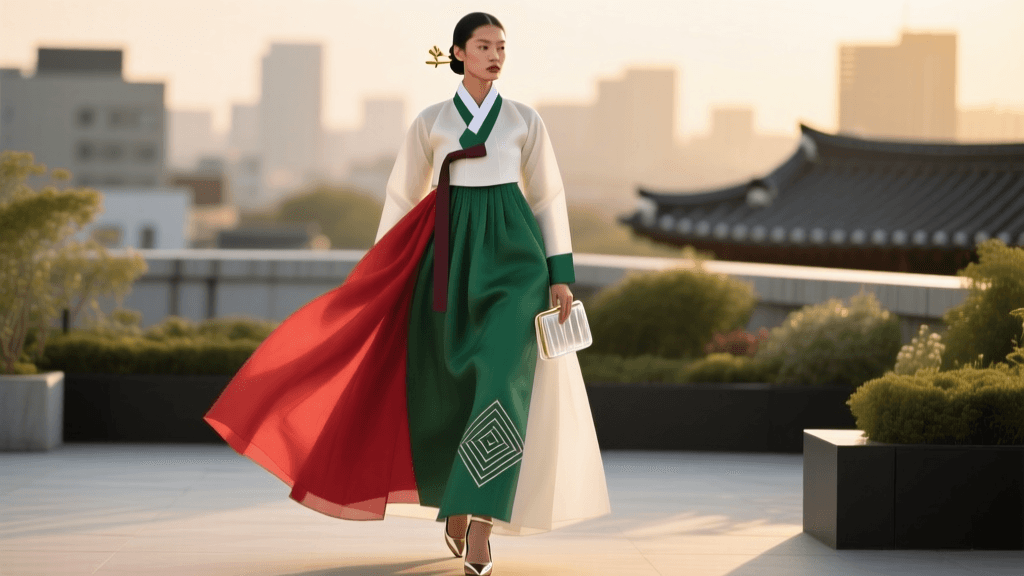
The furisode (long, swinging sleeves worn by unmarried women) and the haori (a hip- or thigh-length jacket) have heavily influenced 2026 evening wear and transitional outerwear. Runway models are draped in coats with dramatic, floor-grazing sleeves that feature deep underarm gussets, allowing for immense freedom of movement while maintaining a sharp, architectural shoulder line.
2026 Runway Trend Comparison: Traditional vs. Avant-Garde
To understand how high fashion is adapting these heritage garments, we must compare the traditional specifications with the avant-garde interpretations seen on the 2026 runways.
| Feature | Traditional Kimono | 2026 Runway Adaptation |
|---|---|---|
| Silhouette | T-shaped, straight seams, zero-waste cutting | Deconstructed, asymmetrical draping, modular layering |
| Fastening | Obi sash, koshihimo (ties), no buttons | Magnetic closures, corseted obi hybrids, hidden drawstrings |
| Textile | Silk crepe (chirimen), hemp, ramie, satin | Tech-silk, upcycled Nishijin-ori, bio-leathers, recycled organza |
| Sleeves | Furisode (long), Tomesode (short), attached via straight seams | Exaggerated drop-shoulder, detachable cuffs, elongated draping |
| Collar | Eri (collar) crossed left over right, exposing the nape | Deep plunge lapels, detachable contrasting collars, asymmetrical wraps |
How to Style Kimono-Inspired Runway Pieces for Everyday Wear
Translating avant-garde runway concepts into a functional 2026 wardrobe requires a careful balance of proportion and restraint. If you are investing in kimono-inspired designer pieces or bespoke adaptations, follow these styling rules to maintain elegance without looking costumey.
- Master the Proportions: The kimono silhouette is inherently voluminous. If you are wearing a wide-sleeved, T-shaped haori jacket, balance the lower half with streamlined, high-waisted trousers. A 14-inch rise with a straight or slightly tapered leg grounds the outfit and prevents the silhouette from overwhelming your frame.
- Strategic Layering: In 2026, layering is about contrasting textures. Pair a heavy, brocade-inspired kimono coat with a lightweight, ribbed silk turtleneck. The sleekness of the base layer allows the architectural drape of the outer garment to take center stage.
- Modernize the Footwear: Avoid traditional wooden geta or zori sandals unless you are attending a specific cultural event. Instead, anchor your kimono-inspired ensemble with chunky, square-toed leather boots or minimalist, architectural loafers. This immediately signals that the garment is being worn in a contemporary, global context.
- The Obi as an Accessory: You do not need a full kimono to embrace the trend. A wide, structured obi-style belt worn over a crisp, oversized white poplin shirt or a tailored wool blazer instantly introduces the 2026 Japanese silhouette into a corporate or smart-casual setting.
Sourcing Authentic Kimono Textiles for Bespoke Upcycling
One of the most significant 2026 trends in sustainable fashion is 'heritage upcycling'—sourcing authentic, vintage kimono textiles and commissioning local tailors to rework them into modern silhouettes. This practice not only rescues exquisite, forgotten textiles from landfills but also allows for personalized, runway-quality garments at a fraction of the haute couture price.
Understanding the physical constraints of the kimono is essential for successful upcycling. A traditional bolt of kimono fabric, known as a tanmono, is typically only about 14 inches (36 cm) wide and 12 yards (11 meters) long. Because of this narrow width, traditional kimono are constructed using almost exclusively straight, vertical seams. When you bring a vintage silk kimono to a modern tailor in 2026, instruct them to embrace these narrow panels rather than cutting them into standard Western curved patterns. A skilled bespoke tailor can use the narrow 14-inch panels to create striking, geometric color-blocked trench coats or structured wrap skirts that honor the original zero-waste cutting methodology while delivering a sharp, contemporary edge.
When sourcing vintage kimono for upcycling, look for garments from the Taisho (1912-1926) and early Showa eras, which feature bold, modernist motifs and high-quality chirimen (silk crepe). Reputable online dealers, as well as physical antique markets like Tokyo's Otsuka Antique Market, offer unpicked or lightly worn silk kimono ranging from $80 to $300. The Metropolitan Museum of Art's extensive archives on Japanese textiles provide excellent visual references for identifying authentic weave structures and dyeing techniques before you make a purchase.
Cultural Appreciation and Artisan Collaboration
As the kimono continues to influence global fashion, the conversation around cultural appreciation versus appropriation remains vital. The 2026 runway season is defined by a shift toward transparency and direct collaboration. Leading fashion houses are no longer merely mimicking Japanese aesthetics; they are partnering directly with multi-generational artisan workshops in Kyoto and Kanazawa.
By crediting the specific weaving cooperatives and dye masters in their show notes, designers are helping to sustain endangered traditional crafts. The Kyoto Costume Institute's digital archives serve as a crucial resource for designers and historians alike, ensuring that the profound cultural and historical significance of these garments is respected and accurately represented on the world stage. As consumers, supporting brands that engage in these ethical partnerships ensures that the legacy of the kimono continues to thrive, both as a sacred cultural artifact and as a living, breathing influence on global fashion.