Best Hanfu Styles for Qigong and Meditation in 2026
The Intersection of Hanfu and Holistic Wellness in 2026
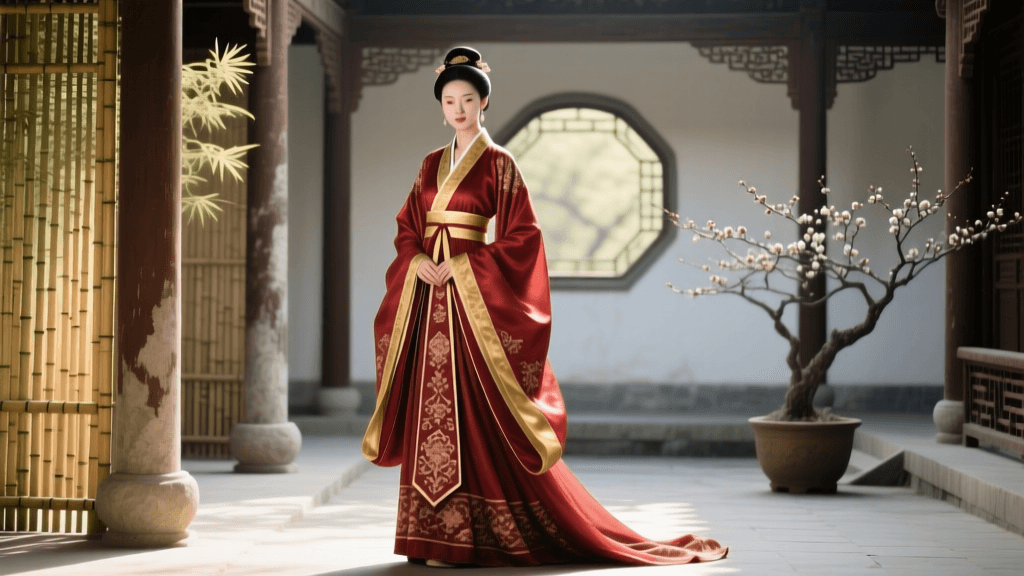
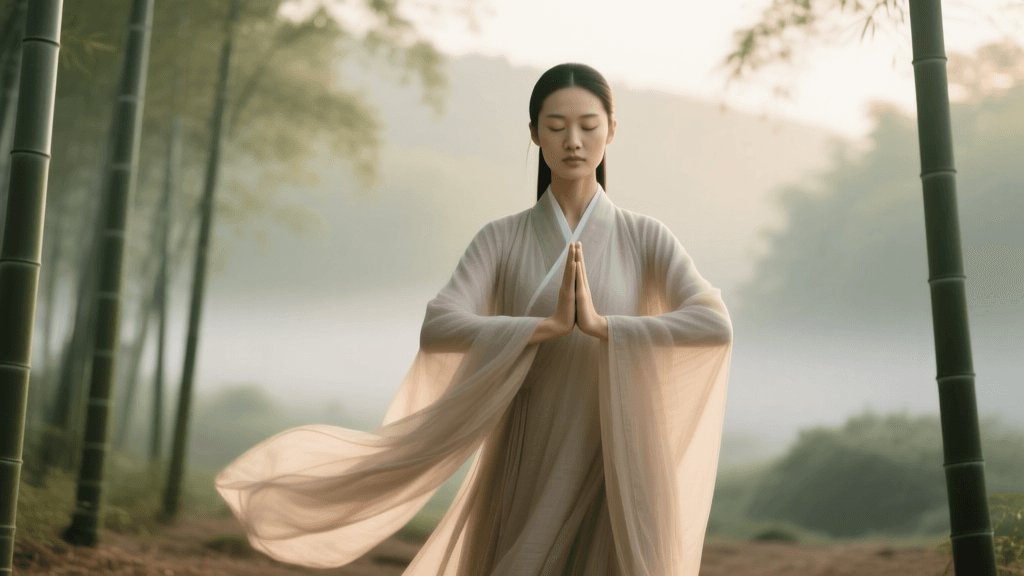
As we navigate the wellness landscape of 2026, the intersection of ancient sartorial elegance and modern holistic health has reached a new zenith. The global revival of traditional Chinese clothing, known as Hanfu, is no longer confined to historical reenactments or street fashion. Today, practitioners of Chinese wellness disciplines—specifically Qigong, Tai Chi, and mindful meditation—are increasingly turning to authentic Hanfu silhouettes to deepen their mind-body connection. The structural philosophy of traditional Chinese garments inherently supports the unrestricted flow of Qi (vital energy), making them superior to modern, restrictive activewear for internal energy cultivation.
According to the National Center for Complementary and Integrative Health, practices like Qigong and Tai Chi combine meditation, slow movements, and controlled breathing to improve overall well-being. When these movements are paired with the flowing, unrestrictive fabrics of traditional Hanfu, practitioners report enhanced spatial awareness and deeper meditative states. This comprehensive guide explores the best Hanfu styles, natural eco-friendly fabrics, and practical sizing tips for building a dedicated wellness wardrobe in 2026.
The Philosophy of Qi Flow and Garment Structure
In Traditional Chinese Medicine (TCM), the body's meridian system acts as a network of pathways through which Qi flows. Tight clothing, particularly around the joints, waist, and wrists, is believed to create stagnation in these pathways. Modern compression wear, while excellent for high-impact cardiovascular workouts, can impede the subtle, internal focus required for standing meditation (Zhan Zhuang) or the Eight Brocades (Ba Duan Jin).
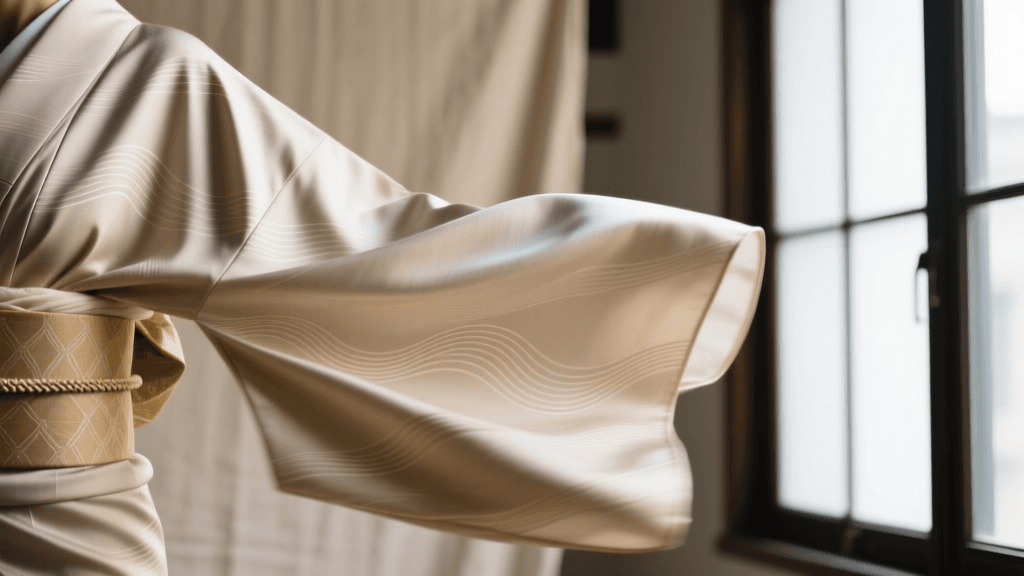
Hanfu is constructed around a flat-pattern cutting method that relies on the drape of the fabric rather than tailored darts and seams to fit the body. This creates a microclimate of air between the skin and the textile, allowing for natural thermoregulation and unhindered meridian circulation. The wide sleeves and flowing skirts act as extensions of the body's energy field, helping practitioners visualize the expansion and contraction of Qi during breathing exercises.
Top Hanfu Silhouettes for Mindful Movement
Not all Hanfu styles are suited for physical movement. Ceremonial garments with heavy embroidery or floor-dragging hems are impractical for daily wellness routines. For 2026, the following silhouettes are the gold standard for Qigong and meditation practitioners.
1. The Daopao (Taoist Robe) for Deep Meditation
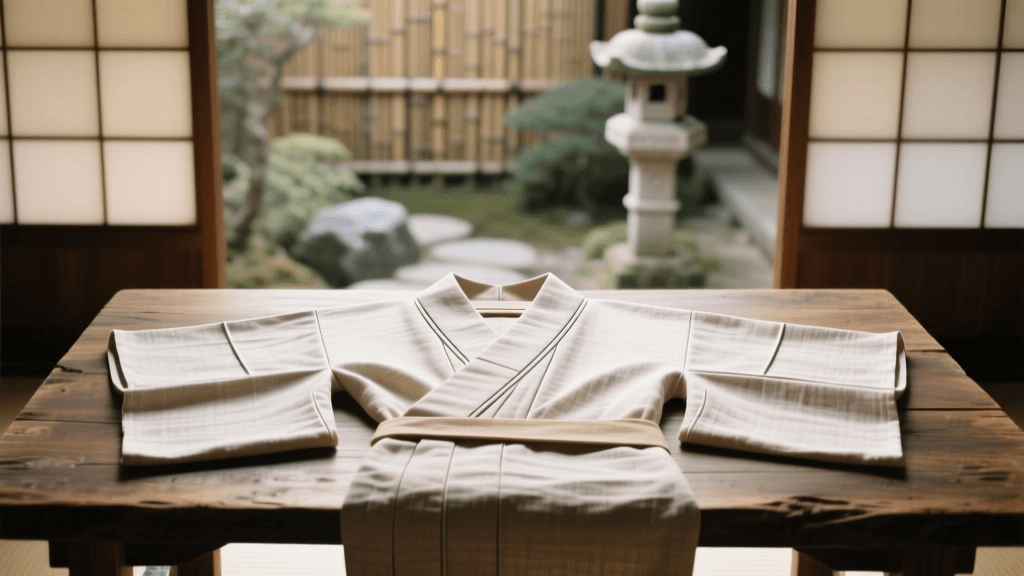
The Daopao is a cross-collared, wide-sleeved robe historically worn by scholars and Taoist monks. For seated meditation or slow, deliberate Qigong forms, the Daopao is unparalleled. Its generous cut allows for complete relaxation of the shoulders and diaphragm, which is critical for deep abdominal breathing. In 2026, modern wellness brands have adapted the Daopao using lightweight organic ramie, ensuring the robe does not overheat the practitioner during extended morning sessions.
2. Jiaoling Ruqun (Cross-Collared Top and Skirt) for Active Qigong
For more dynamic practices like Tai Chi or the active forms of Qigong, the Jiaoling Ruqun offers the perfect balance of tradition and mobility. The top (Ru) is typically tucked into a high-waisted skirt (Qun). To optimize this for wellness, practitioners should select a top with a sleeve width of 40 to 50 centimeters and a skirt that falls just above the ankle bone. This prevents tripping during wide stances, such as the horse stance (Ma Bu), while maintaining the elegant drape required for proper energy visualization.
3. Banbi (Half-Sleeve Jacket) for Summer Layering
During the hotter months, layering a lightweight Banbi over a simple linen under-tunic provides sun protection and modesty without trapping excess heat. The shorter sleeves of the Banbi allow for better wrist articulation, which is vital for the precise hand seals (Mudras) used in certain meditative traditions.
Natural Eco-Friendly Dyes and Breathable Fabrics
The material of your wellness garment is just as important as its cut. In 2026, there is a massive shift away from synthetic, petroleum-based textiles toward heritage, eco-friendly dyeing methods and natural fibers that interact harmoniously with the skin's microbiome.
Xiangyunsha (Gambiered Canton Gauze)
Often referred to as 'soft gold,' Xiangyunsha is a luxurious silk fabric dyed using the juice of the gambier plant and coated with iron-rich river mud from the Pearl River Delta. This entirely natural, zero-chemical dyeing process results in a fabric that is naturally antibacterial, highly breathable, and produces a soothing, rhythmic rustling sound during movement. This auditory feedback is highly valued in moving meditations, acting as an anchor for mindfulness.
Raw Mulberry Silk (Shengchou)
Unlike the highly processed, glossy silks used in evening wear, raw silk retains its natural sericin protein coating. Sericin is known for its skin-nourishing properties and excellent moisture-wicking capabilities. A raw silk Hanfu absorbs the light perspiration generated during Qigong without clinging to the body, maintaining the crucial air gap needed for Qi flow.
Organic Ramie and Plant-Dyed Linen
For practitioners who prefer vegan textiles, organic ramie and linen are the premier choices. When dyed using traditional indigo fermentation vats or pomegranate rinds, these fabrics offer a grounded, earthy energy. Indigo-dyed linen, in particular, is prized in TCM for its 'cooling' properties, making it the ideal choice for balancing excess heat during intense summer meditation retreats.
Comparison Chart: Hanfu Fabrics for Wellness Practices
| Fabric Type | Best Practice | Breathability | Weight & Drape | Eco-Friendly Dye Compatibility |
|---|---|---|---|---|
| Xiangyunsha (Mud Silk) | Tai Chi, Moving Meditation | Excellent | Crisp, structured, rustling | Inherent (Gambier & River Mud) |
| Raw Mulberry Silk | Zhan Zhuang (Standing) | High | Soft, fluid, matte finish | High (Botanical & Mineral dyes) |
| Organic Ramie | Summer Qigong, Ba Duan Jin | Superior | Textured, lightweight, stiff | Excellent (Indigo, Tea dyes) |
| Heavy Linen Blends | Winter Meditation, Grounding | Moderate | Heavy, grounding, insulating | Good (Root & Bark dyes) |
Practical Tips for Building a 2026 Wellness Wardrobe
Transitioning to a Hanfu-based wellness wardrobe requires attention to specific measurements and care routines that differ from modern clothing. Research highlighted by Harvard Health Publishing shows that creating a dedicated, comfortable environment and routine is key to sustaining a long-term meditation practice. Your clothing is a fundamental part of that environment.
Sizing for Unrestricted Movement
When ordering custom or made-to-measure Hanfu for Qigong, add 4 to 6 centimeters to your standard shoulder width measurement. This ensures that when you raise your arms for movements like 'Holding the Ball' or 'Drawing the Bow,' the fabric does not pull across the chest. For skirts, ensure the waistband sits exactly at the navel (Shenque acupoint), as this provides gentle, supportive pressure to the lower Dantian (the body's primary energy center).
Caring for Naturally Dyed Textiles
Eco-friendly, plant-based dyes are living pigments that evolve over time. To preserve the integrity of your indigo or gambier-dyed wellness garments:
- Washing: Never use alkaline detergents. Wash by hand in cool water using a pH-neutral soap or traditional tea-nut liquid.
- Drying: Avoid direct, harsh sunlight, which can rapidly fade botanical dyes. Dry your garments in a well-ventilated, shaded area.
- Storage: Store raw silk and Xiangyunsha flat or loosely rolled. Hanging heavy silk for extended periods can distort the warp and weft, altering the garment's energetic drape.
Conclusion
The integration of Hanfu into Qigong and meditation is more than a stylistic choice; it is a return to the holistic roots of Chinese wellness philosophy. By selecting the appropriate silhouettes—like the flowing Daopao or the mobile Jiaoling Ruqun—and prioritizing natural, eco-friendly fabrics like Xiangyunsha and raw silk, practitioners in 2026 can significantly enhance their mind-body connection. As you step onto your meditation mat or into the park for your morning Qigong routine, let the ancient drape of your garments guide your breath, ground your stance, and elevate your spiritual practice.