Kimono Fabric Sounds: The Sensory Silk Rustle Experience in 2026
The Hidden Symphony of Traditional Japanese Garments
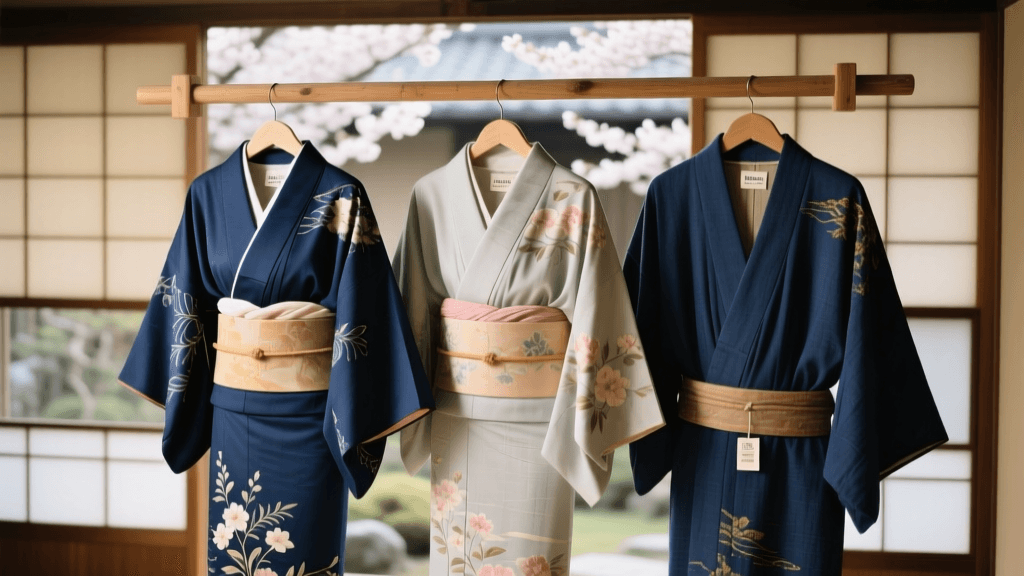
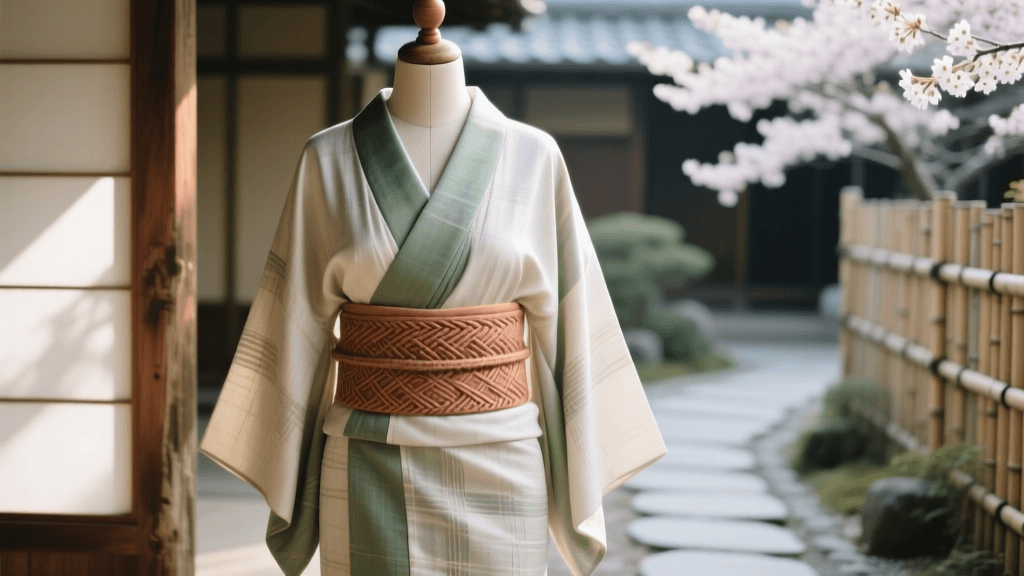
When we think of the traditional Japanese kimono, our minds immediately gravitate toward its breathtaking visual elements: the intricate yuzen dyeing, the shimmering gold leaf, and the meticulously tied obi. However, to truly understand the depth of this garment, one must look beyond the visual and engage with its auditory and tactile dimensions. In 2026, as the global slow-fashion movement heavily pivots toward sensory grounding and mindful dressing, the acoustic and textural properties of kimono fabrics are experiencing a massive renaissance. The sound of silk rustling as the wearer walks is not merely a byproduct of movement; it is a deliberate, engineered feature of traditional Japanese textile design.
For centuries, Japanese aesthetics have valued the subtle interplay of the senses. The concept of 'iki' (chic) often relies on understated elegance, where the quiet whisper of a silk hem against the ankle conveys as much sophistication as a vibrant pattern. Today, enthusiasts and historians alike are rediscovering how the specific weaves and finishes of kimono textiles create a deeply immersive sensory experience. According to the Victoria and Albert Museum's Asian textile archives, the historical preservation of these garments requires an understanding not just of their color, but of their structural integrity, which directly dictates their acoustic signature and tactile drape.
The Physics and Poetry of Silk 'Scroop'
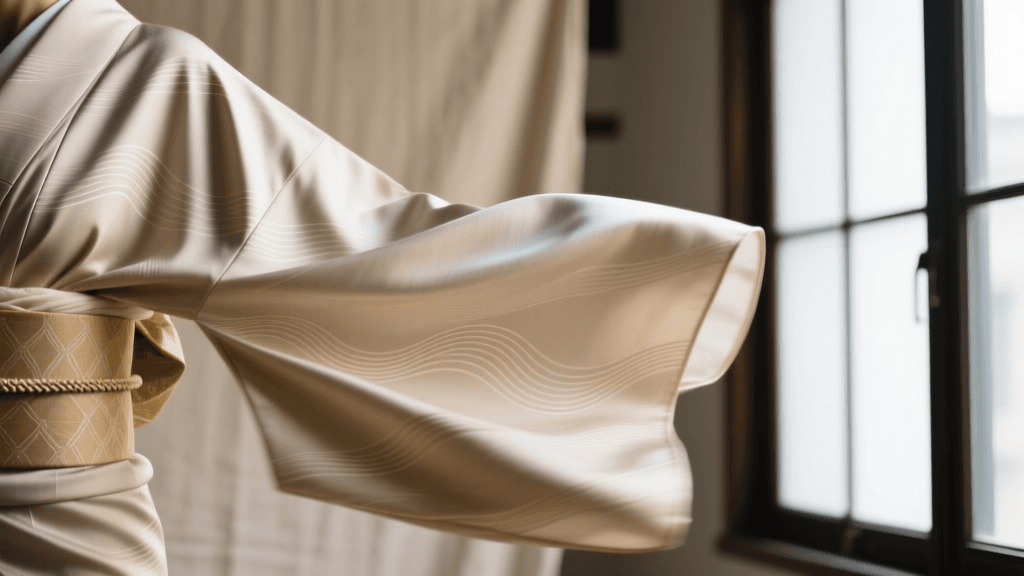
In textile science, the distinct rustling sound made by silk is known as 'scroop'. This acoustic phenomenon is caused by the friction of the silk fibers rubbing against one another. Silk fibers have a unique triangular prism-like structure, which naturally refracts light to create a shimmer, but it is the chemical treatment and the spinning process that give silk its voice. Traditionally, Japanese silk weavers manipulated the sericin (the natural gum coating the silk thread) and applied mild acidic treatments to enhance this friction, amplifying the scroop.
In 2026, modern textile acousticians and traditional weavers in regions like Tango and Kiryu are collaborating to preserve these historic acoustic profiles. The high-twist yarns used in crepe fabrics create a pebbled surface that generates a highly specific frequency of sound when the fabric folds and unfolds. This is not just about nostalgia; it is about preserving a multi-sensory heritage. As noted by curators at the Metropolitan Museum of Art's Asian Art collection, the structural engineering of historical Japanese garments was paramount, with weaves selected specifically for how they interacted with the human body in motion.
The Auditory Vocabulary of Kimono Textures
The Japanese language is rich in onomatopoeia, and this linguistic trait extends beautifully into the realm of textiles. Different kimono fabrics produce distinctly different sounds, each with its own vocabulary and seasonal association. Understanding these auditory cues is essential for anyone looking to curate a sensory-forward kimono wardrobe in 2026.
- Shari-shari: This is the crisp, slightly dry, and rhythmic rustling sound produced by 'chirimen' (silk crepe). Because the weft threads are heavily twisted, the fabric has a bumpy texture that creates high friction, resulting in this lively, energetic sound. It is the quintessential sound of a formal silk kimono.
- Zawa-zawa: A deeper, more textured friction sound associated with 'tsumugi' (pongee). Tsumugi is woven from slubbed, uneven silk threads, giving it a rustic, nubby feel. The sound is less sharp than chirimen, offering a grounded, earthy acoustic that pairs perfectly with the quiet contemplation of a winter tea ceremony.
- Sara-sara: A smooth, fluid, almost whispering glide. This sound is characteristic of 'rinzu' (silk damask) and high-quality habutae. The satin-like weave minimizes friction, allowing the layers of the kimono to slide over one another silently, creating an aura of refined, effortless grace.
- Kasa-kasa: A dry, papery rustle often associated with 'ro' and 'sha' (summer gauze weaves). These leno-weave fabrics are highly breathable and sheer. The sound is light and airy, mimicking the rustle of dry leaves, providing a psychological cooling effect during the humid Japanese summer.
Comparative Guide to Kimono Fabric Sensory Profiles
To help collectors, renters, and practitioners choose the right garment for their desired sensory experience, we have compiled a comprehensive breakdown of the most prominent kimono fabrics available in the 2026 market.
| Fabric Type | Weave Structure | Auditory Profile | Tactile Sensation | Ideal Season |
|---|---|---|---|---|
| Chirimen (Crepe) | Plain weave, high-twist weft | Shari-shari (Crisp, rhythmic rustle) | Pebbled, textured, dry, resilient | Spring / Autumn |
| Tsumugi (Pongee) | Plain weave, slubbed yarn | Zawa-zawa (Deep, earthy friction) | Nubby, substantial, warm, rustic | Winter |
| Ro / Sha (Gauze) | Leno weave (twisted warp) | Kasa-kasa (Light, papery whisper) | Cool, breezy, sheer, lightweight | High Summer |
| Rinzu (Damask) | Satin weave, patterned | Sara-sara (Smooth, silent glide) | Buttery, heavy, fluid, luxurious | Formal / Winter |
| Habutae | Plain weave, dense | Soft, muffled swish | Smooth, soft, moderate weight | All Season (Lining) |
Tactile Feedback: Weight, Drape, and Temperature
Beyond sound, the tactile experience of wearing a kimono is profoundly grounding. Unlike modern Western tailoring, which cuts fabric to conform to the body's three-dimensional shape, the kimono is constructed from flat, straight bolts of fabric (tanmono). The garment only achieves its final form when wrapped, folded, and tied onto the body. This means the drape, weight, and temperature-regulation of the fabric are entirely responsible for the garment's comfort and silhouette.
In 2026, the integration of modern climate-adaptive undergarments (juban) has revolutionized how traditional fabrics feel against the skin. While the outer layers of a winter tsumugi kimono provide a heavy, reassuring weight that acts as a tactile comfort blanket, the inner layers are now often blended with advanced moisture-wicking natural fibers. This allows wearers to experience the rustic, heavy texture of traditional pongee on the outside, while maintaining optimal thermal regulation on the inside. The physical weight of a formal silk kimono, which can range from 1.5 to over 3 kilograms depending on the lining and obi, forces the wearer to adopt a slower, more deliberate posture. This physical restriction is a core component of the sensory experience, demanding mindfulness and presence in every movement.
The 2026 Sensory Renaissance: Actionable Advice
As mindfulness practices continue to dominate wellness trends in 2026, 'sensory dressing' has become a highly sought-after experience. Travelers and locals alike are seeking out ways to engage with traditional garments beyond mere photo opportunities. Here is how you can actively participate in the kimono sensory renaissance this year:
1. Seek Out Acoustic-Focused Tea Ceremonies
Many traditional tea houses in Kyoto and Kanazawa have introduced specialized 'sensory tea ceremonies' in 2026. These events dim the lighting to reduce visual dominance, forcing participants to focus on the sound of the whisk, the smell of the matcha, and the 'shari-shari' rustle of the host's chirimen kimono as they move through the ritual. When booking a cultural experience, specifically inquire about sensory-focused or acoustic-driven tea events.
2. Rent by Texture, Not Just Pattern
The kimono rental market has evolved significantly. Instead of selecting a garment purely based on its color or floral motif, visit high-end rental boutiques and ask to feel the 'tanmono' (fabric bolts). Request a heavy, slubbed tsumugi for a grounding, meditative winter walk, or a crisp, lightweight ro for a breezy, cooling summer festival. Communicating your desired tactile and auditory experience to the kitsuke (dressing) professional will yield a much more rewarding outing.
3. Invest in Vintage Silk for the Ultimate Scroop
Modern mass-produced silks often lack the deep, resonant scroop of mid-20th-century vintage kimono silks. The 2026 vintage market is thriving, with collectors specifically hunting for Showa-era chirimen that has maintained its high-twist structural integrity. When shopping vintage, perform the 'scrunch test': gently compress the fabric in your hand and listen. A high-quality vintage silk will emit a loud, crisp crunch that slowly relaxes as you open your hand.
Preserving the Sound: Modern Care for Sensory Fabrics
The acoustic properties of silk are highly dependent on its structural integrity and chemical balance. Over-washing, improper storage, and harsh chemicals can strip the sericin or relax the high-twist yarns, effectively 'silencing' the fabric. In 2026, the standard for kimono care has shifted away from harsh perc-based dry cleaning toward eco-friendly liquid silicone and specialized ozone treatments.
These modern 2026 cleaning methods lift dirt and oils without degrading the natural proteins of the silk, ensuring that the 'shari-shari' rustle remains intact for future generations. Furthermore, storing kimono in traditional 'tatou' (washi paper wraps) rather than plastic allows the silk to breathe, preventing the buildup of humidity that can weigh down the fibers and muffle their acoustic signature. By treating these garments not just as visual art, but as acoustic instruments, we ensure that the hidden symphony of the kimono continues to resonate in the modern era.