2026 Vintage Kimono Auctions: Appraisal & Value Guide
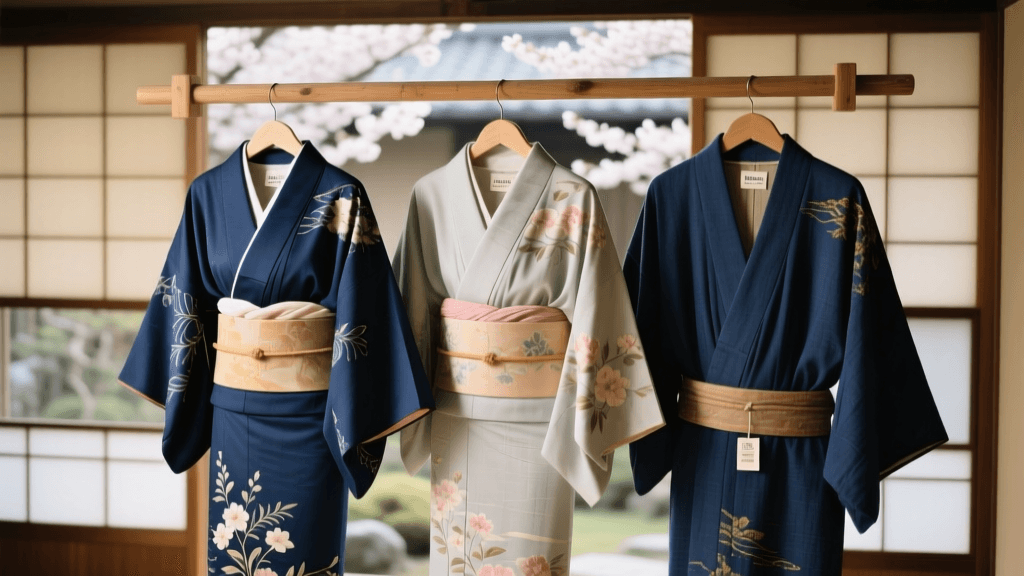
The global appetite for traditional Japanese garments has evolved dramatically, and as we move through 2026, the secondhand kimono market is experiencing an unprecedented renaissance. Driven by global sustainability movements, a renewed appreciation for artisanal craftsmanship, and the skyrocketing cost of raw silk, collectors and fashion enthusiasts are increasingly turning to online and physical auctions to acquire vintage pieces. However, navigating the labyrinth of Japanese auction houses, proxy bidding platforms, and specialized textile markets requires a keen eye for detail and a solid understanding of appraisal metrics.
Whether you are a seasoned collector hunting for rare Edo-period antiques or a modern fashion student seeking Taisho-era textiles for upcycling, understanding how to accurately appraise a kimono's value is essential. This comprehensive guide breaks down the core metrics of kimono valuation, current 2026 market trends, and actionable bidding strategies for global buyers.
The 2026 Secondhand Kimono Market Landscape
In 2026, the depreciation of newly manufactured, mass-produced silk garments has caused a significant spike in the value of mid-20th-century Showa-era (1926 to 1989) hand-dyed pieces. Furthermore, the 'Taisho Roman' aesthetic—characterized by the geometric, art-deco inspired motifs of the 1910s and 1920s—has become fiercely contested by Gen Z buyers and global fashion archives. According to the Victoria and Albert Museum's Asian Collections, the structural complexity and historical dyeing techniques of early 20th-century Japanese textiles make them highly prized in contemporary fashion curation.
Modern proxy bidding services have also evolved. In 2026, leading platforms integrate AI-assisted image recognition to flag potential flaws like sun fading or age spots before users place a bid, bridging the gap between domestic Japanese sellers and international buyers. Despite these technological aids, the fundamental rules of textile appraisal remain rooted in traditional craftsmanship.
Core Metrics for Kimono Value Appraisal
Appraising a vintage kimono requires looking far beyond the visual beauty of the pattern. Professional appraisers evaluate garments based on three primary pillars: textile composition, condition, and formality.
1. Textile and Weave (Shozoku)
The foundation of a kimono's value lies in its material. Pure silk, known as shouken, is the baseline for high-value auction pieces. Within silk, specific weaves command premium prices:
- Chirimen: A crepe silk with a textured, pebbled surface that resists wrinkling. Highly durable and common in vintage markets.
- Rinzu: A silk damask featuring a glossy, reversible pattern woven into the fabric. Often used for high-end formal wear.
- Omeshi: A highly twisted crepe silk that is heavier and more structured, historically favored by the samurai class and aristocracy.
Beyond the weave, the dyeing technique is paramount. Hand-painted Yuzen dyeing, which utilizes rice paste resist to create intricate, multi-colored pictorial designs, is among the most sought-after techniques. The Metropolitan Museum of Art notes that Yuzen dyeing revolutionized kimono design by allowing for painterly freedom on silk, a historical context that continues to drive auction premiums today.
2. Condition and Flaws
Japanese auction listings are notoriously meticulous regarding condition. Understanding the terminology is critical for accurate appraisal:
- Shimi (Age Spots): Small, localized discolorations caused by the oxidation of the glue or dyes over decades. Minor shimi on the lower hem is acceptable, but shimi on the upper chest drastically reduces value.
- Yake (Sun Fading): Discoloration on the shoulders and back caused by prolonged exposure to light. A kimono with severe yake is often relegated to upcycling or crafting.
- Kise (Repairs): Visible mending or re-woven patches. While antique collectors may forgive kise on a 150-year-old garment, it is a major detractor for mid-century vintage pieces.
3. Formality and Motifs (Kamon)
The presence and number of Kamon (family crests) dictate a garment's formality and, consequently, its market ceiling. A Kurotomesode (black formal kimono) featuring five crests (itsutsu-mon) represents the pinnacle of married women's formal wear and commands high prices if the condition is pristine. Conversely, a Komon (everyday repeating pattern) features zero crests and sits at the lower end of the valuation spectrum, prized more for its utility and vibrant patterns than its formal prestige.
2026 Kimono Auction Value Comparison Chart
The following table outlines the estimated 2026 auction price ranges for common kimono types in the global secondhand market. Prices are approximate and assume Rank A to Rank B condition.
| Garment Type | Formality Level | Key Appraisal Features | 2026 Avg Auction Price (USD) |
|---|---|---|---|
| Kurotomesode | Ultra-Formal | Black base, 5 crests, hem-only motifs | $150 - $450 |
| Furisode | Formal (Unmarried) | Long swinging sleeves, full-body motifs | $200 - $900+ |
| Houmongi | Semi-Formal | Continuous motifs across seams, 1-3 crests | $80 - $350 |
| Komon | Casual / Everyday | Repeating patterns, no crests | $30 - $120 |
| Haori (Jacket) | Casual to Semi-Formal | Worn open, hidden lining art (urakata) | $40 - $250 |
| Taisho Roman | Vintage Casual | Geometric, art-deco motifs, 1910s-1920s | $150 - $600 |
Sizing and Measurements: The Hidden Value Factor
Unlike Western clothing, kimono are not sized in standard small, medium, or large increments. They are tailored to specific body measurements. In 2026, global buyers must pay close attention to the Yuki (the measurement from the center back of the neck, across the shoulder, to the wrist). The modern average Yuki is around 64cm to 68cm. Vintage kimono from the early Showa era often have a much shorter Yuki (58cm to 62cm) due to the shorter average height of the population at the time. A vintage piece with a modern-friendly Yuki length will fetch a 20% to 30% premium on auction sites, as it can be worn immediately without the costly and difficult process of re-tailoring the silk.
Navigating Japanese Proxy Auctions in 2026
For international collectors, accessing domestic Japanese auctions via proxy services remains the most lucrative way to acquire high-value pieces. When utilizing these platforms in 2026, employ the following search strategies:
- Keyword Precision: Use exact Japanese characters in the search bar. Searching for '正絹' (Shouken - pure silk) filters out synthetic blends. Adding '絞り' (Shibori) isolates highly valuable tie-dyed pieces.
- Auction Timing: The most competitive bidding wars occur on Sunday evenings, Japan Standard Time (JST). Set your maximum proxy bids early in the week to avoid emotional sniping wars in the final seconds.
- Seller Verification: Prioritize 'Power Sellers' who specialize exclusively in textiles. Generalist recyclers often misidentify weaves or miss hidden flaws in the lining.
Physical Markets and Travel Appraisals
For those traveling to Japan, physical flea markets offer a tactile appraisal experience that online auctions cannot match. The Japan National Tourism Organization frequently highlights cultural heritage markets where textile vendors gather. The Kobo-san flea market at Toji Temple in Kyoto (held on the 21st of every month) and the Oedo Antique Market in Tokyo are premier destinations. When appraising in person, always unroll the garment fully in natural light. Check the inside seams for structural integrity and smell the fabric; a strong scent of camphor or mothballs is common, but a musty, damp odor indicates mold damage that is nearly impossible to remove from vintage silk.
When to Seek Professional Appraisal
While the metrics above cover 90% of the secondhand market, certain pieces require certified professional appraisal. If you encounter a garment suspected to be from the Edo period (pre-1868), or a piece featuring rare metallic thread weaving (surihaku) or intricate hand-embroidery (shishu), do not rely solely on auction house descriptions. Consult specialized textile conservators or Asian art auction houses. In 2026, the line between high-end vintage and historical artifact is heavily scrutinized, and proper provenance documentation can increase a garment's value from a few hundred dollars to tens of thousands. By mastering these appraisal metrics, collectors can confidently navigate the vibrant 2026 kimono market, preserving these wearable works of art for future generations.