Sustainable Kimono: Eco-Friendly Silk & Natural Dyes
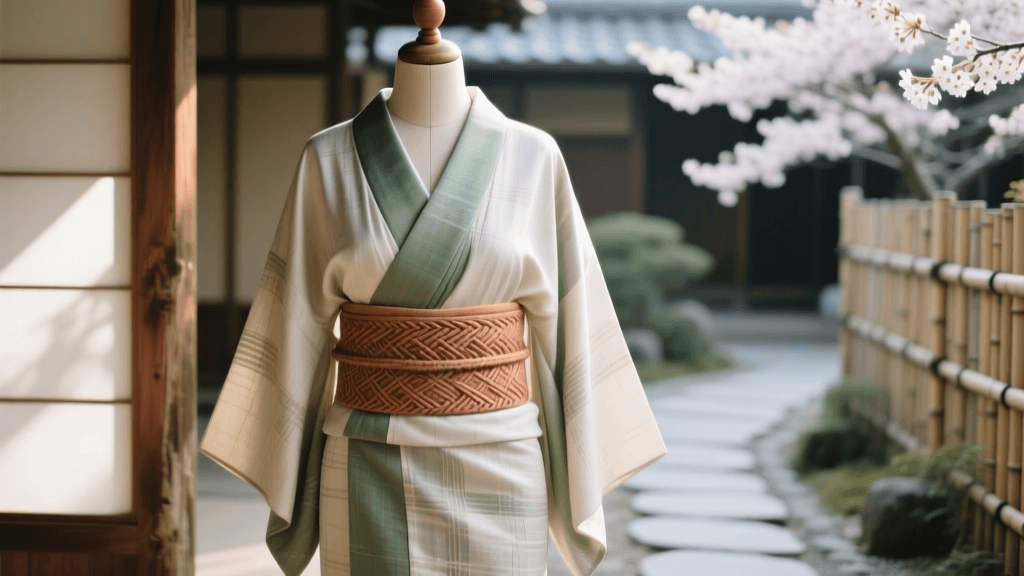
The Environmental Awakening in Japanese Textiles
For centuries, the kimono has stood as a global symbol of Japanese artistry, elegance, and cultural heritage. However, the modernization of textile production in the 20th century introduced synthetic dyes, chemical mordants, and mass-produced silk that carry a heavy environmental toll. Today, a powerful movement is reshaping the landscape of traditional Japanese fashion. Artisans, designers, and eco-conscious consumers are returning to sustainable kimono production, championing upcycled silk traditions and reviving ancient natural dyeing techniques. This shift not only protects the environment but also preserves endangered artisanal crafts.
The Hidden Cost of Conventional Silk and Synthetic Dyes
Conventional sericulture (silk farming) and textile dyeing are notoriously resource-intensive. The mass production of pristine white silk often involves the use of harsh chemical bleaches, while synthetic dyes—particularly azo dyes used to achieve the vibrant reds and deep blacks of modern formal kimono—can release heavy metals and toxic effluents into local water systems. In historic dyeing hubs like Kyoto and Kanazawa, the push for faster, cheaper production in the post-war era led to a reliance on these chemicals. Furthermore, the standard modern silk kimono requires perfectly intact cocoons, resulting in the boiling of silkworms and a high rate of material waste when cocoons are damaged.
Tsumugi: The Original Upcycled and Sustainable Silk
Long before the term "upcycling" entered the sustainable fashion lexicon, Japanese weavers were practicing it through Tsumugi (pongee) silk production. Tsumugi is woven from the fibers of damaged, broken, or emerged cocoons that cannot be used for continuous, high-grade silk thread. Instead of discarding these materials, artisans hand-spin the short fibers into a nubby, textured yarn that is incredibly durable and breathable.
The most famous of these is Yuki-tsumugi, a textile so culturally significant that it is recognized by UNESCO's Intangible Cultural Heritage registry. Produced primarily in Ibaraki and Tochigi prefectures, Yuki-tsumugi relies on hand-pulled silk floss and traditional backstrap looms. Because it utilizes "waste" silk, Tsumugi is inherently sustainable, transforming byproducts of the silk industry into heirloom-quality garments that can last for over a century. Another notable example is Amami Oshima-tsumugi, which combines this upcycled silk with mud-dyeing techniques that utilize iron-rich local soil to create complex, colorfast patterns without synthetic chemicals.
Kusaki-zome: The Renaissance of Natural Plant Dyes
At the heart of the sustainable kimono movement is Kusaki-zome, the traditional art of plant-based dyeing. Unlike synthetic dyes, natural dyes are biodegradable, non-toxic, and derive from renewable botanical sources. The process requires immense skill, as the final color depends on the soil quality, the harvest season, and the mordanting agents used.
- Ai-zome (Japanese Indigo): Cultivated primarily in Tokushima, indigo leaves are fermented into sukumo. The dye vat must be maintained at a precise 25°C to 30°C and fed with natural ash lye and sake. Indigo naturally repels insects and strengthens the silk fibers.
- Kakishibu (Persimmon Tannin): Made from the fermentation of unripe persimmons, this dye yields a beautiful earthy brown. It acts as a natural water-proofer and is often used for summer kimono and undergarments.
- Akane (Madder Root) and Enju (Pagoda Tree): Used to achieve brilliant reds and soft yellows, respectively, these roots and buds are boiled and combined with natural mordants like alum or iron to fix the color to the silk.
Comparison: Conventional vs. Sustainable Kimono Textiles
| Feature | Conventional Modern Kimono | Sustainable & Heritage Kimono |
|---|---|---|
| Material Source | Mass-produced continuous filament silk; synthetic poly-blends | Upcycled broken cocoons (Tsumugi); organic peace silk; hemp (Asa) |
| Dyeing Process | Synthetic chemical dyes; heavy metal mordants | Botanical dyes (Kusaki-zome); natural mud and ash mordants |
| Water Impact | High toxic effluent; requires extensive chemical water treatment | Biodegradable runoff; water often reused in agricultural irrigation |
| Durability & Care | Dry-clean only; fibers degrade under UV light | Highly durable; natural dyes deepen with age and washing |
| End of Life | Non-biodegradable (if synthetic); microplastic shedding | 100% biodegradable; easily composted or recycled into paper |
How to Identify and Buy Ethical Kimono
For collectors, tourists, and practitioners of Japanese culture, navigating the market for sustainable kimono requires a keen eye. Here is an actionable buyer’s guide to ensure your purchase supports ethical production:
- Look for the METI Seal: The Japanese Ministry of Economy, Trade and Industry (METI) designates specific regional crafts as "Traditional Craft Products." A gold foil seal on the packaging guarantees the item was handmade using traditional, historically sustainable methods in its designated region.
- Verify Artisan Memberships: Organizations like the Japan Traditional Crafts Association maintain strict directories of certified artisans. Purchasing directly from their exhibitions or affiliated galleries ensures fair wages for the weavers and dyers.
- Understand the Pricing: Authentic, sustainable kimono are an investment. A standard, newly woven Yuki-tsumugi kimono bolt (tanmono, measuring roughly 36cm wide by 12 meters long) typically ranges from ¥300,000 to over ¥1,000,000 ($2,000 to $7,000 USD) due to the hundreds of hours of hand-spinning required. For a more accessible entry point, look for "Remake" or vintage Tsumugi kimono in specialized Kyoto and Tokyo antique markets, which generally cost between ¥30,000 and ¥80,000 ($200 to $550 USD) and participate in the circular economy.
- Ask About the Mordant: When buying naturally dyed garments from independent boutiques, ask the shopkeeper what mordant was used. Ethical producers will proudly cite alum (myoban), iron, or ash lye, rather than synthetic chemical fixatives.
The Circular Kimono Economy: Remake and Upcycle
Sustainability in Japanese fashion is not just about how a garment is made, but how it is reused. The kimono is uniquely suited for a circular economy because it is constructed from a single, continuous bolt of fabric (tanmono) using only straight seams. When a kimono becomes stained or damaged, it can be entirely taken apart, washed, and re-sewn. Modern eco-conscious brands are also pioneering "Remake Kimono," where damaged vintage silk are spliced with organic cotton or hemp to create modern, two-piece garments, haori jackets, or everyday accessories, ensuring zero textile waste.
Eco-Friendly Care and Maintenance
Proper care extends the life of your sustainable kimono, reducing the need for replacement and minimizing the environmental impact of dry-cleaning chemicals like perchloroethylene.
- Airing Out (Kagemawashi): Instead of frequent washing, hang your kimono on a specialized bamboo rack (kimono hanger) in a shaded, well-ventilated area for a few hours after wearing. This naturally dissipates odors and moisture.
- Natural Moth Repellents: Store your silk and hemp garments in a traditional wooden chest (tansu) or a breathable cotton cover. Avoid plastic bags, which trap moisture and cause mold. Use natural repellents like dried neem leaves, camphor, or hinoki (Japanese cypress) wood blocks instead of chemical mothballs.
- Eco-Friendly Spot Cleaning: For minor stains on naturally dyed Tsumugi, use a damp cloth with a drop of pH-neutral, plant-based soap. Always test on an inner seam first, as natural dyes can be sensitive to alkaline detergents.
Conclusion
The transition toward sustainable kimono production is a vital bridge between Japan's rich cultural past and its ecological future. By choosing upcycled Tsumugi silks, supporting Kusaki-zome natural dyers, and participating in the circular vintage market, consumers can wear these magnificent garments with pride, knowing their choices protect both the environment and the master artisans who keep these traditions alive.