Japanese Wedding Kimono Guide: Shiromuku, Uchikake & Costs
The Profound Symbolism of Japanese Bridal Fashion
When envisioning a traditional Japanese wedding, the striking imagery of a bride adorned in exquisite, multi-layered silk immediately comes to mind. Unlike Western bridal fashion, which typically centers around a single white gown, Japanese bridal fashion is a dynamic journey through multiple garments, each carrying deep historical, spiritual, and cultural significance. According to the Metropolitan Museum of Art, the evolution of the kimono from everyday wear to highly specialized ceremonial garments reflects centuries of refined textile arts, including Nishijin brocade weaving and Yuzen resist-dyeing. For modern brides, whether in Japan or participating in cultural ceremonies abroad, understanding the distinctions between the shiromuku, uchikake, and iro-uchikake is essential for planning an authentic and breathtaking wedding day.
The Shiromuku: The Pinnacle of Purity
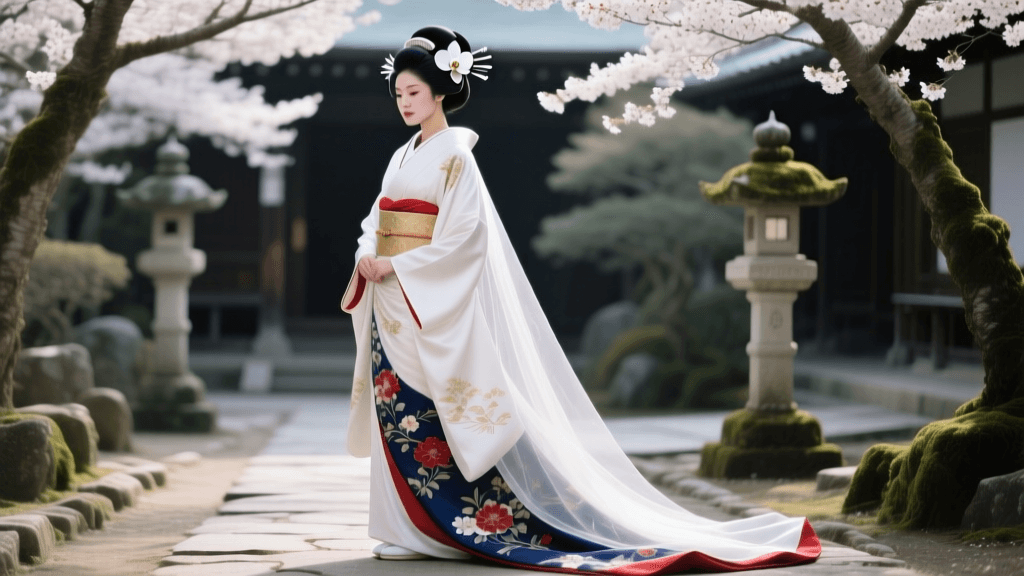
The shiromuku (白無垢) is the most formal and traditional bridal kimono, worn exclusively during the Shinto wedding ceremony. The term translates to 'pure white,' and the entire ensemble—from the outer kimono and under-kimono (kakeshita) to the obi sash and accessories—is entirely white. Historically, white in Japanese culture symbolizes purity and the sun. In a marital context, it represents the bride's untarnished purity and her willingness to be 'dyed' in the colors and traditions of her new husband's family.
Crafting a high-quality shiromuku is a masterpiece of subtle textile art. While it appears entirely white from a distance, up close, the silk reveals intricate woven patterns of auspicious motifs such as cranes (tsuru), pine trees, and plum blossoms. These motifs are woven using a technique that catches the light, providing a luxurious, understated elegance. Because the shiromuku is reserved strictly for the religious ceremony, brides typically change into a more colorful ensemble for the reception that follows.
Uchikake and Iro-Uchikake: Vibrant Elegance
Following the solemnity of the Shinto ceremony, the bride transitions into an uchikake or iro-uchikake for the wedding reception (hiroen). The Victoria and Albert Museum notes that the uchikake originated in the Muromachi period (1336–1573) as an outer garment for high-ranking samurai women before evolving into the ultimate bridal showstopper.
The Uchikake (Colored Brocade)
The traditional uchikake is heavily padded at the hem (fukikaeshi), allowing it to trail elegantly on the floor without the need for folding. It is often crafted from opulent Nishijin-ori (Kyoto brocade) featuring gold and silver threads. Common motifs include the o-shiki (wedding carriage), treasure ships, and phoenixes, symbolizing prosperity and a harmonious union.
The Iro-Uchikake (Colored Uchikake)
For brides who prefer a vibrant palette or are hosting a non-traditional reception, the iro-uchikake is the perfect choice. Unlike the shiromuku, the iro-uchikake features rich, dyed backgrounds in colors like deep crimson, royal purple, or emerald green. The Kaga Yuzen dyeing technique from Kanazawa is frequently employed here, allowing for painterly, realistic depictions of seasonal flowers and flowing water. The iro-uchikake offers modern brides a chance to express personal style while maintaining the regal silhouette of traditional Japanese bridal wear.
Comparative Guide: Shiromuku vs. Uchikake vs. Iro-Uchikake
Choosing the right garment depends on the ceremony type, venue, and personal aesthetic. Below is a structured comparison to aid in your decision-making process:
| Feature | Shiromuku | Uchikake (Brocade) | Iro-Uchikake (Dyed) |
|---|---|---|---|
| Primary Color | Pure White | Gold/Silver/Red Base | Vibrant Colors (Red, Purple, Green) |
| Occasion | Shinto Ceremony | Reception / Banquet | Reception / Banquet / Photo Shoots |
| Weight | Medium (approx. 1.5 kg) | Heavy (approx. 2.5 - 3 kg) | Heavy (approx. 2 - 2.5 kg) |
| Key Textile Art | Subtle Jacquard Weave | Nishijin-ori (Brocade) | Kaga Yuzen (Resist Dyeing) |
| Avg. Rental Cost (JPY) | ¥200,000 - ¥350,000 | ¥250,000 - ¥500,000 | ¥200,000 - ¥450,000 |
Practical Planning: Costs, Timelines, and Fittings
Planning a Japanese wedding involving traditional garments requires meticulous timing and budgeting. Most brides in Japan opt to rent their kimono rather than purchase, as high-quality silk garments require specialized storage and maintenance.
Budgeting for Bridal Kimono
A comprehensive bridal rental package in Japan typically ranges from ¥300,000 to ¥600,000 ($2,000 to $4,000 USD). This package generally includes:
- The shiromuku and one uchikake (or iro-uchikake) for the outfit change (iro-naoshi).
- All necessary undergarments (hadajuban, koshimaki, nagajuban).
- The obi sash, obi-jime (cord), and obi-age (sash scarf).
- Footwear (zori sandals and tabi socks).
- Professional dressing (kitsuke), hair styling, and makeup application.
Actionable Tip: If you are purchasing a vintage or antique uchikake from a specialized dealer in Kyoto or Tokyo, expect to pay between ¥150,000 and ¥400,000 for the garment alone. However, you will still need to budget an additional ¥50,000 to ¥100,000 for a professional kimono dresser on your wedding day.
Timeline and Fittings
Do not wait until the last minute. Bridal salons in Japan book up rapidly, especially during the peak wedding seasons of spring (March-May) and autumn (September-November).
- 6-8 Months Prior: Research salons, book initial consultations, and secure your venue.
- 4-5 Months Prior: Attend your first fitting. This is when you select your shiromuku and uchikake. Salons will take your precise measurements to ensure the ohashori (the fold at the waist) is tailored perfectly to your height.
- 2 Months Prior: Finalize accessories, hair ornaments (kanzashi), and makeup trials.
- 1 Month Prior: Final confirmation with the kitsuke-shi (kimono dresser) regarding the timeline of the wedding day.
The Art of Kitsuke: Dressing the Bride
Putting on a bridal kimono is a highly specialized skill known as kitsuke. Unlike a Western dress that can be slipped on and zipped up, a bridal kimono is constructed entirely of flat, rectangular pieces of fabric that must be folded, padded, and tied. The dressing process takes between 45 to 90 minutes.
The dresser will first apply padding around the bride's waist and hips to create a smooth, cylindrical silhouette, which is the traditional ideal for kimono aesthetics. Next, the under-layers are secured. The most complex part is tying the fukura-suzume (plump sparrow) or bunko (library box) obi knot at the back. Because the uchikake is incredibly heavy, the obi must be tied with immense precision and reinforced with silk cords to ensure the garment does not slip during the reception. Brides are advised to eat a substantial meal the morning of the wedding, as the tight binding of the obi makes eating large meals physically difficult once dressed.
Essential Bridal Accessories and Headpieces
The garments are only half of the visual impact; the accessories carry equal symbolic weight. According to cultural resources like Japan Guide, Shinto wedding traditions dictate specific accessories that protect the bride and signify her new status.
Headpieces: Wataboshi vs. Tsunokakushi
When wearing the shiromuku, the bride typically wears a wataboshi, a large, dome-shaped white silk hood that completely covers the hair and frames the face. It serves a similar function to a Western wedding veil, hiding the bride's face from everyone except the groom until the ceremony concludes. Alternatively, some brides opt for the tsunokakushi ('horn-hiding' band), a smaller white silk band worn across the forehead. Folklore suggests it hides the 'horns of jealousy' and signifies the bride's resolve to become a gentle and obedient wife.
Handheld Accessories
- Sensu (Folding Fan): A gold or silver-leafed fan held in the obi or hands, symbolizing a prosperous future that continually expands.
- Kaiken (Small Dagger): Historically carried by samurai women for self-defense, today it is a decorative silk pouch containing a symbolic blade, representing the bride's readiness to protect her new family.
- Hakoseko (Ornamental Pouch): A small, beautifully embroidered silk pouch tucked into the front collar of the kimono, originally used to hold a small mirror and lipstick.
Conclusion
Choosing a Japanese wedding kimono is an immersive journey into centuries of artistry, symbolism, and cultural heritage. Whether you opt for the blinding purity of the shiromuku during a quiet shrine ceremony or the vibrant, heavy elegance of an iro-uchikake at a grand reception, these garments offer a profound connection to Asian traditions. By understanding the practicalities of costs, fitting timelines, and the intricate art of kitsuke, brides can confidently plan a wedding day that is not only visually spectacular but deeply rooted in historical reverence.