Haori Streetwear Guide: Styling Vintage Japanese Jackets
The Intersection of Tradition and Tokyo Streetwear
Tokyo’s streets have long been a laboratory for sartorial experimentation, where the boundaries between historical heritage and futuristic subcultures blur seamlessly. From the neon-lit alleys of Harajuku to the vintage thrift shops of Koenji, Japanese streetwear is globally renowned for its meticulous attention to detail, silhouette manipulation, and profound respect for archival garments. While brands like Kapital, Visvim, and Needles have spent decades deconstructing and reimagining traditional Japanese clothing for the global hypebeast market, the most authentic and sustainable way to participate in this aesthetic is by sourcing and styling original vintage pieces. At the forefront of this modern revival is the haori, a traditional Japanese jacket that has effortlessly transitioned from the samurai class and geisha districts to become a staple layering piece in contemporary urban streetwear.
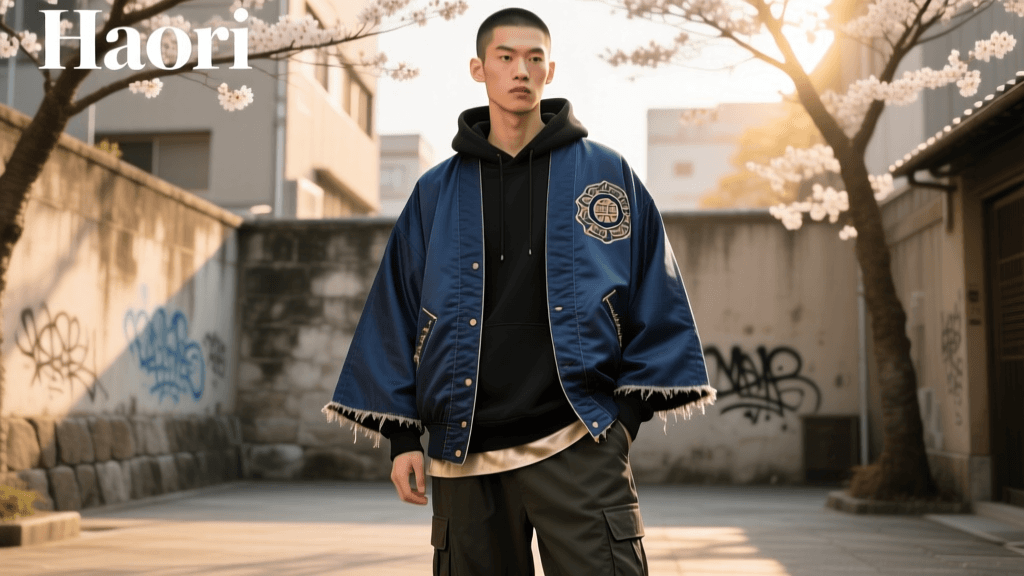
According to cultural historians and experts tracking the evolution of Harajuku fashion, the modern street style movement relies heavily on the juxtaposition of the ancient and the hyper-modern. Wearing a century-old silk haori over a technical Gore-Tex shell or a heavy-weight cotton hoodie is not merely a fashion statement; it is an act of wearable preservation. This guide will provide you with actionable, highly specific advice on how to measure, source, style, and maintain vintage haori jackets, ensuring your streetwear rotation is both culturally respectful and undeniably cutting-edge.
Understanding the Haori: Anatomy and Heritage
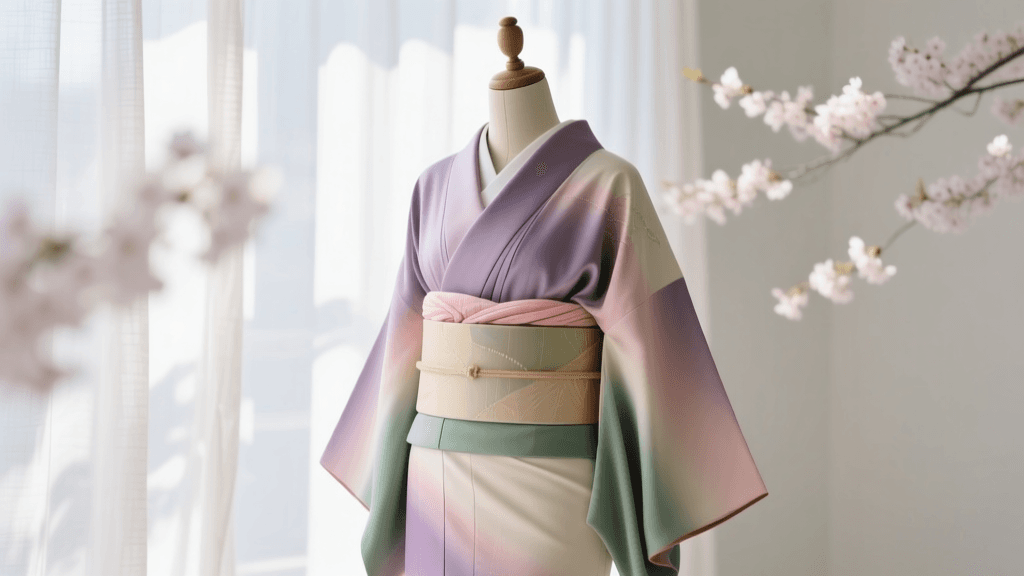
The haori is a hip- or thigh-length jacket worn open over a kimono. Unlike the kimono, which wraps tightly across the body and is secured with a complex obi belt system, the haori is designed to be worn loose and open, making it uniquely suited for modern layering. Historically, it was worn by men as formal outerwear and by women as a protective layer against the elements. The front panels do not overlap; instead, they are traditionally held together by a haori himo, a decorative braided cord. In a streetwear context, the open drape of the haori creates a striking, avant-garde silhouette that mimics the flow of high-end designer outerwear but at a fraction of the cost.
As noted by the Japan National Tourism Organization, traditional garments are deeply tied to regional craftsmanship, seasonal motifs, and specific weaving techniques. When you buy a vintage haori, you are often acquiring a piece of regional textile history, featuring hand-painted yuzen dyeing, intricate shibori tie-dye, or geometric meisen ikat patterns that are virtually impossible to replicate with modern mass-manufacturing techniques.
Fabric Types for Streetwear Integration
Not all haori are created equal, and the fabric dictates how the jacket will drape, age, and interact with modern streetwear pieces. Understanding these textiles is crucial for building a cohesive wardrobe.
- Meisen Silk: Woven using an ikat technique where threads are pre-dyed before weaving, meisen features slightly blurred, geometric, or Art Deco patterns. It is highly durable, relatively thick, and holds its shape well, making it the absolute best choice for structured streetwear layering.
- Omeshi Crepe: Made from heavily twisted silk threads, omeshi has a matte finish and a distinct, pebbled texture. It drapes beautifully and is perfect for minimalist, flowing techwear aesthetics.
- Tsumugi (Pongee):strong> A rustic, slubbed silk that feels almost like raw cotton or linen. Tsumugi haori are incredibly durable, less prone to snagging, and pair flawlessly with heavy denim and workwear boots.
The Sizing Matrix: How to Measure a Haori
One of the biggest hurdles for Western buyers is that vintage Japanese garments do not use standard S/M/L sizing. Instead, they are measured flat in specific dimensions. Because the haori is meant to be worn open, the chest width is less critical than the sleeve length and overall drop. When shopping online via proxy services like Buyee or ZenMarket, you must rely on the seller's flat measurements. Below is a conversion matrix to help you find your ideal streetwear fit.
| Measurement Term | Definition | Ideal Range (Men's M/L) | Ideal Range (Women's M/L) |
|---|---|---|---|
| Mitake | Back length from the base of the collar to the hem. | 75cm - 85cm (29" - 33") | 65cm - 75cm (25" - 29") |
| Yuki | Sleeve length measured from the center back seam to the cuff. | 70cm - 78cm (27" - 30") | 60cm - 68cm (23" - 26") |
| Sodeguchi | The width of the sleeve opening at the cuff. | 25cm - 30cm (10" - 12") | 20cm - 25cm (8" - 10") |
| Katahaba | Shoulder width from seam to seam across the back. | 55cm - 62cm (21" - 24") | 50cm - 55cm (19" - 21") |
Pro-Tip for Streetwear: For an oversized, contemporary drop-shoulder look popularized by brands like Yohji Yamamoto, add 5-8cm to your standard Yuki and Katahaba measurements. The haori's T-shaped construction means the shoulder seam will naturally drop down the arm, creating a relaxed, sloping silhouette.
Streetwear Styling Playbook: 3 Actionable Looks
Integrating a delicate, historically significant garment into a gritty urban wardrobe requires a careful balance of proportions, textures, and footwear. Here are three distinct styling formulas to elevate your haori.
1. The Techwear Samurai
This look bridges the gap between Edo-period travel gear and modern urban utility. Start with a black omeshi crepe haori featuring a subtle, dark geometric pattern. Layer it over a technical, waterproof hardshell jacket (such as an Arc'teryx Beta LT or a North Face Purple Label windbreaker). The contrast between the matte, textured silk and the glossy nylon creates intense visual interest. Pair this top half with tapered, articulated cargo pants in ripstop nylon. For footwear, opt for aggressive trail runners like the Salomon XT-6 or Hoka One One Transport. Accessory Hack: Remove the traditional silk haori himo cords and replace them with matte black metal carabiners or a short titanium chain to secure the front panels, instantly modernizing the garment.
2. Vintage Americana Fusion
Japanese streetwear has a long, documented love affair with vintage Americana and workwear. A boldly patterned, vintage meisen silk haori (look for deep reds, indigos, or striking arrow motifs) acts as the ultimate statement piece. Wear it over a heavyweight, boxy cotton hoodie in a neutral tone like heather grey or oatmeal to let the jacket pop. For the lower half, choose wide-leg, selvedge denim or heavy canvas carpenter pants. Finish the look with classic leather footwear, such as Red Wing Iron Rangers or battered Converse Chuck 70s. The key here is the interplay between the delicate, luxurious silk of the haori and the rugged, utilitarian nature of the denim and leather.
3. Elevated Minimalist
For those who prefer the quiet luxury and monochromatic palettes of contemporary Japanese minimalism, seek out a solid black or deep navy tsumugi haori. The slubbed texture of the silk will catch the light differently than flat cotton, providing depth to an all-black outfit. Layer it over a crisp, oversized poplin dress shirt or a fine-gauge merino wool turtleneck. Pair with wide-leg, pleated trousers that mimic the flow of traditional hakama pants. Complete the silhouette with chunky leather derbies, such as those from Dr. Martens or Prada, or sleek, minimalist boots. This look is perfect for evening events, gallery openings, or upscale urban environments.
Sourcing Authentic Pieces: Neighborhoods and Costs
While you can find haori on global platforms like Etsy or Grailed, the best selection, quality, and prices are found directly in Japan, specifically in Tokyo's premier vintage districts. The Victoria and Albert Museum's extensive research on Japanese textiles highlights the sheer volume and variety of silk garments produced in the 20th century, meaning the secondhand market is flooded with high-quality, affordable options.
- Koenji: The undisputed king of Tokyo vintage. Stores like Chicago (which has a dedicated kimono/haori floor) and Dog offer massive selections. Expect to pay between ¥3,000 and ¥8,000 ($20 - $55 USD) for standard vintage silk haori, and up to ¥15,000 ($100 USD) for rare, hand-painted pieces.
- Shimokitazawa: Slightly more curated and trendy. Shops like Flamingo and New York Joe Exchange often stock haori that have already been vetted for streetwear appeal. Prices here are slightly higher, ranging from ¥5,000 to ¥12,000 ($35 - $85 USD).
- Online Proxy Services: If you cannot travel to Japan, use Buyee.jp or ZenMarket.jp to bid on Yahoo! Auctions Japan or purchase from Mercari Japan. Search terms like "羽織" (haori), "銘仙" (meisen), and "大正" (Taisho era) will yield thousands of results, often starting as low as ¥1,000 ($7 USD) before shipping.
Care and Maintenance for Vintage Silks
Vintage haori are often 50 to 100 years old. The silk is resilient but requires specific care to survive the rigors of streetwear rotation. Never machine wash or dry clean a vintage silk haori unless it is explicitly marked as modern, washable polyester. Traditional dyes can bleed, and the internal silk lining can shrink, destroying the garment's shape. Instead, spot clean minor stains with a damp cloth and mild detergent. To remove odors and refresh the fabric, hang the haori outside in a shaded, well-ventilated area for 24 hours; avoid direct sunlight, which will fade the delicate natural dyes. When storing, do not use wire hangers, which will distort the shoulder seams. Use wide, padded wooden hangers and store the garment in a breathable cotton garment bag with a silica gel packet to prevent moisture buildup and mold.
By understanding the history, mastering the measurements, and applying modern styling techniques, the vintage haori becomes more than just a costume piece. It transforms into a versatile, sustainable, and deeply personal cornerstone of a modern streetwear wardrobe, proving that true style is timeless.