Xin Zhongshi Outerwear 2026: Styling the Modern Pifeng Cape
The Renaissance of Xin Zhongshi in 2026
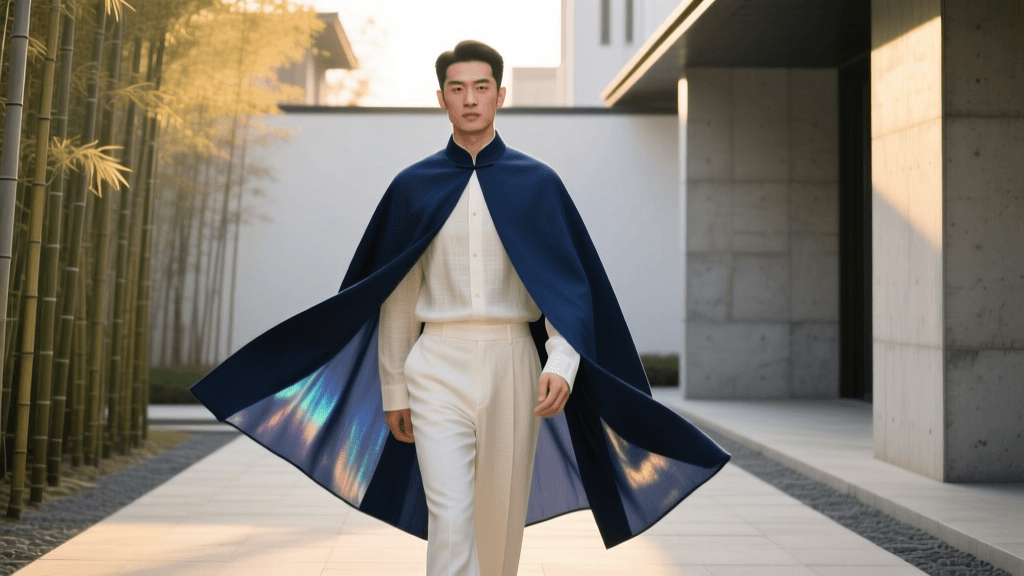
The Xin Zhongshi (新中式), or "New Chinese Style," movement has completely transcended its origins as a niche subculture to become a dominant force in global fashion for 2026. No longer confined to festive wear or historical reenactment, this aesthetic seamlessly blends traditional Chinese garment architecture with contemporary minimalism, streetwear, and avant-garde tailoring. At the forefront of this evolution is the modern reinterpretation of traditional outerwear, specifically the Pifeng (cape or poncho) and the Beizi (open-front jacket).
In 2026, the Xin Zhongshi movement is defined by its wearability. Designers are stripping away the costumier elements of early iterations, focusing instead on the philosophical underpinnings of traditional Chinese dress: the harmony between the human body and the natural drape of the fabric. By integrating heritage textiles with modern ergonomic tailoring, the new wave of Chinese outerwear offers a sophisticated, culturally rich alternative to Western-centric overcoats and blazers.
Decoding the Pifeng: From Ming Dynasty to Modern Runways
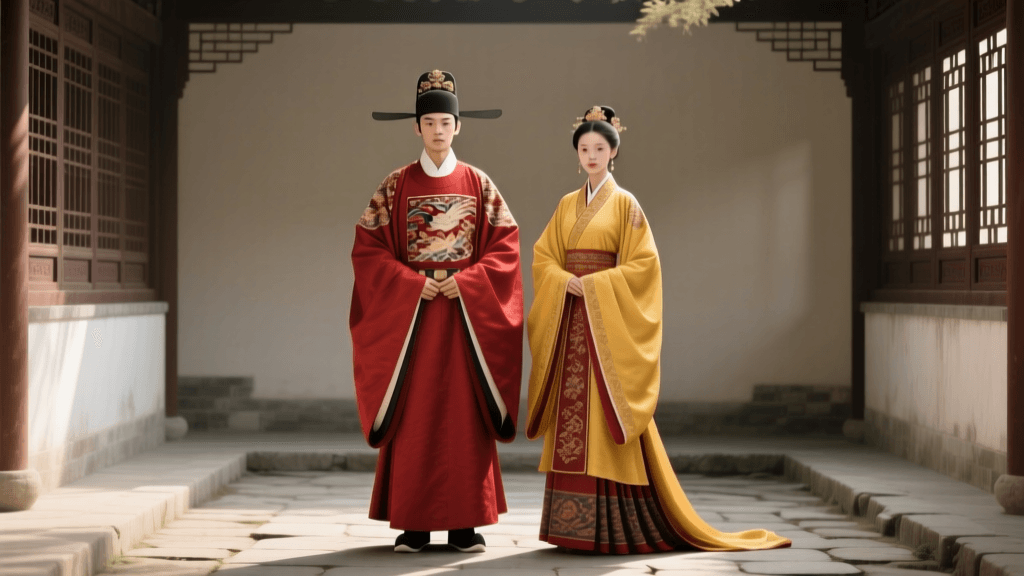
Historically, the Pifeng served as a protective outer layer worn by both men and women during the Ming and Qing dynasties. Characterized by its straight, unstructured silhouette, standing collar (liling), and side slits for ease of movement, the traditional Pifeng was designed to layer gracefully over robes without disrupting the underlying garments.
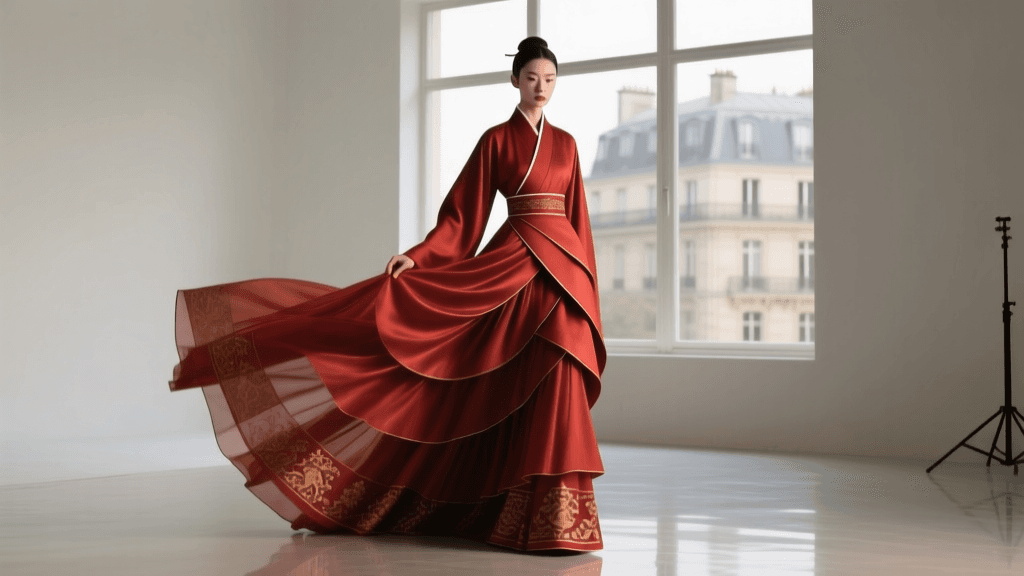
Today’s Xin Zhongshi designers have re-engineered the Pifeng for the modern wardrobe. While the foundational geometry remains, 2026’s iterations feature dropped shoulders, hidden magnetic closures that supplement traditional Pankou (frog buttons), and adjustable cuff detailing. According to historical textile archives preserved by institutions like the Victoria and Albert Museum, the structural integrity of historical Asian garments relied heavily on flat-pattern cutting. Modern designers honor this zero-waste, flat-cutting tradition while introducing modern darts and gussets to accommodate dynamic urban lifestyles.
Fabric Innovation: What Defines 2026’s New Chinese Style?
The soul of any Xin Zhongshi garment lies in its textile. The 2026 market has seen a massive surge in demand for heritage fabrics, supported by global initiatives to preserve traditional craftsmanship, such as the UNESCO Intangible Cultural Heritage recognition of Chinese sericulture. However, modern consumers also demand durability and ease of care, leading to innovative fabric blends.
| Fabric Type | Characteristics & Drape | Best Use Case | 2026 Avg. Price Range |
|---|---|---|---|
| Xiangyunsha (Gambiered Canton Gauze) | Earthy, crackled texture; stiff but breathable; darkens with age. | Statement outerwear, structural Pifeng capes. | $800 - $1,500+ |
| Song Brocade (Songjin) | Heavy, intricate jacquard weaves; luxurious sheen; highly structured. | Evening wear, winter layering, formal collars. | $400 - $900 |
| Lotus Silk | Ultra-lightweight, matte finish, highly sustainable, delicate. | Spring/Summer sheer capes, resort wear. | $600 - $1,200 |
| Cupro-Silk Blends | Fluid drape, soft hand-feel, machine-washable, accessible. | Daily commute, casual streetwear layering. | $120 - $250 |
3 Ways to Style the Modern Pifeng
Integrating a traditional silhouette into a contemporary wardrobe requires a balance of proportions and textures. Here are three styling formulas dominating the Xin Zhongshi scene in 2026:
1. The Urban Commuter (Minimalist Elegance)
Pair a mid-length, cupro-silk blend Pifeng in a muted slate or celadon tone over a fitted, mock-neck merino wool sweater. Combine with high-waisted, wide-leg wool trousers and leather loafers. The fluid drape of the cape contrasts beautifully with the structured tailoring of the trousers, creating a silhouette that is both commanding and effortless for the modern workplace.
2. Avant-Garde Streetwear (Volume and Texture)
For a bolder approach, opt for an oversized Xiangyunsha Pifeng. The stiff, papery texture of the gambiered gauze adds incredible architectural volume. Layer it over a heavyweight cotton hoodie and technical cargo pants. Finish the look with chunky, treaded footwear. The juxtaposition of ancient heritage silk with modern utilitarian streetwear is a hallmark of the 2026 aesthetic.
3. Evening Minimalism (Sheer Layering)
For formal events, a sheer lotus silk or organza Pifeng featuring subtle, tone-on-tone Chinese embroidery motifs (such as bamboo or plum blossoms) is unparalleled. Wear it over a bias-cut silk slip dress. The cape provides modesty and warmth without obscuring the elegant lines of the underlying dress, moving like smoke with every step.
The Philosophy of Flat-Cutting vs. Western Draping
To truly appreciate the Xin Zhongshi Pifeng, one must understand the fundamental difference between Eastern and Western garment construction. Western tailoring relies on complex darting, padding, and three-dimensional draping to force fabric to conform to the body's curves. In contrast, traditional Chinese tailoring embraces pingmian caijian (flat-pattern cutting).
The fabric is treated as a two-dimensional canvas that only gains its three-dimensional form when worn. The body acts as the armature, and the fabric flows over it, creating negative space (liubai, a concept borrowed from traditional ink wash painting). In 2026, avant-garde designers are utilizing this negative space intentionally, engineering the Pifeng to create dynamic, shifting silhouettes as the wearer moves. This approach not only minimizes fabric waste during production but also allows for a universal, gender-fluid fit that aligns perfectly with modern sensibilities regarding inclusive sizing and sustainable fashion.
Color Theory: The Five Elements in Modern Outerwear
While early iterations of New Chinese Style relied heavily on stark reds, golds, and jade greens, the 2026 color palette is far more nuanced, drawing deeply from the traditional Chinese Five Elements (Wu Xing) theory and Song dynasty ceramics. Designers are moving away from high-saturation festive colors in favor of complex, nature-derived hues that offer greater versatility in a modern wardrobe.
- Celadon and Ru Ware Blue: Inspired by the legendary Song dynasty kilns, these muted, greyish-blue-greens evoke water and wood elements, offering a calming, intellectual aesthetic perfect for corporate environments.
- Cinnabar and Oxidized Copper: Deep, earthy reds and verdigris greens represent fire and wood, providing a rich, grounded alternative to standard black or navy overcoats.
- Xuan Paper White and Ink Wash Grey: Representing the metal and water elements, these monochromatic shades highlight the intricate texture of the fabric itself, particularly the crackled surface of Xiangyunsha.
By adopting this historically rooted yet visually subdued color palette, the modern Pifeng transcends seasonal trends, becoming a timeless anchor piece in any capsule wardrobe.
Sourcing Authentic Xin Zhongshi Pieces
As the trend has globalized, sourcing authentic, high-quality Xin Zhongshi outerwear requires navigating both established luxury houses and emerging independent ateliers. In 2026, Shanghai remains the epicenter of this movement, with boutiques in the Xintiandi and Former French Concession districts offering curated selections from designers like Samuel Gui Yang, Uma Wang, and Mukzin.
For international buyers, specialized e-commerce platforms focusing on Asian artisanal fashion have streamlined the process. When purchasing, always verify the textile origin. Authentic Xiangyunsha must be dyed using the traditional mud and river-silk process in Guangdong province, a detail that reputable sellers will certify with a traceability QR code stitched into the garment's inner lining.
Care and Maintenance for Heritage Textiles
Owning a piece of Xin Zhongshi outerwear is an investment in living history, and proper maintenance is crucial to preserve the integrity of heritage fabrics:
- Avoid UV Exposure: Fabrics like Xiangyunsha and natural mulberry silk are highly susceptible to ultraviolet degradation. Never dry these garments in direct sunlight; instead, lay them flat in a shaded, well-ventilated area.
- Specialized Cleaning: While cupro-blends can handle gentle machine cycles, pure Song Brocade and lotus silk must be dry-cleaned by specialists familiar with protein-based fibers. Water can cause irreversible water-spotting on gambiered gauze.
- Storage: Store your Pifeng on wide, padded wooden hangers to maintain the shoulder structure. Avoid wire hangers, which will distort the flat-cut geometry. Place natural cedar blocks in your wardrobe to deter moths without introducing the harsh chemicals found in synthetic mothballs, which can react with natural dyes.
- Pankou Maintenance: The intricate knotwork of traditional frog buttons can loosen over time. Inspect the base threads annually and reinforce them with a micro-needle and silk thread to prevent the knots from unraveling.
Conclusion
The Xin Zhongshi movement of 2026 represents a profound maturation in how we interact with cultural heritage. The modern Pifeng is not a costume; it is a functional, deeply philosophical garment that bridges centuries of sartorial wisdom with the demands of contemporary life. By understanding the history, textiles, and styling nuances of New Chinese Style outerwear, you are not just adopting a trend—you are participating in the ongoing evolution of global fashion.