Ming Dynasty Hanfu On 2026 Global Fashion Runways
The Hanfu Renaissance on the 2026 Global Runway Circuit
The 2026 global fashion week circuit has witnessed an unprecedented and breathtaking integration of traditional Chinese garments into high fashion. No longer confined to historical reenactments or niche subcultures, Hanfu has firmly established itself as a dominant force on the runways of Paris, Milan, and New York. This year, the spotlight is intensely focused on the structural brilliance of Ming Dynasty silhouettes and the understated elegance of Song Dynasty minimalism. Leading international fashion houses and avant-garde Chinese designers are collaborating to merge ancient textile techniques with contemporary haute couture, creating a sartorial dialogue that respects heritage while pushing the boundaries of modern luxury.
According to recent market analyses tracking global luxury trends, the demand for heritage-inspired Asian garments has surged by over 40% in the luxury sector this year. Industry observers tracking the Business of Fashion's China market reports note that international buyers are increasingly seeking out authentic, historically grounded pieces that offer both cultural depth and sustainable craftsmanship. This shift has transformed Hanfu from a regional phenomenon into a global luxury staple, with the latest Vogue Runway collections featuring unmistakable Hanfu elements in their premier eveningwear and outerwear lines.
The Mamianqun Takeover: From Imperial Courts to Paris 2026
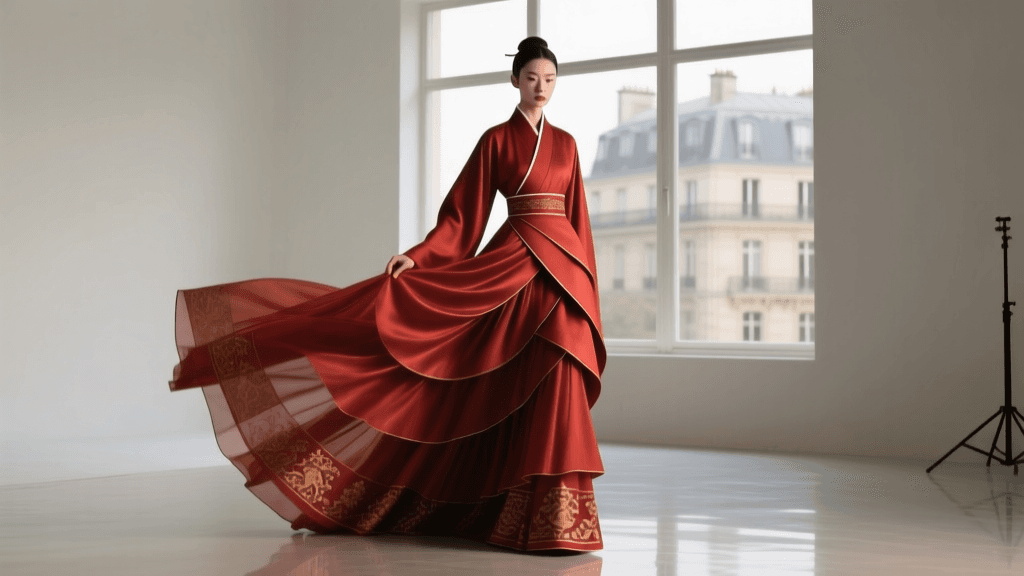
Undoubtedly, the breakout star of the 2026 runway season is the Mamianqun, or horse-face skirt. Originating in the Song and Ming dynasties, this iconic garment is characterized by its flat front and back panels flanked by intricate, overlapping side pleats. Historically, the Mamianqun was a symbol of status, woven with gold and silver threads depicting dragons, phoenixes, and auspicious clouds.
In 2026, Parisian couturiers have reimagined the Mamianqun for the modern gala. While traditional versions rely on heavy brocade, this year's runway iterations feature innovative material substitutions. Designers are utilizing lightweight, recycled metallic jacquards and vegan peace silks that maintain the skirt's architectural volume without the restrictive weight. The traditional waistband, historically fastened with ties, has been subtly modernized with hidden magnetic closures and adjustable micro-hardware, catering to the fast-paced backstage environment of fashion week.
Furthermore, the pleating techniques have evolved. While a traditional Ming Dynasty skirt might feature 12 to 16 deep pleats, 2026 haute couture versions are experimenting with micro-pleating, incorporating up to 40 heat-set pleats per side. This creates a mesmerizing, fluid kinetic effect as the model walks, catching the runway lighting in ways that heavy historical brocades simply cannot achieve.
Song Dynasty Minimalism Meets Milanese Tailoring
While the Ming Dynasty provides structural drama, the Song Dynasty's influence on the 2026 Milanese runways is defined by profound minimalism and gender-fluid silhouettes. The Beizi—a long, open-front outer cloak with side slits and straight collars—has become the foundational piece for several luxury menswear and womenswear collections this season.
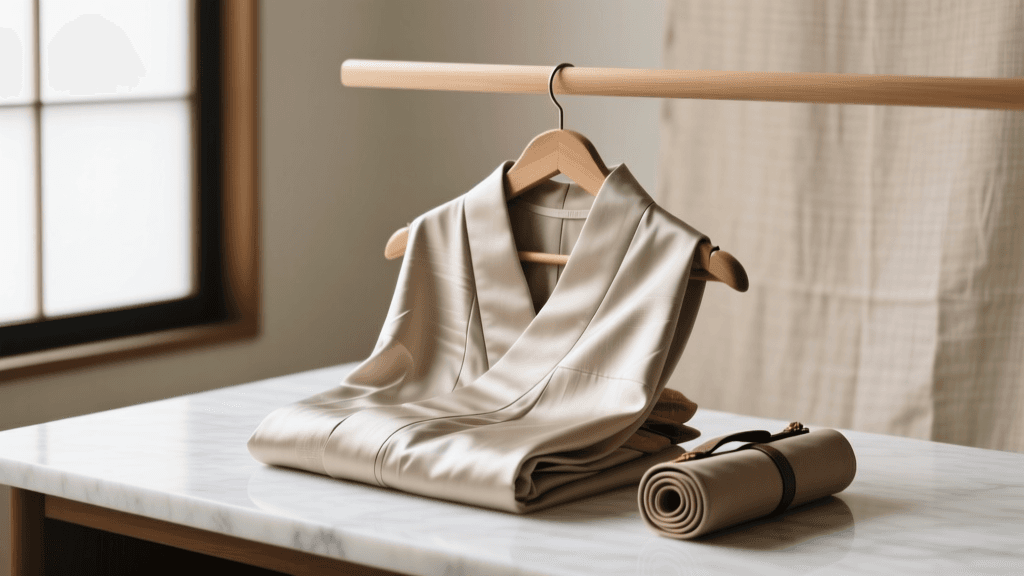
Milanese tailors, renowned for their precision, have embraced the Eastern philosophy of two-dimensional flat cutting. Unlike Western tailoring, which relies on darts and seams to sculpt the fabric to the body's three-dimensional curves, the traditional Beizi drapes naturally from the shoulders, creating an elegant, unstructured silhouette. In 2026, Italian fashion houses are crafting these garments from ultra-fine Merino wools, double-faced cashmere, and matte-finished technical nylons. The result is an outerwear piece that bridges the gap between a traditional Chinese scholar's robe and a modern, avant-garde duster coat.
Color palettes for these Song-inspired pieces heavily favor the 'ink wash' aesthetic. Runways this year are flooded with Celadon greens, misty grays, and deep indigo blues, reflecting a global consumer desire for calming, nature-inspired tones amidst a chaotic digital world.
Xiangyunsha and Eco-Dyed Silks: The 2026 Textile Revolution
The true luxury of the 2026 Hanfu runway collections lies beneath the surface in the textiles themselves. As the fashion industry faces intense scrutiny regarding its environmental impact, designers are turning to ancient, eco-friendly dyeing methods. The most highly sought-after textile this season is Xiangyunsha, also known as gambiered Guangdong silk.
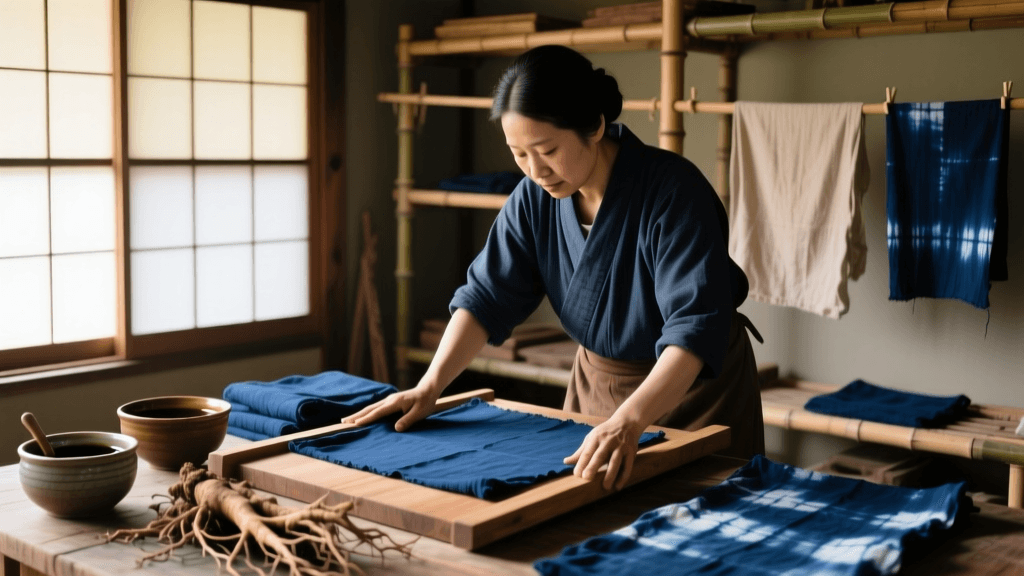
This extraordinary fabric is created through a painstaking, multi-step process that involves dyeing silk yarn with the juice of the Dioscorea cirrhosa plant (a type of yam) and then coating it with iron-rich mud from specific riverbeds in southern China. The chemical reaction between the tannins and the iron creates a unique, dual-toned fabric: a rich, dark brownish-black on one side and a glossy, golden-brown on the other. Recognized for its cultural significance, the preservation of such traditional crafts is closely monitored by organizations like the UNESCO Intangible Cultural Heritage program, which highlights the importance of safeguarding these ancient artisanal skills.
In 2026, authentic, heritage-certified Xiangyunsha commands a premium price, often ranging from $250 to $450 per meter on the wholesale luxury market. Its natural antibacterial properties, breathability, and distinct rustling sound—often compared to the whisper of wind through bamboo—make it the ultimate status symbol for eco-conscious fashion elites.
2026 Runway Hanfu Elements vs. Traditional Counterparts
To understand how far the integration of Hanfu has come, it is essential to compare the historical garments with their 2026 high-fashion adaptations. The table below outlines the key differences and innovations seen on this year's runways.
| Garment Element | Traditional Historical Counterpart | 2026 Global Runway Adaptation |
|---|---|---|
| Mamianqun Waistband | White cotton or linen, fastened with long fabric ties. | Silk-satin blend with hidden magnetic clasps and adjustable velvet ribbons. |
| Beizi Collars | Straight, parallel collars often edged with contrasting woven borders. | Asymmetrical lapels, occasionally fused with Western notch-collar tailoring. |
| Sleeve Cuffs (Hui) | Broad, sweeping sleeves with elaborate embroidered protective cuffs. | Detachable, snap-on cuffs featuring 3D-printed metallic filigree motifs. |
| Fastening Systems | Fabric knot buttons (Pankou) and ties. | Oversized, sculptural Pankou carved from sustainable tagua nut or recycled brass. |
Top 5 Hanfu Silhouettes Dominating the 2026 Runways
For fashion buyers, stylists, and enthusiasts attending international fashion weeks, recognizing the key silhouettes is crucial. Here are the top five Hanfu-inspired shapes defining the 2026 season:
- The Modernized Ruqun Set: A high-waisted, pleated skirt paired with a cropped, cross-collared top. In 2026, these are being rendered in sheer, iridescent organzas for eveningwear.
- The Structured Yuanlingpao: The traditional round-collar robe, historically worn by officials, has been adapted into tailored, floor-length wool overcoats with dramatic, padded shoulders.
- The Asymmetrical Jiaoling Youren: The classic 'cross-collar, right lapel' closure is being exaggerated, with lapels sweeping dramatically across the torso and fastening at the hip with industrial hardware.
- The Mo Xiong (Tube Top): Once an undergarment in the Song and Ming dynasties, the Mo Xiong is now worn as a standalone bodice, heavily boned and embroidered, paired with wide-leg tailored trousers.
- The Bixia (Knee Sash): Originally a decorative apron-like accessory worn over skirts, the Bixia is now being utilized as a detachable, heavily beaded train attached to modern slip dresses.
Sourcing and Styling: A Buyer’s Guide for 2026
For those looking to incorporate authentic, runway-grade Hanfu into their 2026 fashion week wardrobes, sourcing requires a strategic approach. The market is currently saturated with fast-fashion imitations, making it vital to seek out heritage brands and certified artisans.
1. Where to Source: Skip the mass-market e-commerce platforms. Instead, look for flagship boutiques in Shanghai's Xintiandi district or Paris's Le Marais, which are currently hosting pop-ups for premium Hanfu brands like Shisanyu and Minghuatang. For custom, runway-quality pieces, expect a lead time of 8 to 12 weeks and a starting price point of $1,800 for a fully embroidered Mamianqun.
2. Styling for the Front Row: The key to wearing Hanfu at a 2026 fashion week event is juxtaposition. Avoid wearing a full, historically accurate ensemble from head to toe, which can appear costumey in a contemporary setting. Instead, pair a heavily brocaded Ming Dynasty jacket with modern, high-waisted silk tuxedo trousers. Alternatively, wear a minimalist Song Dynasty Beizi over a sleek, contemporary slip dress and knee-high leather boots.
3. Accessorizing: Traditional hairpins (Zan) made of jade and gold are making a massive comeback. However, for a modern edge, opt for 2026's trending hair accessories: minimalist titanium hair sticks or velvet chokers that mimic the layering of traditional necklaces. Footwear should remain grounded; while traditional cloud-toe shoes are beautiful, a pointed-toe leather mule or a sleek stiletto ankle boot provides the necessary architectural balance to the voluminous skirts.
The Cultural Impact and the Future of Heritage Fashion
The integration of Hanfu into the 2026 global runway circuit represents more than just a passing trend; it is a profound reclamation of cultural narrative. For decades, Asian fashion on the global stage was often filtered through a Westernized lens, relying on vague orientalist tropes. Today, the designers leading this charge—many of whom are of Chinese descent or work directly with Chinese heritage institutions—are dictating the terms of engagement. They are demanding that the intricate history, philosophical underpinnings, and technical mastery of traditional Chinese garments be respected and understood.
As we move through the 2026 fashion calendar, it is clear that Hanfu has transcended its historical boundaries. It is no longer just a garment of the past, but a living, breathing component of the global fashion lexicon. Whether through the sweeping pleats of a Mamianqun or the quiet luxury of a gambiered silk cloak, the legacy of Asian traditions continues to shape the future of haute couture, proving that true elegance is, and always will be, timeless.