Xin Zhongshi at Paris Fashion Week 2026: A Global Shift
The Global Awakening of Xin Zhongshi in 2026
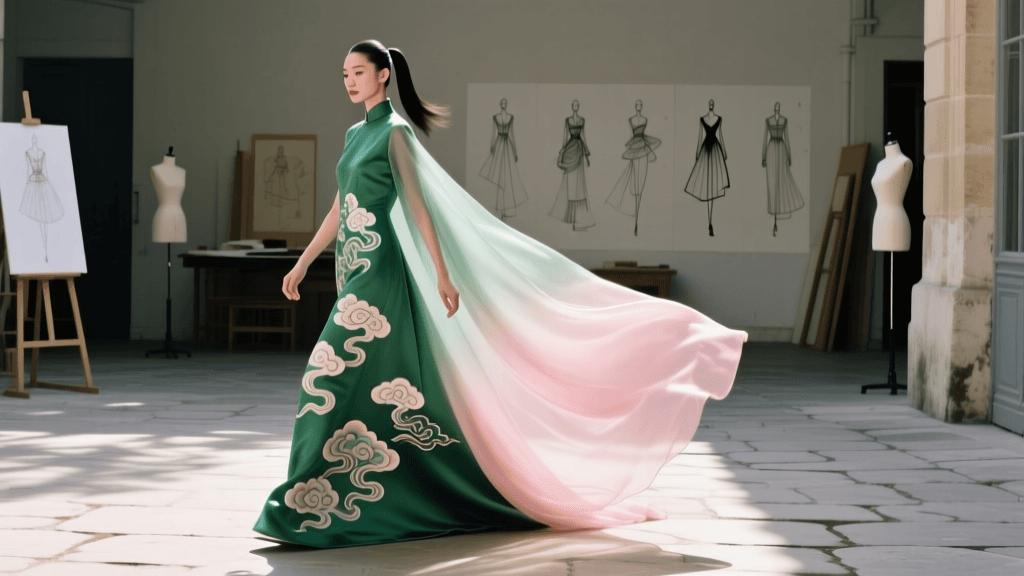
As the lights dimmed at the Grand Palais for the Paris Fashion Week Spring/Summer 2026 shows, a distinct sartorial narrative emerged from the avant-garde: the undeniable global triumph of Xin Zhongshi (新中式), or the 'New Chinese Style.' No longer confined to niche domestic markets or relegated to the realm of costume, traditional Chinese garments and textiles have been radically deconstructed and reimagined by a new vanguard of designers. In 2026, the integration of ancient weaving techniques, historical silhouettes, and indigenous dyeing processes into high fashion is not merely a trend; it is a structural shift in the global luxury paradigm. This movement transcends the superficial application of oriental motifs, opting instead for a profound engagement with the architectural and material heritage of Chinese dress.
The 2026 runway season has proven that international audiences and buyers are actively seeking garments that carry deep cultural provenance, provided they are translated through a contemporary, wearable lens. From the meticulous pleating of the Mamianqun to the earthy, complex tones of Xiangyunsha silk, Chinese fashion houses are dictating global textile trends. This article explores the specific garments, materials, and exhibition influences that have propelled Xin Zhongshi to the forefront of international design weeks this year, offering a comprehensive guide for collectors, buyers, and cultural enthusiasts.
Deconstructing the Runway: Key Garments and Textiles
The success of Xin Zhongshi on the global stage in 2026 hinges on the masterful manipulation of heritage textiles. Designers are treating historical fabrics not as delicate museum artifacts, but as robust, innovative materials capable of withstanding the demands of modern urban life and high-concept couture.
The Mamianqun (Horse-Face Skirt) Reimagined
The Mamianqun, a traditional Hanfu skirt characterized by its flat front and back panels with heavily pleated sides, has become a staple in the 2026 Paris and Milan collections. Historically worn by women of the Ming and Qing dynasties, the skirt's architectural pleating offers a unique canvas for modern designers. This year, we have witnessed the introduction of bio-resin set pleats, allowing the skirt to maintain its crisp, origami-like structure even in high humidity or heavy rain. Designers are experimenting with asymmetrical hems and integrating recycled PET yarns woven with traditional mulberry silk, creating a garment that is both historically resonant and aligned with 2026's stringent sustainability mandates. The flat panels are increasingly being utilized as canvases for subtle, tonal Jacquard weaving, moving away from loud, contrasting embroidery toward a more refined, stealth-wealth aesthetic.
Xiangyunsha: The 'Soft Gold' of the Runways
Xiangyunsha, or Gambiered Canton Gauze, is arguably the most celebrated textile of the 2026 international fashion calendar. Originating from Foshan in Guangdong province, this silk is dyed using the juice of the Shuliang (薯莨) yam and coated with iron-rich river mud, resulting in a distinctive dark, earthy hue with a subtle, leathery sheen on one side and a matte finish on the other. Historically reserved for lightweight summer tunics, Xiangyunsha is being utilized in 2026 for structured outerwear, tailored blazers, and even evening wear. The natural stiffness of the mud-coated silk lends itself perfectly to sharp, architectural tailoring, while its breathable, antibacterial properties make it highly desirable for luxury trans-seasonal layering. The crackled, organic texture of the fabric provides a striking contrast to the pristine, synthetic finishes often seen in Western luxury houses.
Material Comparison: Heritage vs. 2026 Haute Couture
To understand the depth of the Xin Zhongshi movement, one must examine how traditional applications have been adapted for the modern runway. The following table outlines the evolution of key textiles and garments as seen in the 2026 international design weeks.
| Textile / Garment | Traditional Application | 2026 Runway Adaptation | Key Design Innovations |
|---|---|---|---|
| Xiangyunsha Silk | Summer tunics, lightweight linings, casual wear | Structured outerwear, tailored blazers, laser-cut lapels | Mud-coating manipulation for matte/shine contrast patterns |
| Mamianqun | Everyday Hanfu skirt, formal ceremonial wear | Asymmetrical hems, modular layering, urban streetwear | Bio-resin pleat setting, tonal Jacquard weaving |
| Song Brocade | Ceremonial robes, heavy upholstery, imperial court | Blended with merino wool for luxury knitwear, corsetry | Digitized loom programming for micro-pattern scaling |
| Pan Kou (Knots) | Functional closures on Qipao and traditional jackets | Oversized structural hardware, sculptural fasteners | 3D printed titanium and carved jade composite knots |
| Xiangyunsha | Simple flat cutting to preserve the delicate fabric | Bias cutting, draping, and complex darting | Enzymatic softening treatments for fluid drape analysis |
Institutional Validation: Museums and Exhibitions
The explosion of Xin Zhongshi on the runways is deeply intertwined with the rigorous academic and curatorial work happening within major global institutions. In 2026, the dialogue between the runway and the museum archive is more fluid than ever. Designers are frequently collaborating with historians and textile conservators to ensure their adaptations respect the structural integrity of the original garments.
The Victoria and Albert Museum's Asian collections in London have been instrumental in providing designers access to rare Ming dynasty textiles and Qing dynasty tailoring techniques. Recent symposiums hosted by the V&A have focused on the 'fabric drape analysis' of historical Chinese garments, utilizing 3D scanning to understand how ancient pleating and bias-cutting techniques influenced the movement of the body. This data has been directly translated into the pattern-making software used by contemporary design houses.
Similarly, The Metropolitan Museum of Art's Asian Art department in New York continues to serve as a vital research hub. The MET's extensive collection of imperial silks and minority group textiles from the Silk Road exchanges provides a wealth of inspiration for color palettes and motif integration. In 2026, several emerging designers showcased in Paris cited specific MET archive pieces as the direct inspiration for their Song brocade weaves and natural indigo dyeing processes, proving that academic research is a driving force behind commercial fashion innovation.
Sourcing and Collecting: A Buyer's Guide for 2026
For collectors, boutique buyers, and serious enthusiasts looking to acquire authentic Xin Zhongshi pieces in 2026, navigating the market requires a discerning eye and an understanding of textile provenance. The market is currently saturated with mass-produced imitations that mimic the aesthetic without the material integrity. Here is an actionable guide to sourcing authentic, high-quality pieces.
Authenticating Xiangyunsha
True Xiangyunsha is an Intangible Cultural Heritage of China, and its production is strictly limited to specific regions in Foshan, Guangdong, where the iron-rich river mud is found. When purchasing Xiangyunsha garments in 2026, look for the official Foshan Intangible Cultural Heritage authentication seal, usually embedded in the garment's care label or accompanied by a digital NFC tag. The fabric should have a distinct, earthy scent reminiscent of dried grass and damp earth, which fades slightly over time but never entirely disappears. The 'crackle' effect on the dark side should be organic and irregular; perfectly uniform cracking indicates a synthetic, factory-printed imitation.
Understanding Price Brackets
The pricing for authentic Xin Zhongshi varies wildly based on the designer, the complexity of the textile, and the production method.
- Contemporary Commercial (500 USD - 1,500 USD): These pieces typically feature machine-woven Song brocade blends and standardized Mamianqun pleating. They are excellent for everyday wear and entry-level collecting.
- Avant-Garde Designer (2,000 USD - 6,000 USD): This tier includes pieces from established independent designers showing at Shanghai Fashion Week and Paris. Expect custom-woven Xiangyunsha, hand-finished Pan Kou knots, and complex, zero-waste pattern cutting.
- Haute Couture and Archival (10,000 USD - 50,000+ USD): Reserved for made-to-measure pieces from top-tier couture houses. These garments often incorporate antique textile fragments, hand-loomed silk that takes months to produce, and bespoke hardware carved from precious stones.
Care and Storage Maintenance
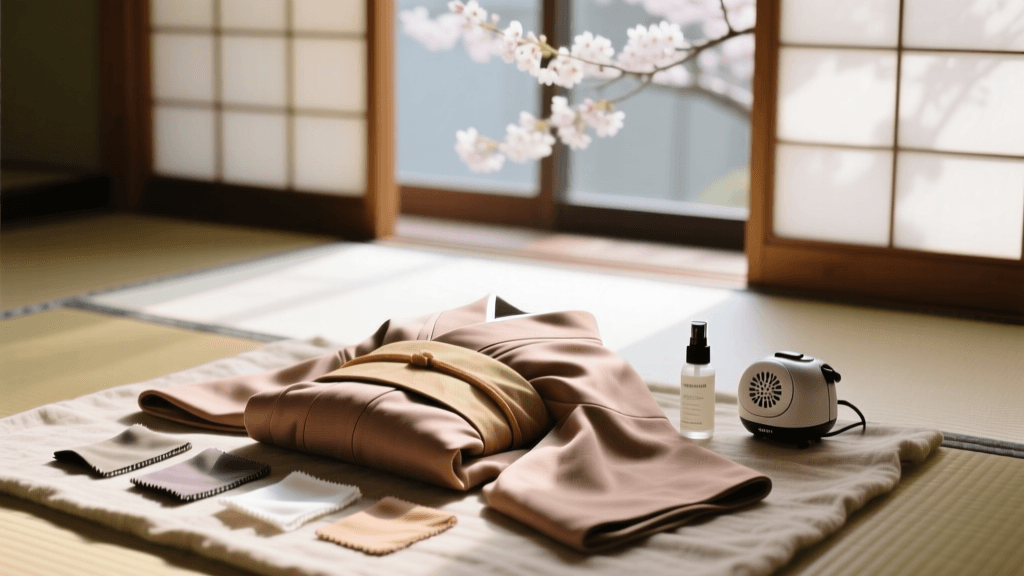
Maintaining these garments requires specific protocols. Xiangyunsha, due to its mud and yam juice coating, is highly sensitive to alkaline substances. It must only be washed with pH-neutral, specialized silk detergents. Never wring or machine-dry Xiangyunsha; it must be gently pressed between towels to remove excess water and dried flat in the shade. For storage, avoid wire hangers which can distort the shoulder structure of tailored jackets; use padded, cedar-wood hangers to maintain the garment's architectural shape and repel moisture. Mamianqun skirts should be stored flat or rolled to prevent the bio-resin pleats from developing permanent stress fractures at the fold lines.
Conclusion
The presence of Chinese fashion in international design weeks and exhibitions in 2026 marks a definitive maturation of the Xin Zhongshi movement. It is no longer about translating Western silhouettes with Eastern textiles, but rather about exporting Eastern sartorial philosophies—such as the flat-cutting tradition, the reverence for natural dyeing, and the modularity of garments like the Mamianqun—to a global audience. As museum archives continue to inform runway innovations, and as sustainable, heritage-based textiles like Xiangyunsha gain international acclaim, the New Chinese Style has firmly established itself as a permanent, influential pillar of the global fashion landscape. For the discerning collector, 2026 offers an unprecedented opportunity to invest in garments that are not only masterpieces of modern design but also vital continuations of an ancient, living textile tradition.