Xin Zhongshi Paris Fashion Week 2026: Runway Trends
The Global Ascent of Xin Zhongshi in 2026
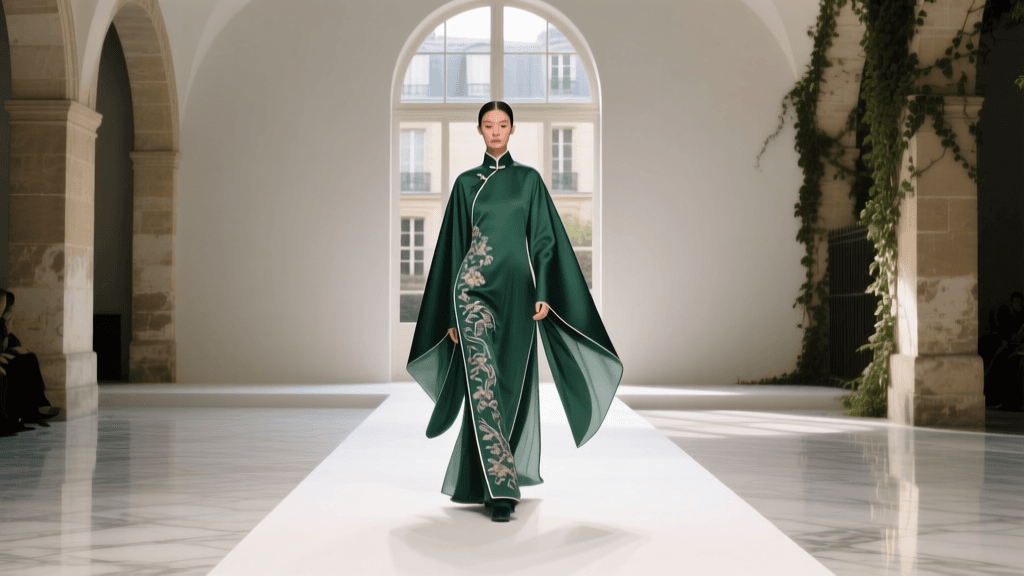
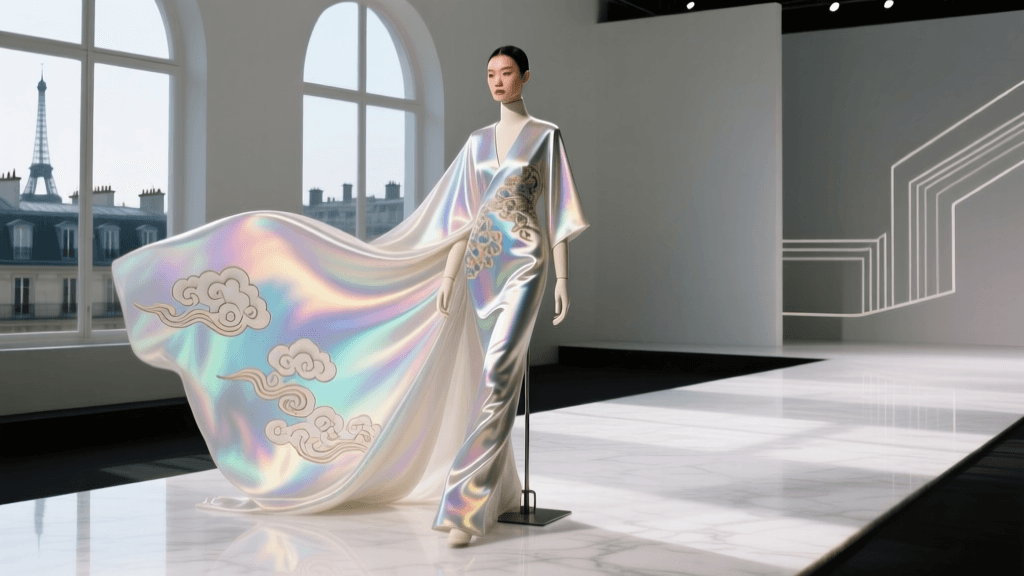
Paris Fashion Week 2026 marked a definitive turning point in the global appreciation of Asian traditional garments, specifically through the explosive mainstream adoption of Xin Zhongshi (新中式), or the 'New Chinese Style.' Moving far beyond the superficial Orientalism and cliché cheongsam adaptations of the early 2010s, the 2026 runway season showcased a profound, structural, and historically grounded dialogue between ancient Chinese textile heritage and avant-garde European tailoring. Designers are no longer merely applying traditional motifs to Western silhouettes; instead, they are deconstructing the very architecture of Han, Tang, and Ming dynasty garments to create a wholly new sartorial vocabulary that resonates on the international stage.
This year's presentations in Paris highlighted a mature, sophisticated approach to cultural heritage. The focus has shifted toward the tactile and the technical—celebrating the drape, weight, and acoustic properties of heritage fabrics. As global audiences become more educated on the nuances of Asian traditions, the demand for authenticity in fabric sourcing and historical accuracy in garment construction has reached an all-time high, fundamentally altering the luxury fashion landscape for 2026.
Xiangyunsha Silk: The Star of the Parisian Runways
At the heart of the most critically acclaimed 2026 collections was Xiangyunsha (香云纱), also known as Gambiered Canton Gauze. Originating from the Guangdong province, this extraordinary silk is celebrated for its unique, almost leathery texture, its waterproof qualities, and its distinct crackled surface. On the Parisian runways this year, Xiangyunsha was utilized not for flowing, ethereal gowns, but for sharply tailored outerwear, structured corsetry, and architectural trousers that defied traditional expectations of silk.
The Alchemy of Mud and Sun
To understand why Xiangyunsha captivated the international fashion press in 2026, one must understand its grueling, alchemical production process. The silk is repeatedly soaked in the astringent juice of the Shuliang (薯莨) yam, a process that can involve up to thirty separate dippings. Following this, the fabric is coated with iron-rich river mud from the Pearl River Delta. The chemical reaction between the tannins in the yam juice and the iron in the mud creates a dark, lustrous, and highly durable finish. Finally, the silk is laid out on grassy fields to bake under the intense southern sun. This reliance on specific regional geography and weather makes authentic Xiangyunsha incredibly rare and highly prized by luxury houses. Recognizing its cultural significance, the traditional craftsmanship of Chinese sericulture and silk weaving has been formally acknowledged by global heritage organizations, as detailed in the UNESCO Intangible Cultural Heritage registry.
PFW 2026: Traditional Elements vs. Modern Adaptations
The 2026 runway season was defined by a deliberate juxtaposition of ancient forms and hyper-modern utility. Below is a breakdown of how key traditional Chinese elements were reimagined for the contemporary global wardrobe this year.
| Traditional Element | Historical Origin | 2026 Runway Adaptation | Key Design Feature |
|---|---|---|---|
| Mamianqun (Horse-face skirt) | Ming Dynasty | Asymmetrical wrap skirts with tech-wear hardware | Heat-sealed seams and magnetic closures replacing traditional ties |
| Xiangyunsha Silk | Qing Dynasty Guangdong | Oversized tailored trench coats and structured bodices | Bonded with organic cotton for added structural rigidity |
| Song Brocade (Songjin) | Song Dynasty | 3D-printed metallic thread weaving for evening wear | Integration of conductive threads for subtle, responsive luminescence |
| Piling (Cloud Shoulder) | Han/Ming Ceremonial | Detachable modular collars for layered streetwear | Waterproof nylon bases with traditional silk embroidery overlays |
This table illustrates the core philosophy of the 2026 Xin Zhongshi movement: respect for the historical silhouette, but an uncompromising commitment to modern functionality and material innovation.
Museum Exhibitions: Archiving the New Chinese Aesthetic
The influence of Chinese fashion in 2026 extends far beyond the commercial runways; it has deeply penetrated the world's most prestigious cultural institutions. This year, major exhibitions in London and Paris have pivoted from displaying ancient textiles solely as historical artifacts to presenting them in direct conversation with contemporary Xin Zhongshi designers. This curatorial shift validates modern Chinese fashion as a living, breathing continuation of an unbroken textile lineage.
Curatorial Highlights from London and Paris
Institutions such as the Victoria and Albert Museum's Asian collections have been instrumental in contextualizing these modern garments. Their 2026 programming has featured side-by-side comparisons of 18th-century court robes and contemporary deconstructed jackets, allowing visitors to trace the evolution of the 'cross-collar right lapel' (交领右衽) and the intricate knotting techniques that define traditional Chinese tailoring. Similarly, the British Museum's Asia collection has hosted symposiums exploring the Silk Road's historical impact on modern global supply chains, drawing direct lines from ancient caravan routes to the digital showrooms of today's Paris Fashion Week.
These exhibitions are crucial for enthusiasts and collectors, as they provide the historical literacy required to appreciate the nuances of modern Xin Zhongshi. Understanding the difference between a Tang dynasty round-collar robe and a Ming dynasty standing collar allows the modern consumer to recognize the specific historical references a designer is making on the runway.
Practical Guide: Sourcing and Caring for Runway Xin Zhongshi
For collectors, curators, and enthusiasts looking to acquire pieces from the 2026 Xin Zhongshi collections, understanding the specific care requirements of these heritage textiles is paramount. The fusion of traditional organic dyes with modern structural tailoring requires a highly specialized approach to garment maintenance.
Sourcing Authentic Heritage Silks
When sourcing Xiangyunsha or Song brocade pieces, provenance is everything. In 2026, the market has seen an influx of synthetic imitations that mimic the crackled look of Gambiered Canton Gauze through chemical distressing. Authentic Xiangyunsha will have a distinct, earthy scent reminiscent of sweet potatoes and river clay, which fades only slightly over time. Furthermore, genuine Xiangyunsha is never perfectly uniform; the sun-baking process leaves subtle variations in color and texture that are the hallmarks of handcrafted heritage textiles. Always request certification of origin from the Guangdong Xinhui or Shunde districts when purchasing high-end pieces.
Storage and Maintenance Protocols
Caring for Xin Zhongshi garments, particularly those utilizing organic dyes and delicate brocades, requires strict adherence to traditional preservation methods updated for modern climates:
- Washing: Never use alkaline detergents on Xiangyunsha or Song brocade, as they will strip the tannins and ruin the mud-dye chemical bond. Use a pH-neutral, specialized silk wash, and always wash in cold water. For structured runway pieces, professional dry cleaning with eco-friendly, non-toxic solvents is mandatory.
- Drying: Avoid direct sunlight, which can cause the organic yam dyes to oxidize and fade unevenly. Dry flat in a well-ventilated, shaded area.
- Storage: Heritage silks must be stored in a climate-controlled environment with a relative humidity of 45% to 55%. Use acid-free tissue paper to stuff the sleeves and bodices of structured garments to maintain their architectural shape. Never hang heavy Xiangyunsha coats on wire hangers; use wide, padded wooden hangers to distribute the weight and prevent shoulder deformation.
- Pest Control: Avoid commercial mothballs, which contain harsh chemicals that react poorly with natural dyes. Instead, use traditional sachets filled with dried mugwort, cloves, and sandalwood to repel insects while imparting a subtle, complementary fragrance to the silk.
The 2026 international design season has unequivocally proven that Xin Zhongshi is not a fleeting trend, but a permanent evolution of global luxury fashion. By honoring the ancient techniques of the Silk Road and adapting them for the modern wardrobe, Chinese designers are rewriting the rules of international style, ensuring that the rich tapestry of Asian traditions continues to drape the future.