Xin Zhongshi Runway Trends at Paris Fashion Week 2026 Reviewed
The Global Ascent of Xin Zhongshi in 2026
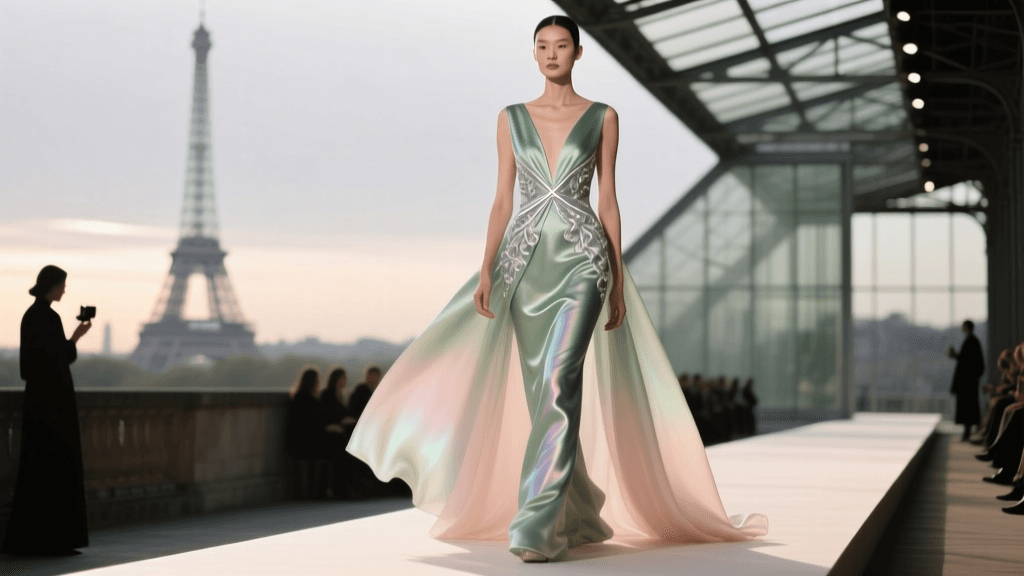
As the global fashion industry pivots further toward quiet luxury and heritage-driven craftsmanship, the Spring/Summer and Autumn/Winter 2026 seasons at Paris Fashion Week have been unequivocally defined by the Xin Zhongshi (新中式) movement. Translating to "New Chinese Style," this design philosophy has evolved far beyond the superficial application of mandarin collars or brocade patterns. In 2026, Xin Zhongshi represents a profound structural and textile-level integration of ancient Chinese garment engineering with contemporary European tailoring. International buyers, critics, and enthusiasts flocking to Paris this year are witnessing a masterclass in how millennia-old techniques are being adapted for the modern global wardrobe.
The 2026 runways have showcased a departure from the loud, logo-centric streetwear of the early 2020s. Instead, top-tier Chinese designers and international heritage houses collaborating with Chinese artisans are presenting garments that prioritize drape, natural fiber manipulation, and philosophical minimalism. Drawing inspiration from the fluid silhouettes of the Song Dynasty and the structured elegance of Ming Dynasty formalwear, the current Paris exhibitions highlight a sophisticated dialogue between East and West. This article breaks down the defining textile trends, runway silhouettes, and practical sourcing guides for the 2026 Xin Zhongshi movement.
Star Heritage Textiles on the 2026 Runways
Xiangyunsha: The Crackle of Gambiered Silk
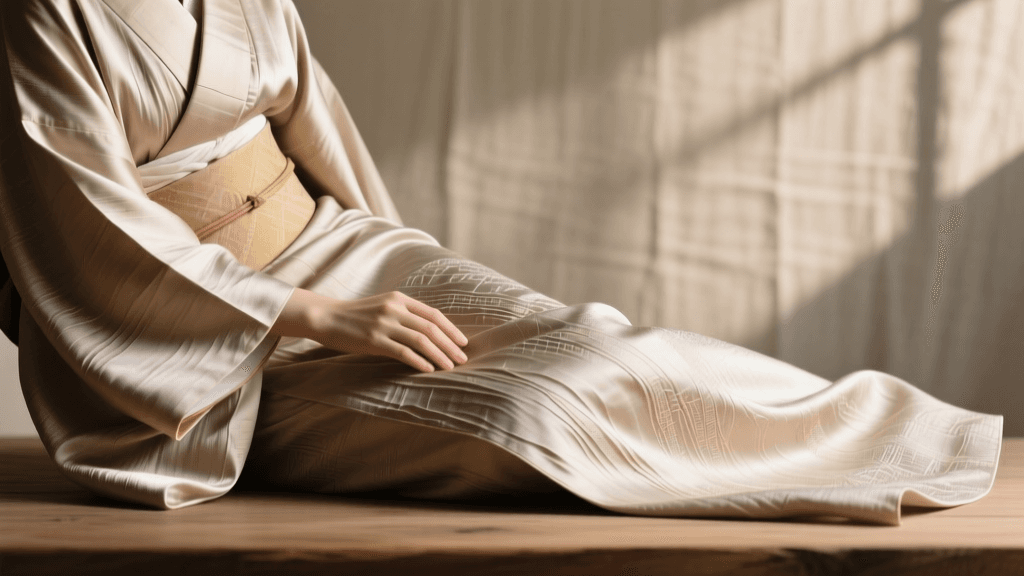
Perhaps the most celebrated material of Paris Fashion Week 2026 is Xiangyunsha, or gambiered Guangdong silk. Recognized for its complex, labor-intensive dyeing process, this textile has become the cornerstone of the new wave of Chinese avant-garde and luxury prêt-à-porter. The fabric is dyed using the tannin-rich juice of the Dioscorea cirrhosa tuber, then coated with iron-rich river mud from the Shunde region, and finally baked in the sun. This reaction creates a unique, dual-toned fabric—deep chestnut brown on one side and glossy black on the other—with a distinctive papery "crackle" sound when the wearer moves.
According to the UNESCO Intangible Cultural Heritage registry, the sericulture and silk craftsmanship of China represent a vital lineage of human ingenuity. In 2026, designers are utilizing Xiangyunsha not just for traditional flowing robes, but for structured trench coats, wide-leg tailored trousers, and asymmetrical blazers. The fabric's natural stiffness and water-resistant properties make it an ideal, sustainable alternative to synthetic technical outerwear, perfectly aligning with the 2026 eco-mandates of the European luxury market.
Su Embroidery and Kesi Tapestry in Modern Tailoring
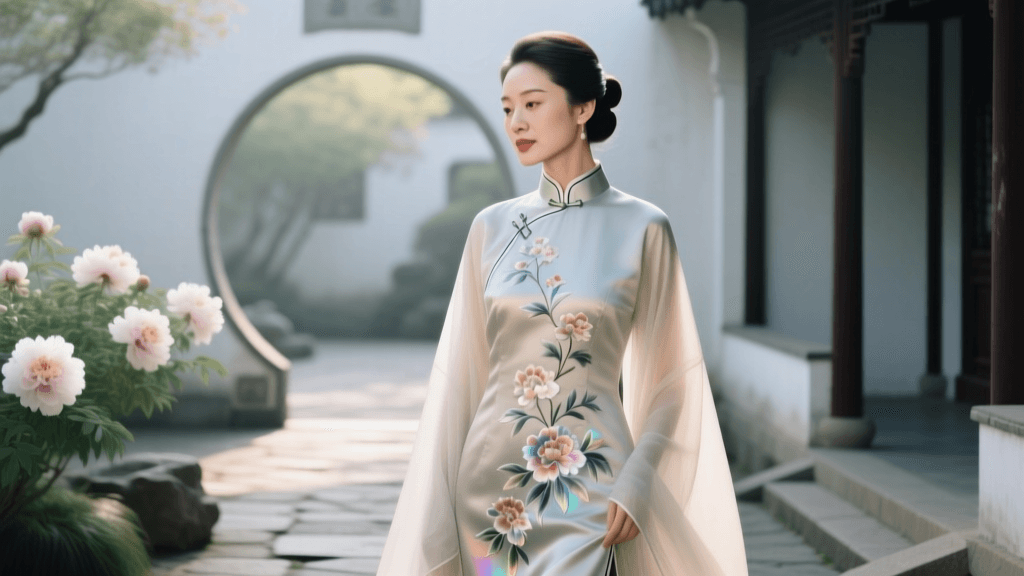
While Xiangyunsha provides the structural foundation, Su embroidery and Kesi (cut silk tapestry) are providing the intricate detailing seen in the 2026 haute couture and premium ready-to-wear presentations. Su embroidery, originating from Suzhou, is famous for its "split-thread" technique, where a single silk filament is divided into fractions as thin as 1/32nd of its original width. This allows for photorealistic shading and gradient effects that mimic traditional ink-wash paintings.
On the 2026 runways, we are seeing Su embroidery applied to sheer organza overlays and integrated into the lapels of wool-blend suits. Meanwhile, Kesi—a technique where the weft threads are cut and turned back to create sharp, unslit color boundaries—is being used to craft entire bodices and structured corsetry. The historical significance of these techniques is profound; as noted by The Metropolitan Museum of Art's Asian Art archives, Chinese silk craftsmanship has historically dictated global trade and aesthetic standards along the Silk Road. Today, that legacy is being reclaimed on the Parisian runways, positioning these textiles as the ultimate markers of 2026 luxury.
The Mamianqun Silhouette: From History to Haute Couture
The Mamianqun, or "horse-face skirt," has experienced a massive renaissance in 2026. Characterized by its overlapping front and back panels, flat side pleats, and heavily decorated waistbands, this Ming Dynasty staple has been reimagined for modern mobility. Designers at Paris Fashion Week have adapted the Mamianqun using heavy silk faille, vegan leather, and even upcycled denim. The overlapping panels provide a dynamic, kinetic movement on the runway, offering a sophisticated alternative to the standard Western slit skirt. For international buyers, the Mamianqun has emerged as the highest-converting SKU in the Xin Zhongshi category for the 2026 retail season, appealing to consumers seeking modesty, historical resonance, and architectural draping.
2026 Runway Trend Comparison: Traditional vs. Avant-Garde
For boutique owners, fashion journalists, and private clients attending the 2026 exhibitions, understanding the segmentation of the Xin Zhongshi market is crucial. Below is a comparative analysis of the primary design directions dominating the Paris showrooms this year.
| Design Direction | Primary Textile | 2026 Silhouette Focus | Target Demographic | Estimated Retail Price (USD) |
|---|---|---|---|---|
| Neo-Scholar Minimalism | Raw Hemp & Xiangyunsha | Drop-shoulder tunics, wide-leg Song trousers | Quiet Luxury Consumers, Art Collectors | $1,200 - $3,500 |
| Avant-Garde Heritage | Kesi Tapestry & Structured Silk | Asymmetrical corsetry, architectural Mamianqun | High-Fashion Editorials, Met Gala Attendees | $4,000 - $12,000 |
| Urban Street-Zhongshi | Brocade Blends & Technical Nylon | Mandarin-collar bombers, pleated midi-skirts | Gen Z, Streetwear Enthusiasts | $450 - $950 |
| Couture Embroidery | Su Embroidered Organza | Sheer layering, trailing evening gowns | Bridal, Red Carpet, Private Couture Clients | $15,000 - $45,000+ |
A Buyer’s Guide to 2026 Paris Showrooms and Exhibitions
Attending Paris Fashion Week as a buyer or private collector requires strategic planning, especially when navigating the specialized Xin Zhongshi showrooms, which are often located outside the traditional Grand Palais circuit. In 2026, many premier Chinese heritage brands have opted for intimate, appointment-only presentations in the Le Marais district and the historic courtyards of the Palais de Tokyo.
Scheduling and Platform Navigation
Most high-end Xin Zhongshi brands now utilize B2B platforms like JOOR or NuOrder for their 2026 wholesale lines. However, securing a viewing for bespoke or heritage-textile pieces (like authentic Xiangyunsha, which requires months of lead time due to weather-dependent sun-baking) requires direct outreach. Buyers should initiate contact with brand PR representatives at least 45 days prior to PFW. When requesting appointments, explicitly state your interest in "heritage textile allocations" to be routed to the correct senior sales directors.
Showroom Etiquette and Sizing Nuances
When evaluating traditional Chinese garments, standard Western sizing charts do not apply. The Xin Zhongshi aesthetic relies heavily on the "flat-cutting" method, where garments are constructed from flat planes of fabric rather than darted to fit the body's curves. This creates a volumetric, architectural drape that only reveals its true shape when in motion. Buyers are advised to request live fittings or video drape analyses rather than relying on static mannequin displays. Furthermore, handling heritage silks like Kesi requires clean hands and an understanding of the fabric's delicate weft structure; always ask the showroom attendant for handling protocols before touching the garments.
Logistics and Import Considerations
For international boutiques importing Xiangyunsha or Su embroidery pieces in 2026, customs and textile certification are paramount. The European Union's updated 2026 sustainability and traceability mandates require detailed documentation of natural dyes and animal-derived fibers. Reputable Chinese heritage brands will provide a "Textile Passport"—a digital and physical ledger detailing the geographic origin of the silk, the specific artisan village responsible for the dyeing, and the botanical sources of the pigments. Ensure your import broker is familiar with these specific cultural heritage certifications to avoid delays at customs.
Sustainability and the Future of Chinese Heritage Fashion
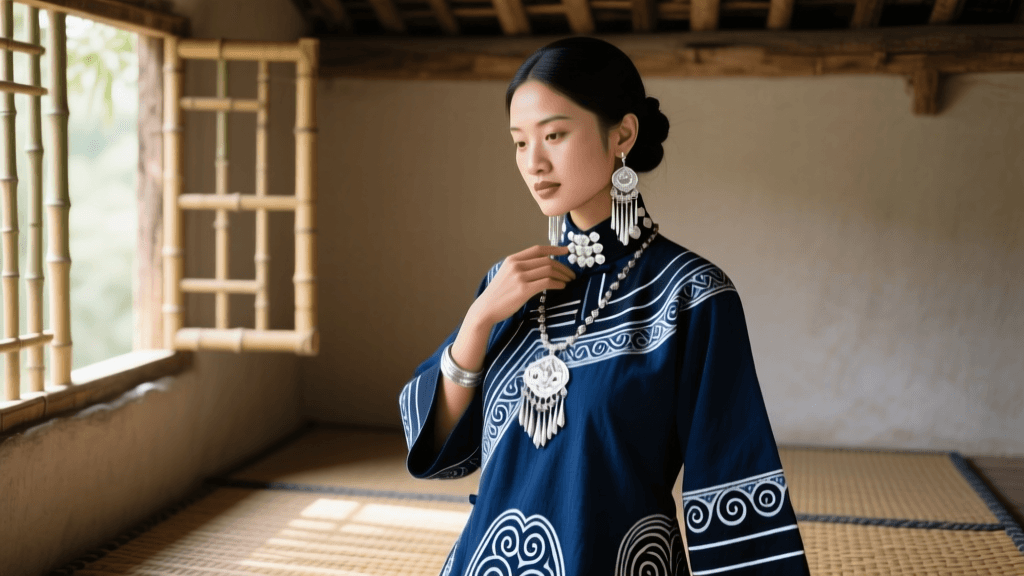
The dominance of Xin Zhongshi in 2026 is not merely an aesthetic trend; it is a response to the fashion industry's urgent need for sustainable practices. The traditional methods underpinning this movement are inherently eco-conscious. The use of plant-based dyes, such as the yam tuber used in Xiangyunsha or the indigo fermentation techniques of Guizhou province, eliminates the toxic runoff associated with synthetic textile coloring. Furthermore, the "zero-waste" flat-cutting patterns of historical Hanfu and Song-era garments are being studied by 2026 design students as blueprints for sustainable pattern-making.
As Paris Fashion Week 2026 draws to a close, it is evident that Chinese traditional garments are no longer relegated to museum archives or niche cultural festivals. Through the Xin Zhongshi movement, these ancient textiles and silhouettes have secured a permanent, influential seat at the table of global high fashion. For collectors, buyers, and enthusiasts, investing in these pieces is an investment in wearable history, artisanal survival, and the cutting edge of 2026 sustainable luxury.