Kimono Fabric Sounds & Sensory Textures Guide 2026
The Multisensory World of the Kimono in 2026
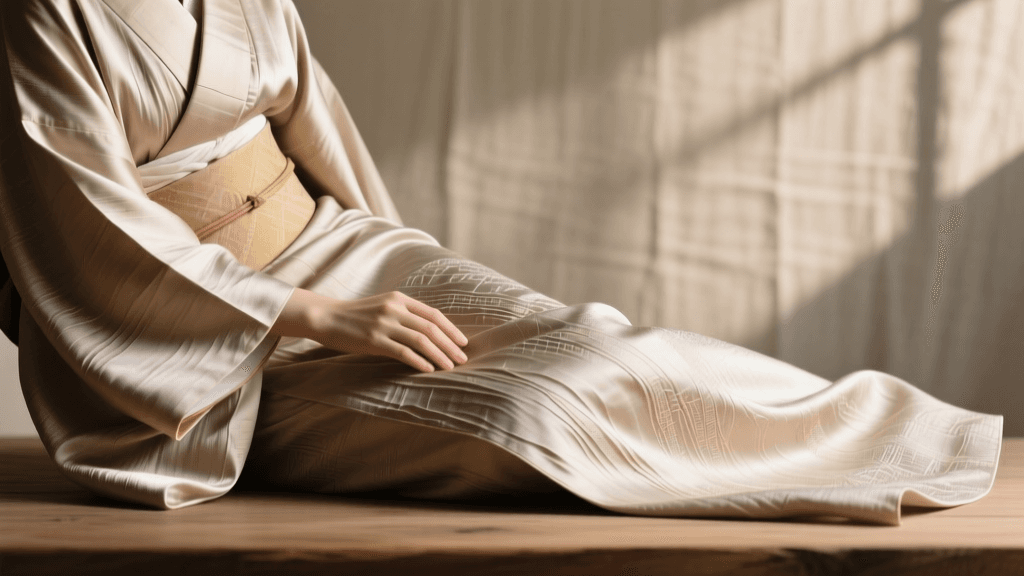
In the contemporary fashion landscape of 2026, there is a profound global shift toward 'multisensory heritage.' While modern garments are predominantly judged by their visual aesthetics, traditional Japanese clothing offers a far richer, more immersive experience. The kimono is not merely something you see; it is something you hear, feel, and even smell. For centuries, the auditory and tactile properties of kimono fabrics have been meticulously engineered by master weavers, creating a sensory profile that is entirely unique to Japanese textile arts.
As we navigate the cultural preservation movements of 2026, institutions and artisans are placing renewed emphasis on these non-visual elements. The rustle of silk against silk, the crisp snap of summer linen, and the matte, earthy warmth of hand-spun pongee are now being celebrated in multisensory exhibitions worldwide. Understanding the acoustic and tactile signatures of these fabrics is essential for any collector, practitioner, or enthusiast looking to fully appreciate the art of the kimono today.
The Acoustic Signature of Silk: Habutae vs. Chirimen
The Japanese language features specific onomatopoeia to describe the sounds of textiles, the most famous being sari-sari or shari-shari. This is the crisp, high-pitched rustling sound produced when layers of silk rub against one another. In traditional aesthetics, this sound is known as kinu-oto (the sound of silk), and it is considered a hallmark of elegance and refinement.
The science behind the kinu-oto lies in sericin, the natural protein gum that coats silk fibers. During the weaving of certain fabrics, a precise amount of sericin is intentionally left on the threads. When the wearer moves, the microscopic friction between these sericin-coated fibers generates the signature rustle. Different weaving techniques manipulate this friction to create distinct acoustic profiles:
- Habutae (Plain Weave Silk): Habutae is woven with highly refined, degummed silk threads. The result is a fabric that is buttery smooth and virtually silent. It glides against the skin and other layers with a soft, muted whisper, making it the preferred choice for formal, serene occasions where quiet grace is paramount.
- Chirimen (Silk Crepe): Chirimen is created by twisting the weft threads tightly before weaving, then allowing them to relax and contract. This creates a pebbled, textured surface. The uneven topography of chirimen increases surface friction, resulting in a much louder, crisper sari-sari sound. Historically, geisha and maiko favored chirimen kimonos because the acoustic signature would announce their presence in the narrow, winding alleyways of Kyoto's hanamachi (flower towns) before they were even seen.
- Rinzu (Silk Damask): Featuring woven geometric or floral patterns, rinzu has a varying acoustic profile depending on the density of the satin weave. It produces a soft, rhythmic swishing sound, bridging the gap between the silence of habutae and the crispness of chirimen.
Tactile Landscapes: Tsumugi, Asa, and the Art of Touch
Beyond sound, the tactile experience of a kimono is deeply tied to Japan's seasonal consciousness. The way a fabric feels against the skin dictates not only physical comfort but also psychological alignment with the changing environment.
Tsumugi (Pongee) represents the pinnacle of tactile warmth and rustic elegance. Woven from hand-spun silk noil (the shorter fibers left over after reeling continuous filament silk), tsumugi has a nubby, uneven texture that feels remarkably similar to fine wool or raw cotton. Despite its matte appearance and rustic feel, it is pure silk. The most famous variety, Oshima Tsumugi, is dyed using iron-rich mud, which imparts a unique, earthy scent and a remarkably soft, pliable hand-feel that improves with decades of wear. In 2026, vintage Oshima Tsumugi pieces remain highly sought after for their unparalleled tactile comfort and structural drape.
Asa (Linen and Ramie) provides the ultimate summer sensory experience. Unlike the soft drape of silk, asa is stiff, crisp, and cool to the touch. The fibers are hollow, allowing for exceptional breathability and moisture-wicking. When worn, an asa kimono does not cling to the skin; instead, it stands slightly away from the body, creating a microclimate of cool air. The tactile sensation is papery and sharp, offering a refreshing physical contrast to the humid Japanese summers.
2026 Sensory Kimono Fabric Comparison Chart
To help you select the right garment for your desired sensory experience, refer to this comprehensive comparison of traditional fabrics available in the 2026 market.
| Fabric Type | Japanese Name | Acoustic Profile | Tactile Sensation | Ideal 2026 Season |
|---|---|---|---|---|
| Plain Silk | Habutae | Soft, quiet glide | Cool, buttery smooth | Spring / Autumn |
| Silk Crepe | Chirimen | Crisp, high-pitch rustle | Textured, pebbled, grippy | All Seasons (Awase) |
| Silk Damask | Rinzu | Rhythmic, soft swish | Smooth with raised patterns | Spring / Winter |
| Pongee | Tsumugi | Muted, soft thud | Nubby, matte, warm | Autumn / Winter |
| Linen / Ramie | Asa / Jofu | Sharp, papery crinkle | Crisp, breathable, stiff | Summer |
The Suri-Ashi Walk: Maximizing Your Kimono's Voice
The acoustic properties of a kimono are entirely dependent on the movement of the wearer. To truly experience the kinu-oto, one must master suri-ashi, the traditional gliding walk. In 2026, as traditional arts integrate with modern wellness and mindfulness practices, suri-ashi is being taught not just as a method of locomotion, but as a moving meditation.
To execute suri-ashi and activate the fabric's sound:
- Posture and Core: Keep your spine straight and engage your core. The upper body should remain remarkably still, acting as a stable hanger for the garment.
- The Glide: Rather than lifting your feet and striking the ground with your heel, slide your feet forward, keeping the soles parallel to the floor. The toes should lightly graze the ground.
- Hip Rotation: Movement originates from the hips, not the knees. As you step, slightly rotate your hips forward. This subtle rotation causes the inner panels of the kimono (the okumi) to sweep against one another.
- Obi Friction: The wide sash (obi) acts as an acoustic anchor. The friction between the silk of the kimono body and the stiff brocade or silk of the obi creates a deep, resonant rustling sound that is highly prized in formal tea ceremonies.
Practicing this walk in a chirimen kimono will produce a continuous, soothing sari-sari rhythm that syncs with your breathing and stride.
Preserving the Rustle: 2026 Fabric Care Standards
A major challenge in modern kimono preservation is maintaining the acoustic and tactile integrity of the fabrics. The widespread use of harsh chemical dry-cleaning solvents in the late 20th and early 21st centuries often stripped the remaining sericin from silk threads, leaving the fabric flat, lifeless, and completely silent.
In 2026, the gold standard for preserving the sensory qualities of high-end kimono is a return to arai-hari. This traditional method involves completely unpicking the kimono into its original flat fabric panels. The panels are then gently washed using specialized, pH-neutral organic detergents that clean the fibers without degrading the sericin. After washing, the panels are stretched on bamboo frames (shinshi) to dry, which realigns the fibers and restores the fabric's natural tension and acoustic crispness.
For everyday storage, avoid plastic garment bags, which trap moisture and cause the silk to become limp and muffled. Instead, wrap your garments in tatou-shi (traditional acid-free Japanese wrapping paper) or unbleached cotton muslin. This allows the fabric to breathe, maintaining the microscopic structure required for both the kinu-oto and the proper tactile drape.
Where to Experience Sensory Textiles in 2026
For those looking to experience these sensory profiles firsthand, 2026 offers several exceptional opportunities to engage with traditional Japanese textiles. The Kyoto Museum of Traditional Crafts (Fureaikan) continues to offer interactive, touch-friendly exhibits where visitors can feel the stark contrast between raw silk cocoons, spun tsumugi threads, and finished chirimen fabrics.
Furthermore, the Japanese government's ongoing support for designated traditional craft villages provides immersive travel experiences. According to the Ministry of Economy, Trade and Industry (METI), regions like Yuki in Ibaraki Prefecture and Chichibu in Saitama Prefecture offer hands-on weaving workshops. Here, artisans guide visitors through the physical labor of hand-spinning and weaving, allowing you to feel the tension of the loom and hear the rhythmic clack of the shuttle that ultimately dictates the final sound of the garment.
Finally, for a broader historical context on how these garments were worn and perceived, the Victoria and Albert Museum's extensive kimono archives provide unparalleled digital and physical resources, detailing the evolution of these textiles from the Edo period to the multisensory masterpieces we celebrate today.
Conclusion
The kimono is a masterclass in sensory design. By paying attention to the acoustic rustle of chirimen, the quiet grace of habutae, and the earthy warmth of tsumugi, we unlock a deeper, more profound appreciation for Japanese textile arts. As we continue to champion these traditions in 2026, let us remember to not only look at the beautiful patterns but to close our eyes, listen to the silk, and feel the history woven into every thread.