Styling Silk Haori & Mandarin Collars: 2026 Streetwear Guide
The Renaissance of Asian Heritage in 2026 Fashion
As we navigate the fashion landscape of 2026, the rigid boundaries between traditional cultural garments and contemporary Western streetwear have completely dissolved. Today’s most forward-thinking wardrobes are not defined by a single cultural monolith, but by a thoughtful, respectful curation of global heritage. Mixing traditional Asian pieces with modern silhouettes is no longer a niche avant-garde statement; it is a cornerstone of modern urban style. However, moving beyond costume-like replicas or fast-fashion approximations requires a deep understanding of proportion, fabric weight, and historical context.
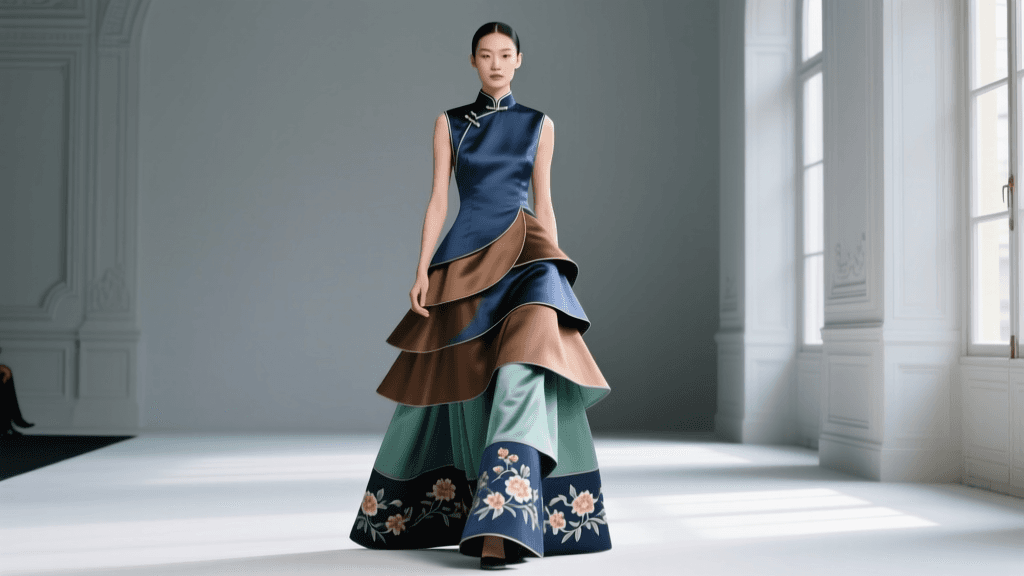
This guide focuses on two highly versatile traditional elements that have seen a massive resurgence in 2026: the Japanese haori (a traditional hip- or thigh-length kimono-style jacket) and the Chinese Mandarin collar (the stand-up collar popularized by the tangzhuang and qipao). When integrated correctly, these pieces elevate everyday streetwear and smart-casual office attire, offering a sophisticated blend of East Asian craftsmanship and modern utilitarian design.
Mastering the Silk Haori in Modern Streetwear
The haori was originally worn over the kimono to protect it from the elements and to display family crests or intricate linings. In 2026, the haori has been reimagined as the ultimate lightweight duster coat for transitional weather. The key to wearing a haori in a modern context lies in mastering volume and fabric contrast.
Proportions and the Oversized Drape
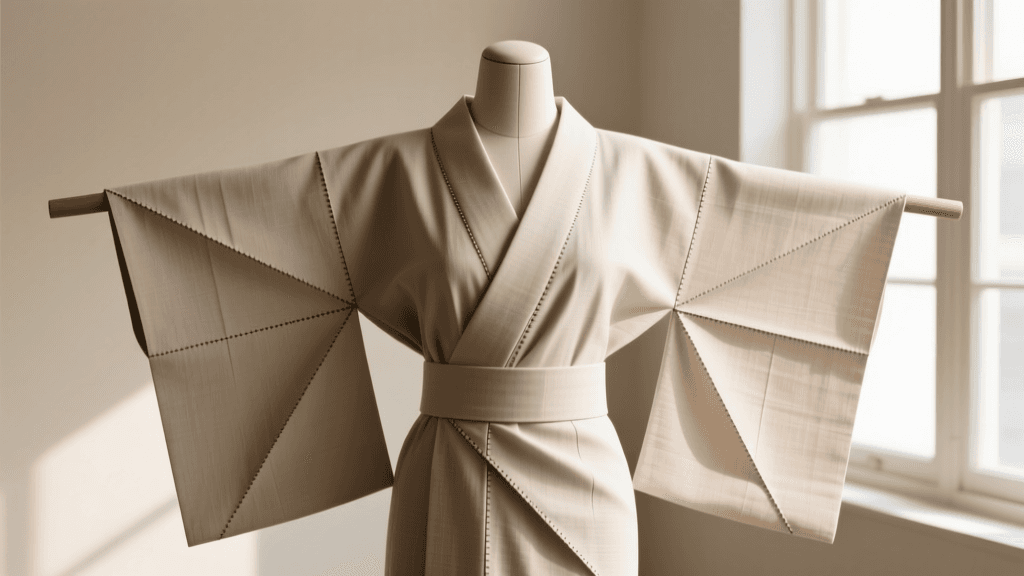
Traditional haori are constructed with a straight, T-shaped seam that naturally creates a boxy, drop-shoulder silhouette. To integrate this into a 2026 streetwear wardrobe, you must lean into this volume rather than fighting it. When shopping for vintage or newly tailored silk haori, look for a yuki (the measurement from the center back of the neck, across the shoulder, and down to the wrist) of at least 75cm to 80cm per side. This translates to a total sleeve-to-sleeve span of 150cm to 160cm, which provides the dramatic, elongated drape necessary to layer over modern oversized garments.
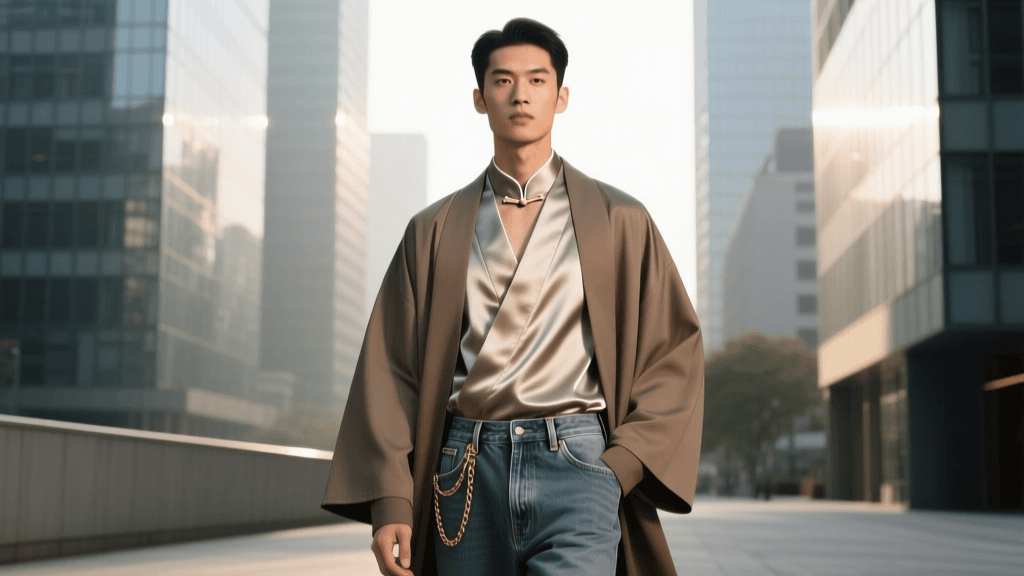
For men's and masculine-leaning streetwear, layer the haori over a heavyweight 280gsm cotton t-shirt or a structured hoodie. The contrast between the fluid, whisper-light silk and the rigid, structured cotton underneath creates a visually striking tension that anchors the outfit in contemporary urban aesthetics.
Fabric Contrast and the Haori Himo
Authentic vintage haori are typically crafted from 16-momme to 19-momme silk, featuring techniques like shibori (intricate tie-dyeing) or kasuri (ikat weaving). To prevent the outfit from looking like a festival costume, pair these delicate silks with heavy, rugged textiles. A 14oz to 16oz raw selvedge denim in a straight or wide-leg cut provides the perfect visual weight to balance the silk.
Regarding the haori himo (the traditional braided front ties): in 2026, minimalists are largely opting to remove these ties entirely, allowing the jacket to hang open like a modern cardigan or duster. If you prefer to keep the jacket closed, swap the traditional woven ties for subtle, matte-black magnetic closures hidden along the inner lapel, maintaining a clean, uninterrupted exterior line.
The Mandarin Collar Shirt for Smart-Casual Offices
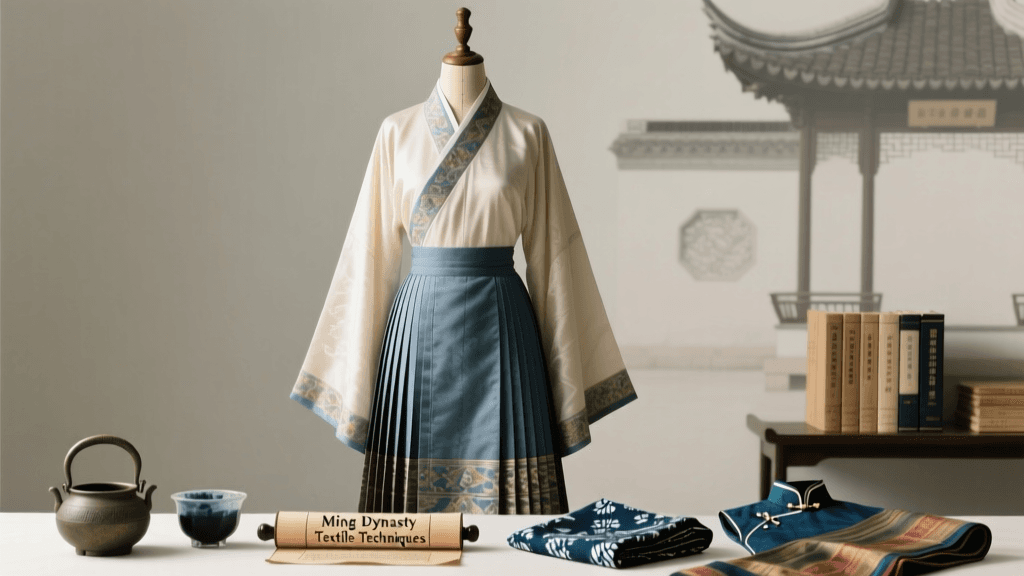
The Mandarin collar—often referred to as a stand collar or band collar—has deep roots in Chinese sartorial history, heavily influenced by the qipao and the zhongshan suit. In 2026, the Mandarin collar shirt has become a staple in the smart-casual rotation, offering a sleek, tie-less alternative to the traditional Western spread-collar dress shirt.
Collar Height and Neckline Architecture
The success of a modern Mandarin collar shirt hinges entirely on the height of the collar band. Historically, some formal Chinese garments featured stiff, high collars that restricted neck movement. For contemporary 2026 office wear and evening smart-casual attire, the ideal collar band height is exactly 2.5cm to 3.5cm. This specific measurement ensures the collar stands neatly against the neck without choking the wearer or rubbing against the jawline.
Furthermore, the shirt should feature a slight curve at the top edge of the collar band, meeting softly at the center front with a small, hidden hook-and-eye closure or a single minimalist button. Avoid shirts with heavy brass frog buttons (often found on cheap tourist-market tangzhuang replicas) unless you are intentionally aiming for a highly stylized, avant-garde editorial look.
Suiting Pairings and Knitwear Layering
The Mandarin collar shirt is the ultimate foil for the unstructured blazers dominating 2026 menswear and womenswear tailoring. Because there is no collar leaf to fold over the jacket's lapel, the neckline remains remarkably clean, drawing the eye upward and elongating the neck. Pair a crisp, white cotton-poplin Mandarin collar shirt with an unstructured, unlined Neapolitan-cut blazer in a textured linen-wool blend.
During the colder months, the Mandarin collar excels as a framing device for fine-gauge knitwear. Wearing a merino wool turtleneck underneath a slightly oversized, heavyweight linen Mandarin collar shirt creates a sophisticated, textural layering effect that is both deeply rooted in Asian heritage and entirely modern.
2026 Wardrobe Integration Matrix
To help you visualize how to build these outfits, refer to the integration matrix below. This table outlines specific pairings, fabric specifications, and current 2026 market estimates for acquiring high-quality, ethically sourced pieces.
| Traditional Piece | Modern Counterpart | Fabric Weight / Spec | Occasion | 2026 Est. Cost (USD) |
|---|---|---|---|---|
| Vintage Silk Haori | Heavyweight Boxy T-Shirt & Wide-Leg Denim | 16-momme Silk / 14oz Selvedge Denim | Casual Streetwear / Gallery Openings | $180 - $350 (Upcycled/Vintage) |
| Linen Mandarin Collar Shirt | Unstructured Wool-Blend Blazer | 180gsm Belgian Linen / Half-Canvas Jacket | Smart-Casual Office / Evening Dining | $120 - $250 (Modern Tailoring) |
| Shibori Dyed Haori | Tech-Wear Cargo Trousers & Minimalist Sneakers | Silk-Crepe / Technical Nylon-Blend | Urban Commute / Creative Workspaces | $250 - $450 (Artisan Crafted) |
| Cotton Poplin Mandarin Shirt | Fine-Gauge Merino Turtleneck & Tailored Trousers | 100s Two-Ply Cotton / 15.5 Micron Merino | Winter Layering / Business Casual | $90 - $160 (Contemporary Menswear) |
Sourcing, Care, and Cultural Context
As the demand for authentic heritage garments rises in 2026, so does the importance of ethical sourcing. The secondary market for vintage Japanese textiles has exploded, with specialized curators in Kyoto and Tokyo exporting authenticated meisen and tsumugi silk haori globally. When purchasing vintage silk, always inspect the hakkake (the lower lining) for signs of moisture damage or dry rot, which is common in improperly stored garments.
Care for these pieces requires a departure from modern convenience. Never machine wash authentic silk haori. In 2026, the gold standard for maintenance is spot-cleaning with specialized pH-neutral textile foams and storing the garments flat, wrapped in unbleached, acid-free muslin cloth. Avoid wire hangers entirely, as they will distort the straight-grain shoulder seams. Instead, use wide, padded wooden hangers or traditional emono (bamboo garment hangers) to maintain the structural integrity of the T-seam construction.
Finally, integrating these garments requires an appreciation of their origins. The global fashion dialogue has matured significantly, moving past mere aesthetic appropriation toward genuine cultural appreciation. Understanding the history of the garments you wear adds a layer of depth to your personal style. For those looking to deepen their knowledge of Chinese sartorial evolution and the global impact of Asian fashion, the Metropolitan Museum of Art’s extensive archives on China: Through the Looking Glass provide an unparalleled educational foundation on how Eastern aesthetics have historically shaped Western design. Similarly, exploring the Victoria and Albert Museum’s Asian Collections offers vital insights into the intricate textile techniques, such as kasuri and silk brocade, that make these garments masterpieces of human craftsmanship.
By treating the haori and the Mandarin collar not as mere trends, but as enduring pillars of global fashion history, you ensure that your 2026 wardrobe is not only visually striking but deeply meaningful.