Xin Zhongshi At Paris Fashion Week 2026: Runway Guide
The Global Ascent of Xin Zhongshi in 2026
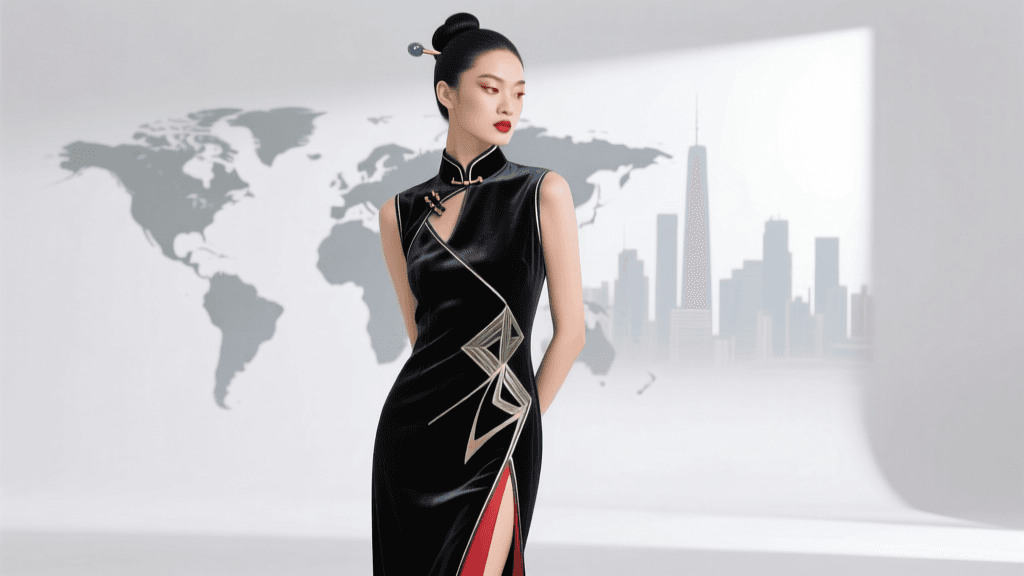
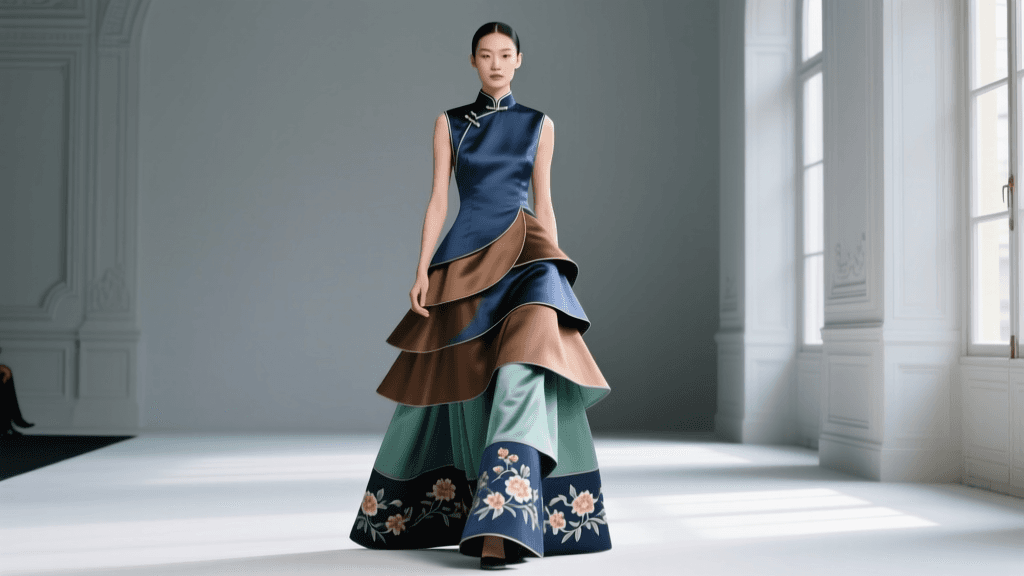
The international fashion landscape has undergone a profound transformation, and at the epicenter of this shift is the Xin Zhongshi (新中式), or New Chinese Style, movement. During the Spring/Summer and Autumn/Winter 2026 seasons, Paris Fashion Week witnessed an unprecedented integration of traditional Chinese garments, moving far beyond superficial oriental motifs to embrace deep, structural heritage. According to the Fédération de la Haute Couture et de la Mode, the 2026 official schedule featured a record number of designers utilizing authentic Asian weaving techniques, signaling a definitive pivot from Western-centric tailoring to a global appreciation of Eastern sartorial philosophy.
For collectors, fashion historians, and enthusiasts, the 2026 runways offer a masterclass in how ancient garments like the Mamianqun (horse-face skirt) and luxurious textiles like Xiangyunsha (gambiered Canton gauze) are being recontextualized for modern wardrobes. This guide explores the most significant traditional Chinese fashion presentations at international design weeks in 2026, providing actionable insights on identifying authentic craftsmanship and understanding the evolving silhouettes of Xin Zhongshi.
Key Traditional Garments on the 2026 Runways
The Mamianqun (Horse-Face Skirt) Evolution
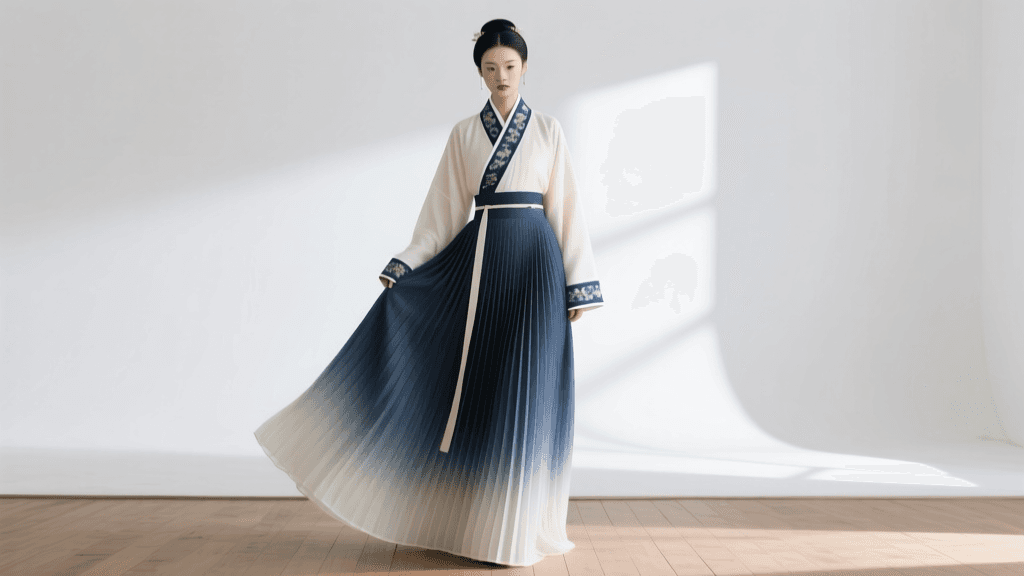
Originating in the Song Dynasty and popularized during the Ming and Qing dynasties, the Mamianqun has become the undisputed cornerstone of the Xin Zhongshi movement. In 2026, Parisian runways showcased a dramatic evolution of this iconic garment. Traditionally characterized by its flat front and back panels (the 'horse faces') flanked by intricately pleated sides, the 2026 iterations experimented with proportion and fabric weight while maintaining historical integrity.
Designers presented Mamianqun skirts crafted from heavyweight silk jacquard, featuring micro-pleats measuring exactly 1.5 centimeters in depth—a significant departure from the traditional 3-to-5-centimeter pleats. This technical adjustment allowed the skirt to drape with the fluidity of a bias-cut gown while retaining its architectural volume. The waistbands, historically wide and fastened with ties, were reimagined with hidden structural boning and matte-finished metallic clasps, bridging the gap between ancient functionality and contemporary ready-to-wear convenience. Styling on the runways paired these voluminous skirts with sharply tailored, oversized wool blazers, creating a striking juxtaposition of Eastern fluidity and Western structure.
Xiangyunsha and Kesi Silk Tapestry
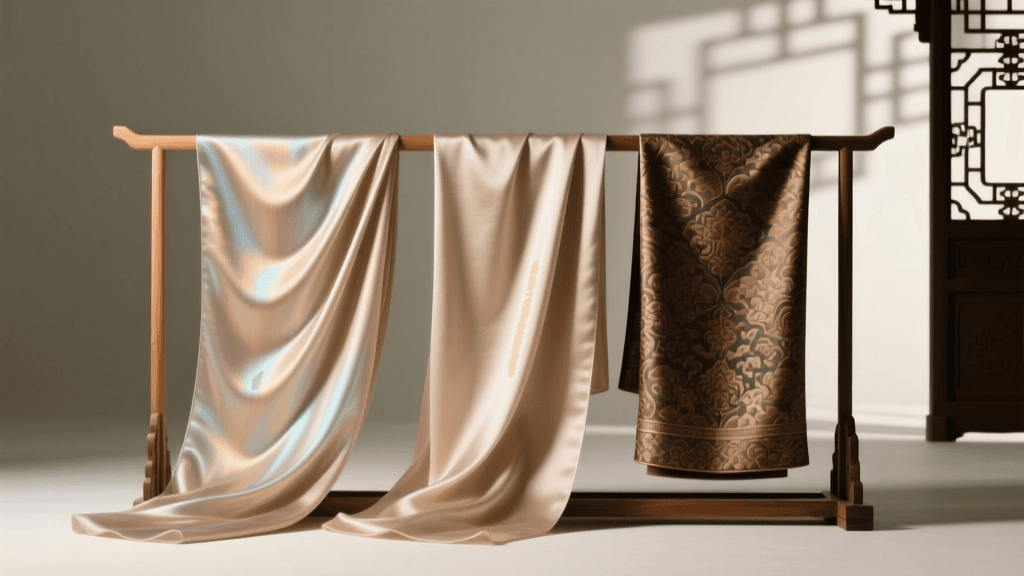
Beyond silhouette, the 2026 exhibitions were defined by a fierce commitment to heritage textiles. Xiangyunsha, a silk fabric dyed with the juice of the薯莨 (Dioscorea cirrhosa) yam and coated with river mud, was a standout material. Known for its distinctive crackling sound and waterproof, breathable properties, authentic Xiangyunsha requires a grueling, multi-week sun-drying process. In 2026, top-tier design houses showcased Xiangyunsha trench coats and wide-leg trousers, pricing these artisanal pieces between $2,500 and $4,800, reflecting the severe scarcity of master dyers in the Guangdong province.
Similarly, Kesi (cut silk) tapestry, an ancient technique where the weft threads are cut and turned back to create sharp, painted-like color boundaries, was utilized for statement outerwear. Unlike embroidery, which sits on top of the fabric, Kesi is woven directly into the textile, making it incredibly durable and visually striking. The 2026 collections featured Kesi lapels on modern opera coats, depicting subtle, tonal botanical motifs rather than the loud, high-contrast dragons of the past, appealing to a sophisticated, minimalist aesthetic.
Paris vs. Milan: A Comparative Exhibition Analysis
While Paris Fashion Week focused heavily on the structural and haute couture applications of Xin Zhongshi, Milan Design Week 2026 approached Chinese traditions through the lens of textile innovation and everyday luxury. The table below breaks down the distinct approaches taken by these two fashion capitals during the 2026 season.
| Feature | Paris Fashion Week 2026 | Milan Design Week 2026 |
|---|---|---|
| Primary Focus | Haute Couture, Silhouette, and Drapery | Textile Innovation and Ready-to-Wear |
| Key Garment | Mamianqun and Ruqun (blouse and skirt) | Mandarin-collar jackets and Song-style vests |
| Dominant Textile | Kesi Tapestry and Heavy Silk Jacquard | Xiangyunsha and Bamboo-blended Linens |
| Color Palette | Deep indigos, cinnabar reds, and ink blacks | Celadon greens, raw silk whites, and earthy ochres |
| Average Price Point | $3,500 - $12,000+ | $1,200 - $4,500 |
Milan's 2026 showcases were particularly notable for their integration of traditional Chinese knotting (Pan Kou) into modern hardware. Instead of traditional fabric frogs, Milanese designers utilized carved jade and matte brass toggles, elevating the functional closures into pieces of fine jewelry. This pragmatic yet luxurious approach made the garments highly accessible for international buyers looking to incorporate Xin Zhongshi into their daily rotation.
How to Identify Authentic Craftsmanship for Collectors
As the global demand for Xin Zhongshi surges in 2026, the market has inevitably seen an influx of mass-produced imitations. For serious collectors and buyers navigating international showrooms and exhibitions, distinguishing between authentic heritage craftsmanship and factory-made replicas is essential. Here is a practical guide to verifying the authenticity of traditional Chinese garments.
- Examine the Weave and Dye: Authentic Xiangyunsha will have a distinct, slightly uneven texture and a deep, rich brownish-black hue on one side, with a lighter, earthy tone on the reverse. If the fabric is uniformly black on both sides and lacks the characteristic subtle 'crackle' pattern, it is likely chemically dyed. Furthermore, genuine Xiangyunsha will emit a faint, earthy scent when rubbed, a remnant of the river mud and yam juice used in its creation.
- Inspect the Pleating Structure: A true Mamianqun relies on complex, overlapping pleats that are heat-set and sometimes hand-stitched at the hidden inner folds to maintain their shape over decades. Run your hand along the inner waistband; authentic pieces will feature meticulous, nearly invisible reinforcement stitching. Mass-market versions often use simple machine-pressed pleats that lose their structure after a single wash.
- Verify the Kesi Tapestry Technique: To confirm a garment uses genuine Kesi rather than printed or embroidered fabric, hold the textile up to a strong light. Because Kesi involves cutting the weft threads, you will see tiny, natural slits or gaps where different color fields meet. Embroidery will sit raised above the base fabric, while digital prints will lack any textural variation entirely.
- Assess the Hardware and Closures: Traditional Pan Kou (knotted buttons) should be tightly wound, firm to the touch, and seamlessly integrated into the garment's seam. In 2026's high-end collections, these knots are often reinforced with a thin copper wire core to ensure they never lose their shape. Flimsy, hollow-feeling fabric knots are a hallmark of fast-fashion adaptations.
For those seeking deeper historical context to aid in their authentication process, the Victoria and Albert Museum's Asian collections provide extensive digital archives detailing the evolution of Chinese dress, weaving techniques, and historical silhouettes. Cross-referencing runway pieces with these museum archives is an excellent practice for serious collectors.
Navigating the 2026 International Exhibition Circuit
Beyond the commercial runways, 2026 has seen a proliferation of museum exhibitions and cultural pop-ups dedicated to the preservation and celebration of Asian traditional garments. These exhibitions are vital for understanding the historical weight behind the modern Xin Zhongshi movement.
In Paris, the Palais Galliera has dedicated a sprawling wing to the intersection of Ming Dynasty court dress and contemporary European tailoring, offering visitors a side-by-side comparison of 15th-century artifacts and 2026 runway adaptations. Meanwhile, in London, the Metropolitan Museum of Art's collaborative textile archives have been touring a curated selection of Qing dynasty Xiangyunsha robes, providing a rare opportunity to study the degradation and preservation of mud-dyed silks over centuries.
For buyers and enthusiasts attending these international design weeks, the key takeaway for 2026 is clear: Xin Zhongshi is no longer a fleeting trend or a mere stylistic pastiche. It is a rigorous, deeply researched revival of Asian sartorial heritage. By understanding the intricate mechanics of the Mamianqun, the arduous creation of Xiangyunsha, and the precise geometry of Kesi tapestry, collectors can confidently navigate the global market, investing in pieces that honor the past while defining the future of international fashion.
Styling Xin Zhongshi for the Modern Wardrobe
Integrating these traditional pieces into a contemporary wardrobe requires a balanced approach. The golden rule for 2026 is proportion and contrast. If you are wearing a highly structured, voluminous Mamianqun, pair it with a streamlined, minimalist top—such as a fine-gauge merino wool turtleneck or a crisp, oversized poplin shirt. Avoid pairing heavily brocaded traditional skirts with equally ornate tops, as this can overwhelm the silhouette and costume the wearer.
Footwear also plays a critical role. While traditional cloth shoes are historically accurate, the 2026 runway styling heavily favored chunky, architectural leather boots or sleek, pointed-toe mules. This grounds the ethereal nature of the silk textiles with a modern, urban edge. When investing in Xin Zhongshi, prioritize versatile colorways like ink black, celadon, or raw silk white, which seamlessly transition from high-end professional environments to evening cultural events, ensuring your investment in Asian heritage remains a functional, cherished part of your daily life.