Cheongsam in 2026 Global Fashion Media: Editorial Styling Guide
The Cheongsam’s 2026 Renaissance in Global Fashion Media
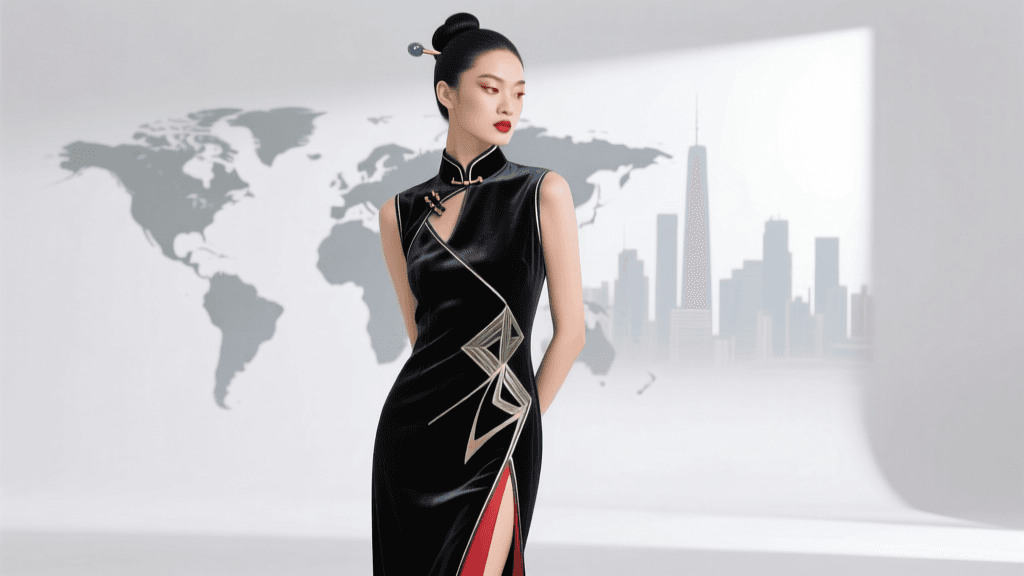
The cheongsam, also widely known as the qipao, has definitively transcended its mid-century cinematic tropes to become a formidable, ever-evolving force in 2026 global fashion media. From the glossy pages of Vogue to the avant-garde digital covers of i-D and Harper’s Bazaar, the garment is being radically recontextualized by top-tier stylists and creative directors. No longer confined to traditional ceremonial wear or reductive orientalist styling, the neo-cheongsam is now celebrated as a masterclass in structural tailoring, cultural reclamation, and modern femininity. In 2026, global fashion editors are prioritizing authenticity, highlighting designers who merge historical construction techniques with futuristic textiles and contemporary silhouettes.
This editorial shift is highly visible on the Spring/Summer 2026 runways and the subsequent red carpets of the 2026 Met Gala and the Cannes Film Festival. Celebrities and fashion insiders are increasingly opting for deconstructed, asymmetrical, and hybrid cheongsam gowns that challenge Western sartorial norms. For cultural historians and fashion enthusiasts alike, understanding how the global media styles this iconic garment in 2026 offers profound insights into the broader integration of Asian traditions into the global luxury market.
Pioneering Designers Driving the 2026 Editorial Narrative
The media’s current fascination with the cheongsam is largely driven by a vanguard of designers who refuse to treat the garment as a static relic. Instead, they use it as a canvas for innovation. According to Samuel Gui Yang's Vogue Runway profile, his recent 2026 collections have masterfully blended traditional Chinese tailoring with Savile Row-inspired precision. Yang’s use of rubberized silk and exaggerated, architectural mandarin collars has made his pieces a favorite for high-fashion editorial spreads that demand a striking, sculptural silhouette.
Similarly, the intersection of streetwear and traditional dress has been heavily documented in 2026 fashion journalism. As seen in Feng Chen Wang's designer archive, the integration of utilitarian fabrics, deconstructed denim, and modular layering into the qipao framework has introduced the garment to a younger, global demographic. Wang’s 2026 editorials frequently feature the cheongsam styled with oversized outerwear and chunky, 3D-printed footwear, entirely dismantling the stereotype of the qipao as strictly formal or delicate wear.
Meanwhile, heritage brands like Shanghai Tang have undergone massive creative reboots in 2026, hiring new creative directors who focus on sustainable, plant-dyed silks and zero-waste pattern cutting. This pivot has earned them extensive coverage in sustainability-focused fashion media, positioning the traditional cheongsam as a viable, eco-conscious alternative to mass-produced Western evening wear.
Media Representation: 2026 Editorial Approaches
Different global fashion publications have adopted distinct editorial frameworks when styling the cheongsam in 2026. The table below outlines how top-tier media outlets are currently approaching the garment in their editorial spreads and red-carpet coverage.
| Publication | 2026 Editorial Theme | Key Styling Elements | Target Aesthetic |
|---|---|---|---|
| Vogue | Architectural Couture | Structured silk-crepe, dramatic thigh slits, minimalist metallic jewelry, slicked-back hair. | High-glamour, red-carpet readiness, sculptural elegance. |
| Harper’s Bazaar | Heritage Meets Futurism | LED-thread embroidery, transparent organza overlays, paired with avant-garde eyewear. | Forward-thinking, editorial high-fashion, boundary-pushing. |
| i-D Magazine | Street-Level Subversion | Deconstructed cotton qipaos, layered over cargo pants, styled with chunky sneakers and beanies. | Youth-oriented, grunge, neo-streetwear, accessible. |
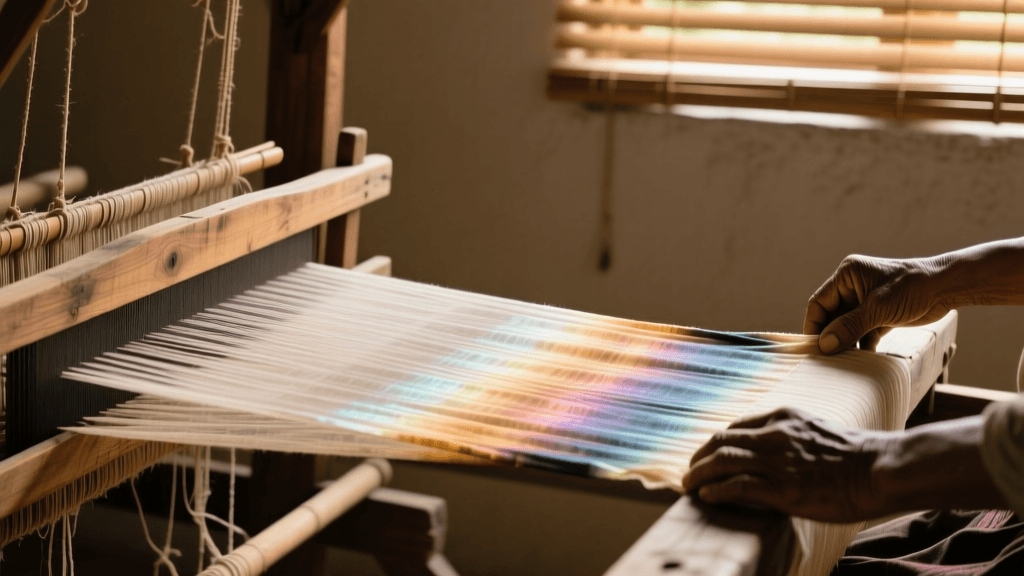
| Business of Fashion | Artisanal Craftsmanship | Focus on hand-woven Xiangyunsha silk, documentary-style photography, minimal retouching. | Intellectual, craft-focused, luxury investment pieces. |
Actionable Guide: Styling the Neo-Cheongsam for 2026 Events
For stylists, fashion students, and consumers looking to incorporate the cheongsam into their 2026 wardrobes, understanding the nuances of modern editorial styling is crucial. The goal is to honor the garment's rich history—documented extensively by institutions like the Victoria and Albert Museum's Asian collections—while adapting it for contemporary contexts. Here is a practical guide to styling the neo-cheongsam based on current global media trends.
1. Reimagining the Mandarin Collar and Closures
The traditional, stiff mandarin collar can sometimes feel restrictive or overly formal for modern daytime events. In 2026, editorial stylists are favoring modified collars. Look for pieces where the collar height is reduced to exactly 1.5 inches, or opt for V-neck hybrid qipaos that retain the iconic diagonal pankou (knotted button) closures across the collarbone but open into a relaxed neckline. This adjustment maintains the garment's DNA while providing comfort and a more relaxed, editorial drape.
2. Strategic Slit Heights and Layering
The side slit is a defining feature of the cheongsam, but 2026 media styling has moved away from the standard mid-thigh cut. For high-fashion evening editorials, stylists are requesting extreme slits that begin just above the knee (approximately 14 to 16 inches from the hemline on a midi-length dress), allowing for dramatic movement when paired with flowing silk under-layers or wide-leg trousers. Layering a sleeveless, high-slit cheongsam over tailored, wide-leg wool trousers is a dominant 2026 red-carpet trend that merges modesty with avant-garde proportions.
3. Textile Innovation: Beyond Traditional Brocade
While heavy silk brocade remains popular for winter weddings, 2026 global fashion media is heavily featuring innovative textiles. When sourcing a piece for an editorial shoot or modern gala, prioritize:
- Xiangyunsha (Gambiered Canton Gauze): A sustainable, mud-dyed silk that offers a leathery, matte finish and a distinct rustling sound, highly prized by luxury editors for its rich, earthy aesthetic.
- Technical Organza: Water-resistant, stiffened organza that holds exaggerated, puffed-sleeve silhouettes, bridging the gap between traditional dress and contemporary couture.
- Upcycled Denim and Canvas: For street-style editorials, heavier fabrics provide a utilitarian edge that contrasts beautifully with delicate silk piping.
4. Accessory Pairing: The Rule of Contrast
The most common styling mistake is over-accessorizing a heavily patterned cheongsam with traditional jade or gold hairpieces, which can push the look into costume territory. The 2026 editorial rule is stark contrast. If the cheongsam features intricate floral embroidery, pair it with brutalist, geometric silver jewelry or sleek, minimalist titanium cuffs. Footwear should equally defy expectations: swap traditional silk slippers or standard stilettos for architectural mules, knee-high leather boots, or platform derbies to ground the look in contemporary fashion.
Sourcing and Investment: 2026 Market Pricing
As the cheongsam cements its place in the global luxury market, pricing for authentic, well-constructed pieces has shifted. Understanding the 2026 market landscape is essential for buyers and stylists working with editorial budgets.
- Entry-Level Contemporary ($400 - $850): Brands focusing on ready-to-wear, machine-embroidered cotton or poly-blend qipaos. These are ideal for street-style editorials and daytime events. Sizing is usually standardized, and the silhouettes lean toward A-line or drop-waist for mass appeal.
- Mid-Tier Designer ($1,200 - $3,500): Pieces from established contemporary Asian designers featuring premium silk-crepe, hand-finished pankou knots, and custom tailoring options. This tier is the sweet spot for high-end magazine editorials and celebrity red-carpet placements.
- Couture and Archival Investment ($5,000 - $15,000+): Bespoke creations utilizing heritage weaving techniques, such as Nanjing cloud brocade or hand-loomed Xiangyunsha, requiring hundreds of hours of artisanal labor. These pieces are frequently pulled by top-tier fashion houses for major global magazine covers and museum exhibitions.
Conclusion
The cheongsam’s trajectory in 2026 global fashion media is a testament to the enduring power of Asian traditional garments when placed in the hands of innovative designers and culturally literate stylists. By moving past historical clichés and embracing structural hybridity, textile innovation, and bold styling contrasts, the global fashion press has elevated the qipao from a regional classic to a cornerstone of modern global couture. Whether you are a stylist preparing for a high-stakes editorial shoot or a fashion enthusiast investing in a heritage piece, the 2026 cheongsam offers a masterclass in the seamless fusion of tradition and tomorrow's fashion.