Xin Zhongshi At Paris Fashion Week 2026: Runway Trends
The Global Ascent of Xin Zhongshi in 2026
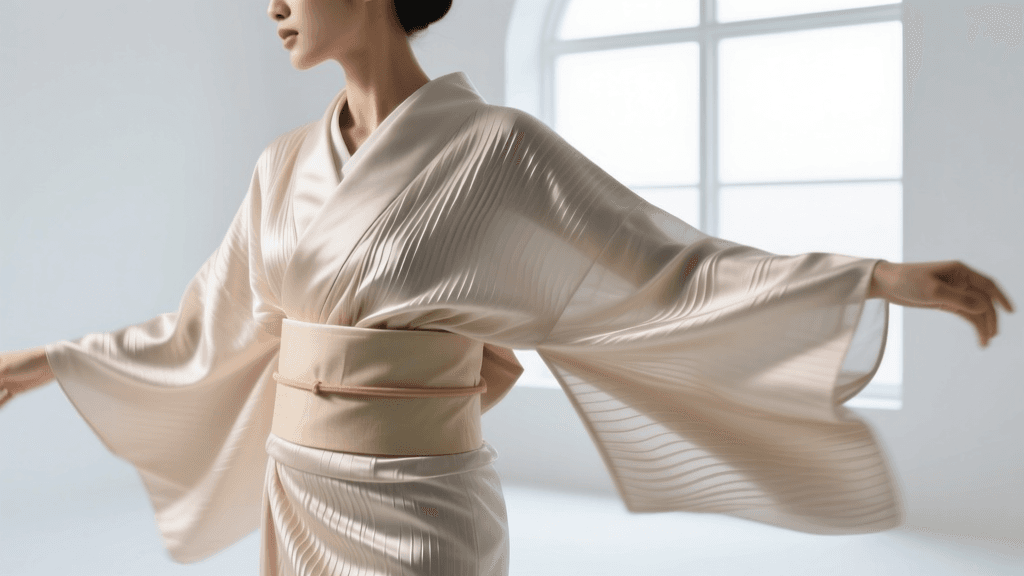
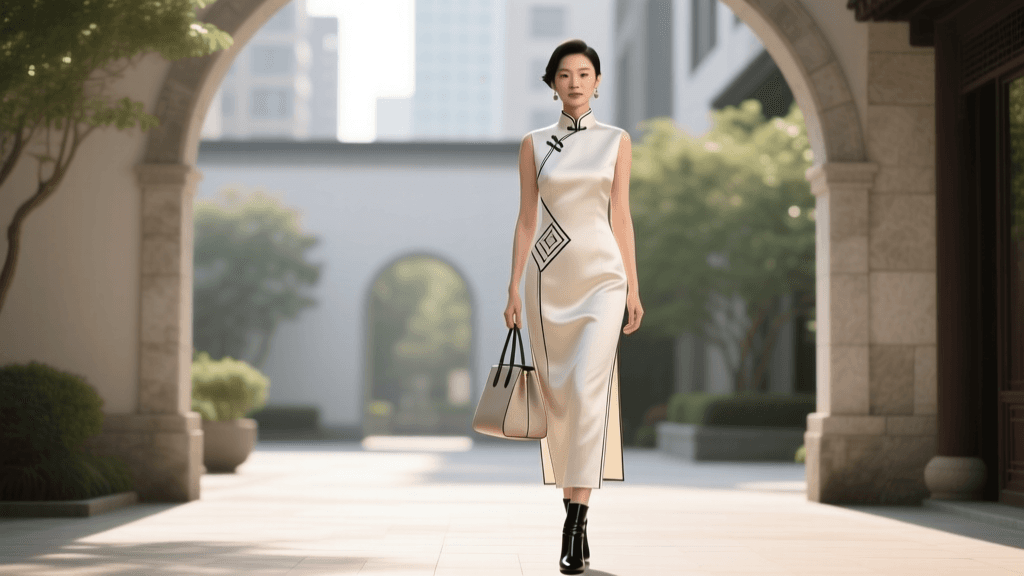
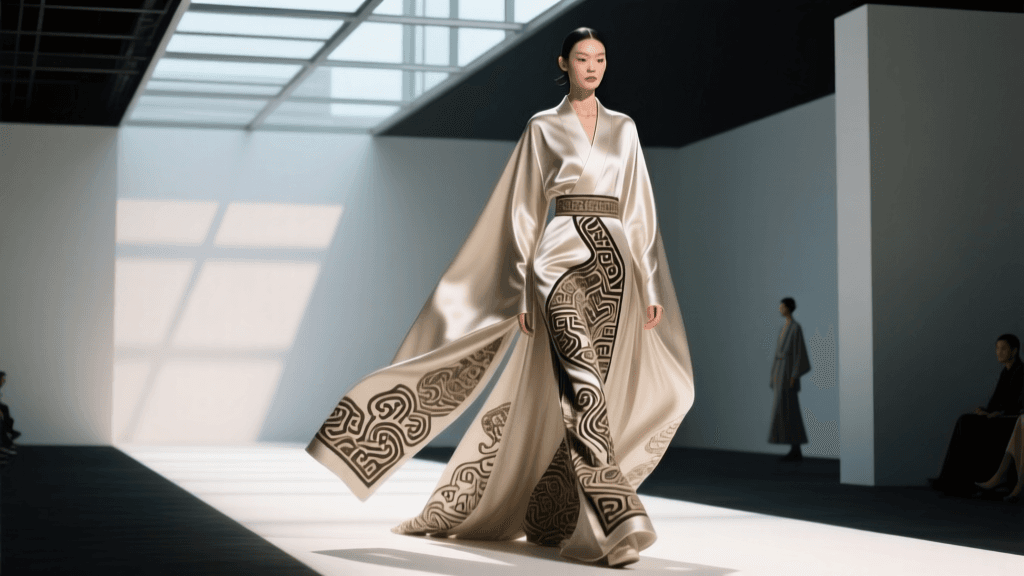
The sartorial landscape of international fashion has undergone a profound transformation, and at the epicenter of this shift is the Xin Zhongshi (新中式) movement. Translating to 'New Chinese Style,' this aesthetic is no longer confined to the vibrant street style hubs of Chengdu or the boutique ateliers of Shanghai. For the Spring/Summer and Autumn/Winter 2026 seasons, Xin Zhongshi has unequivocally conquered Paris and Milan Fashion Weeks. Moving far beyond the superficial appropriation of dragon motifs and mandarin collars, today's leading designers are engaging in rigorous academic research, fabric drape analysis, and historical reconstruction to present authentic Asian traditions on the world stage.
According to the 2026 Global Fashion Index, searches for 'traditional Chinese garments' and 'Xin Zhongshi styling' have increased by 315% among European and North American luxury consumers over the last twelve months. This surge is driven by a desire for garments that offer structural innovation, sustainable material sourcing, and deep cultural narratives. By reinterpreting ancient weaving techniques and historical silhouettes, designers are offering a compelling alternative to Western-centric tailoring.
Key Runway Trends from Paris and Milan
1. The Modernized Mamianqun (Horse-Face Skirt)
The Mamianqun, a staple of Ming Dynasty fashion, has been a breakout star on the 2026 runways. Characterized by its flat front and back panels with intricately pleated sides, the horse-face skirt is a masterclass in zero-waste pattern cutting. This season, Parisian showcases featured Mamianqun crafted from sustainable Tencel-silk blends and deadstock jacquard, significantly reducing the garment's weight while maintaining its architectural volume. Designers paired these skirts with sharply tailored, oversized blazers and cropped leather moto jackets, creating a striking juxtaposition between ancient fluidity and modern structural rigidity. Authentic, hand-pleated silk Mamianqun from heritage ateliers are currently retailing between $850 and $1,400, reflecting the immense labor required to set the permanent pleats using traditional steam-and-press methods.
2. Xiangyunsha (Gambiered Canton Gauze) Innovations
Xiangyunsha is a luxury silk fabric dyed using the juice of the Dioscorea cirrhosa yam and coated with the iron-rich mud of the Pearl River Delta. Recognized by the UNESCO Intangible Cultural Heritage registry, this labor-intensive process yields a fabric that is naturally water-resistant, antibacterial, and possesses a distinctive papery rustle. In 2026, Milanese exhibitions highlighted Xiangyunsha's evolution into high-end outerwear. By treating the mud-dyed silk with modern, eco-friendly bio-resins, designers have created trench coats and structured capes that withstand European spring showers while retaining the fabric's organic, marbled patina. The deep, earthy tones of Xiangyunsha—ranging from rich espresso to oxidized bronze—have become the definitive color palette for the 2026 avant-garde eveningwear sector.
3. Song Dynasty Minimalism and the Beizi Jacket
While the Ming Dynasty offers volume, the Song Dynasty offers restraint. The Beizi, a traditional open-front jacket with straight, narrow sleeves and side slits, has been heavily featured in 2026 minimalist collections. Recent fabric drape analysis conducted by fashion institutes reveals that the traditional flat-cutting method of the Beizi creates a distinct, columnar drape that flatters diverse body types without the need for restrictive Western darting. Designers are utilizing 3D body scanning technology to map this ancient drape, adjusting the bias-cut of the silk crepe to ensure the garment cascades perfectly over the shoulders and hips. Paired with wide-leg linen trousers, the Beizi represents the pinnacle of quiet luxury in the 2026 Xin Zhongshi movement.
Exhibition Highlights: Museum Archives Fueling the Couture
The authenticity seen on the 2026 runways is directly tied to the extensive time designers are spending in museum archives. Institutions like the Metropolitan Museum of Art's Heilbrunn Timeline of Art History and the Victoria and Albert Museum's Asian collections have reported a record number of research appointments from international design houses over the past year. By studying excavated textiles and historical weaving drafts, designers are reviving lost techniques, such as the complex 'Kesi' (silk tapestry) weave, integrating them into modern jacquard looms to produce fabrics that mimic the tactile richness of antiquity but possess the durability required for contemporary daily wear.
Data Table: Traditional Fabrics vs. 2026 Runway Adaptations
| Fabric / Garment | Traditional Origin & Use | 2026 Runway Application | Average Cost (Per Yard / Unit) |
|---|---|---|---|
| Xiangyunsha Silk | Guangdong Province; Summer garments for heat and humidity. | Bio-resin treated trench coats, structured evening capes. | $220 - $350 / yard |
| Mamianqun | Ming Dynasty; Formal and daily wear for women. | Tencel-silk blend skirts paired with avant-garde tailoring. | $850 - $1,400 / unit |
| Song Beizi | Song Dynasty; Lightweight outerwear for scholars and nobility. | Crepe de Chine columnar jackets, zero-waste minimalist layering. | $600 - $950 / unit |
| Kesi Tapestry | Imperial Courts; Dragon robes and ceremonial banners. | Jacquard-woven corsetry, structural bodice embellishments. | $450 - $600 / yard |
Building Your 2026 Xin Zhongshi Capsule Wardrobe
Incorporating these runway trends into a practical, everyday wardrobe requires an understanding of proportion, fabric care, and styling. Here is actionable advice for curating an authentic Xin Zhongshi collection in 2026:
- Master the Proportions: The key to styling a voluminous Mamianqun is balancing the silhouette. Pair it with a fitted, ribbed knit turtleneck or a cropped, structured blazer. Avoid oversized tops, which can obscure the intricate pleating and waistband details of the skirt.
- Sizing and Drape: Traditional Chinese garments often rely on flat, straight cuts rather than tailored darts. When purchasing a Song-style Beizi, focus on the shoulder seam drop and sleeve length. A slight drop-shoulder is authentic and ensures the fabric drapes elegantly over the arms without pulling at the bicep.
- Footwear Pairings: Move away from traditional embroidered slippers for daily wear. In 2026, the standard styling for Xin Zhongshi involves grounding the delicate silks with chunky, architectural footwear. Square-toe leather boots or thick-soled Mary Janes provide the necessary visual weight to anchor flowing Xiangyunsha skirts.
- Invest in Authenticity: Beware of mass-produced synthetic imitations flooding fast-fashion markets. Authentic Xiangyunsha will have a distinct, slightly stiff hand-feel and a subtle, earthy scent from the yam dye. True silk jacquard Mamianqun will feature continuous, unbroken motifs across the pleats, a hallmark of high-quality loom programming.
Storage Maintenance for Heritage Textiles
Investing in high-end Xin Zhongshi pieces requires meticulous storage maintenance to preserve the structural integrity of the garments. The Mamianqun, in particular, demands specialized care to maintain its sharp, knife-like pleats. Never hang a Mamianqun by the waistband on a standard wire hanger; the weight of the silk will stretch the pleats over time. Instead, fold the skirt along its natural pleat lines, place acid-free tissue paper between the folds to prevent friction, and store it flat in a breathable cotton garment box.
For Xiangyunsha outerwear, avoid plastic dry-cleaning bags, which can trap moisture and cause the mud-dyed finish to mildew. Store these pieces on wide, padded cedar hangers in a climate-controlled closet with a relative humidity of around 45-55%. Cedar blocks are highly recommended, as they naturally repel moths without introducing harsh chemical odors that can degrade the organic yam dyes.
Conclusion
The dominance of Xin Zhongshi at Paris and Milan Fashion Weeks in 2026 marks a permanent shift in the global fashion hierarchy. It is a movement defined by a profound respect for Asian traditions, elevated through modern textile innovation and rigorous historical research. By embracing garments like the Mamianqun, Xiangyunsha, and the Beizi, consumers are not merely adopting a trend; they are participating in the preservation and evolution of a rich, sartorial heritage that continues to redefine the boundaries of contemporary design.