2026 Guide to Japanese Garment Types: Kimono vs Yukata
The Renaissance of Japanese Garments in 2026
As we navigate through 2026, the global appreciation for traditional Japanese garments has reached an unprecedented peak. Driven by a fusion of sustainable fashion movements and a deep reverence for artisanal craftsmanship, garments like the kimono and yukata are no longer confined to historical archives or rare ceremonial occasions. Today, they are dynamic elements of a living wardrobe, celebrated in both the bustling streets of Tokyo and international fashion capitals. Understanding the distinct types of Japanese clothing is essential for anyone looking to appreciate, collect, or wear these masterpieces with cultural respect and sartorial elegance.
The Japanese traditional wardrobe is highly codified, with specific garments designated for varying levels of formality, seasons, and genders. At the heart of this sartorial system are the kimono and the yukata, two garments that are often confused by newcomers but possess distinctly different characteristics, construction methods, and cultural roles. This comprehensive guide will break down the essential Japanese garment types, providing you with the knowledge to navigate the rich textile landscape of Japan in 2026.
The Kimono: Formality, Silk, and Structure
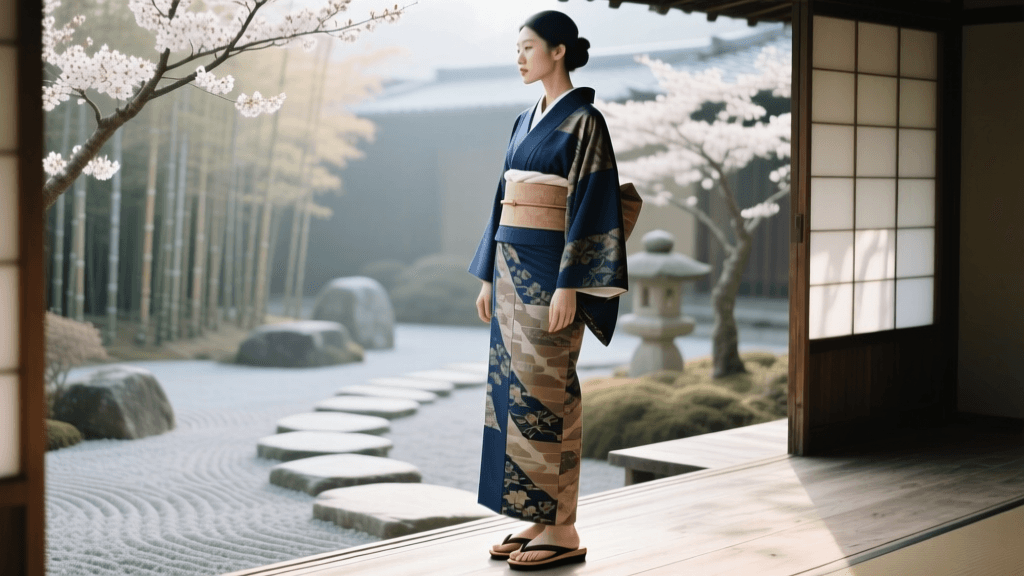
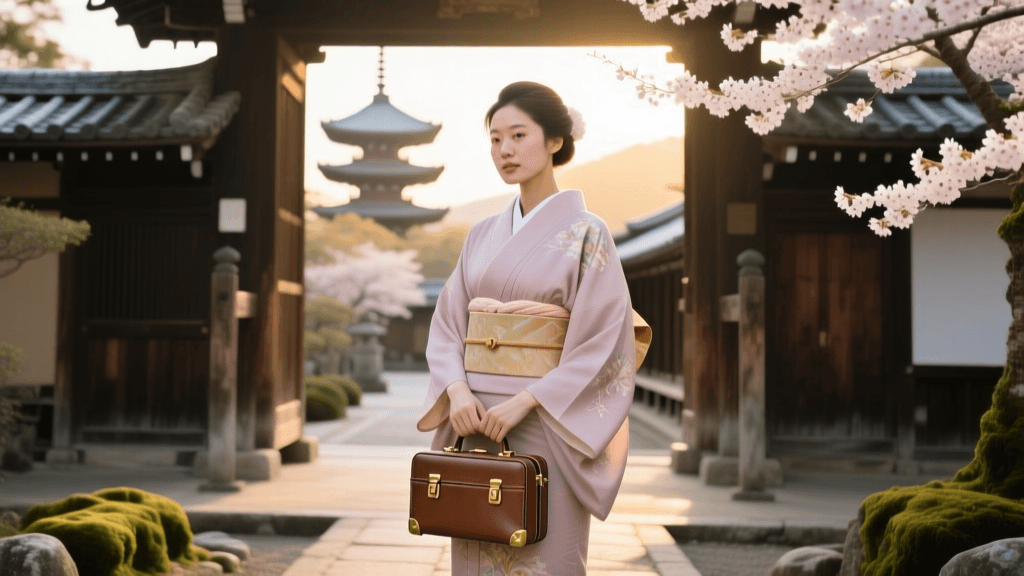
The word 'kimono' literally translates to 'thing to wear' (ki = wear, mono = thing), but in contemporary and historical contexts, it refers specifically to the formal, T-shaped, straight-lined robe that falls to the ankle. The kimono is the pinnacle of Japanese formal wear, characterized by its intricate textiles, complex layering, and highly structured silhouette. According to the Victoria and Albert Museum, the kimono's T-shape construction from straight bolts of fabric allows for unparalleled surface design, making it a literal canvas for Japanese dyeing and weaving techniques.
In 2026, the kimono market is defined by a strong emphasis on heritage preservation and sustainable luxury. Authentic silk kimonos, particularly those featuring hand-painted Kaga-yuzen or intricate Nishijin-ori brocade, remain highly sought after. The standard kimono is constructed from a single bolt of fabric (tanmono), which is approximately 36 centimeters wide and 11.5 meters long. This zero-waste construction method aligns perfectly with modern eco-conscious fashion values. The panels are cut and sewn together using straight seams, meaning the garment can be entirely taken apart, cleaned, and re-sewn, ensuring a lifespan that can easily span multiple generations.
Pricing for kimonos in 2026 varies wildly based on provenance and material. A high-quality, vintage silk kimono from a specialized Kyoto recycler can be acquired for between 15,000 and 40,000 JPY. Conversely, a brand-new, custom-tailored kimono utilizing traditional, government-recognized traditional crafts techniques can easily exceed 800,000 JPY, reflecting the hundreds of hours of meticulous hand-dyeing and weaving required.
The Yukata: Cotton Comfort and Summer Matsuri
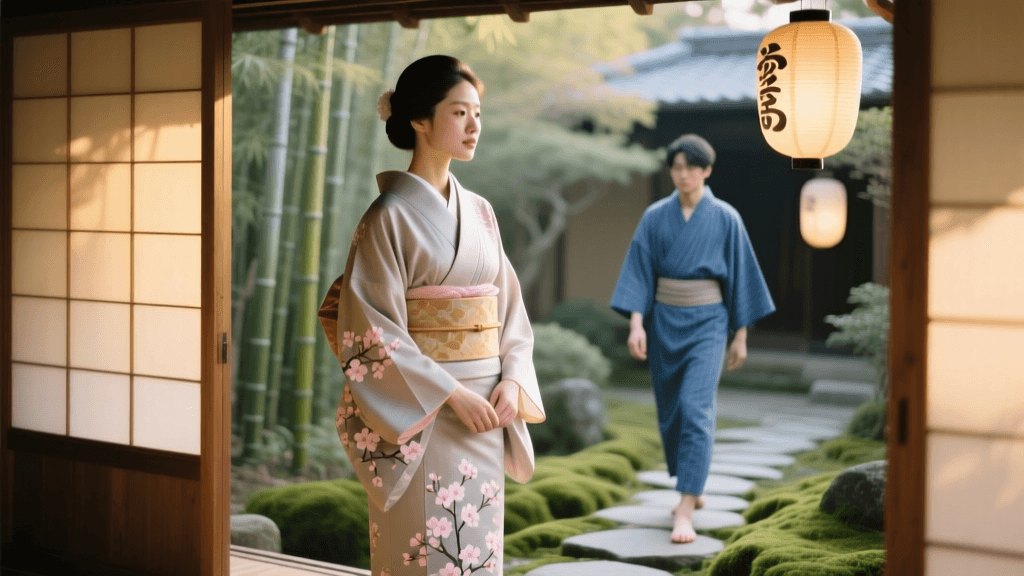
If the kimono is the formal evening gown of Japan, the yukata is the beloved summer sundress. Originally developed as a lightweight bathing robe for the nobility during the Heian period, the yukata evolved into the standard casual wear for summer festivals (matsuri) and fireworks displays. Unlike the formal kimono, which is typically crafted from silk, the yukata is made from breathable, lightweight cotton or modern cotton-linen blends, making it ideal for the humid Japanese summer.
The construction of the yukata is simpler than that of the kimono. It is unlined, which significantly reduces both its weight and its cost. In 2026, yukata designers are pushing boundaries with digital textile printing and collaborations with contemporary graphic artists, resulting in vibrant, pop-culture-inspired patterns that appeal to younger demographics. However, traditional indigo-dyed (aizome) cotton yukatas remain a staple for those who prefer understated, classic elegance.
Wearing a yukata is also far less complex. While a formal kimono requires multiple undergarments and a rigid, heavily padded obi, the yukata is worn directly over basic undergarments and secured with a simple, soft obi (such as a hanhaba obi). Footwear is equally relaxed; while formal kimonos require split-toed tabi socks, yukatas are worn barefoot with wooden geta clogs, adding to their casual, summery charm.
2026 Comparison Chart: Kimono vs. Yukata
| Feature | Kimono | Yukata |
|---|---|---|
| Primary Fabric | Silk, Wool, Synthetic blends | Cotton, Linen, Hemp blends |
| Lining | Lined (Awase) or Unlined (Hitoe) | Always Unlined |
| Collar Style | Thick, stiff collar (often with han-eri) | Soft, narrow, foldable collar |
| Obi (Sash) | Wide, stiff, complex knots (Fukuro, Nagoya) | Narrow, soft, simple knots (Hanhaba) |
| Footwear | Zori sandals with Tabi socks | Geta clogs, barefoot (no Tabi) |
| 2026 Avg. Cost (New) | 250,000 - 1,000,000+ JPY | 10,000 - 40,000 JPY |
| Primary Occasion | Tea ceremonies, weddings, formal events | Summer festivals, fireworks, casual lounging |
Expanding the Wardrobe: Haori and Hakama
Beyond the primary robes, a complete understanding of Japanese garment types requires knowledge of essential outerwear and lower-body garments. The Haori is a traditional hip- or thigh-length jacket worn over the kimono. Historically worn by men and samurai, it became popular among women in the 20th century. In 2026, the haori has transcended traditional boundaries, frequently styled by global fashion enthusiasts over modern clothing like turtlenecks and tailored trousers. Its open front and stunning back panels (which often feature hidden, intricate family crests or painted scenes) make it a versatile statement piece.
The Hakama is a pleated, divided skirt or wide-leg trouser worn over a kimono. While predominantly associated with men's formal wear and martial arts practitioners (such as in Kendo or Aikido), hakama are also worn by women for university graduation ceremonies and by Shinto shrine maidens (miko). The standard formal hakama features exactly seven deep pleats, representing the seven virtues of the samurai. The stiff, heavy fabric—often a silk-blend or high-quality synthetic designed to hold a crisp crease—creates a striking, dignified silhouette.
The Hidden Layers: Undergarments and Footwear
The flawless, cylindrical silhouette of a formal kimono is not achieved by the outer robe alone; it relies heavily on a system of undergarments. The Nagajuban is a thin, full-length under-robe that protects the expensive silk kimono from body oils and sweat. Only the collar of the nagajuban is visible at the neckline, often covered by a decorative, removable collar called a Han-eri, which allows the wearer to introduce a pop of color or embroidery near the face without altering the main garment.
To smooth the body's natural curves and create the ideal tubular shape, modern dressers in 2026 utilize specialized padding and wraps, such as the koshi-maki (hip wrap) and date-jime (tying sashes). Footwear is equally specialized. Zori are flat, oval-shaped sandals made from vinyl, leather, or brocade, worn for formal occasions. Tabi, the iconic split-toe socks, are essential for gripping the thong of the zori while maintaining the formal requirement of covered feet. In 2026, elasticized, machine-washable tabi have largely replaced the traditional kohaze (metal clasp) closures for everyday wearers, blending historical aesthetics with modern convenience.
Sizing, Tailoring, and Modern Adjustments
Unlike Western clothing, which is cut to fit the curves of the body, traditional Japanese garments are cut to fit the width of the fabric bolt. Historically, kimonos were tailored to the individual's exact measurements. The sleeve length (drop) and the body width were calculated based on the wearer's height and arm span. Today, most modern Japanese women wear a standard size known as 'modern standard,' which accommodates heights between 155 cm and 165 cm.
For international collectors and wearers in 2026, finding vintage kimonos that accommodate taller or broader frames can be challenging, as historical Japanese demographics were generally smaller. However, the modern kimono dressing community has developed elegant workarounds. Using wider obi sashes, adjusting the hip folds (ohashori), and utilizing specialized dressing accessories can help adapt standard-sized garments to a variety of body types. Additionally, the rise of custom upcycling services in Tokyo and Kyoto allows buyers to purchase multiple vintage bolts and have them re-sewn into larger, custom-fitted garments.
Sustainable Care and Maintenance in 2026
Caring for traditional Japanese garments requires specific knowledge, particularly when dealing with natural dyes and delicate silks. The traditional method of cleaning a silk kimono involves arai-hari, a process where the garment is completely unstitched into its original flat panels, washed, stretched on bamboo frames, and re-sewn. While this remains the gold standard for high-end heirloom pieces, it is expensive and time-consuming.
Fortunately, 2026 has seen significant advancements in eco-friendly, waterless cleaning technologies tailored for heritage textiles. Specialized cleaners in Japan now use advanced CO2-based dry cleaning methods that remove stains from silk without degrading the natural fibers or causing water-soluble dyes to bleed. For home maintenance, airing out garments in the shade (mushiboshi) twice a year remains the best practice to prevent mold and deter pests. Storing kimonos in traditional paulownia wood (kiri) boxes is highly recommended, as the wood naturally regulates humidity and repels insects, ensuring your investment remains pristine for decades to come. For further cultural context and preservation efforts, institutions like the Kyoto National Museum continue to lead the way in textile conservation research.
Conclusion: Embracing the Tradition
Whether you are draping a breathable cotton yukata for a lively summer evening or meticulously layering a silk kimono for a formal tea ceremony, understanding the distinct types of Japanese garments enriches the experience. The sartorial rules of Japan are not meant to be restrictive; rather, they are a language of respect, seasonality, and aesthetic appreciation. As we continue through 2026, the bridge between historical reverence and modern styling grows stronger, inviting a new generation to wrap themselves in the timeless elegance of Japanese textile arts.