Kimono Travel Essentials 2026: Packing Kit & Where to Wear
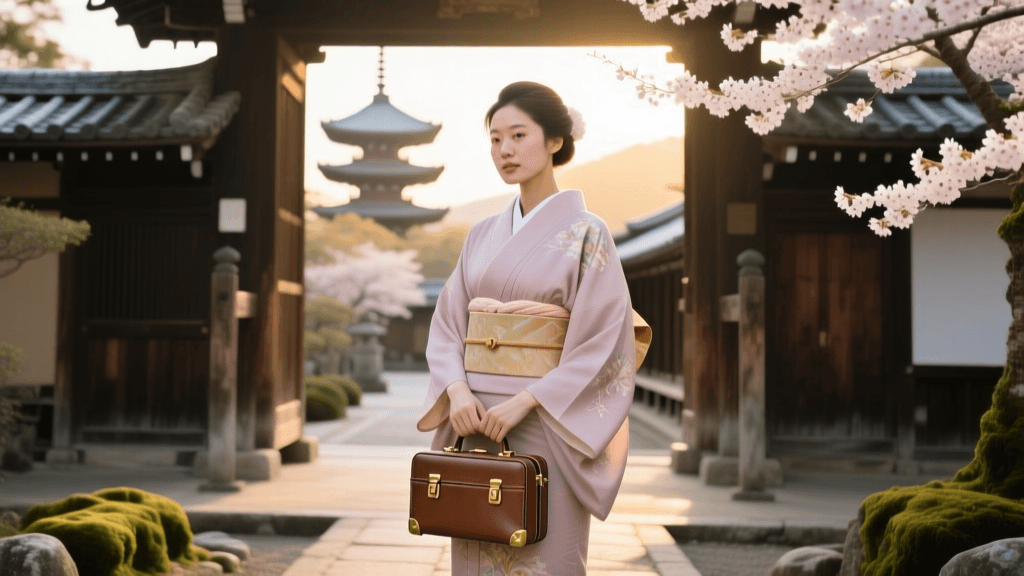
Why Bring Your Own Kimono to Japan in 2026?
As global tourism to Japan reaches a mature, culture-focused era in 2026, an increasing number of international travelers are choosing to bring their own traditional garments rather than relying on local rental shops. While rental services in Kyoto and Tokyo are abundant, they often involve hours of waiting, crowded dressing rooms, and a limited selection of generic, mass-produced polyester fabrics. By packing your own kimono, yukata, or komon, you unlock a deeply personalized travel experience. You can select textiles that resonate with your personal style, ensure a perfect custom fit, and enjoy the freedom to dress at your own pace in the comfort of your hotel room before stepping out into the historic streets of Japan.
Furthermore, bringing your own garment allows you to explore off-the-beaten-path locations where rental shops do not offer return-drop-off services. Whether you are wandering through the serene moss gardens of a rural temple or attending a summer fireworks festival, having your own kit provides unparalleled flexibility. However, packing a kimono requires strategic planning to manage wrinkles, organize multiple layers, and protect delicate silk from the rigors of international travel.
The Ultimate Kimono Travel Packing Checklist
Packing a kimono is not as simple as folding a dress and placing it in a suitcase. A complete kitsuke (dressing) kit involves several distinct layers, each serving a vital structural or aesthetic purpose. To streamline your packing process, organize your items into compression packing cubes or dedicated silk garment bags. Below is the essential checklist for a complete kimono travel kit in 2026.
| Garment Layer | Function | 2026 Travel Packing Tip |
|---|---|---|
| Hadajuban | Skin-layer undergarment to absorb sweat and protect outer silk. | Pack 2-3 lightweight cotton or moisture-wicking blends. |
| Nagajuban | Inner robe that provides the visible collar (eri). | Choose a synthetic washable nagajuban for easy hotel sink washing. |
| Koshihimo | Cotton ties used to secure the kimono at the waist. | Pack at least 3. Cotton grips better than elastic on humid days. |
| Datejime | Wide sash that smooths the waistline before the obi. | Opt for a Velcro-fastening datejime to save space and time. |
| Obi-ita | Stiff board inserted into the obi to prevent wrinkling. | Use a flexible, half-length plastic board that bends in luggage. |
| Obi | The wide, decorative outer sash. | Roll hanhaba (half-width) obi tightly; fold fukuro obi along seams. |
Essential Undergarments and Ties (The Unsung Heroes)
The foundation of any beautiful kimono silhouette lies in its undergarments. The hadajuban sits directly against the skin, protecting your valuable outer garments from sweat and body oils. In the humid Japanese summers or when transitioning between heated indoor spaces and chilly outdoor temples, a moisture-wicking hadajuban is a lifesaver. Over this, you wear the nagajuban, which provides the crucial flash of white or patterned collar at the neckline. When traveling, pack a spare han-eri (half-collar) in case the one you are wearing becomes stained or heavily perspired; it can be easily unsewn or unpinned and washed in a hotel sink.
Equally important are the koshihimo (waist ties). While modern elastic belt clips are popular for quick dressing, traditional cotton koshihimo remain the gold standard for all-day comfort and security, especially if you plan on walking up the steep stone steps of Kyoto's hillside temples. Pack at least three cotton ties: one for the nagajuban, one for the main kimono waist, and a backup. Additionally, a velcro-closure datejime will save you the frustration of tying complex knots under your obi, streamlining your morning dressing routine in your hotel room.
Footwear: Tabi and Zori for Cobblestones
Footwear can make or break your kimono travel experience. Traditional white cotton tabi socks are visually striking but offer zero arch support and can easily become soiled on dusty streets. For travel in 2026, many enthusiasts opt for stretch tabi made from a cotton-polyester blend with a rubberized sole, or they wear a pair of thin, split-toe liner socks underneath their traditional tabi for added friction and warmth. Always pack a small stain-remover pen specifically for your white tabi toes, which inevitably pick up dirt from wooden temple floors and stone pathways.
When selecting zori (sandals), leave your heavy, formal tatami-surfaced or delicate silk-brocade pairs at home. Instead, invest in a pair of lightweight EVA foam or synthetic leather zori with a cushioned, textured rubber outsole. These modern travel-friendly zori provide the necessary grip for slick cobblestones and the shock absorption needed for a full day of walking through the sprawling grounds of imperial palaces and shrine complexes.
Where to Wear Your Kimono in Kyoto (2026 Guide)
Kyoto remains the undisputed heart of traditional Japanese culture, but navigating its most famous spots in a kimono requires strategic timing and location selection. In 2026, the iconic Sannenzaka and Ninenzaka slopes leading to Kiyomizu-dera remain incredibly congested, making it difficult to walk gracefully in zori or take unobstructed photographs. Instead, seasoned kimono travelers are heading to Shoren-in Monzeki Temple. Located in the Higashiyama district, Shoren-in offers breathtaking garden views and massive, ancient camphor trees without the shoulder-to-shoulder crowds.
Another exceptional location is Daigo-ji Temple in the Fushimi ward, renowned for its sprawling grounds and secret cherry blossom or vibrant autumn foliage spots that provide a serene, expansive backdrop for your komon or tsumugi kimono. For those venturing into the Arashiyama district, bypass the main bamboo grove by 9:00 AM and take the scenic, uphill walk to Otagi Nenbutsu-ji. The hundreds of unique, moss-covered stone statues here create a mystical, crowd-free environment perfect for traditional garment photography. Alternatively, the Philosopher's Path at sunrise offers a magical, misty atmosphere where you can capture stunning reflections in the canal without battling tour groups.
Navigating Kyoto's 2026 Etiquette and Photography Rules
As you explore Japan in 2026, understanding local etiquette is paramount, especially in historic geisha districts and sacred spaces. The Japan National Tourism Organization (JNTO) heavily emphasizes respectful behavior in cultural hubs. In Kyoto's Gion district, strict bans on street photography in private alleys remain rigorously enforced to protect the privacy and dignity of geiko and maiko. Never chase, grab, or block the path of working artisans, and always ask for explicit permission before photographing locals or private property.
Furthermore, the Kyoto City Official Tourism Board reminds visitors that sitting directly on tatami mats in public temples requires care. Always sit formally (seiza) or cross-legged in a way that prevents the kimono's back panel (ohashori) from crushing or dragging on dusty floors. When dining at traditional restaurants or tea houses, use the provided napkin to cover your chest and prevent soup splashes from ruining your nagajuban collar. The JNTO Safety and Etiquette Guidelines also note that wearing overly revealing or improperly styled garments in sacred shrine spaces can be viewed as disrespectful, so ensure your collar is crossed correctly (left over right) and your hemline falls neatly at the ankle.
Wrinkle-Management and Hotel Steaming Hacks
Silk and high-quality polyester kimonos are notorious for wrinkling in suitcases. Professional kimono dressers recommend the 'maki' (rolling) technique for travel. Instead of folding the garment into sharp, rigid squares, fold it loosely along its natural seams and roll it around a soft cylindrical core, such as a specialized garment tube or even a tightly rolled-up towel. This prevents hard creases from setting into the fabric during long international flights.
Upon arriving at your hotel, immediately unroll the kimono and hang it on a wide, padded hanger to let gravity pull out minor wrinkles. For stubborn creases, a dual-voltage portable garment steamer is a 2026 travel essential. Hang the kimono in the bathroom while you take a hot shower to let the ambient steam relax the fibers, then gently steam the hem and sleeve panels. Avoid using a traditional flat iron directly on silk, as the concentrated heat can permanently scorch the delicate threads or flatten the beautiful woven texture of tsumugi fabrics.
Renting vs. Bringing Your Own in 2026
While renting is still a viable option for travelers who lack luggage space or are only wearing a garment for a single afternoon, bringing your own kit offers distinct advantages. Rental shops in 2026 often charge premium rates for high-quality silk, and you are bound by strict return times, usually by 5:00 PM. With your own kimono, you can wear it to an evening dinner, stroll through illuminated night gardens, and enjoy the comfort of a garment tailored to your exact measurements. However, if you are visiting during the peak of summer, you might opt to buy a high-quality, vintage cotton yukata from a local secondhand market like the Kyoto Tenjin-san flea market, allowing you to travel light and support local vintage textile vendors.
Final Thoughts on Your 2026 Garment Journey
Traveling with a kimono requires dedication, meticulous packing, and a deep respect for the cultural weight of the garment. By preparing a comprehensive travel kit, choosing your Kyoto destinations wisely, and adhering to modern etiquette standards, you transform a simple sightseeing trip into a profound cultural immersion. The feeling of walking through a quiet, moss-draped temple garden in your own carefully selected silk komon is an experience that defines the magic of Japanese travel in 2026.