Hanfu Travel Guide 2026: Packing Tips & Best Destinations
The Renaissance of Hanfu Tourism in 2026
As we navigate through 2026, the global fascination with traditional Asian garments has evolved from a niche hobby into a mainstream cultural movement. The Hanfu tourism sector has seen an unprecedented boom, with travelers deliberately planning itineraries around historical architecture, botanical gardens, and ancient cityscapes to capture the perfect photographic backdrop for their traditional Chinese attire. Furthermore, the rise of the Xin Zhongshi (新中式) or "New Chinese Style" movement has revolutionized travel wardrobes, allowing enthusiasts to blend historical silhouettes with modern, breathable fabrics designed specifically for the rigors of international transit.
However, traveling with traditional garments presents unique logistical challenges. Silk organza, heavy brocades, and meticulously pleated skirts require specialized packing techniques to ensure they arrive at your destination in pristine condition. This comprehensive 2026 guide provides actionable packing strategies, fabric maintenance tips, and a curated list of the most breathtaking Hanfu-friendly destinations across Asia.
Strategic Packing: Preserving Silk, Damask, and Brocade
The foundation of a successful Hanfu travel wardrobe lies in understanding your textiles. According to conservation guidelines outlined by the China National Silk Museum, protein-based fibers like mulberry silk are highly susceptible to permanent creasing and moisture damage when compressed incorrectly. To combat this, modern travelers in 2026 are moving away from traditional vacuum-seal bags, which can crush delicate embroidery and distort structural weaving.
The Bundle Wrapping Technique
For delicate upper garments like the Shan (shirt) or Ao (jacket), the bundle wrapping method is superior to standard folding. Lay the garment flat, place a core of soft cotton clothing in the center, and wrap the silk sleeves and body around the core. This prevents hard creases from forming along the fold lines. For added protection, interleave the fabric layers with unbuffered, acid-free tissue paper to absorb ambient humidity inside your luggage.
Preserving the Mamianqun Pleats
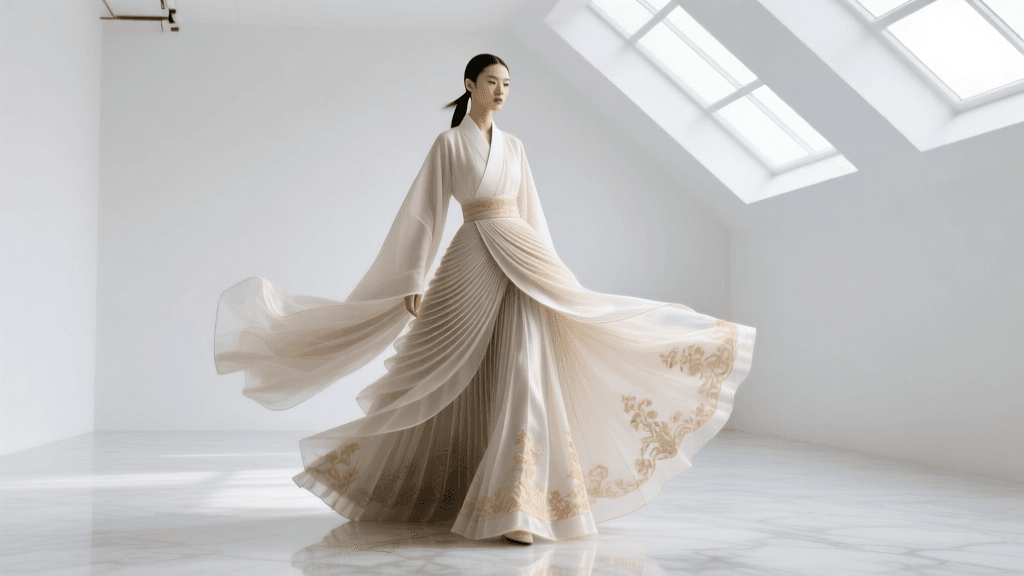
The Mamianqun (horse-face skirt) is arguably the most iconic and challenging garment to pack. The sharp, knife-pleated side panels can easily become misaligned in a suitcase. To preserve these pleats during travel:
- Use Pleat Tape: Apply specialized, low-residue textile tape along the hem and waistband to hold the pleats flat before folding.
- The Accordion Fold: Fold the skirt strictly along its existing pleat lines, never across them.
- Rigid Garment Folders: Invest in a 2026-model rigid garment folder with a hard-shell exterior. These cases prevent the crushing weight of other luggage items from flattening the skirt's structural volume.
Hanfu Travel Packing Matrix: Style vs. Practicality
Choosing the right Hanfu style for your travel itinerary is crucial. The following matrix compares popular traditional silhouettes based on their travel viability, fabric behavior, and ideal environmental conditions.
| Hanfu Style | Primary Fabric | Wrinkle Resistance | Packing Method | Best Travel Climate |
|---|---|---|---|---|
| Mamianqun (Ming Dynasty Skirt) | Woven Brocade / Damask | High (Heavy weight) | Accordion fold in rigid case | Cool to Mild (Autumn/Winter) |
| Qixiong Ruqun (Chest-high Skirt) | Silk Chiffon / Organza | Low (Creases easily) | Rolling / Bundle wrap | Warm / Humid (Summer) |
| Beizi (Long Outer Jacket) | Linen / Silk Blends | Medium (Xin Zhongshi blends) | Standard tri-fold with tissue | Variable (Layering piece) |
| Song Dynasty Aoqun | Lightweight Crepe | High (Textured surface) | Flat fold with soft core | Mild / Breezy (Spring) |
Top Scenic Destinations for Hanfu Photography in 2026
When curating your travel itinerary, it is essential to select locations that not only offer stunning visual backdrops but also foster a welcoming environment for traditional dress. Here are the premier destinations for Hanfu enthusiasts this year.
1. Suzhou, China: The Classical Gardens
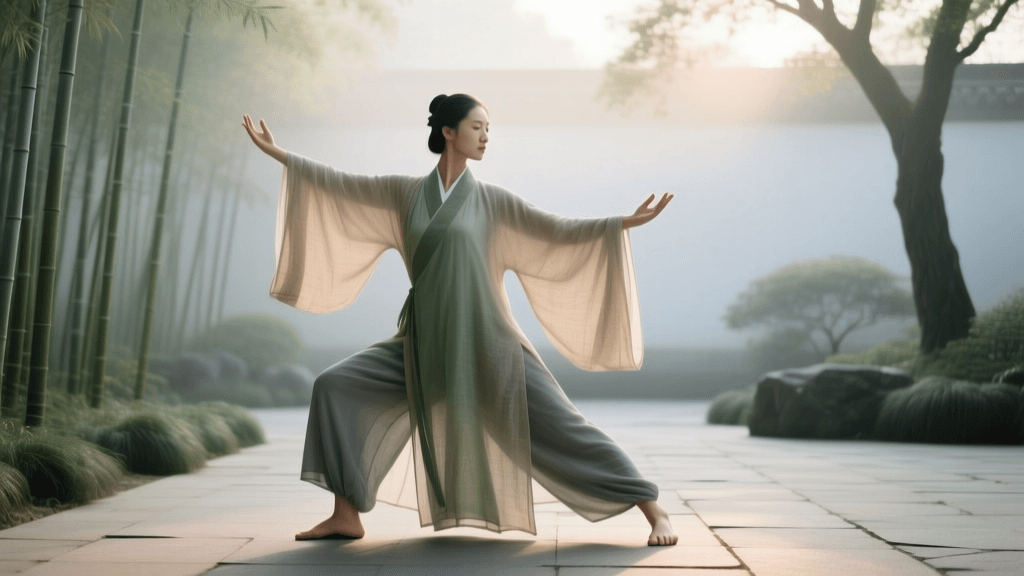
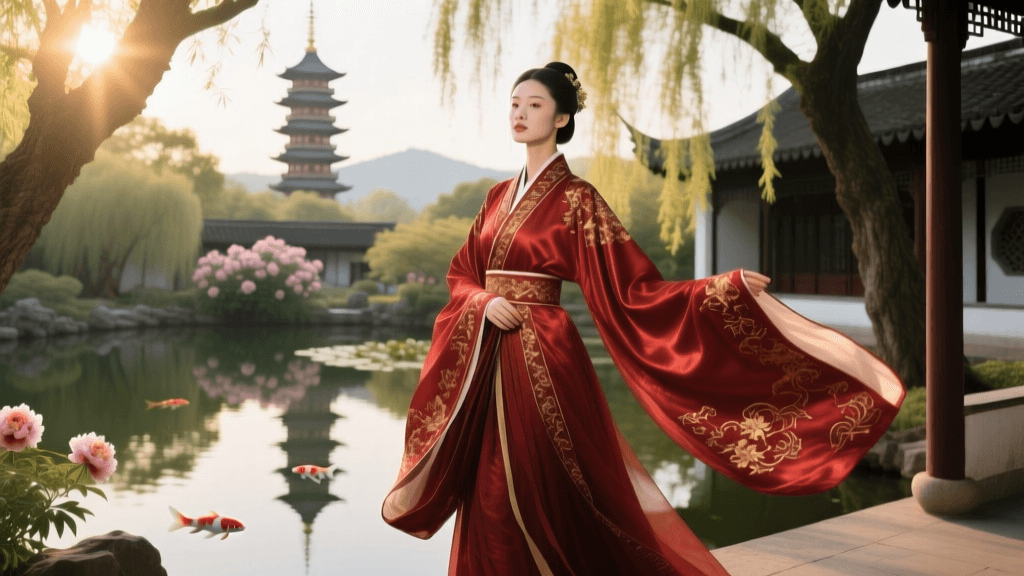
Suzhou remains the undisputed capital of Hanfu photography. The Classical Gardens of Suzhou, recognized as a UNESCO World Heritage site, provide an unparalleled backdrop of pavilions, koi ponds, and intricate rockeries. In 2026, local tourism boards have introduced early-morning "silent hours" specifically for traditional photography groups, allowing enthusiasts to capture the Humble Administrator's Garden without the interference of massive crowds. The damp, misty climate of the Jiangnan region perfectly complements the flowing, ethereal silhouettes of Wei-Jin and Song Dynasty styles.
2. Gyeongju, South Korea: Ancient Crossroads
For travelers interested in the historical Silk Road exchanges between the Tang Dynasty and the Silla Kingdom, Gyeongju offers a profound cultural experience. Wearing Hanfu near the ancient stone pagodas of Bulguksa Temple or the royal tombs of Daereungwon creates a beautiful visual dialogue between neighboring historical fashion traditions. South Korea's robust infrastructure and high-speed rail network make it incredibly easy to transport rigid garment cases safely from Seoul to Gyeongju in under three hours.
3. Hoi An, Vietnam: The Lantern City
Hoi An's ancient town, with its mustard-yellow colonial walls and thousands of silk lanterns, provides a vibrant, high-contrast setting for richly colored Ming Dynasty aesthetics. The local tailoring industry in Hoi An has also embraced the Xin Zhongshi movement; travelers can easily find local artisans who can repair or adjust modern Hanfu blends within 24 hours, making it a highly practical destination for extended fashion-focused trips.
Navigating Transit and Customs with Traditional Garments
Airport security and high-speed rail checkpoints can be daunting when adorned in traditional attire. Modern Hanfu accessories, such as elaborate buyao (step hairpins) and metallic waist chains, will inevitably trigger metal detectors. To streamline your transit experience in 2026, pack a dedicated "transit pouch" made of clear, TSA-compliant silicone. Before passing through security, swiftly remove your metallic hairpieces and jade pendants, placing them in the pouch to avoid tangled chains and lost artifacts in the security bins.
Furthermore, when booking flights, prioritize airlines that offer a "closet in the sky" service in premium economy or business class. Hanging a fully assembled Ruqun or a delicate silk Beizi immediately upon boarding ensures that the garment drapes perfectly by the time you land, utilizing the natural humidity of the cabin to gently relax minor travel wrinkles.
On-the-Go Garment Maintenance
Even with meticulous packing, garments will require refreshing upon arrival. The latest generation of portable travel steamers released in 2026 features precise temperature dials calibrated specifically for protein fibers. When steaming silk organza or delicate damask, always maintain a distance of at least two inches and use a pressing cloth to prevent water spots. Avoid traditional ironing, as the direct heat can scorch embroidered threads and melt synthetic blending fibers often found in modern Xin Zhongshi travel wear.
For stain management, carry a specialized enzymatic stain removal pen designed for silk and wool. Spills from street food or tea are inevitable during travel, and immediate, targeted spot-cleaning will save your precious garments from permanent discoloration until you can arrange for professional dry cleaning.
Conclusion
Traveling with Hanfu in 2026 is a deeply rewarding endeavor that bridges the gap between historical reverence and modern exploration. By mastering the art of textile-specific packing, leveraging the versatility of the Xin Zhongshi movement, and choosing destinations that honor cultural aesthetics, you can transform your Asian travels into a living, breathing canvas of traditional artistry.