Best Hanfu Silhouettes For Tai Chi And Qigong Practice 2026
The Intersection of Hanfu and Traditional Wellness in 2026
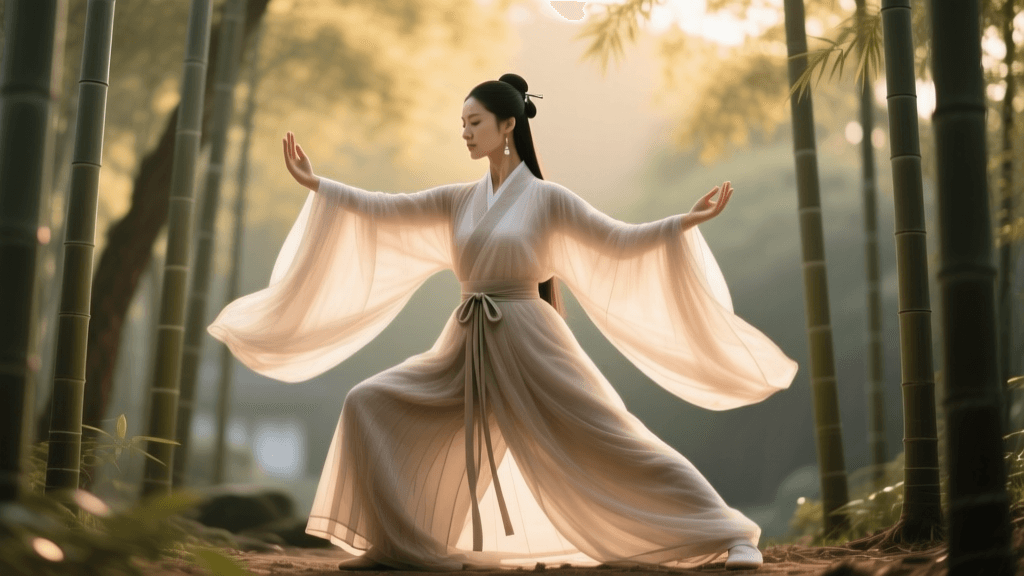
The year 2026 marks a pivotal moment in the global wellness community, where the boundaries between traditional attire and somatic movement have seamlessly blurred. The Xin Zhongshi (new Chinese style) movement has evolved beyond mere fashion statements, deeply integrating historical garments into daily mindfulness and martial practices. For practitioners of Tai Chi and Qigong, wearing traditional Hanfu is no longer just about aesthetic appreciation; it is about embodying the cultural and energetic lineage of the movements. However, not all historical silhouettes are created equal when it comes to the biomechanical demands of internal martial arts.
According to research highlighted by Harvard Health Publishing, Tai Chi and Qigong require deep diaphragmatic breathing, full rotational mobility of the shoulder girdle, and the ability to sink into deep stances like the Ma Bu (horse stance). A restrictive garment can impede the flow of Qi, restrict blood circulation, and ultimately detract from the meditative and physical benefits of the practice. This comprehensive guide explores the most functional, historically accurate Hanfu silhouettes and textile innovations for Tai Chi and Qigong practitioners in 2026.
Biomechanical Requirements for Somatic Garments
Before selecting a specific dynasty's style, it is crucial to understand the physical requirements of internal martial arts. Traditional Chinese wellness practices emphasize the concept of 'Song' (relaxation and active release of tension). Your clothing must facilitate this state. The garment's shoulders must allow for the 'sinking' of the scapula, the sleeves must not catch the wind excessively during rapid sword forms, and the lower half must permit a full pelvic tilt without the waistband digging into the Dan Tian (the body's energetic center located just below the navel).
Heavily layered court dresses from the Tang dynasty or the stiff, high-collared standing-neck jackets of the late Ming and Qing dynasties are entirely unsuitable for Qigong. Instead, practitioners in 2026 are turning to scholarly, monastic, and martial silhouettes that prioritize fluid drape and structural ease.
Top 3 Historical Silhouettes for Unrestricted Movement
1. Song Dynasty Beizi (褙子)
The Song Dynasty Beizi is arguably the most versatile outer garment for modern Qigong practice. Characterized by its straight cut, open front, and dramatic side slits (Kaicha) that often reach up to the armpit or waist, the Beizi allows for unparalleled freedom of movement in the lower body. When performing deep lunges or sweeping leg kicks in Chen-style Tai Chi, the high side slits ensure the fabric never pulls against the thighs. The straight, unstructured shoulders encourage the practitioner to naturally drop their shoulder blades, a fundamental requirement for proper Qi circulation. In 2026, modern tailors are crafting practice-specific Beizi with hidden internal ties to keep the front panels secure during inverted or bending movements.
2. Ming Dynasty Daoshan (道衫) and Dao Pao
Translating to 'Daoist Shirt' or 'Daoist Robe', the Daoshan is deeply rooted in China's spiritual and martial heritage. Featuring a traditional cross-collar (Jiaoling Youren) that wraps right over left, and wide but tapered sleeves, the Daoshan provides a profound psychological connection to the meditative roots of Tai Chi. The cross-collar naturally opens the chest and prevents the constriction of the throat, facilitating the deep, rhythmic breathing required in Qigong. For practitioners attending the 2026 international wellness retreats in Wudang Mountain, a lightweight, unlined Daoshan made of breathable ramie is the standard uniform.
3. Tang Dynasty Yuanlingpao (圆领袍) - Modified for Martial Arts
While the standard Tang round-collar robe was a staple of civil and military officials, its martial adaptations are perfect for Tai Chi sword and spear forms. The Yuanlingpao features a fitted round collar and side slits that allow for dynamic footwork. In 2026, bespoke Hanfu makers have introduced 'martial cut' Yuanlingpao, which feature slightly narrower sleeves (Yi Xiu) to prevent the fabric from tangling with the hilt of a Jian (straight sword) or Dao (saber) during complex wrist rotations.
2026 Fabric Innovations and Traditional Textiles
The choice of fabric is just as critical as the silhouette. As noted by The Metropolitan Museum of Art, the history of Chinese dress is inextricably linked to the mastery of silk and plant-based fibers. Today, practitioners must balance historical authenticity with the demands of active sweating and outdoor practice. Below is a comparison of the top fabrics recommended for Tai Chi and Qigong Hanfu in 2026.
| Fabric Type | Breathability | Drape & Weight | Best Practice Application | Estimated 2026 Cost (Custom) |
|---|---|---|---|---|
| Xiangyunsha (Gambiered Silk) | High | Crisp, lightweight, rustling | Morning Qigong, outdoor meditation | 3,500 - 5,000 RMB |
| Summer Ramie (Xia Bu) | Very High | Structured, slightly coarse | Active Tai Chi, deep stances | 1,200 - 1,800 RMB |
| Bamboo-Cupro Blend (2026 Tech) | Exceptional | Fluid, heavy drape, cool | Indoor wellness retreats, flow forms | 800 - 1,500 RMB |
| Heavy Mulberry Silk (Crepe) | Moderate | Heavy, luxurious, warm | Winter indoor meditation | 2,500 - 4,000 RMB |
Xiangyunsha (香云纱): Known as 'soft gold' in the textile world, this silk is dyed using yam juice and river mud. It is naturally antibacterial, repels light moisture, and does not cling to the skin when sweating, making it the ultimate luxury fabric for 2026 wellness enthusiasts.
Bamboo-Cupro Blends: A major innovation in the 2026 sustainable textile market, these blends offer the luxurious drape of traditional silk but with the moisture-wicking and thermoregulating properties required for rigorous martial practice.
Precision Tailoring: Measurements for the Martial Artist
Off-the-rack Hanfu is rarely suitable for serious Tai Chi practice. When commissioning a custom garment from a tailor in Suzhou or Hangzhou, you must provide specific instructions tailored to your martial art. According to guidelines supported by somatic movement experts and traditional tailors, pay attention to these critical measurements:
- Sleeve Length (Yi Xiu): For Qigong, sleeves should extend exactly to the middle of the palm when the arm is relaxed at the side. This ensures the wrists are covered during 'Pushing the Mountains' forms, maintaining joint warmth. For Tai Chi sword, sleeves must be tapered at the wrist or end precisely at the wrist bone to avoid snagging.
- Slit Height (Kaicha): For the Song Beizi or Ming Dao Pao, request side slits that begin at least 15 centimeters above the knee. This is non-negotiable for practitioners who regularly drop into the Pu Bu (drop stance) or deep Ma Bu.
- Collar Depth (Jiao Ling): The cross-collar must sit flat against the collarbone without choking the neck. Request a 'relaxed martial fit' for the neckline, allowing a two-finger gap between the fabric and the throat.
- Waist Placement: Ensure the garment's waistline sits at the natural waist, but the trousers or skirt underneath are secured with a wide, flat cotton sash directly over the Dan Tian, avoiding any pressure on the lower abdomen during diaphragmatic breathing.
Packing and Maintenance for 2026 Wellness Retreats
As wellness tourism surges in 2026, many practitioners are traveling to sacred mountains like Wudang, Emei, and Qingcheng for immersive Tai Chi retreats. Packing and maintaining your Hanfu requires specific care to ensure longevity and hygiene.
'The way you care for your practice garments is an extension of your mindfulness. Folding your Hanfu with intention after a Qigong session is a meditative act in itself.' — Master Li, Wudang Wellness Institute, 2026.
The Retreat Packing Checklist:
- Two Sets of Practice Hanfu: One Ramie set for active sweating, one Bamboo-Cupro or Xiangyunsha set for evening meditation and tea ceremonies.
- Flat Cotton Sashes: Bring at least three sashes in neutral colors (undyed white, indigo, or slate grey) to rotate and wash easily.
- Cloth Garment Bag: Avoid plastic. Use a breathable cotton or linen bag to transport your silk garments, preventing moisture buildup and mildew in humid mountain climates.
- pH-Neutral Silk Wash: Xiangyunsha and mulberry silk must never be washed with alkaline detergents. Bring a specialized, travel-sized pH-neutral liquid soap.
When washing Xiangyunsha, do not wring the fabric. Gently press the water out and hang it in the shade. The unique mud-dyeing process of Xiangyunsha actually benefits from occasional exposure to morning dew, a traditional maintenance technique that keeps the fabric supple and enhances its distinctive crackled patina over years of use.
Conclusion
The integration of Hanfu into Tai Chi and Qigong is a beautiful synthesis of form, function, and cultural reverence. By selecting the appropriate historical silhouettes—such as the open-sided Song Beizi or the spiritually resonant Ming Daoshan—and pairing them with high-performance traditional textiles like Xiangyunsha or modern bamboo blends, practitioners can elevate their somatic experience. As we navigate the wellness landscape of 2026, understanding the precise tailoring and biomechanical needs of these garments ensures that your clothing remains a conduit for Qi, rather than a barrier to it. Whether you are practicing in a local park or attending a high-altitude retreat in Wudang, the right Hanfu will ground your practice in centuries of unbroken tradition.
For further reading on the physical and mental benefits of these ancient practices, practitioners are encouraged to review the comprehensive clinical overviews provided by the Mayo Clinic regarding Tai Chi's impact on stress reduction and balance.