Modern Kitsuke 2026: Layering Nishijin Haori and Zori
The Evolution of Kitsuke in 2026
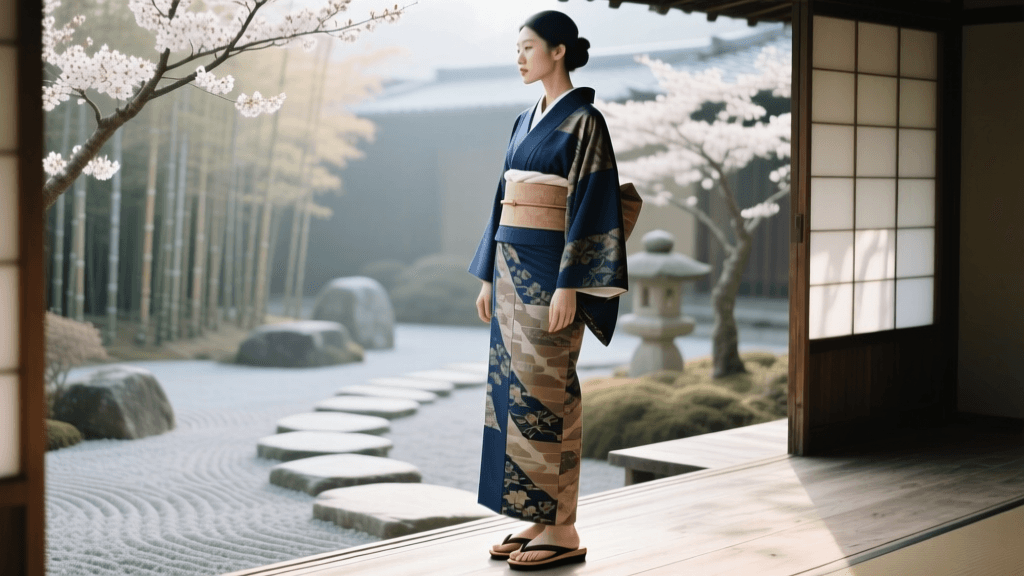
Japanese fashion is often globally recognized through the striking silhouette of the kimono, but the true depth of this sartorial tradition lies in kitsuke—the comprehensive art of dressing. In 2026, kitsuke has evolved from a rigid set of historical rules into a dynamic, living practice that blends Zen spirituality, meticulous weaving methods, and modern international design. As global interest in sustainable, slow fashion peaks this year, the layered approach of Japanese garments offers a masterclass in intentionality, sensory experience, and lifecycle dressing.
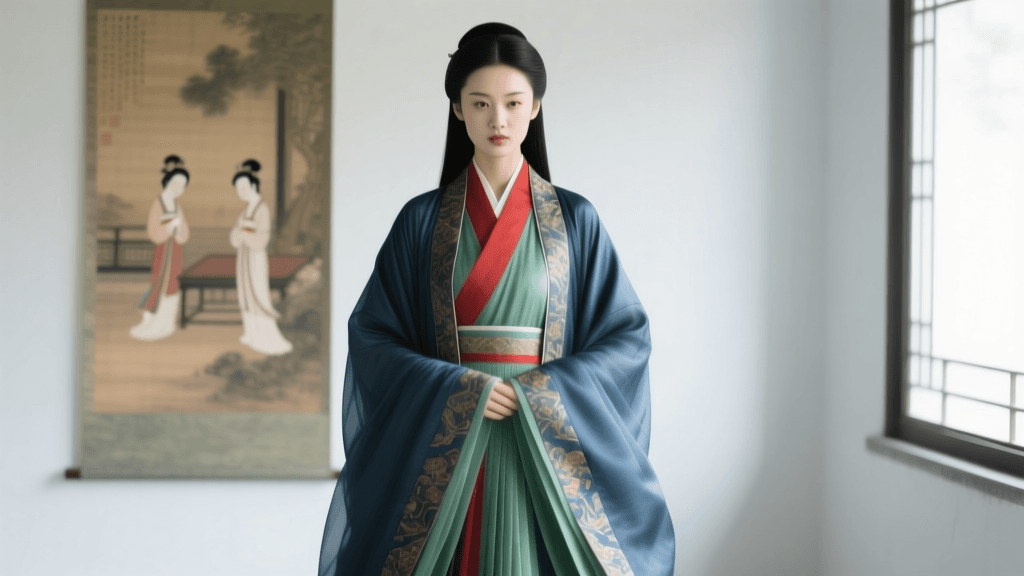
According to the Metropolitan Museum of Art's Heilbrunn Timeline, the kimono's T-shaped structure is deceptively simple, yet the layering system beneath and above it dictates formality, seasonality, and personal expression. Today, we explore the intricate layering of the nagajuban (undergarment), the kimono, the haori (jacket), and the essential footwear that grounds the ensemble.
The Foundation: Juban, Kimono, and the Sensory Experience
The foundation of any authentic Japanese ensemble begins with the nagajuban. In 2026, breathable, sustainably sourced ramie and organic silk blends dominate the undergarment market, ensuring comfort during increasingly warm global summers. The haneri (decorative collar) attached to the juban is a prime canvas for personal expression, often featuring subtle Zen-inspired motifs like enso circles or minimalist botanical prints.
Dressing in traditional silk is a profoundly sensory experience. The Japanese concept of kinu-zure refers to the distinct, rustling sound of silk garments moving against one another. This auditory feedback is not merely a byproduct of the fabric; it is a celebrated element of the wearer's presence. Furthermore, the tactile sensation of chirimen (silk crepe) against the skin provides a subtle, textured friction that helps the garment stay in place without the need for excessive tightening of the obi, promoting better circulation and comfort throughout long ceremonies. The olfactory experience of traditional garments—faintly scented with camphor, hinoki wood, and dried plum blossoms from storage—adds an invisible layer of elegance that modern synthetic perfumes cannot replicate.
Nishijin-ori Weaving and the Zen Haori
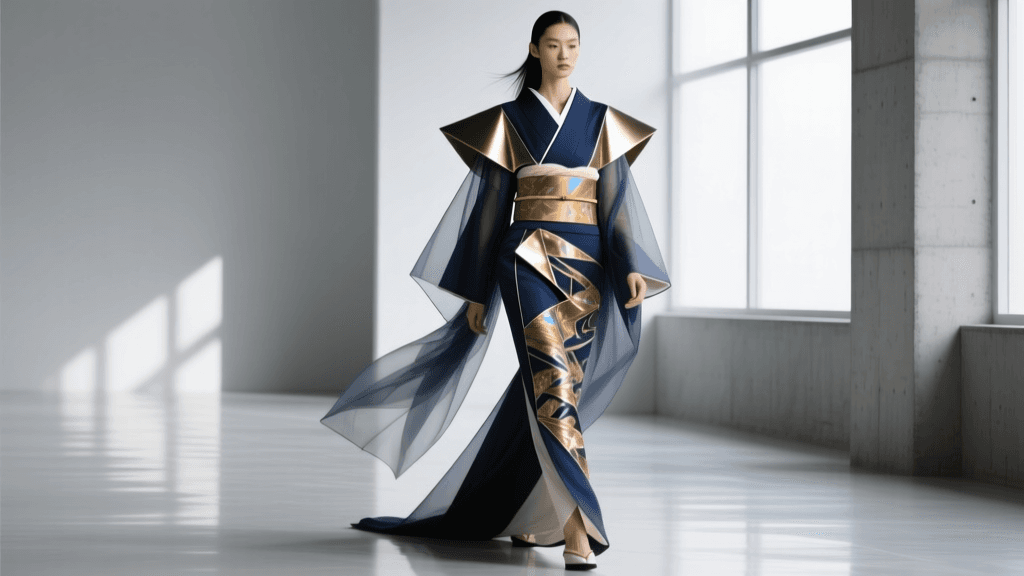
The haori is a hip- or thigh-length jacket worn over the kimono, and it serves as the ultimate statement piece in contemporary Japanese fashion. The most prestigious haori and obi (sashes) are crafted using Nishijin-ori, a traditional weaving method originating in Kyoto. Recognized for its intricate brocade and gold-leaf integration, Nishijin weaving requires dozens of specialized artisans to complete a single bolt of fabric.
The Japan Traditional Crafts Exhibition continues to highlight how master weavers are adapting Nishijin-ori for 2026 by integrating recycled metallic threads and botanically dyed silks, appealing to eco-conscious international designers. The aesthetic of the modern haori leans heavily into Zen spirituality: embracing ma (negative space) and wabi-sabi (the beauty of imperfection). A 2026 trend sees the pairing of highly ornate, vintage Nishijin obi with stark, unpatterned, matte-black silk haori, creating a striking visual contrast that honors both maximalist craftsmanship and minimalist restraint.
Footwear Selection: Zori, Geta, and Setta
No kitsuke is complete without the proper footwear. The selection of footwear is strictly dictated by the formality of the kimono, the weather, and the life stage of the wearer. In 2026, ergonomic advancements in traditional footwear crafting have introduced memory-foam inserts beneath the woven tatami-omote (rush grass) covers of high-end zori, bridging historical aesthetics with modern comfort.
| Footwear Type | Material & Structure | Formality Level | 2026 Avg. Price (JPY) | Best Use Case |
|---|---|---|---|---|
| Zori | Vinyl, leather, or brocade covered; flat or slightly elevated wedge. | Semi-Formal to Formal | ¥15,000 - ¥45,000 | Tea ceremonies, weddings, visiting shrines. |
| Geta | Raw wood (paulownia or cedar) with one to three wooden teeth. | Casual to Semi-Formal | ¥8,000 - ¥25,000 | Summer festivals, yukata pairing, rainy days. |
| Setta | Leather sole with a woven upper and a metallic heel cap. | Casual to Smart-Casual | ¥12,000 - ¥30,000 | Daily wear, travel, pairing with hakama. |
When selecting zori, the height of the heel and the color of the hanao (thong) must coordinate with the kimono's hem and the obi. For formal occasions in 2026, pure white or gold brocade zori remain the undisputed standard, while deep indigo and charcoal setta have become the preferred choice for men's hakama ensembles.
Dressing for Life Stages and International Travel
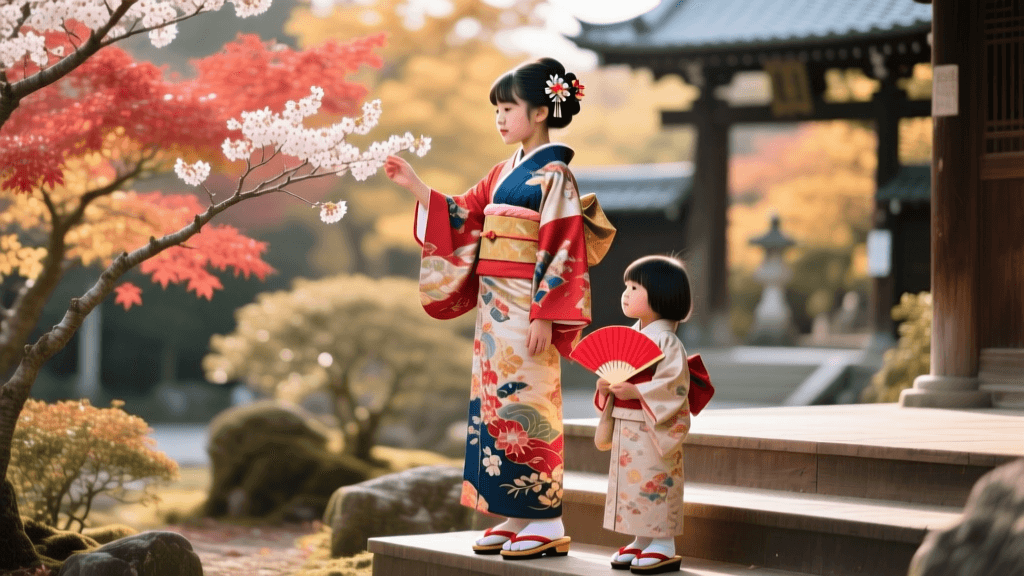
Japanese fashion is deeply intertwined with life stages. The garments worn for Shichi-Go-San (the festival for children aged three, five, and seven) feature vibrant, auspicious motifs like cranes and pine trees. As individuals reach the Seijin-shiki (Coming of Age Day at age 20), young women don the furisode—a kimono with dramatically long, swinging sleeves that signify youth and availability, while young men often wear the montsuki haori hakama (crested jacket and pleated trousers). Marriage ceremonies introduce the shiromuku, an all-white ensemble symbolizing purity and the bride's willingness to be dyed in the colors of her new family, followed by the vibrant iro-uchikake. The financial investment for these life-stage garments in 2026 remains significant, with bespoke furisode rentals averaging ¥150,000 and custom Nishijin-ori wedding ensembles easily surpassing ¥3,000,000.
As global travel rebounds and cultural tourism thrives in 2026, wearing traditional garments internationally requires practical adjustments. The Victoria and Albert Museum notes that the kimono has always been a globally adaptive garment. For modern travelers, the yukata (unlined cotton summer kimono) and the jinbei (two-piece cotton lounge wear) offer breathable, easily packable alternatives to heavy silks. When traveling with formal silk garments, utilizing specialized, breathable garment bags and avoiding tight rolling is crucial to prevent permanent creasing in the delicate Nishijin brocades.
Garment Preservation and Smart Storage
Preserving these textile investments is a critical component of the Asian traditions surrounding garment care. Silk is highly susceptible to humidity, light, and pests. In 2026, the integration of smart-home climate control has revolutionized traditional preservation. Dedicated kimono chests (tansu) are now frequently outfitted with micro-sensors that monitor internal humidity, automatically triggering localized dehumidification to maintain the ideal 50% relative humidity.
Furthermore, the traditional practice of mushiboshi (airing out garments) is still observed, typically during the crisp, dry days of late autumn. Garments are carefully unfolded, inspected for spotting, and allowed to breathe before being repacked with natural camphor and wrapped in acid-free tatou-shi (storage paper). This meticulous preservation ensures that the garments can be passed down through generations, maintaining the unbroken thread of Japanese fashion history.
Conclusion
The comprehensive guide to Japanese fashion in 2026 reveals a culture that refuses to let its traditions become museum relics. Through the mindful layering of kitsuke, the masterful Nishijin-ori weaving of the haori, and the grounded elegance of zori footwear, wearers engage in a daily practice of Zen spirituality and sensory appreciation. Whether dressing for a formal tea ceremony or adapting historical silhouettes for international travel, the Japanese garment remains a profound testament to the artistry of Asian traditions.