Kimono on Global Runways: 2026 Fashion Week Trends & Styling

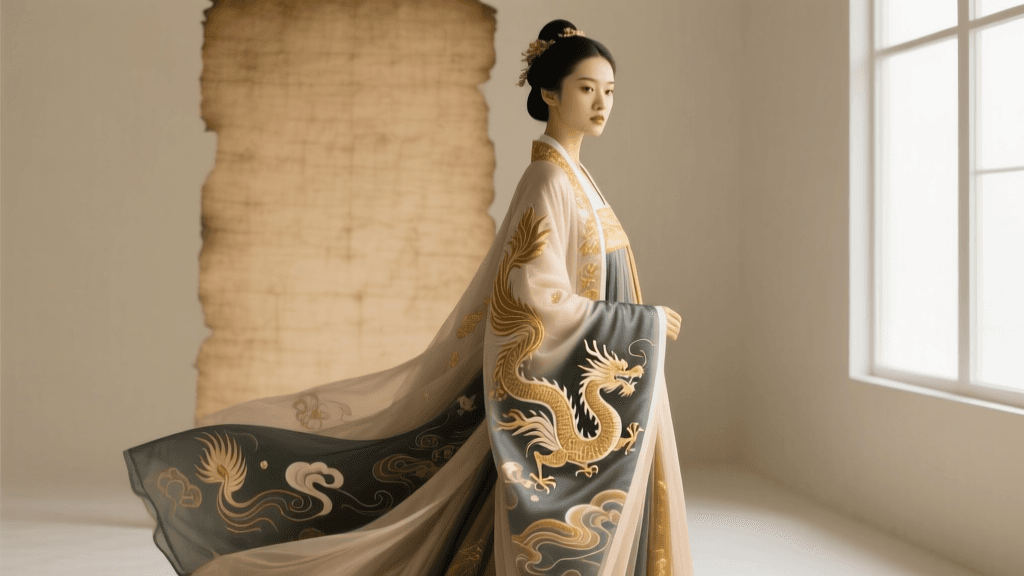
The traditional Japanese kimono has long been a symbol of meticulous craftsmanship, cultural heritage, and structural elegance. However, as we navigate the Spring/Summer and Fall/Winter 2026 fashion weeks, the kimono has transcended its status as a mere historical artifact or occasional source of exotic inspiration. Today, it stands as a foundational pillar of global haute couture. From the grand avenues of Paris to the avant-garde studios of Milan and Tokyo, the kimono’s iconic T-shape silhouette is being deconstructed, reimagined, and seamlessly integrated into the modern luxury wardrobe.
This evolution is not merely about aesthetic appropriation; it is a profound structural dialogue. Designers in 2026 are leveraging the kimono’s zero-waste patterning, its revolutionary approach to layering, and its fluid relationship with the human body to answer the fashion industry’s pressing demands for sustainability and genderless design. In this comprehensive guide, we explore how the kimono is dominating the 2026 global runways, the key designers leading this renaissance, and how you can translate these high-fashion concepts into actionable, everyday styling.
The Deconstructed T-Shape: 2026 Silhouette Trends
At its core, the traditional kimono is constructed from straight, rectangular bolts of fabric, resulting in a distinct T-shape that hangs loosely from the shoulders. For the 2026 runway season, global designers are manipulating this geometry to create striking new silhouettes. The rigid, boxy lines of the past have given way to fluid, asymmetric draping that challenges conventional Western tailoring.
This season, the dropped shoulder—a hallmark of the kimono’s kata-yama (shoulder slope)—has been exaggerated. Runway coats and jackets are featuring shoulder seams extended by an additional four to six inches, creating an enveloping, cocoon-like effect that prioritizes comfort without sacrificing dramatic presence. Furthermore, the traditional straight hem is being disrupted. Asymmetrical hemlines, where the left panel cascades inches lower than the right, are appearing on everything from silk evening gowns to structured wool overcoats, mimicking the natural, overlapping fold of the kimono’s okumi (front panel).
Key Designers Leading the 2026 Kimono Renaissance
The integration of Japanese garment philosophy into Western haute couture is being spearheaded by a mix of heritage Japanese houses and innovative European artisans. Their 2026 collections highlight a deep respect for the kimono’s architecture while pushing the boundaries of modern textile engineering.
Sacai: The Art of Hybridization
Chitose Abe’s Sacai continues to dominate Paris Fashion Week in 2026 with her signature splicing technique. This season, Abe has masterfully fused the traditional haori (a short kimono jacket) with classic Western military trench coats. By utilizing upcycled vintage silk kimono textiles for the upper bodice and transitioning into heavy-duty, weather-resistant cotton twill for the lower half, Sacai creates a garment that is both deeply rooted in Japanese tradition and fiercely modern. These hybrid pieces, retailing between $2,800 and $4,500, sold out within hours of their digital debut.
Maison Margiela: Artisanal Upcycling
John Galliano’s Artisanal collection for Maison Margiela in 2026 has taken the concept of the kimono as a sustainable, multi-generational garment to its logical extreme. Sourcing damaged, pre-war Meiji and Taisho-era kimonos, the Margiela atelier has meticulously deconstructed them, utilizing the vibrant yuzen dyed silks to create corsetry, tailored lapels, and intricate appliqué work on sheer organza base layers. This approach not only preserves historical textiles but aligns perfectly with the luxury sector's 2026 mandates for circular fashion.
Yohji Yamamoto: Avant-Garde Draping
Yohji Yamamoto’s Fall/Winter 2026 collection remains a masterclass in volume and shadow. Moving away from literal translations of the kimono, Yamamoto has focused on the obi (the traditional sash). In his latest runway presentation, the obi is reimagined as an external, structural harness. Thick, padded bands of black wool and felt are wrapped tightly around the waist and torso over voluminous, billowing shirts, creating a striking contrast between restriction and overwhelming freedom.
Traditional Elements vs. 2026 Haute Couture Adaptations
To truly understand the genius of the 2026 runway adaptations, one must compare them to their historical counterparts. The table below outlines how key kimono elements have been translated for the modern haute couture consumer.
| Traditional Element | Historical Function & Measurement | 2026 Runway Adaptation |
|---|---|---|
| Obi (Sash) | Secures the kimono; traditionally 12 inches wide and up to 13 feet long, tied in complex knots at the back. | Reimagined as a 6-inch wide, front-lacing corset belt with industrial hardware; priced from $800 to $1,500. |
| Furi (Sleeves) | Deep, swinging sleeves that denote age and marital status; can reach up to 45 inches in length. | Shortened to a dramatic 18-inch bell shape, often featuring hidden interior pockets and weighted hems for better drape. |
| Kasane (Layering) | Multiple layers of silk worn for warmth and to display color combinations at the collar and hem. | Achieved through single garments with false-layered collars and trompe-l'oeil printing to reduce bulk and material waste. |
| Yuzen Dyeing | Hand-painted, resist-dyed pictorial motifs representing seasons and nature. | Digitally mapped and laser-etched onto sustainable vegan leathers and lab-grown silks for zero-water-waste production. |
Textile Innovation: Nishijin-ori Meets Sustainable Tech
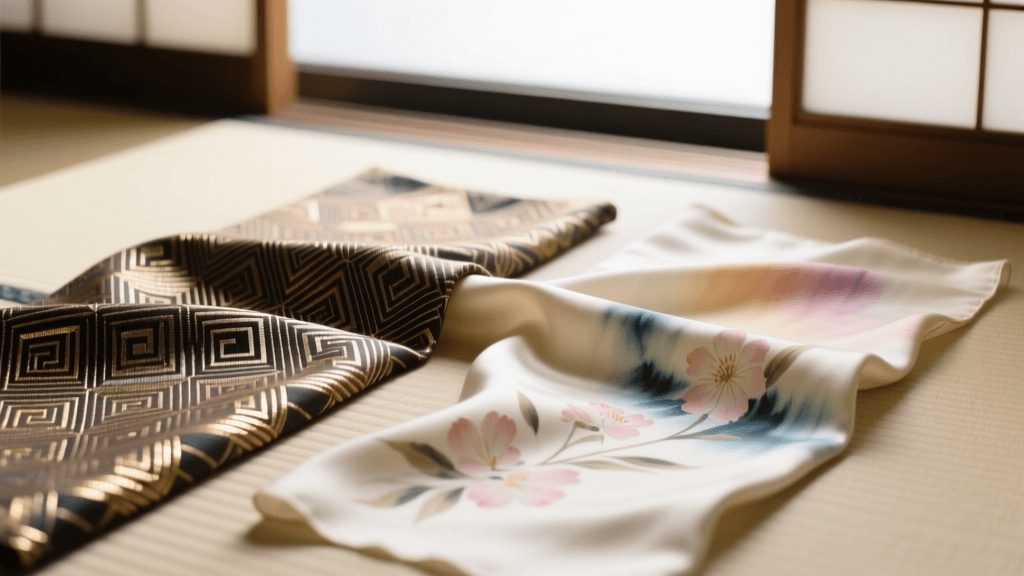
The 2026 fashion landscape is defined by the intersection of heritage craft and cutting-edge sustainability. A prime example is the revival and modernization of Nishijin-ori, the highly complex, multi-layered brocade weaving technique originating from Kyoto. Historically reserved for the most formal and expensive kimonos, Nishijin-ori is now being integrated with 2026’s breakthrough textile technologies.
According to recent analyses by the Business of Fashion's sustainability reports, luxury houses are under immense pressure to eliminate virgin synthetic fibers. In response, Japanese textile mills have begun weaving traditional Nishijin-ori patterns using lab-grown spider silk and recycled metallic threads derived from e-waste. This results in a fabric that possesses the breathtaking, three-dimensional luminosity of a vintage kimono but boasts the durability, water resistance, and carbon-neutral footprint required by modern luxury conglomerates. As noted in the historical archives of the Victoria and Albert Museum's Kimono: Kyoto to Catwalk exhibition, the kimono has always been a canvas for textile innovation, and 2026 proves that this legacy of material experimentation is very much alive.
Translating Runway Kimono Trends into Everyday Styling
While the avant-garde creations seen on the runways of Vogue Runway's Spring/Summer 2026 coverage may seem intimidating for daily wear, the underlying principles of kimono styling are highly adaptable. Here is actionable advice on how to incorporate these high-fashion Japanese silhouettes into your 2026 wardrobe.
1. The Modern Obi Corset over Tailoring
The most striking and accessible trend of 2026 is the use of the obi as a wide, structured belt. Instead of purchasing a literal vintage obi, which can be stiff and difficult to secure, invest in a modern, wide-cinch belt (approximately 5 to 7 inches in width) crafted from supple leather or heavy canvas. Wear this over an oversized, structured blazer or a crisp, elongated white poplin shirt. This technique instantly cinches the waist, creating an hourglass silhouette while evoking the structural dominance of the traditional kimono sash. Pair this look with wide-leg trousers to maintain the fluid, unbroken vertical line characteristic of Japanese garments.
2. The Haori Layering Technique
The haori is traditionally worn open, allowing the layers beneath to peek through. In 2026, the haori has been adapted into the ultimate transitional outerwear piece. Look for open-front, hip-length jackets with wide, dropped sleeves and no buttons or zippers. These garments rely entirely on the drape of the fabric and the movement of the wearer. Layer a silk or lightweight wool haori-style jacket over a simple turtleneck and straight-leg denim. The lack of restrictive closures allows for effortless movement and provides a relaxed, intellectual elegance that is highly favored in contemporary minimalist styling.
3. Embracing the Wrap Coat Silhouette
The kimono’s overlapping front panels (okumi) are the direct ancestors of the modern wrap coat. For the Fall/Winter 2026 season, prioritize wrap coats that feature an extended, shawl-like lapel that mimics the kimono collar (eri). When styling, ensure the coat is secured with a self-belt tied slightly off-center rather than directly at the navel. This asymmetrical closure nods to the traditional left-over-right folding of the kimono while providing a dynamic, visually interesting focal point to your winter outerwear.
The Cultural Dialogue: Appreciation on the Global Stage
As the kimono continues to captivate global audiences, the conversation surrounding cultural appreciation versus appropriation remains vital. The most celebrated designers of 2026 are those who approach the kimono not as a costume, but as a profound philosophical approach to clothing. They collaborate directly with Japanese artisans, credit the origins of their textile techniques, and honor the garment's historical significance.
The kimono’s journey from the wooden looms of the Edo period to the illuminated runways of Paris in 2026 is a testament to its timeless brilliance. It is a garment that refuses to be confined by geography or era. By understanding its structural genius and embracing its modern adaptations, we not only elevate our personal style but also participate in the ongoing, beautiful evolution of one of Asia’s most magnificent cultural treasures.