Modern Cheongsam Styling: 2026 Global Fashion Media Trends
The 2026 Runway Shift: Structural Deconstruction
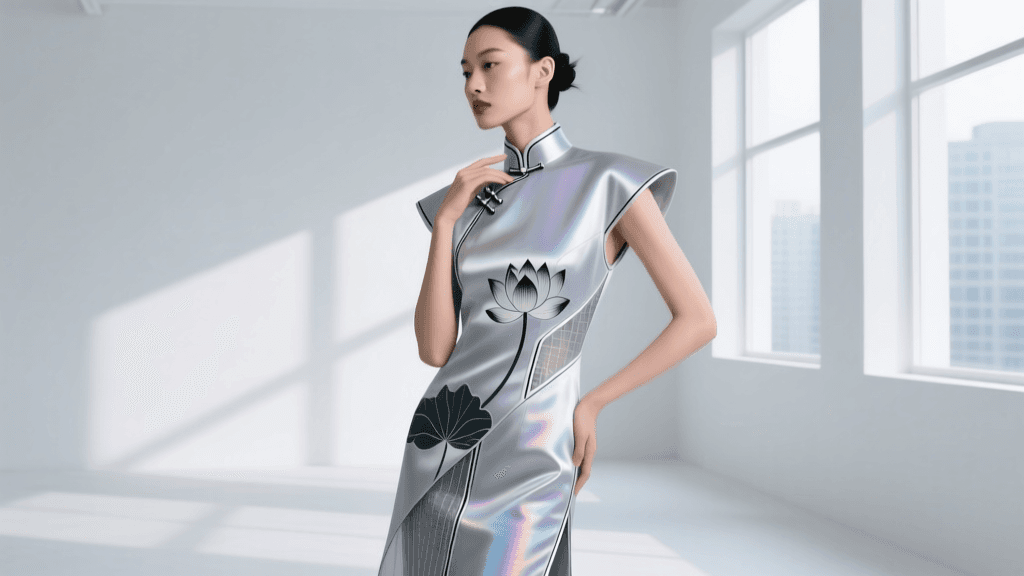
As the Spring/Summer and Autumn/Winter 2026 fashion weeks conclude across Paris, Milan, and Shanghai, a distinct narrative has emerged in global fashion media: the cheongsam (also known as the qipao) is no longer treated as a static historical artifact or a mere costume for themed editorials. Instead, top-tier fashion houses and avant-garde designers are deconstructing its traditional architecture to create fluid, modern luxury garments. In 2026, Vogue and Harper's Bazaar editorials heavily feature the cheongsam's iconic elements—the mandarin collar, the asymmetrical lapel, and the pankou (frog closures)—integrated into everyday high-fashion streetwear and modular evening wear.
This shift represents a maturation in how global fashion media engages with Asian traditions. Rather than relying on the hyper-sexualized, Hollywood-driven tropes of the past, 2026's editorial lens focuses on the garment's sophisticated tailoring, sustainable textile innovations, and deep cultural lineage. According to curatorial insights from institutions like the Metropolitan Museum of Art's Asian Art department, the cheongsam has always been a symbol of modernity and women's liberation in the 1920s and 30s; today's fashion media is finally reclaiming that progressive spirit for the modern era.
Key Cheongsam Elements Dominating 2026 Editorials
The Evolution of the Mandarin Collar
Traditionally standing at a stiff 2 to 3 inches, the mandarin collar (yuanbao collar) has been reimagined for the 2026 wardrobe. Global fashion media is currently championing the 'soft-fold' collar, which stands at a comfortable 1.25 inches and utilizes unstructured silk organza interfacing. This allows the collar to frame the face without restricting neck movement, making it highly practical for all-day wear in contemporary urban environments.
Pankou Closures: Functional Art
The pankou, or knotted frog closures, are being utilized as both structural anchors and decorative jewelry. In recent 2026 editorial spreads, designers are replacing traditional knotted silk with carved jade, recycled brass, and even 3D-printed biodegradable resins. Furthermore, hidden magnetic closures are now standard beneath the decorative pankou, providing the seamless look of a traditional garment with the ease of modern fastening.
Slits and Movement
The side slits of the cheongsam have been dramatically reinterpreted. While the mid-20th century favored modest knee-level slits, 2026 runway trends showcase dramatic thigh-high slits paired with structured, wide-leg trousers underneath. This layering technique not only provides modesty and warmth but also creates a striking, columnar silhouette that photographs beautifully for high-fashion editorial layouts.
Data Table: Traditional vs. 2026 Media-Styled Cheongsam
| Feature | Traditional Construction | 2026 Editorial Adaptation | Styling Application |
|---|---|---|---|
| Collar Height | 2.5 - 3 inches, heavily stiffened | 1.25 inches, soft-fold organza | Allows for layering over fine-gauge turtlenecks |
| Fasteners | Functional knotted silk pankou | Decorative pankou over hidden magnets | Quick wearability while maintaining vintage aesthetics |
| Side Slits | Knee or mid-calf length | Thigh-high with reinforced edges | Layered over wide-leg trousers or leather leggings |
| Textiles | Heavy silk brocade, velvet | Peace silk, Tencel blends, deadstock jacquard | Drapes fluidly for dynamic editorial movement shots |
| Silhouette | Tight, body-conforming bias cut | Relaxed A-line or modular wrap styles | Accommodates diverse body types and active lifestyles |
How to Style the Cheongsam for Everyday 2026 Wardrobes
Translating high-fashion editorial concepts into a wearable, everyday wardrobe requires an understanding of proportion and texture contrast. Here is how global style directors are advising readers to style the cheongsam in 2026:
- Footwear Pairings: Move away from delicate stilettos. The 2026 consensus pairs mid-calf cheongsams with chunky, lug-sole loafers or square-toe knee-high leather boots. This grounds the delicate silk of the garment with a utilitarian, streetwear-inspired edge.
- Outerwear Layering: For transitional weather, drape a cropped, oversized leather moto jacket over the shoulders. The harshness of the leather contrasts beautifully with the intricate embroidery of the cheongsam's bodice.
- Winter Adaptations: Wear a sheer, silk-blend turtleneck underneath a sleeveless or short-sleeved cheongsam. This not only provides insulation but also adds a modern, textural layer that is highly favored in contemporary street-style photography.
- Accessorizing: Avoid overly ornate, traditional hair sticks for daily wear. Instead, opt for minimalist architectural metal jewelry—such as thick, hammered gold cuffs or geometric drop earrings—to bridge the gap between heritage garment and modern luxury.
Tailoring and Fit: The 2026 Standard
If you are investing in a cheongsam, proper fit is paramount. The garment must skim the body, not constrict it. When ordering bespoke or altering a ready-to-wear piece in 2026, adhere to these specific measurements:
- Bust and Waist Ease: Ensure your tailor leaves exactly 1.5 to 2 inches of ease at the bust and 1 inch at the waist. Because modern cheongsams often lack stretch, this ease is critical for sitting and breathing comfortably.
- Hemline Placement: The most universally flattering and editorial-approved hemline for 2026 falls exactly at the mid-calf (about 4 inches below the knee). This length showcases footwear and allows the side slits to function properly without overexposing the leg.
- Shoulder Seams: Traditional cheongsams often feature a dropped or sloped shoulder. For a sharper, more contemporary look that translates well on camera and in professional settings, request a set-in sleeve with a defined shoulder seam.
Sourcing Authentic and Modern Cheongsams in 2026
The market for authentic, high-quality cheongsams has expanded significantly. For ready-to-wear pieces that capture the 2026 editorial aesthetic, brands like Shanghai Tang have introduced sustainable peace-silk lines that prioritize ethical manufacturing without sacrificing the luxurious drape of traditional brocades. Expect to pay between $250 and $600 for premium ready-to-wear options.
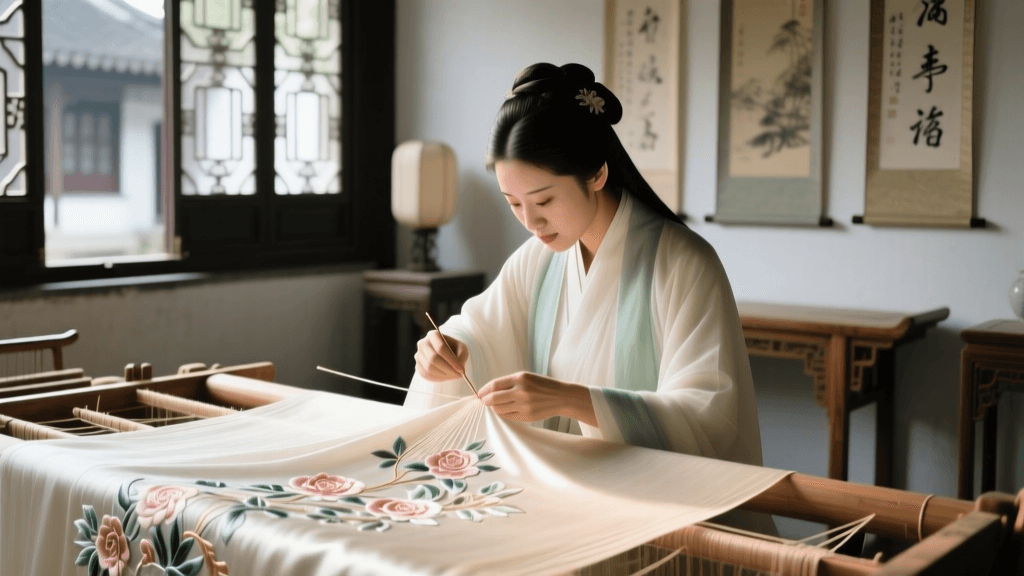
For those seeking true luxury, bespoke tailoring remains the gold standard. In major fashion hubs like Shanghai, Hong Kong, and Singapore, master tailors are currently utilizing deadstock Song brocade and Xiang embroidery techniques. Bespoke commissions in 2026 typically range from $1,200 to $3,500, depending on the complexity of the hand-embroidery. Actionable Tip: Always order bespoke pieces at least 10 to 12 weeks before your intended event, as the hand-knotting of pankou closures and the bias-cutting of the silk require meticulous, unhurried labor.
Cultural Appreciation in Global Fashion Media
The most significant triumph of the 2026 fashion media landscape is its commitment to cultural appreciation over appropriation. Major publications are now consistently crediting the specific regional artisans and historical contexts behind the garments they feature. By highlighting the deep historical significance of the cheongsam—drawing upon extensive research from global archives like the Victoria and Albert Museum's Asian collections—the fashion industry is ensuring that the garment is respected as a masterpiece of textile engineering and cultural identity.
This educational approach in fashion media empowers consumers to wear the cheongsam with confidence and respect. By understanding the history of the asymmetrical lapel, the symbolism of the embroidered motifs, and the evolution of the silhouette, modern wearers become active participants in preserving and evolving Asian sartorial traditions. As we move through 2026, the cheongsam stands not as a relic of the past, but as a dynamic, living garment that continues to shape the future of global fashion.