Kimono Life Stages 2026: Shichi-Go-San & Furisode Guide
The Enduring Thread: Kimono as a Marker of Time in 2026
In the rapidly evolving landscape of global fashion, the Japanese kimono remains a profound anchor to cultural heritage. While everyday Western clothing dominates modern Japanese streetwear, the kimono continues to serve as the ultimate sartorial marker for significant life stages and age milestones. As we navigate 2026, the intersection of traditional craftsmanship and modern sustainability has breathed new life into these garments, making them more accessible, eco-friendly, and stylistically diverse than ever before.
From the joyful, vibrant celebrations of early childhood to the solemn elegance of marriage and the respectful honoring of elder years, the kimono transitions alongside the wearer. Understanding the specific garments tied to these milestones offers a fascinating window into Japanese sociology, aesthetics, and the enduring respect for the passage of time. This comprehensive guide explores the key kimono milestones, highlighting the trends, costs, and textile innovations defining the landscape in 2026.
Shichi-Go-San (Ages 3, 5, and 7): The First Milestones
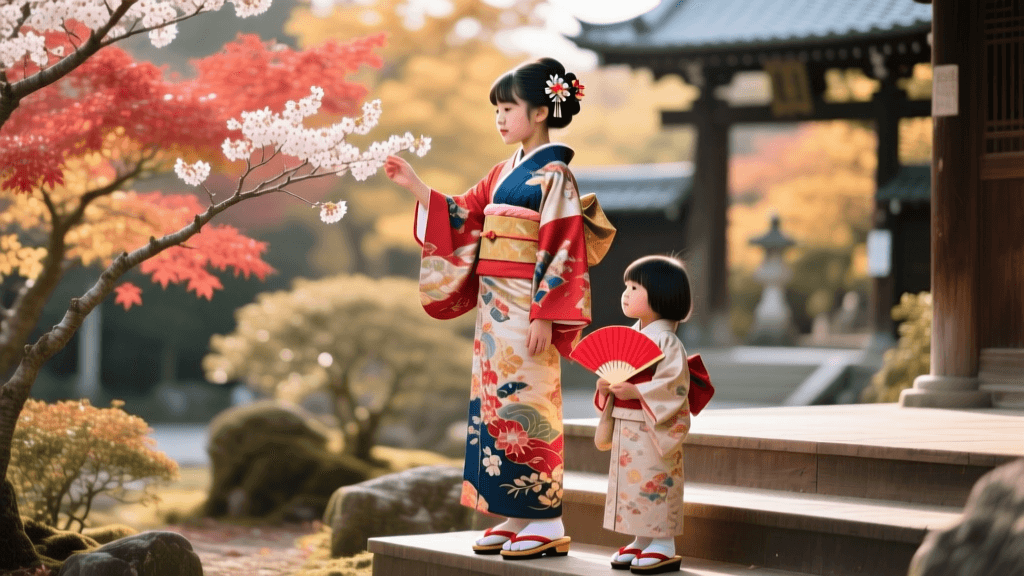
Held annually on November 15th, Shichi-Go-San (Seven-Five-Three) is a rite of passage celebrating the growth and health of young children. Historically, these ages were considered critical thresholds for child survival, and the garments worn during shrine visits are steeped in symbolic protection and prosperity. According to cultural overviews provided by Japan Guide's guide to Shichi-Go-San, the traditions have remained largely intact, though the textiles and rental logistics have modernized significantly.
For three-year-old girls, the focal point is the hifu, a brightly colored, padded silk or synthetic vest worn over a patterned kimono. The hifu eliminates the need for a tight, restrictive obi (sash), ensuring the toddler remains comfortable. Five-year-old boys celebrate by wearing their first hakama (pleated trousers) paired with a haori (jacket) adorned with family crests. By age seven, girls transition from the hifu to a more mature kimono tied with a traditional, albeit simplified, obi, symbolizing their first step into the structured world of adult dressing.
In 2026, parents are heavily favoring lightweight, machine-washable polyester chirimen (crepe) blends for toddlers. These modern synthetic textiles mimic the texture of high-end silk but offer stain resistance—a crucial feature for energetic children. Rental packages for Shichi-Go-San in major hubs like Tokyo, Kyoto, and Osaka now average between ¥15,000 and ¥35,000. These 2026 packages typically include the garment rental, professional dressing, hair styling, and a studio photography session, reflecting a highly streamlined, stress-free approach for modern families.
Seijin-no-Hi (Age 20): The Furisode and Coming of Age
Perhaps the most visually spectacular kimono milestone is Seijin-no-Hi, or Coming of Age Day, celebrated on the second Monday of January. This holiday marks the transition to legal adulthood at age 20. For young women, the occasion demands the furisode, a breathtaking garment characterized by its dramatically long, swinging sleeves that can measure up to 114 centimeters in length. The furisode is exclusively worn by unmarried women, making it a vibrant symbol of youth, availability, and celebration.
The aesthetic trends for furisode in 2026 represent a fascinating departure from the hyper-bright, heavily embroidered styles of the early 2000s. Today's young adults are driving a massive revival of the "Taisho Roman" aesthetic—a retro-modern style inspired by the 1920s that blends traditional Japanese motifs with Art Deco geometry. Deep jewel tones like emerald green, navy blue, and burgundy are highly sought after, often accented with vintage lace obi-dome (sash clasps) and velvet shawls. As noted in Japan Guide's overview of Coming of Age Day, the festival remains a vital cultural touchstone, with local municipalities hosting grand ceremonies that serve as massive runways for these textile masterpieces.
The financial investment for a furisode is substantial. In 2026, purchasing a brand-new, custom-dyed silk furisode ensemble can easily exceed ¥800,000. Consequently, the rental market dominates, with premium packages—including the furisode, intricate obi tying (such as the elaborate fukura-suzume or sparrow knot), professional hair and makeup, and zori sandals—ranging from ¥80,000 to ¥250,000. Many young women in 2026 are also opting to purchase vintage furisode from online upcycling platforms, allowing them to own a piece of history at a fraction of the cost while participating in the circular fashion economy.
Marriage and the Transition to Tomesode
Marriage marks a definitive shift in a woman's kimono wardrobe. Upon marrying, the long, swinging sleeves of the furisode are symbolically shortened—or tucked and sewn—to create a tomesode. This alteration signifies the transition from the carefree days of youth to the grounded responsibilities of married life. The tomesode features shorter sleeves and is categorized by its formality, dictated by color and the placement of its susomoyo (hemline patterns).
The kurotomesode (black tomesode) is the pinnacle of formal wear for married women. Adorned with five family crests (kamon) and exquisite dyed or embroidered scenes along the lower hem, it is traditionally worn by the mothers of the bride and groom at weddings. In 2026, there is a renewed appreciation for the subtle luxury of kurotomesode. Modern brides and mothers are commissioning artisans to use digital embroidery for hyper-precise, durable family crests, ensuring the garments can be passed down as pristine heirlooms.
For other close relatives or married women attending formal events, the irotomesode (colored tomesode) is the standard. In 2026, muted, sophisticated shades like dusty rose, slate grey, and sage green are preferred over the bright pastels of previous decades, reflecting a broader global shift toward understated, quiet luxury in formal wear.
Kanreki (Age 60): The Red Celebration
The 60th birthday, or Kanreki, is a joyous milestone celebrating the completion of the traditional sexagenary zodiac cycle. The individual is symbolically "reborn" into a new life stage. The traditional color for Kanreki is vibrant red, representing vitality, protection against evil spirits, and a return to the innocence of infancy.
Historically, the celebrant would wear a red chanchanko (a padded, sleeveless vest) over a kimono. However, the 2026 approach to Kanreki fashion is far more stylish and integrated into modern wardrobes. Active, fashion-forward seniors are eschewing the bulky cotton vests in favor of tailored, contemporary red wool-blend haori jackets, or beautifully upcycled vintage red silk kimonos styled with modern turtlenecks and wide-leg trousers. This fusion approach allows the celebrant to honor the red tradition while maintaining their personal, modern aesthetic.
2026 Kimono Milestone Comparison & Cost Guide
Navigating the financial aspects of kimono milestones requires an understanding of the current market. The table below outlines the average costs for rentals and purchases across major life stages in 2026, reflecting the premium placed on professional dressing services and the rising value of vintage silk.
| Life Stage / Milestone | Age | Primary Garment | 2026 Avg. Rental Cost (JPY) | 2026 Purchase Cost (JPY) |
|---|---|---|---|---|
| Shichi-Go-San (Toddler) | 3 | Hifu & Kimono | ¥15,000 - ¥25,000 | ¥40,000 - ¥80,000 |
| Shichi-Go-San (Child) | 5 / 7 | Hakama / Yuzen Kimono | ¥20,000 - ¥35,000 | ¥60,000 - ¥150,000 |
| Seijin-no-Hi | 20 | Furisode | ¥80,000 - ¥250,000 | ¥300,000 - ¥1,000,000+ |
| Wedding (Mother) | 50+ | Kurotomesode | ¥50,000 - ¥100,000 | ¥200,000 - ¥500,000 |
| Kanreki Rebirth | 60 | Red Haori / Chanchanko | ¥10,000 - ¥20,000 | ¥30,000 - ¥120,000 |
Sourcing, Sustainability, and the Vintage Boom
The kimono industry in 2026 is deeply intertwined with the global push for sustainable fashion. The environmental impact of producing new, heavily dyed silk has led to a massive boom in the vintage and upcycled kimono market. Institutions like the Kyoto National Museum play a crucial role in this ecosystem; by preserving and exhibiting historical Edo and Meiji period textiles, they inspire contemporary wearers to seek out authentic, antique pieces rather than mass-produced modern alternatives.
Online platforms and specialized vintage shops in Tokyo's Shimokitazawa and Kyoto's Toji flea market are thriving. Young adults preparing for their Coming of Age Day are increasingly proud to wear a furisode that belonged to their grandmother, or one sourced from a reputable vintage dealer, viewing it as a statement of both environmental consciousness and unique personal style. This shift ensures that the kimono is not merely a museum relic, but a living, breathing garment that continues to evolve, adapt, and beautifully mark the passage of human life.
Conclusion
The kimono's role in marking life stages is a testament to the Japanese philosophy of honoring transitions. Whether it is the protective padding of a toddler's hifu, the sweeping elegance of a young adult's furisode, or the dignified hemlines of a mother's tomesode, these garments carry the weight of family history and cultural pride. In 2026, through a harmonious blend of vintage appreciation, modern textiles, and streamlined rental services, these ancient traditions remain vibrantly relevant, wrapping each new generation in the enduring silk of their heritage.