The Ultimate Guide to Hanfu Conventions and Community Meetups
The Rise of the Global Hanfu Movement
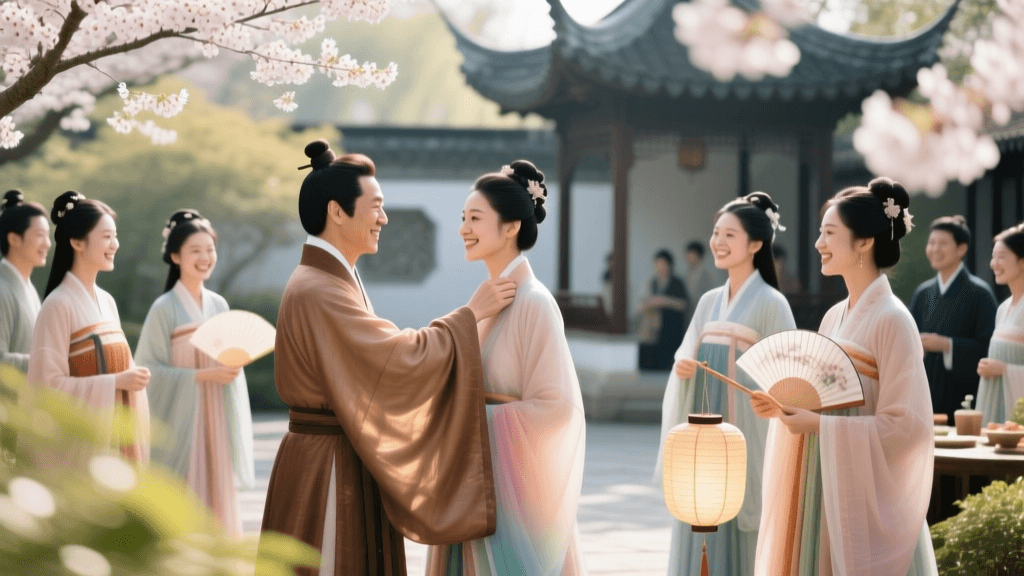
Over the past decade, the Hanfu movement has evolved from niche internet forums into a vibrant, globally recognized cultural phenomenon. What began as a grassroots effort to reclaim traditional Chinese clothing has blossomed into a multi-billion-dollar industry, complete with dedicated fashion weeks, international conventions, and local park meetups. For enthusiasts and newcomers alike, attending a Hanfu convention or community meetup is an immersive experience that bridges the gap between ancient textiles and modern street fashion. These gatherings are not merely cosplay events; they are living celebrations of heritage, craftsmanship, and community identity.
Major Hanfu Conventions and Festivals
The landscape of Hanfu events ranges from massive, government-backed cultural festivals to intimate, community-organized photoshoots. Understanding the scale and focus of these events is crucial for planning your wardrobe and itinerary. Below is a comparison of the primary types of Hanfu gatherings you can attend.
| Event Type | Example | Location | Scale | Estimated Cost (Entry) |
|---|---|---|---|---|
| Major Cultural Week | Xitang Hanfu Culture Week | Zhejiang, China | 100,000+ attendees | $50 - $120 USD |
| National Holiday | Chinese Hanfu Day (April 18) | Global / Online | Millions (Digital) | Free (Public Parks) |
| Local Park Meetup | Botanical Garden Gatherings | Various Cities | 50 - 200 attendees | $10 - $25 USD |
| Convention Booth | World Science Fiction / Comic Cons | Global | Varies | $40 - $80 USD |
Events like the Xitang Hanfu Culture Week transform entire ancient water towns into living museums, featuring parades, traditional archery, and night markets. In contrast, local meetups organized via platforms like Xiaohongshu or Discord are often centered around specific themes, such as Tang Dynasty picnic aesthetics or Ming Dynasty winter layering.
Preparing for Your First Hanfu Meetup
Attending your first meetup requires strategic planning, particularly regarding budget, timing, and garment sourcing. The financial barrier to entry is surprisingly flexible. Entry-level Song Dynasty beizi (long jackets) and pleated skirt sets can be sourced for $40 to $60 USD through international Taobao agents or dedicated diaspora vendors. Conversely, high-end Ming Dynasty mamianqun (horse-face skirts) featuring authentic woven gold motifs and heavy brocade can range from $150 to over $400 USD.
Timing and Seasonality
Timing is everything in Hanfu photography and outdoor conventions. Spring (April) and Autumn (November) are the undisputed peak seasons. April aligns with the blooming of cherry and peach blossoms, providing the perfect backdrop for lightweight, pastel-colored Jin and Wei Dynasty styles. November offers the striking contrast of golden ginkgo and red maple leaves, which pairs beautifully with the rich, deep tones and heavy layering of Ming Dynasty winter garments. Summer meetups are generally avoided unless held indoors or in the evening, as traditional cross-collared robes and multiple layers can cause heat exhaustion.
Sizing and Measurements
Unlike modern Western fashion, traditional Hanfu relies on flat-pattern cutting rather than darts and tailored curves. When ordering from traditional vendors, you must provide exact measurements in centimeters. The most critical metrics are shoulder width, arm length (to ensure the correct sleeve drop for ceremonial styles), and waist-to-floor length. A standard mamianqun requires precise waist and hip measurements to ensure the overlapping panels lay flat without gaping when walking.
Navigating Event Etiquette and Community Norms
The Hanfu community is generally welcoming, but like any subculture, it has its own set of unwritten rules and etiquette. One common term newcomers encounter is the "Hanfu Police" (Hanfu Jing). This refers to overly pedantic community members who scrutinize outfits for historical inaccuracies, such as mixing a Tang Dynasty top with a Ming Dynasty skirt, or wearing modern zippers on historically accurate garments. The best approach is to embrace your learning curve gracefully. Most veteran enthusiasts are thrilled to share their knowledge about garment construction and historical context if approached with genuine curiosity.
Photography etiquette is equally important. At large conventions, it is common to see attendees in full regalia. Always ask for explicit consent before taking close-up photographs. Many attendees spend hours on intricate hair styling and makeup, and a polite request is often met with a collaborative pose. Furthermore, be mindful of the space you occupy; large ceremonial sleeves and wide skirts can easily knock over market stalls or trip other attendees in crowded convention halls.
Styling for Conventions: Practicality Meets Tradition
While historical accuracy is prized, practicality is the key to surviving a full day at a Hanfu convention. The intersection of traditional aesthetics and modern comfort requires careful styling choices, particularly regarding footwear, hair accessories, and weather preparation.
Footwear Choices
Traditional cloud shoes (yunxie) or embroidered cloth boots are visually stunning but often lack the arch support needed for walking miles across cobblestone ancient towns or concrete convention centers. The modern community standard is to wear modified Mary Janes, low-heeled leather boots, or even clean, minimalist sneakers in neutral colors that can be hidden beneath the hem of a long, flowing skirt. For mamianqun skirts, a slight heel (around 3-5 cm) is often recommended to prevent the front panels from dragging on the ground and collecting dirt.
Hair Accessories and Securing Techniques
A hallmark of Hanfu styling is the elaborate use of zan (hairpins), chai (double-pronged pins), and buyao (step-shake dangling ornaments). However, traditional wooden or bone pins can easily slip out of modern, freshly washed hair. The secret to convention-ready hair is combining traditional aesthetics with modern structural support. Use a sturdy, modern U-pin or a hidden hair donut to create the base bun, then insert the decorative traditional pins. For heavy metal buyao, secure the base with a small, clear elastic band before sliding the pin into the bun to prevent it from drooping throughout the day.
Weather and Prop Preparation
Outdoor meetups require strategic prop selection. Oil-paper umbrellas and silk hand fans are not just historical accessories; they serve practical purposes as sunshades and windbreakers. When sourcing silk garments, it is worth noting the historical significance of the material. The craftsmanship behind these textiles is globally recognized, with techniques documented on UNESCO's Intangible Cultural Heritage list, reminding wearers of the profound legacy they are draped in. For those interested in the intersection of traditional textiles and global fashion, researching archives like The Metropolitan Museum of Art's historical exhibitions can provide immense inspiration for styling and color coordination.
The Global Expansion of Hanfu Gatherings
The Hanfu movement is no longer confined to East Asia. Diaspora communities in cities like New York, London, Sydney, and Paris have established robust local networks. These international meetups often coincide with major cultural holidays like the Mid-Autumn Festival or Lunar New Year. Organizations and cultural hubs, such as those supported by Asia Society's cultural arts programs, frequently provide platforms where traditional garment enthusiasts can showcase their attire alongside traditional music and dance performances.
For international attendees, sourcing garments can be a challenge due to shipping times from domestic Chinese vendors. Planning your convention wardrobe at least three months in advance is essential to account for international logistics, potential customs delays, and the time required for tailoring adjustments. Ultimately, participating in a Hanfu convention is a deeply rewarding experience. It is an opportunity to step out of the modern rush, connect with a passionate global community, and wear centuries of history on your sleeves.