Kimono Fabric Sound & Texture: The 2026 Sensory Guide
The Symphony of Silk: Understanding Kinu-Zure in 2026
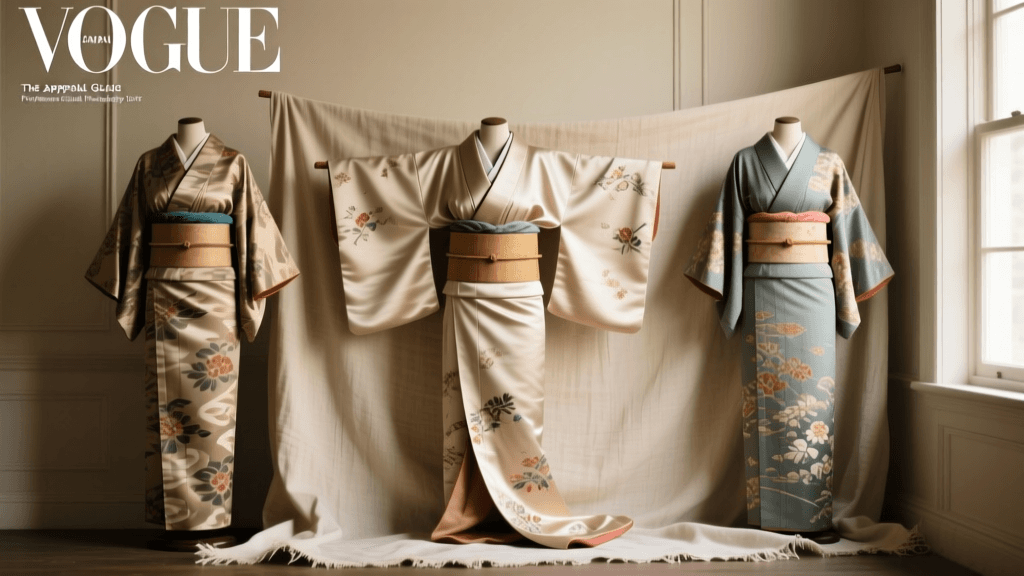
In the landscape of 2026 global fashion, the conversation has shifted dramatically toward "somatic fashion"—garments that actively engage the nervous system, provide grounding sensory feedback, and demand mindful presence. While contemporary designers are just beginning to engineer textiles for acoustic and tactile feedback, traditional Japanese clothing has mastered this multi-sensory experience for centuries. At the very heart of this sensory revolution is the kimono, a garment that is not only a visual masterpiece but a profoundly auditory and tactile one.
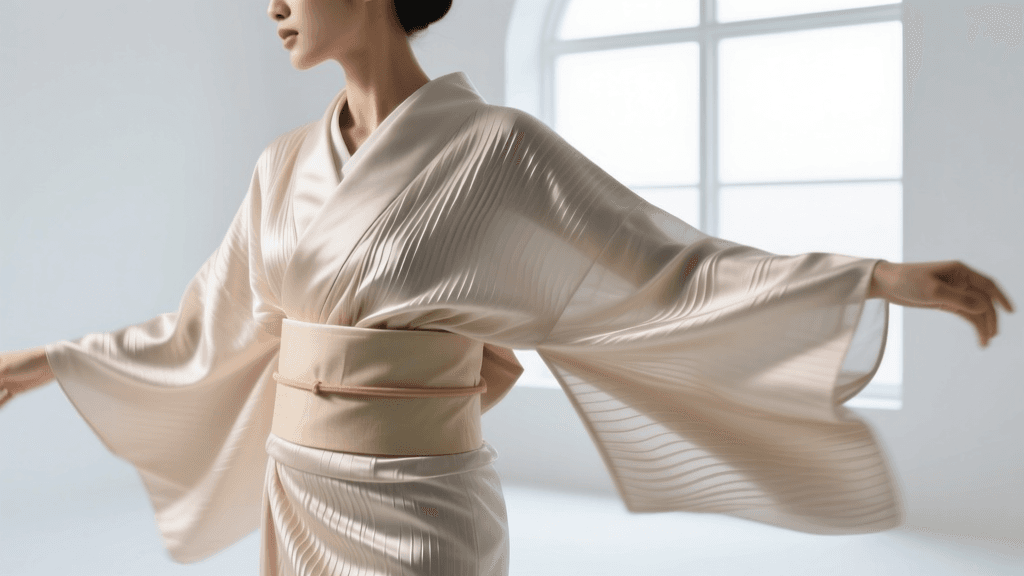
The most celebrated auditory signature of the kimono is kinu-zure, which translates literally to "silk rustle." This distinct, whispering sound occurs when the tightly woven, sericin-coated threads of high-quality silk rub against one another during movement. In textile science, this acoustic phenomenon is known as "scroop." According to the Britannica's extensive documentation on sericulture and silk production, the natural gum (sericin) left on the silk filaments during the weaving process creates a unique friction that generates this crisp, rustling noise. In 2026, as digital fatigue drives consumers toward analog, grounding experiences, the deliberate acoustic feedback of kinu-zure has become a highly sought-after trait among kimono collectors and practitioners of mindful dressing.
Culturally, kinu-zure serves as an auditory announcement. In the traditional entertainment districts of Kyoto, the rustle of a maiko’s heavy silk hem against her undergarments signals her approach before she even turns the corner. This acoustic presence transforms the wearer's movement into a performative art, dictating a graceful, measured gait that maximizes the rhythmic swish of the fabric.
Tactile Landscapes: Chirimen, Ro, and Sha
Beyond sound, the kimono offers a rich topography of tactile sensations. The interior and exterior textures of a kimono are carefully selected to interact with the skin and the environment, providing a dynamic sensory experience that changes with the seasons.
The Resilient Pebble of Chirimen
Tango chirimen is a traditional crepe silk woven in the Tango region of Kyoto. Its distinct pebbled texture is achieved through a highly specialized weaving technique where the weft threads are alternately twisted in S and Z directions—often up to 3,000 twists per meter. When the fabric is washed and the natural sericin is partially removed, the threads untwist slightly, creating a microscopic, bumpy landscape on the fabric's surface. In 2026, heritage weavers in Tango are utilizing precision climate-controlled looms to maintain this exact tension, ensuring the fabric retains its signature resilient, massage-like feel against the skin. This texture prevents the silk from clinging to the body, creating a micro-layer of air that aids in temperature regulation.
The Crisp Coolness of Ro and Sha
As the humid Japanese summer approaches, the tactile experience shifts from the comforting weight of winter chirimen to the ethereal crispness of ro and sha. These are summer gauze weaves created using a leno weave technique, where warp threads are twisted around each other in pairs, leaving deliberate, geometric gaps in the fabric. The tactile sensation of wearing a ro kimono is one of profound lightness and cooling air flow. The crisp, almost paper-like stiffness of high-grade summer silk provides a structural contrast to the fluid drape of winter silks, offering a refreshing, cooling touch against the skin that modern synthetic mesh fabrics still fail to replicate authentically.
2026 Sensory Profile Comparison of Traditional Fabrics
Understanding how different weaves interact with the human senses is crucial for modern kimono styling. Below is a comprehensive sensory profile of the most prominent kimono textiles utilized in 2026.
| Fabric Type | Weave Structure | Acoustic Signature (Kinu-zure) | Tactile Sensation | Ideal 2026 Season |
|---|---|---|---|---|
| Habutae | Plain, tight weave | High-pitched, smooth swish | Buttery, fluid, cool to touch | Spring / Autumn |
| Chirimen | Crepe (twisted weft) | Deep, muted, rhythmic rustle | Pebbled, resilient, dry grip | Winter / Early Spring |
| Ro | Leno gauze (with stripe gaps) | Soft, papery whisper | Crisp, airy, structured mesh | Mid-Summer (July) |
| Sha | Leno gauze (uniform gaps) | Faint, breezy flutter | Lightweight, sheer, delicate | Late Summer (August) |
| Tsumugi | Plain (slubbed silk) | Low, muffled friction sound | Nubby, cotton-like, warm | Autumn / Winter |
The Somatic Renaissance: Mindful Dressing in a Digital Age
As we navigate the hyper-connected reality of 2026, the act of putting on a kimono—kitsuke—has evolved into a recognized form of somatic therapy. The Victoria and Albert Museum's comprehensive guide to the kimono highlights how the garment is fundamentally an architectural structure that dictates and restricts movement, forcing the wearer into a state of physical mindfulness. When you combine this physical restriction with the intense sensory feedback of the textiles, the result is a deeply grounding experience.
The weight of a lined winter kimono (awase) provides deep-pressure stimulation, similar to a weighted blanket, which has been shown to lower cortisol levels. Meanwhile, the tactile friction of the datejime (under-sash) gripping the textured surface of a chirimen kimono provides continuous proprioceptive feedback. This constant, gentle sensory input anchors the wearer in the present moment, making traditional kimono dressing a popular weekend mindfulness practice among urban professionals in Tokyo, Kyoto, and increasingly, Western metropolitan hubs in 2026.
Preserving the Scroop: 2026 Fabric Care Standards
To maintain the auditory and tactile magic of these garments, specialized care is required. The "scroop" or rustling sound of silk is highly dependent on the presence of natural sericin and the structural integrity of the weave. In 2026, the kimono care industry has moved away from harsh, alkaline chemical solvents that strip the silk of its natural acoustic properties.
Modern preservation relies on advanced, eco-friendly ozone cleaning chambers and precise ultrasonic dust removal. These methods clean the fibers without degrading the sericin coating or flattening the microscopic pebbles of chirimen crepe. Furthermore, collectors are now utilizing specialized, pH-neutral paulownia wood storage boxes that maintain a strict 55% humidity level, ensuring the silk threads do not become brittle and lose their resonant acoustic friction.
Conclusion: The Enduring Legacy of Sensory Textiles
The kimono is far more than a flat canvas for dyeing and embroidery; it is a masterclass in multi-sensory design. As the Encyclopedia Britannica's entry on the kimono notes, the garment's evolution has always been deeply tied to the physical and environmental realities of the wearer. In 2026, as the fashion world scrambles to invent "smart" fabrics that react to the environment, the traditional kimono stands as a testament to the fact that true sensory innovation lies in the mastery of natural materials. Whether it is the announcing whisper of kinu-zure in a quiet corridor or the cooling, structured touch of summer ro, the kimono offers a profound, tactile connection to history, nature, and the self.