Hanfu Milestone Rites: 2026 Guide to Guan Li, Ji Li & Weddings
The Resurgence of Hanfu Milestone Ceremonies in 2026
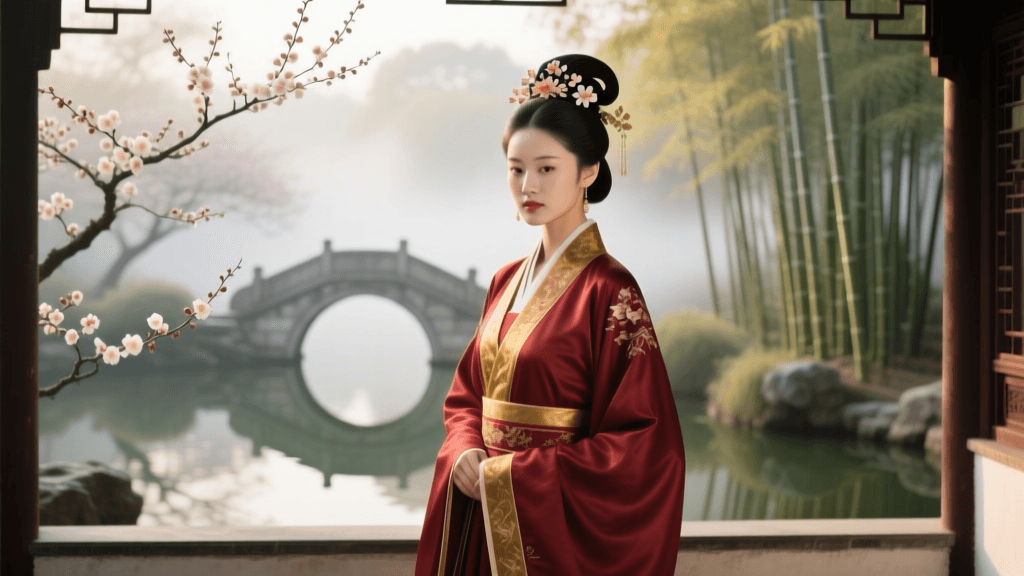
Over the past decade, the Hanfu movement has evolved from a niche historical interest into a profound cultural anchor for millions across Asia and the global diaspora. As we navigate 2026, traditional Chinese garments are no longer reserved solely for street fashion or photography; they have become integral to life's most significant transitions. Families and young adults are increasingly turning to ancestral rites to mark coming-of-age milestones and weddings, seeking a deeper connection to their heritage. According to cultural observers and reports from BBC News, the integration of traditional dress into modern civic and familial rituals represents a powerful reclamation of cultural identity.
Planning a Hanfu milestone ceremony requires more than simply purchasing a beautiful garment. It demands an understanding of ritual etiquette, historical accuracy, and the logistical realities of hosting a traditional event in a modern context. Whether you are organizing a Guan Li (capping ceremony for men), a Ji Li (hairpin ceremony for women), or a traditional dynastic wedding, this comprehensive 2026 guide provides the actionable insights, budgeting frameworks, and sartorial knowledge necessary to execute a flawless and meaningful rite of passage.
Guan Li and Ji Li: The Coming of Age Rites
Historically documented in the ancient Book of Rites (Liji), the coming-of-age ceremonies signify the transition from childhood to adulthood, carrying with it new societal responsibilities, familial duties, and moral expectations. While the exact ages have shifted over millennia, modern practitioners in 2026 typically align these ceremonies with major life milestones, such as high school graduation (around age 18) or university matriculation. The core of both the Guan Li and Ji Li revolves around the 'Three Additions' (San Jia), a progressive changing of garments that symbolizes the expanding scope of the youth's role in society.
The Three Additions: Ritual Progression
The first addition involves simple, unadorned garments, representing the shedding of childhood innocence and the initial step into disciplined learning. The second addition introduces more formal, structured robes, symbolizing the readiness to engage with civic duties and scholarly pursuits. The final addition features grand, formal court-style or highly ceremonial attire, marking full adulthood and the capacity to participate in ancestral worship and state affairs. For a detailed historical breakdown of these transitions, researchers often refer to the comprehensive archives on Wikipedia's Hanfu historical context.
| Ritual Stage | Garment Type | Dynasty Inspiration | 2026 Recommended Fabric | Est. Bespoke Cost (USD) |
|---|---|---|---|---|
| First Addition | Zhongyi / Basic Ruqun | Song / Ming | Organic Cotton-Linen Blends | $120 - $250 |
| Second Addition | Shenyi / Beizi | Song / Ming | Lightweight Mulberry Silk | $350 - $600 |
| Third Addition | Daofu / Formal Aoqun | Ming | Xiangyunsha (Gambiered Gauze) | $800 - $1,500+ |
In 2026, sustainability is a major focus for milestone garments. Many families are opting for ethically sourced peace silk and innovative lotus-fiber weaves for the First and Second additions, reserving traditional, labor-intensive Xiangyunsha (gambiered Canton gauze) for the final, heirloom-quality Third Addition. Custom tailoring is highly recommended for the Third Addition to ensure the precise drape and structural integrity required for formal ritual bowing.
Hanfu Wedding Ceremonies: Zhou, Tang, and Ming Styles
Weddings represent the most elaborate and visually stunning application of Hanfu in life milestone rites. Unlike Western weddings that often center on a single white gown, a traditional Hanfu wedding is a multi-day affair featuring distinct dynastic aesthetics. In 2026, couples typically choose one of three primary historical frameworks for their main ritual ceremony, each carrying its own unique emotional and visual resonance.
Zhou Dynasty: Solemnity and Reverence
The Zhou-style wedding is characterized by its profound solemnity. Rooted in the belief that marriage is the foundation of all human relations, the ceremony is quiet, devoid of loud music or boisterous celebrations. The attire features deep, muted colors—primarily black and crimson (Xuan Duan and Qun). The bride and groom wear simple, elegant lines without excessive embroidery, focusing instead on the purity of the ritual, the sharing of the nuptial wine (He Jin), and the silent reverence for heaven, earth, and ancestors. This style is highly sought after in 2026 by couples seeking an intimate, deeply spiritual, and minimalist aesthetic.
Tang Dynasty: Vibrancy and Grandeur
For couples desiring a festive, opulent, and highly photogenic ceremony, the Tang Dynasty style remains incredibly popular. Tang wedding attire is famous for its bold color blocking, often pairing vibrant greens with deep reds, or utilizing rich golds and purples. The bride's silhouette is characterized by the high-waisted Qixiong Ruqun and the sweeping, translucent Daxiushan (large-sleeved robe). The Tang aesthetic embraces a sense of cosmopolitan joy, making it perfectly suited for grand outdoor ceremonies in botanical gardens or historical courtyards during the spring and autumn months.
Ming Dynasty: Regal Elegance and Intricate Detail
The Ming Dynasty wedding style is the most widely recognized and frequently requested in 2026. It is defined by the iconic Fengguan Xiapei (Phoenix Crown and Cloud Scarf) worn by the bride, and the Mang Pao (Python Robe) or Daopao worn by the groom. The color palette is famously auspicious, dominated by rich reds, deep blues, and metallic gold thread-woven brocades. The Ming style allows for the highest degree of sartorial expression, with modern 2026 bespoke tailors utilizing AI-assisted design tools to help couples create custom, historically grounded embroidery motifs that incorporate their family crests or personal love stories into the traditional cloud and dragon patterns.
Integrating Xin Zhongshi for the Modern Reception
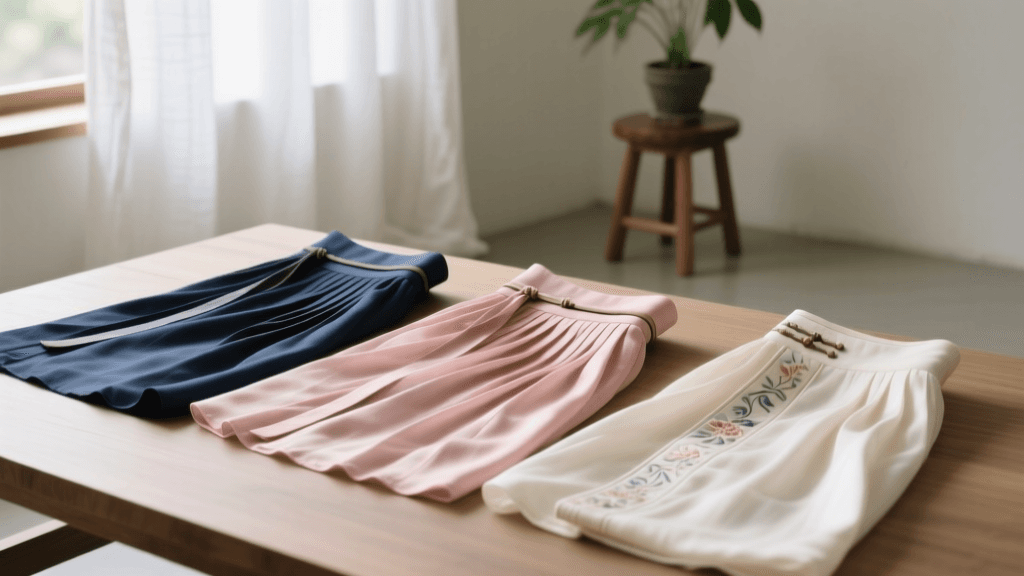
While the main ritual ceremony demands strict historical adherence, the modern wedding banquet requires mobility and comfort. This has led to the massive surge of the Xin Zhongshi (New Chinese Style) movement in 2026. Xin Zhongshi blends traditional structural elements—such as the Mandarin collar, Pan Kou (knotted buttons), and Mamianqun (horse-face skirt) pleating—with modern tailoring, lightweight fabrics, and contemporary silhouettes. Many brides now change into a custom Xin Zhongshi cocktail dress or a modified, floor-length Song-style Beizi for the reception, allowing them to toast guests and dance without the physical burden of a multi-layered Ming dynasty court gown.
Practical Planning: Venues, Timing, and Budgeting
Executing a Hanfu milestone ceremony requires meticulous logistical planning. The environment must complement the garments; a modern hotel ballroom with low ceilings and neon lighting will clash with the sweeping sleeves and natural drape of traditional silks. In 2026, the most coveted venues for these rites are restored historical courtyards, traditional tea estates, and modern architectural spaces that incorporate natural wood, stone, and water features.
2026 Milestone Ceremony Checklist
- Officiant Selection: Secure a culturally knowledgeable officiant (often a respected elder or a scholar of traditional rites) at least six months in advance to guide the ritual steps, including the washing of hands, the reading of the blessing scrolls, and the precise angles of the ceremonial bows.
- Garment Fittings: Schedule three fittings for bespoke Hanfu. The final fitting must occur two weeks prior to the event to accommodate any last-minute weight fluctuations and to practice moving, sitting, and bowing in the heavy formal layers.
- Hair and Makeup (Zaoxing): Traditional Hanfu requires specialized historical hairstyling. Ensure your stylist is certified in period-accurate updos (such as the Tang-style high buns or Ming-style Di-style crowns) and uses modern, sweat-proof setting sprays to maintain the style through hours of photography.
- Photography and Videography: The 2026 trend heavily favors medium-format digital and 35mm film photography to capture the rich textures of silk brocades and the subtle gradients of natural dyes. Hire a team experienced specifically in Hanfu etiquette to ensure they capture the ritual from respectful, culturally appropriate angles.
- Ritual Props: Source authentic props, including the wooden hairpins (Zan) for the Ji Li, the ceremonial caps (Guan) for the Guan Li, the nuptial wine gourds for weddings, and the ancestral blessing scrolls. Many specialized Hanfu lifestyle brands now offer complete, historically verified ritual prop kits.
Sourcing Authentic Hanfu for Milestones
When sourcing garments for life milestones, avoid mass-produced, synthetic costumes marketed as 'ancient dress' on fast-fashion platforms. Authentic milestone Hanfu requires natural fibers—silk, linen, ramie, and high-grade cotton—to achieve the correct drape and historical silhouette. In 2026, the gold standard for milestone attire is commissioning a bespoke piece from a dedicated Hanfu studio. These studios employ pattern makers who study excavated textile fragments and historical paintings to ensure structural accuracy. While the investment is significant, ranging from $500 for a basic Song-style Ruqun to over $3,000 for a fully embroidered Ming-style wedding ensemble, these garments are designed to become family heirlooms, passed down through generations as tangible records of your family's cultural legacy.
Ultimately, whether you are pinning up your hair for the Ji Li, placing the cap during the Guan Li, or sharing the nuptial wine in a solemn Zhou ceremony, the garments you wear are a bridge across time. By thoughtfully planning your 2026 milestone rites, you are not merely putting on a costume; you are actively participating in the living, breathing continuum of Asian cultural heritage.