Buying Authentic Mamianqun Skirts Online: 2026 Guide
The Global Rise of the Mamianqun in 2026
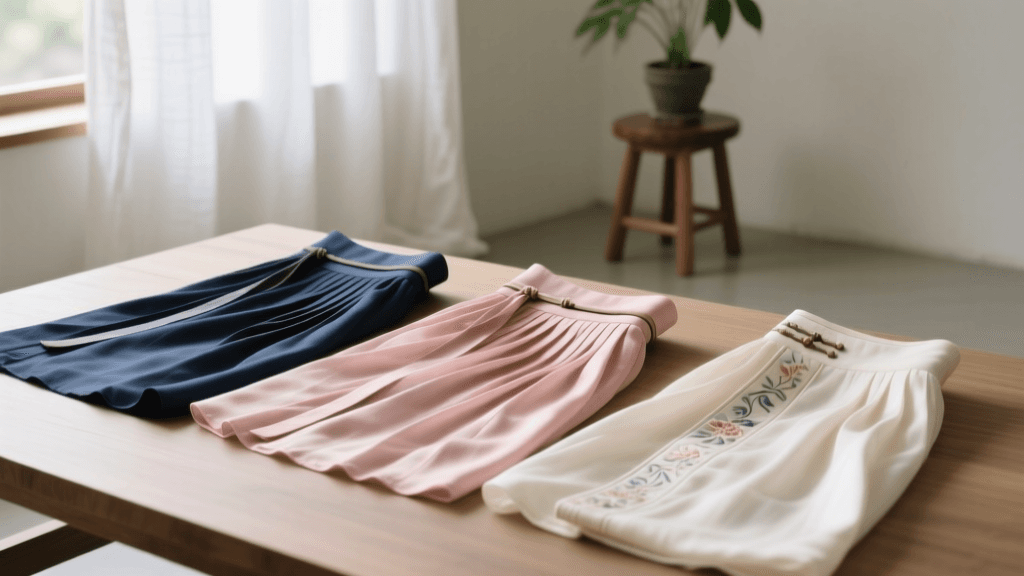
The Mamianqun, historically translated as the 'horse-face skirt,' has experienced a monumental renaissance. Originally popularized during the Ming Dynasty, this iconic garment is characterized by its flat front and back panels flanked by intricate, structured pleats. As of 2026, the Mamianqun has transcended niche Hanfu revivalist circles to become a staple in global mainstream fashion, seamlessly paired with modern blouses, tailored blazers, and even knitwear. However, this surge in international demand has also flooded the market with mass-produced, historically inaccurate replicas and cheap costume pieces. For serious collectors, cultural enthusiasts, and fashion-forward individuals, knowing how to source an authentic, high-quality Mamianqun online is essential.
In this comprehensive 2026 shopping guide, we break down the structural anatomy of a genuine horse-face skirt, compare the top online marketplaces, and provide actionable strategies for navigating cross-border e-commerce platforms like Taobao and Etsy.
Anatomy of an Authentic Horse-Face Skirt
Before adding an item to your cart, you must understand what separates a true Mamianqun from a generic pleated midi skirt. An authentic piece relies on traditional flat-pattern cutting and specific weaving techniques rather than digital printing.
- The Guangmian (Flat Panels): The skirt features two flat, unpleated panels (one at the front, one at the back) that historically served as the canvas for the most elaborate woven motifs, such as dragons, phoenixes, or floral brocades.
- The Zhe (Pleats): The sides feature deep, structured pleats that remain flat when standing but fan out dynamically during movement. Authentic skirts use high-temperature steam setting and specialized fabric weights to ensure the pleats do not lose their shape.
- Woven vs. Printed: True traditional aesthetics rely on jacquard weaving, Zhuanghua (brocade), or Kesi (silk tapestry) techniques. If the gold or silver motifs look like they are stamped on top of a flat polyester base, it is a modern digital print and lacks the structural integrity and historical accuracy of a genuine piece.
To understand the historical significance of these weaving techniques, one can explore the Victoria and Albert Museum's extensive archives on Chinese textiles, which detail the evolution of silk brocades and the meticulous craftsmanship required to produce traditional woven motifs.
2026 Marketplace Comparison Chart
When shopping for Hanfu in 2026, buyers generally choose between three main avenues: direct-from-maker Chinese platforms, Western handmade marketplaces, and dedicated international Hanfu boutiques. Here is how they compare:
| Marketplace | Price Range (USD) | Authenticity Risk | Shipping Time | Best For |
|---|---|---|---|---|
| Taobao (via Proxy) | $35 - $250+ | Medium (Requires seller vetting) | 12 - 20 Days | Variety, direct maker access, best pricing |
| Etsy | $80 - $300 | High (Rife with dropshippers) | 7 - 30 Days | Buyer protection, curated vintage pieces |
| Dedicated Boutiques | $60 - $400+ | Low (Vetted brands) | 10 - 15 Days | Premium quality, accurate English sizing |
Sourcing Direct from China via Taobao
Taobao remains the undisputed king of Hanfu shopping, offering direct access to the workshops in Hangzhou, Suzhou, and Guangzhou where these garments are produced. However, navigating the platform requires specific search terminology and the use of a reliable shopping agent.
Essential Search Terms for 2026
To filter out cheap Halloween costumes, copy and paste these exact Mandarin terms into the Taobao search bar:
- 马面裙 (Mamianqun): The base term for the horse-face skirt.
- 织金马面裙 (Zhijin Mamianqun): Translates to 'woven gold horse-face skirt.' This ensures you are looking at skirts with genuine metallic thread woven into the fabric, rather than printed foil.
- 明制汉服 (Mingzhi Hanfu): Ming-style Hanfu, which will yield historically accurate silhouettes and appropriate fabric weights.
- 提花 (Tihua): Jacquard weave, indicating a textured, patterned fabric rather than a flat print.
Navigating the 2026 Proxy Agent Landscape
Following the major regulatory crackdowns on cross-border freight forwarders in 2024, the proxy agent ecosystem has consolidated. In 2026, reliable platforms like Superbuy and Sugargoo remain the safest choices for international buyers. These agents allow you to purchase from Taobao, ship the item to their domestic Chinese warehouse, and request detailed Quality Control (QC) photos. When reviewing your QC photos for a Mamianqun, pay close attention to the alignment of the woven patterns across the pleats and the quality of the metallic threads. If the gold threads look frayed or the pleats are uneven, instruct your agent to return the item to the seller before it ships internationally.
Navigating Etsy and Avoiding Dropshippers
Etsy can be a goldmine for authentic, handmade, or vintage Hanfu, but it is also heavily saturated with dropshippers who buy $20 skirts from Alibaba and list them for $150 as 'handcrafted.' To ensure you are buying an authentic piece on Etsy in 2026, follow these verification steps:
- Reverse Image Search: Take the seller's primary photo and run it through a reverse image search. If the exact same image appears on AliExpress or Taobao for a fraction of the price, you are dealing with a dropshipper.
- Check the 'Ships From' Location: Authentic independent makers will usually ship from their home country (e.g., the US, UK, or Canada) or explicitly state they are a small studio based in China shipping direct. If a seller claims to be a 'local artisan' but the item ships from Shenzhen with a 3-week delivery estimate, it is likely mass-produced.
- Look for Process Photos: Genuine weavers and tailors will often include photos of their looms, fabric cutting processes, or close-ups of the raw selvedge edges in their listings.
Dedicated Hanfu Brands to Watch
If you prefer a streamlined shopping experience with English interfaces and reliable international shipping, several top-tier Hanfu brands have established robust global e-commerce operations by 2026. Minghuatang remains the pinnacle of luxury Ming-style recreation, utilizing authentic silk and real gold-leaf threads, with skirts often exceeding $300. For high-quality daily wear, Shisanyu and Tingyue offer excellent mid-range options ($60–$120) featuring durable polyester-blend jacquards that mimic the look of silk but are easier to maintain.
Sizing, Measurements, and the Overlap
One of the most common mistakes international buyers make is ordering the wrong waist size. Unlike Western skirts that zip or button at a fixed circumference, a Mamianqun is a wrap skirt that relies on an overlapping closure system.
The skirt consists of two separate pieces of fabric attached to a single waistband. When worn, the flat panels overlap significantly to prevent gaping during movement. Therefore, the total waist measurement of the skirt is actually much larger than your body's waist measurement. Most Taobao sellers list the 'Suitable Waist' (适合腰围) rather than the flat garment measurement. Always measure your natural waist (or where you intend the skirt to sit, as Mamianqun can be worn at the natural waist or the high hip) and consult the brand's specific size chart. If you are between sizes, always size up to ensure the pleats sit correctly on your hips and the flat front panel remains wide enough to cover your front completely.
Fabric Care for Woven Brocades
Authentic Mamianqun skirts, particularly those featuring Zhijin (woven gold) or intricate silk brocades, require meticulous care. The metallic threads used in traditional weaving are highly susceptible to tarnishing, snapping, and heat damage. Never machine wash a woven brocade skirt, and avoid harsh chemical detergents that can strip the metallic coatings.
For skirts made from natural silk bases, professional dry cleaning is the safest route. If you must clean a synthetic jacquard daily-wear skirt at home, hand wash it gently in cold water with a pH-neutral silk detergent, and never wring or twist the fabric, as this will permanently destroy the structural pleats. Hang the skirt to dry in a shaded, well-ventilated area, and use a low-heat steamer to refresh the pleats, avoiding direct contact with an iron. The preservation of these intricate textiles is a matter of global cultural importance, as highlighted by UNESCO's Intangible Cultural Heritage registry on Chinese sericulture and silk craftsmanship, which underscores the delicate nature of traditional silk weaving and the necessity of proper preservation techniques.
Conclusion
Shopping for an authentic Mamianqun in 2026 is an incredibly rewarding endeavor that connects the wearer to centuries of Asian textile mastery. Whether you are braving the vast selection of Taobao via a proxy agent, hunting for a verified artisan on Etsy, or investing in a luxury piece from Minghuatang, understanding the garment's anatomy, weaving techniques, and proper sizing is your best defense against fast-fashion imitations. By prioritizing woven textiles over digital prints and respecting the structural integrity of the pleats, you can build a Hanfu wardrobe that is not only visually stunning but culturally authentic and built to last.