Kimono Milestones 2026: Dressing for Japanese Life Stages
The Temporal Wardrobe: Kimono as Life Markers
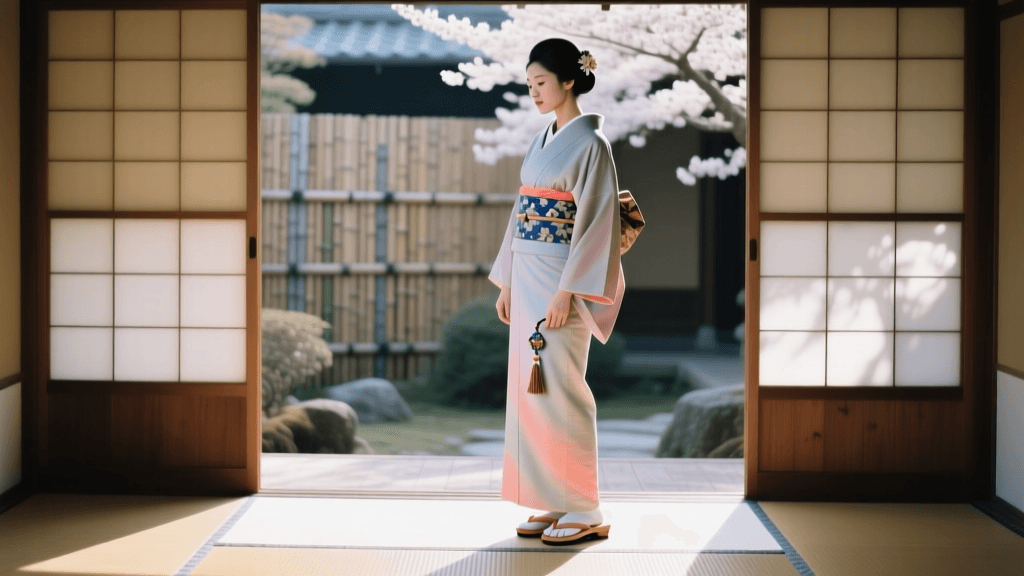
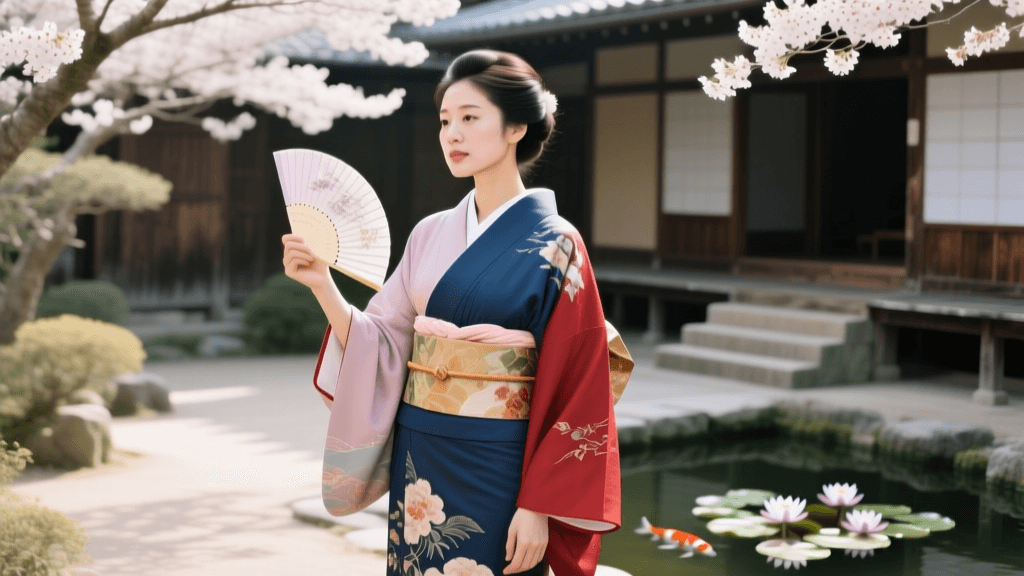
In Japanese culture, the kimono is far more than a beautiful textile; it is a profound temporal marker that visually articulates a person's journey through life. From the padded vests of early childhood to the sweeping, long-sleeved silhouettes of young adulthood, and finally to the subdued elegance of elder years, traditional Japanese clothing maps the human experience. As we navigate 2026, the intersection of centuries-old sartorial customs and modern technological conveniences has transformed how families approach these milestone garments. Whether you are a resident of Japan planning for upcoming ceremonies or a cultural enthusiast seeking to understand the deep symbolism of Asian traditions, this comprehensive guide details the essential kimono milestones, current 2026 market trends, and actionable advice for dressing through every stage of life.
Shichi-Go-San: The Childhood Milestones
Celebrated annually on November 15th, Shichi-Go-San (literally 'Seven-Five-Three') is a traditional rite of passage for three- and seven-year-old girls and five-year-old boys. Historically rooted in the Heian period, this festival celebrates the growth and well-being of young children. According to Japan Guide's Shichi-Go-San overview, the specific garments worn at each age carry distinct historical and practical significance.
Age 3: The Hifu Vest and First Silk
For three-year-old girls, the milestone is marked by the Hifu, a padded, sleeveless silk vest worn over a standard child's kimono. Historically, young children wore simple cotton garments with their kimono tied loosely. The Hifu allows the child to experience the luxury of silk without the discomfort and physical restriction of a tightly tied, traditional adult obi (sash). In 2026, rental shops in Kyoto and Tokyo are increasingly offering stain-resistant, treated silk blends for toddlers, recognizing the practical needs of modern parents while maintaining the traditional aesthetic.
Age 5: The First Hakama
Five-year-old boys celebrate by wearing their first hakama (pleated trousers) over a kimono, often adorned with a haori (jacket) featuring the family crest (kamon). This outfit symbolizes the boy's first step into the public sphere and societal responsibilities. For 2026, adjustable koshihimo (tying sashes) and elasticized inner hakama supports have become industry standards, ensuring active five-year-olds remain comfortable during lengthy shrine visits and professional photoshoots.
Age 7: The Yotsutsu Obi
At age seven, girls transition from the simple cord ties of childhood to a real, albeit simplified, obi. This practice, known as Obi-toki, symbolizes a girl's transition toward womanhood. The kimono sleeves are slightly longer than those of younger children, and the patterns often feature auspicious motifs like cranes, pine trees, or peonies.
Seijin no Hi: Coming of Age in 2026
Held on the second Monday of January, Seijin no Hi (Coming of Age Day) is arguably the most visually spectacular kimono event in Japan. It celebrates those who have reached the age of maturity. While Japan's civil code was revised in 2022 to lower the legal age of adulthood to 18, the cultural and sartorial traditions have largely resisted this shift. As noted in Japan Guide's Coming of Age Day traditions, the vast majority of municipalities and young adults in 2026 still celebrate the kimono-wearing aspects of this milestone at age 20, as 18-year-olds are typically heavily occupied with university entrance examinations.
The Furisode: Swinging Sleeves of Youth
Young women mark this milestone by wearing a furisode, a formal kimono characterized by its dramatically long, swinging sleeves (often measuring 100 to 110 centimeters in length). The furisode is exclusively worn by unmarried women, making it a vibrant display of youth, availability, and celebration. In 2026, the furisode market has seen a surge in 'neo-classical' designs, blending traditional Yuzen dyeing techniques with contemporary, abstract art motifs and metallic threading.
Montsuki Hakama for Young Men
While many young men in 2026 opt for Western business suits, there is a growing revival of the traditional montsuki hakama—a formal black kimono bearing the family's white crests, paired with a striped or solid-colored hakama. This ensemble commands immense respect at municipal ceremonies and provides a striking contrast to the vibrant colors of the women's furisode.
Weddings and Longevity: Adult and Elder Transitions
As individuals move through adulthood, the kimono continues to dictate social standing and respect. For brides, the Shiromuku (pure white wedding kimono) symbolizes a blank slate and willingness to be dyed in the colors of the groom's family, while the Iro-uchikake (colorful padded over-robe) is worn for the reception. Married women attending formal events, such as the weddings of close relatives, wear the Kurotomesode, a black kimono with patterns only below the waist and five family crests.
Later life milestones, known as Chōju (longevity celebrations), also feature specific sartorial nods. The 70th birthday (Koki) and 77th birthday (Kiju) are major family events. Elders often wear high-quality Komon (fine-patterned kimono) or elegant Chabaori (tea ceremony jackets) in auspicious colors like deep purple, gold, or crimson, reflecting their esteemed status within the family hierarchy. The Victoria and Albert Museum's comprehensive guide to Kimono history and structure highlights how the subtle shifts in pattern placement and crest count communicate these nuanced shifts in social and familial rank over a lifetime.
2026 Milestone Kimono Comparison Chart
| Milestone Event | Target Age | Primary Garment | Key Features & Symbolism | 2026 Avg. Rental Cost (JPY) |
|---|---|---|---|---|
| Shichi-Go-San | 3 (Girls) | Hifu over Kimono | Padded vest; no obi; playful motifs | ¥15,000 - ¥25,000 |
| Shichi-Go-San | 5 (Boys) | Hakama & Haori | Family crests; pleated trousers | ¥18,000 - ¥30,000 |
| Shichi-Go-San | 7 (Girls) | Kimono & Yotsutsu Obi | First real obi; longer sleeves | ¥25,000 - ¥40,000 |
| Seijin no Hi | 20 (Women) | Furisode | Long swinging sleeves; vibrant colors | ¥80,000 - ¥150,000 |
| Wedding (Bride) | Varies | Shiromuku / Iro-uchikake | White purity / Colorful reception robe | ¥250,000 - ¥500,000+ |
| Koki (Longevity) | 70 | Komon / Edo Komon | Fine patterns; deep, dignified hues | ¥40,000 - ¥80,000 |
Actionable Guide: Navigating 2026 Rentals and Purchases
If you are planning to participate in or photograph these milestones in 2026, strategic preparation is essential. The kimono industry has modernized significantly, offering new tools for consumers.
- Book Seijin no Hi Early: For the January Coming of Age Day, top-tier rental salons in Tokyo and Kyoto open their 2026 reservations in early 2025. The most sought-after furisode designs, particularly those by contemporary textile artists, are often fully booked 12 months in advance.
- Utilize AR Fitting Technology: In 2026, major rental chains have fully integrated Augmented Reality (AR) smart mirrors. This allows young women to 'try on' dozens of furisode patterns digitally in seconds, saving the physical exhaustion of traditional dressing and undressing during the selection process.
- Child Sizing and Adjustability: When renting for Shichi-Go-San, do not worry about exact measurements. Modern children's kimono sets are designed with deep internal folds (age) that professional dressers (kitsuke-shi) can adjust on the day of the ceremony to perfectly fit the child's current height.
- Sustainable Silk Options: For eco-conscious families, 2026 has seen the rise of high-grade, lab-cultured silk and advanced recycled polyester blends that perfectly mimic the drape and sheen of traditional Rinzu silk, often available at a 20% discount in premium rental catalogs.
- Weather Contingencies: November (Shichi-Go-San) and January (Seijin no Hi) are cold in Japan. Ensure your rental package includes a kimono coat (kimono-gaitō) and plush zori sandal covers. Many high-end 2026 packages now include disposable, discreet thermal underlayers specifically cut to remain invisible beneath the kimono collar.
Conclusion
The kimono remains a living, breathing archive of Japanese life. From the tentative steps of a three-year-old in a padded Hifu to the dignified grace of a 70-year-old in a fine Komon, these garments do more than cover the body—they celebrate the passage of time. By understanding the specific rules, modern 2026 conveniences, and deep cultural symbolism attached to each life stage, you can fully appreciate the magnificent tapestry of Asian sartorial traditions.