Stage Hanfu for Kunqu and Peking Opera: 2026 Guide
The 2026 Renaissance of Historical Accuracy on Stage
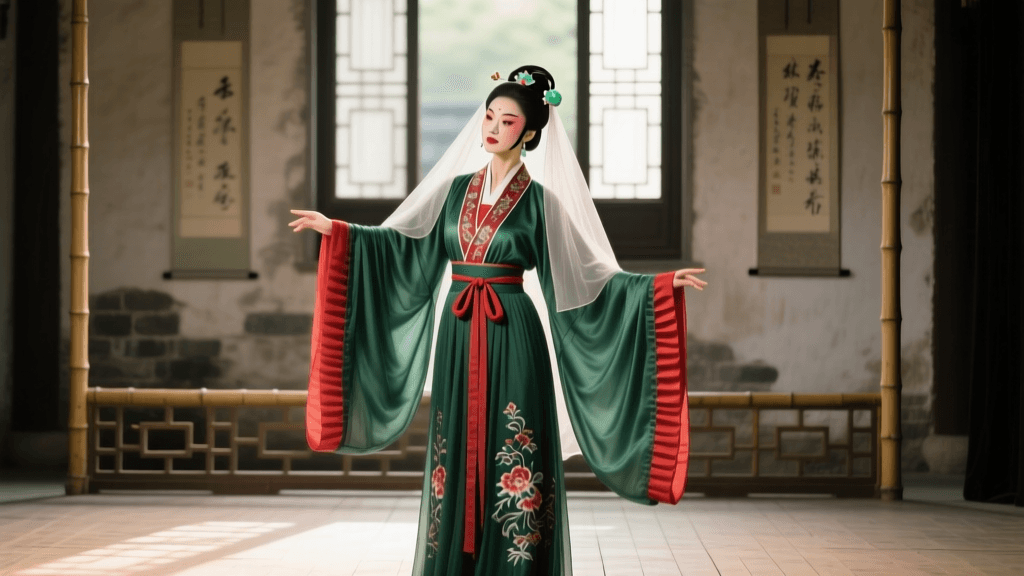
The intersection of traditional Chinese theater and historical fashion has reached a remarkable zenith in 2026. For decades, traditional performing arts relied on highly stylized, anachronistic theatrical wardrobes known as xifu. However, a powerful new movement in Kunqu and contemporary Peking Opera is embracing historically grounded Hanfu silhouettes, specifically drawing from the Ming and Song dynasties. This shift is not merely aesthetic; it fundamentally alters the choreography, breathing techniques, and emotional resonance of the performers on stage.
As global audiences develop a more refined palate for cultural authenticity, stage directors are collaborating with Hanfu restoration experts to create garments that honor historical textile traditions while accommodating the rigorous physical demands of live theater. According to the UNESCO Intangible Cultural Heritage registry, Kunqu is celebrated for its elegant, fluid movements and poetic grace. The integration of authentic Ming-style aoqun (jacket and skirt) and Song-style beizi (long outer jackets) allows performers to utilize the natural drape of historical silk, creating a visual poetry that synthetic theatrical costumes simply cannot replicate.
Conversely, Peking Opera presents a different set of challenges and opportunities. As noted in historical overviews from Encyclopedia Britannica, Peking Opera traditionally relies on highly stylized, exaggerated garments designed to denote character archetypes rather than historical accuracy. Yet, in 2026, experimental Peking Opera troupes are introducing historically accurate Hanfu elements into newly scripted historical dramas, bridging the gap between ancient textile arts and modern stagecraft.
Kunqu vs. Peking Opera: A 2026 Costume Comparison
Understanding the distinct requirements of different theatrical forms is crucial for performers and costume designers sourcing Hanfu in 2026. The table below outlines the primary differences in garment construction, fabric selection, and movement dynamics between traditional stylized costumes and the modern stage-accurate Hanfu movement.
| Feature | Traditional Kunqu (Xifu) | 2026 Stage Hanfu (Ming Revival) | Contemporary Peking Opera |
|---|---|---|---|
| Era Inspiration | Stylized Ming/Qing Blend | Strict Ming Dynasty Accuracy | Highly Stylized Qing/Mythological |
| Primary Fabric | Satin, Brocade, Synthetics | 30-Momme Silk Crepe, Raw Silk | Heavy Embroidered Satin |
| Sleeve Type | Exaggerated Water Sleeves | Wide Pipa Sleeves with Hidden Cuffs | Structured Water Sleeves |
| Movement Focus | Fluid, sweeping gestures | Restrained, elegant historical posture | Acrobatic, high-impact martial arts |
| Skirt Structure | Flat pleated theatrical skirts | Structured Mamianqun (Horse-face) | Layered battle skirts (Kao) |
Sourcing Stage-Ready Hanfu: Top Workshops and Tailors
Acquiring stage-ready Hanfu requires navigating a specialized market. Standard commercial Hanfu brands often lack the structural reinforcement needed for theatrical movement, and their fabrics may not interact correctly with modern 2026 LED stage lighting arrays. Performers must seek out specialized theatrical tailors who understand both historical accuracy and stage dynamics.
Suzhou Zhenhu Embroidery Studios
For Kunqu performers seeking the ultimate in historical luxury, the studios in Suzhou's Zhenhu Embroidery Village remain the gold standard in 2026. These workshops specialize in Su Xiu (Suzhou embroidery), utilizing split silk threads to create incredibly dense, yet lightweight, stage motifs. A custom-ordered Ming-style Pifeng (cape) featuring hand-embroidered cranes and clouds typically takes four to six months to complete. In 2026, the average cost for a bespoke, stage-ready Mamianqun crafted from 30-momme silk brocade with Zhenhu embroidery ranges between 6,500 RMB and 12,000 RMB, depending on the density of the metallic thread work. These garments are specifically treated to prevent the silk from warping under intense stage heat.
Beijing Liyuan Custom Theatrical Tailors
Located near the historic theater districts of Beijing, Liyuan tailors specialize in adapting historical Hanfu patterns for the rigorous demands of Peking Opera and contemporary fusion performances. Their genius lies in hidden structural engineering. While the exterior of a Liyuan Ming-style Ao (jacket) looks historically pristine, the interior features reinforced cotton lining and hidden gussets under the arms, allowing performers to execute martial arts sequences and high kicks without tearing the delicate outer silk. Their 2026 catalog introduces a revolutionary lightweight silk-organza blend that mimics the stiffness of historical raw silk but weighs 40% less, reducing performer fatigue during three-hour productions.
Fabric and Textile Dynamics for Performers
The choice of textile dictates how a garment moves, catches the light, and responds to the performer's body. In 2026, stage lighting technology has advanced to include highly directional micro-LEDs, which means the sheen and texture of the fabric are more visible to the audience than ever before.
Adapting Water Sleeves (Shui Xiu) for Historical Silhouettes
Traditional Shui Xiu (water sleeves) are long, white silk extensions attached to the cuffs of theatrical robes. However, historical Ming Hanfu did not utilize these exaggerated extensions. To maintain historical accuracy while preserving the expressive sleeve choreography of Kunqu, 2026 costume designers have pioneered the 'hidden extension' technique. Performers wear historically accurate wide Pipa sleeves, but a specialized, weighted silk ribbon is attached to the inner wrist. This allows the performer to execute traditional water sleeve flicks and ripples using the heavy drape of the historical sleeve itself, rather than an attached white cloth, resulting in a deeply authentic visual aesthetic.
Skirt Pleating and Weight Distribution in Mamianqun
The Mamianqun (horse-face skirt) is a staple of Ming Hanfu and a favorite on the modern Kunqu stage. The skirt features flat front and back panels with deeply pleated sides. For stage use, the pleats must be heat-set using traditional steam-pressing methods rather than chemical adhesives, which can melt under stage lights. Furthermore, the waistband must be constructed from stiff, non-stretch cotton canvas to bear the weight of the heavy silk skirt. In 2026, top tailors are adding microscopic silicone grip strips to the inner waistband, preventing the skirt from slipping during vigorous dance sequences without the need for excessively tight, breath-restricting tying methods.
Practical Fitting, Layering, and Movement Tips
Wearing historical Hanfu on stage requires a completely different approach to dressing compared to modern theatrical costumes. The layering system is complex, and improper fitting can severely restrict a performer's breathing and movement. Below are essential, actionable tips for performers adapting to stage Hanfu in 2026:
- Master the Inner Layer (Zhongyi): Never wear a historical outer garment directly against the skin. Always use a breathable, moisture-wicking bamboo-fiber zhongyi (inner shirt). Stage lights generate immense heat, and sweat will permanently stain and degrade historical silk brocades.
- Secure the Waist with the 'Double-Knot' Method: Historical skirts are tied, not zipped. Use the double-knot method with flat cotton ties to distribute the weight of a 30-momme Mamianqun evenly across the hips. Avoid tying directly on the stomach, which restricts diaphragmatic breathing essential for vocal projection in Kunqu.
- Utilize the Cloud Shoulder (Yunjian) for Posture: A heavy, beaded Yunjian resting on the collarbones acts as a physical reminder to maintain an upright, aristocratic posture. Ensure the beads are strung on flexible silk cord rather than stiff wire, allowing the shoulder piece to move fluidly with your choreography.
- Manage the Skirt Hem: Historical skirts are designed to graze the floor. On stage, this creates a tripping hazard. Have your tailor add a hidden, weighted lead tape inside the bottom hem. This causes the skirt to swing back into place instantly after a spin or kick, preventing it from tangling around your ankles.
- Sleeve Management During Vocal Performances: When executing long, sustained vocal notes where hand gestures are minimal, practice the 'inner fold' technique. Gracefully fold the excess wide sleeve fabric over your inner forearm, securing it with a subtle magnetic clasp hidden inside the cuff, keeping your hands free for delicate prop manipulation.
Conclusion
The integration of authentic Hanfu into Kunqu and Peking Opera represents a thrilling evolution in Asian traditional performing arts. By respecting the historical integrity of Ming and Song textiles while ingeniously adapting them for the physical realities of the stage, performers in 2026 are breathing new life into ancient traditions. Whether sourcing bespoke embroidery from Suzhou or utilizing structural innovations from Beijing tailors, the modern stage Hanfu movement ensures that the visual poetry of Chinese theater remains as captivating and authentic as its storied past.