Kimono vs Hanbok vs Cheongsam: 2026 Style & Fit Guide
The Evolution of Asian Heritage Garments in 2026
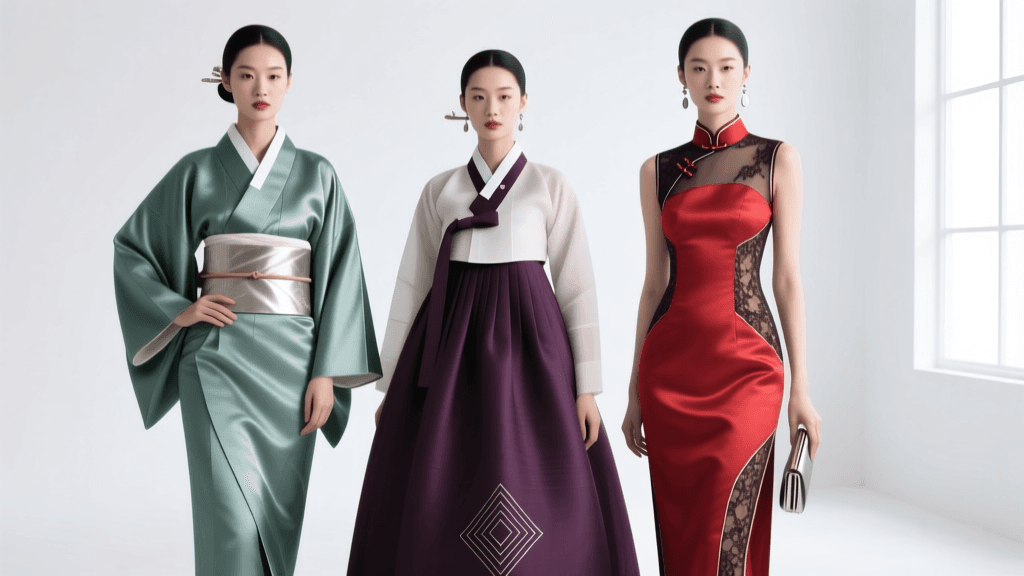
As we navigate the fashion landscape of 2026, the intersection of heritage and contemporary formal wear has never been more vibrant. The Japanese kimono, the Korean hanbok, and the Chinese cheongsam (qipao) stand as the three pillars of East Asian traditional dress. While each garment is deeply rooted in centuries of cultural history, their modern iterations have adapted to the demands of today’s global wardrobe. For collectors, cultural enthusiasts, and individuals attending formal events, understanding the distinct silhouettes, textile choices, and styling nuances of these three garments is essential.
This comprehensive guide breaks down the structural differences, 2026 market trends, and practical buying advice for the kimono, hanbok, and cheongsam, helping you make an informed investment in Asian traditional fashion.
The Japanese Kimono: Linear Elegance and Textile Artistry
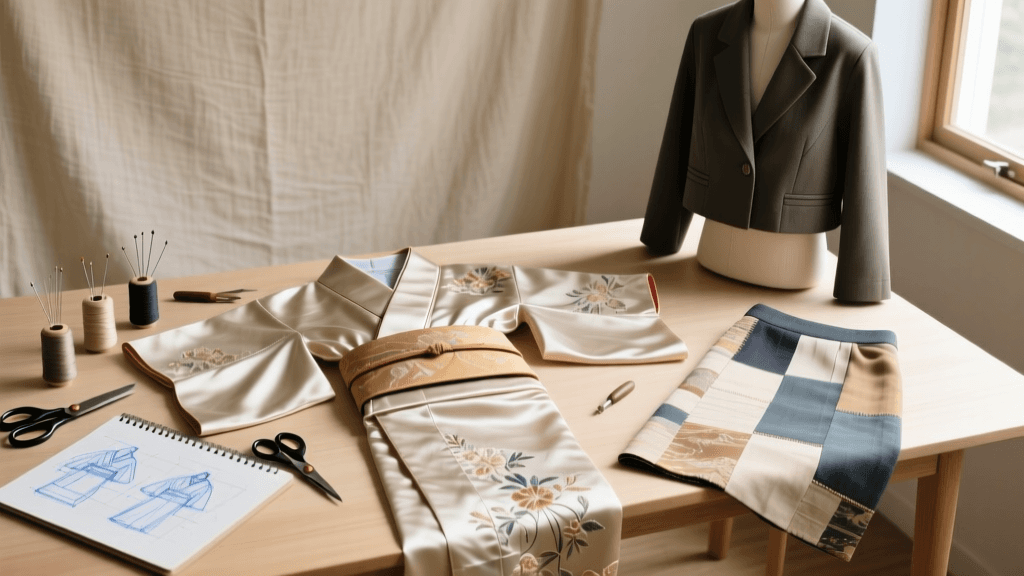
The kimono is defined by its T-shaped, linear silhouette. Unlike Western tailoring, which cuts fabric to follow the curves of the body, the kimono is constructed from straight bolts of fabric (tanmono), creating a garment that wraps and folds. The aesthetic focus is entirely on the surface design, the drape of the silk, and the intricate knotting of the obi (sash).
Silhouette and Construction
The traditional kimono features wide sleeves (sode) and a wrap-front closure secured by an obi. The collar is folded to expose the nape of the neck, a detail considered highly elegant. In 2026, the most popular formal styles remain the furisode (long-swinging sleeves for unmarried women) and the tomesode (shorter sleeves with hemline motifs for married women).
2026 Fabric and Styling Trends
While heavy silk brocades and rinzu (satin weaves) remain staples for weddings, 2026 has seen a massive surge in the popularity of upcycled vintage silks and sustainable hemp blends for semi-formal events. According to the Metropolitan Museum of Art, the historical emphasis on seasonal motifs in kimono textiles continues to influence modern designers, who are now integrating subtle, abstract geometric patterns alongside traditional florals. Furthermore, pre-tied obi (tsuke-obi) have become virtually indistinguishable from traditionally tied knots, allowing wearers to achieve a flawless silhouette in under ten minutes.
Pricing and Investment
A bespoke, hand-painted silk kimono commissioned from a Kyoto atelier in 2026 typically starts at $4,500 and can exceed $15,000 depending on the artisan. However, high-quality vintage silk kimono can be sourced from specialized dealers for $250 to $800, making them an accessible entry point for collectors.
The Korean Hanbok: Volumetric Grace and Dynamic Movement
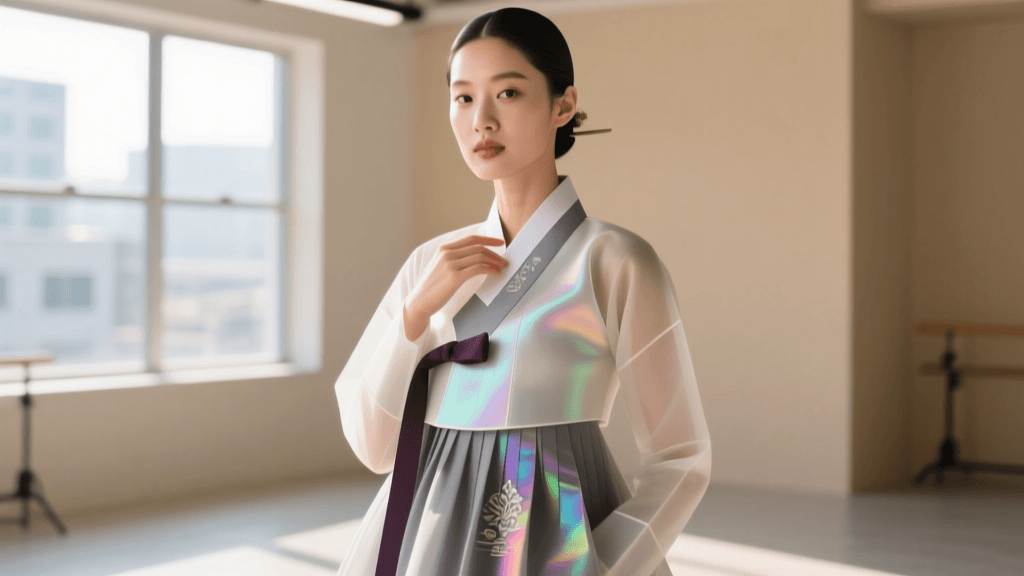
The hanbok is celebrated for its volumetric grace, characterized by the stark contrast between a fitted upper garment and a dramatically flared skirt. The silhouette creates a bell-like shape that allows for fluid, dynamic movement, making it a favorite for cultural festivals and formal celebrations.
Silhouette and Construction
The traditional women’s hanbok consists of the jeogori (a short, cropped jacket) and the chima (a high-waisted, full wrap skirt). The jeogori is secured with a long, flowing tie called the goreum. A defining feature is the dongjeong, a crisp white paper or fabric collar that frames the face and provides a sharp visual contrast to the vibrant colors of the garment.
2026 Fabric and Styling Trends
As detailed by Britannica, the hanbok has historically utilized materials like ramie and silk. In 2026, the 'saenghwal hanbok' (everyday hanbok) movement has fully matured. Modern formal hanbok frequently incorporate structured organza, tulle, and matte crepe to hold the bell shape without the heavy weight of traditional layered cotton. Color palettes in 2026 have shifted toward muted pastels, earthy neutrals, and monochromatic styling, moving away from the high-contrast primary colors of the past decade. Shorter, more practical chima lengths are also being embraced for cocktail-style events.
Pricing and Investment
A modern, designer saenghwal hanbok set in 2026 ranges from $150 to $400. For traditional, hand-woven ramie or pure silk ceremonial hanbok crafted by recognized masters, expect to invest between $1,200 and $3,500.
The Chinese Cheongsam: Form-Fitting Sophistication
The cheongsam, also known as the qipao, is the epitome of form-fitting sophistication. Originating in the 1920s in Shanghai, it revolutionized Chinese fashion by introducing Western tailoring techniques to traditional Manchu garments, resulting in a dress that celebrates the natural contours of the body.
Silhouette and Construction
The classic cheongsam features a high Mandarin collar, an asymmetrical front opening secured by pankou (intricate knotted frog buttons), and daring side slits that allow for ease of movement. The garment relies heavily on precise darts and bias cutting to achieve its sleek, body-conscious fit.
2026 Fabric and Styling Trends
In 2026, the cheongsam is experiencing a renaissance of mixed-media tailoring. While traditional Shanghai silk brocade and velvet remain popular for winter galas, designers are increasingly utilizing stretch-silk blends, laser-cut lace, and even sustainable vegan leathers for avant-garde formal wear. The Victoria and Albert Museum notes that the structural evolution of East Asian garments often reflects broader societal shifts; similarly, the 2026 cheongsam reflects a demand for comfort without sacrificing elegance. Deconstructed collars, sleeveless cuts with cape-like overlays, and hidden zipper closures (supplementing the traditional pankou for ease of wear) are dominant trends this year.
Pricing and Investment
Ready-to-wear cheongsam from reputable contemporary brands cost between $180 and $500. Bespoke tailoring in Shanghai or Hong Kong, which requires multiple fittings and premium silk brocade, generally starts at $1,500 and can reach $5,000 for heavily embroidered, hand-finished pieces.
Comparative Analysis: 2026 Market Overview
To help you decide which garment best suits your formal needs, consult the comparison table below.
| Feature | Japanese Kimono | Korean Hanbok | Chinese Cheongsam |
|---|---|---|---|
| Primary Silhouette | Linear, T-shaped, columnar | Volumetric, A-line, bell-shaped | Form-fitting, contoured, sleek |
| Best For | Tea ceremonies, weddings, galas | Cultural festivals, holiday gatherings | Cocktail parties, evening banquets |
| 2026 Fabric Trend | Upcycled vintage silk, hemp blends | Structured organza, matte crepe | Stretch-silk, laser-cut lace |
| Avg. Bespoke Cost | $4,500 - $15,000+ | $1,200 - $3,500 | $1,500 - $5,000 |
| Dressing Time | 20-45 mins (requires assistance) | 10-15 mins (can self-dress) | 2-5 mins (can self-dress) |
Practical Care and Maintenance Guide
Investing in traditional garments requires a commitment to proper textile care. The 2026 standards for preservation emphasize eco-friendly, non-toxic methods.
Kimono Care
- Airing Out: After wearing, hang the kimono on a wide, padded hanger in a shaded, well-ventilated room for 24 hours to release moisture.
- Cleaning: Never wash silk kimono at home. Rely on specialized traditional dry cleaners who use hydrocarbon solvents to protect the delicate chirimen (crepe) textures and hand-painted dyes.
- Storage: Fold along the original seam lines and wrap in acid-free, unbleached cotton cloth (tatoushi). Avoid plastic covers, which trap humidity and cause mold.
Hanbok Care
- Spot Cleaning: The white dongjeong (collar) can be carefully removed and washed separately or replaced if heavily soiled.
- Pressing: Use a low-heat steamer to remove wrinkles from the chima. Avoid direct contact with an iron, especially on modern organza or synthetic blends, which can melt instantly.
- Storage: While everyday hanbok can be hung, formal silk hanbok should be folded to prevent the shoulder seams of the jeogori from stretching.
Cheongsam Care
- Washing: Silk brocade and velvet cheongsam must be professionally dry-cleaned. Stretch-silk blends may be hand-washed in cold water with a pH-neutral detergent, but always check the tailor’s care label.
- Handling Pankou: Be gentle with the knotted frog buttons. If a knot loosens, consult a tailor for repair rather than pulling the threads, which can distort the fabric.
- Storage: Hang on padded, contoured hangers to maintain the shoulder structure. Cover with a breathable cotton garment bag to protect against dust and light exposure.
Final Thoughts on Building a Heritage Wardrobe
Whether you are drawn to the architectural drape of the kimono, the joyful volume of the hanbok, or the sleek sophistication of the cheongsam, 2026 offers unprecedented access to both authentic craftsmanship and modern adaptations. When purchasing, prioritize the quality of the textile and the precision of the tailoring over fleeting trends. By understanding the unique construction and care requirements of these garments, you ensure that your investment in Asian traditional fashion remains a timeless, elegant staple of your wardrobe for decades to come.