Best Hanfu Garments For Tai Chi And Qigong Practice 2026
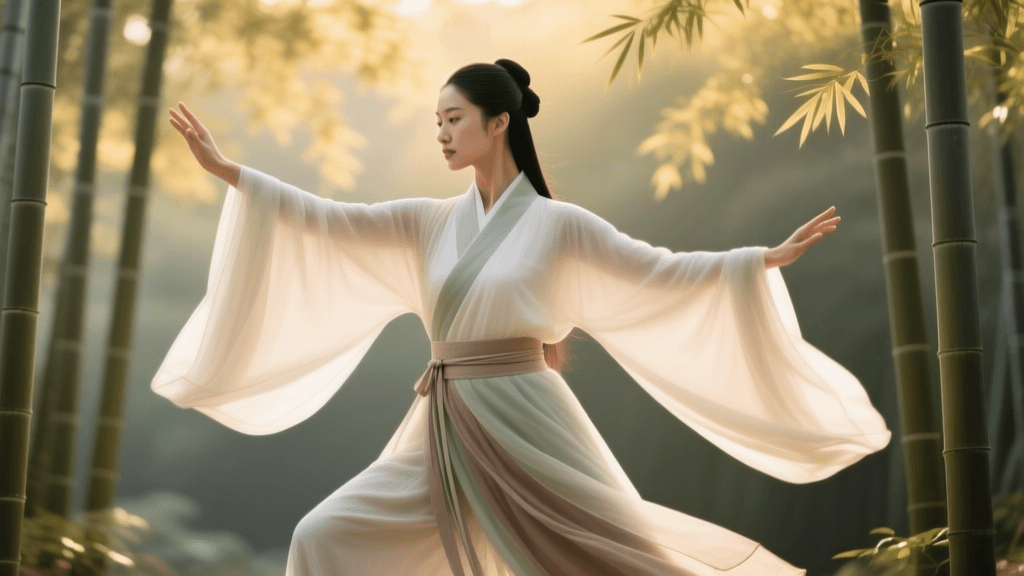
The year 2026 has witnessed a remarkable convergence of ancient sartorial elegance and holistic wellness. As the global interest in mindful movement continues to surge, practitioners of Tai Chi and Qigong are increasingly turning to traditional Chinese clothing to deepen their mind-body connection. Wearing Hanfu during these practices is not merely an aesthetic choice; it is a functional one. The flowing silhouettes, natural fibers, and specific structural cuts of historical garments are uniquely suited to facilitate the unhindered flow of Qi (vital energy) and accommodate the deep, grounded stances required in internal martial arts. According to the National Center for Complementary and Integrative Health, Tai Chi and Qigong are proven to improve balance, reduce stress, and enhance overall well-being, and the physical environment we create for our bodies—including our clothing—plays a vital role in optimizing these benefits.
The Intersection of Xin Zhongshi and Holistic Health
In 2026, the Xin Zhongshi (new Chinese style) movement has evolved beyond mere fashion into a comprehensive lifestyle philosophy that embraces holistic health. Modern practitioners are demanding garments that honor historical accuracy while providing the biomechanical freedom necessary for wellness routines. Unlike modern activewear, which often relies on compressive synthetic fabrics that restrict the lymphatic system and trap heat, traditional Hanfu relies on volume, drape, and natural fibers. This approach aligns perfectly with traditional Chinese medicine (TCM) principles, which dictate that the skin must breathe and the meridians must remain uncompressed to allow Qi and blood to circulate freely during the slow, deliberate movements of Tai Chi.
Best Historical Hanfu Cuts for Tai Chi Forms
Not all Hanfu styles are created equal when it comes to physical movement. While some ceremonial garments are too restrictive, several historical cuts are practically engineered for the dynamic postures of Qigong and Tai Chi.
Ming Dynasty Daopao (道袍)
The Daopao, a staple of the Ming Dynasty, is arguably the premier garment for rigorous Tai Chi forms like the Yang or Chen styles. Characterized by its wide sleeves, cross-collar right lapel (jiaoling youren), and prominent side slits, the Daopao allows for unparalleled lower-body mobility. When a practitioner drops into a deep Ma Bu (horse stance), the side slits prevent the fabric from pulling taut across the thighs and hips. Furthermore, the wide sleeves accommodate the expansive arm circles of forms like "White Crane Spreads Its Wings" without binding the shoulders or restricting the armpit meridians.
Song Dynasty Beizi (褙子)
For gentler Qigong practices such as Ba Duan Jin (Eight Brocades) or standing meditation (Zhan Zhuang), the Song Dynasty Beizi is an exceptional choice. The Beizi is a long, open-front coat with side slits that typically start from the armpit or waist. Worn over a simple inner garment, it provides a beautiful, vertical drape that visually and physically elongates the spine, encouraging the postural alignment essential for Qigong. Its open front allows for excellent thermoregulation, preventing the practitioner from overheating during extended outdoor morning sessions.
Tang Dynasty Banbi (半臂)
During the peak heat of summer, long sleeves can become a hindrance. The Tang Dynasty Banbi, a short-sleeved jacket worn over a long-sleeved inner layer (or on its own in modern 2026 adaptations), offers a practical solution. It protects the core and the vital organs around the Dantian while leaving the forearms exposed, allowing for precise hand positioning and cooling during vigorous push-hands practice or dynamic Qigong sets.
2026 Fabric Guide: Optimizing for Qi Flow and Thermoregulation
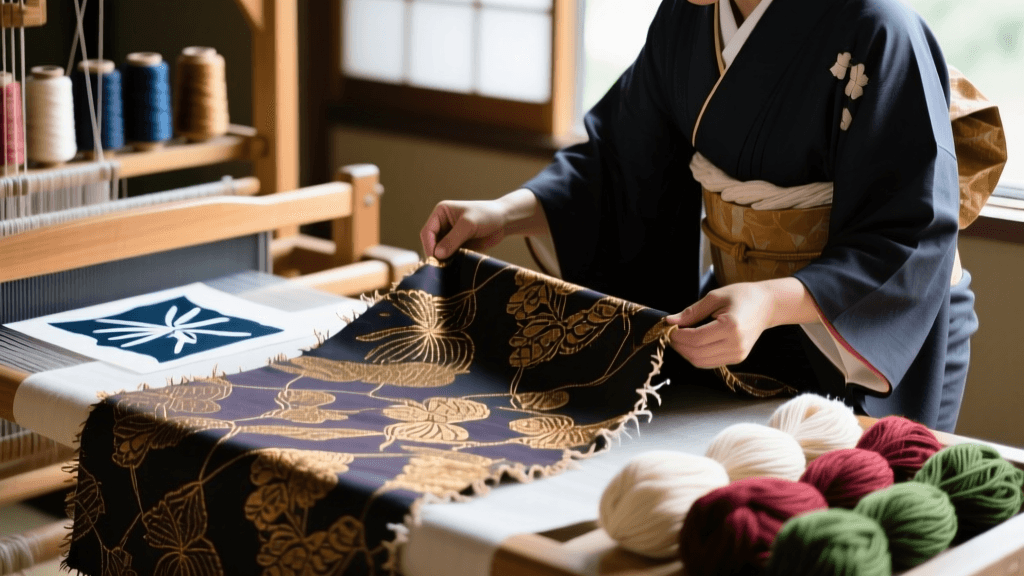
The textile market in 2026 has seen a massive resurgence in heritage weaving techniques, driven by consumer demand for sustainable, natural fibers. Research highlighted by Harvard Health Publishing notes that the slow, deliberate movements of Tai Chi act as a form of moving meditation, and physical comfort is paramount to maintaining this meditative state. Synthetic fabrics like polyester or nylon disrupt the body's natural thermoregulation and create static electricity, which TCM practitioners believe can interfere with the body's subtle energy fields.
| Fabric Type | Weight & Drape | Breathability | Best Season | 2026 Price Range (USD) |
|---|---|---|---|---|
| Xiangyunsha (Gambiered Gauze) | Lightweight, crisp but fluid | Exceptional | Summer / Humid | $180 - $350 |
| Raw Mulberry Silk (Shengchou) | Medium, textured drape | High | Spring / Autumn | $90 - $160 |
| Organic Linen-Hemp Blend | Heavy, structured, grounding | Very High | Summer / Warm | $65 - $120 |
| Bamboo-Rayon Weave | Light, highly fluid, soft | Moderate to High | All Seasons (Indoor) | $45 - $85 |
For practitioners seeking the ultimate luxury and energetic alignment, Xiangyunsha silk remains the gold standard in 2026. Dyed with river mud and gambier juice, this fabric is naturally cooling, antibacterial, and possesses a unique acoustic rustle that enhances the sensory experience of movement. For daily, durable practice, organic linen-hemp blends offer a grounding weight that helps the practitioner feel connected to the earth during rooting exercises.
Essential Tailoring Modifications for Deep Stances
While off-the-rack Hanfu has become highly accessible, serious Tai Chi practitioners in 2026 are increasingly opting for bespoke tailoring to accommodate the extreme ranges of motion required in internal martial arts. If you are commissioning a Hanfu for Tai Chi, consider the following specific modifications:
- Underarm Gussets: Request the addition of a 4 cm to 6 cm diamond-shaped gusset under the armpit. This traditional tailoring technique, often omitted in fast-fashion Hanfu, prevents the sleeve from pulling the main body of the garment upward when you raise your arms above your head.
- Side Slit Elevation: For trousers or skirts worn beneath a Daopao, ensure the side slits or pleats are engineered to open comfortably when the knees are bent at a 90-degree angle. Standard fashion slits often tear or bind during deep lunges (Gong Bu).
- Sleeve Tethering: If you practice Chen-style Tai Chi, which features explosive movements (Fajin), excessively wide sleeves can obscure your hand forms or become a hazard. Opt for a "pipa sleeve" shape, which is wide at the shoulder but gently tapers and includes an internal silk tether to keep the fabric secured to the forearm during rapid transitions.
- Cross-Collar Alignment: The jiaoling youren (cross-collar) should be tailored to sit flat against the sternum without gaping. This aligns the garment's central seam with the Ren Mai (Conception Vessel) meridian, a focal point for breathwork and mental concentration.
Grounding: Traditional Footwear for the Modern Practitioner
No Tai Chi or Qigong outfit is complete without proper footwear. The connection between the Yongquan (Kidney 1) acupressure point on the sole of the foot and the earth is foundational to Qigong rooting. In 2026, practitioners have two excellent options. The traditional Qiancengdi (thousand-layer sole) cloth shoe, made from compressed cotton and linen, offers zero drop, maximum ground feel, and excellent flexibility. However, for those practicing on hard modern surfaces like concrete or studio wood floors, the latest generation of minimalist Tai Chi shoes featuring thin, natural rubber outsoles with wide toe boxes provides the necessary shock absorption without sacrificing the proprioceptive feedback required for balance. The World Health Organization continues to recognize the vital role of traditional medicine and holistic practices in global wellness strategies, and the physical tools we use—including our footwear—must support the anatomical realities of these ancient arts.
Conclusion
The integration of Hanfu into Tai Chi and Qigong practice is a profound way to honor the cultural origins of these wellness modalities while physically enhancing the experience. By selecting historically appropriate cuts like the Daopao or Beizi, prioritizing natural, breathable textiles, and utilizing precise tailoring modifications, practitioners in 2026 can achieve a state of physical liberation that allows the mind and Qi to flow without obstruction. Whether you are performing the Eight Brocades at sunrise or engaging in rigorous push-hands sparring, the right traditional garment becomes an extension of the body, transforming a simple workout into a moving meditation wrapped in centuries of heritage.