Traveling With Hanfu in 2026: Packing Tips & Top Destinations
The 2026 Hanfu Travel Renaissance
As we navigate through 2026, the global appreciation for traditional Chinese clothing has evolved from a niche hobby into a mainstream cultural movement. Traveling with Hanfu is no longer just about wearing historical garments; it is about immersive cultural tourism, destination photography, and connecting with ancient heritage in modern settings. Whether you are planning a weekend getaway to a classical garden or an international expedition along the historic Silk Road, transporting delicate silks, structured pleats, and intricate embroidery requires meticulous preparation. This comprehensive guide provides actionable packing strategies, essential gear recommendations for 2026, and a curated list of the best destinations to showcase your traditional wardrobe.
Essential Packing Gear for Traditional Garments
Packing Hanfu requires a different approach than packing modern Western clothing. The fabrics—ranging from delicate mulberry silk to heavy brocades—are prone to snagging, moisture damage, and permanent creasing. To ensure your garments arrive in pristine condition, invest in the following specialized travel gear:
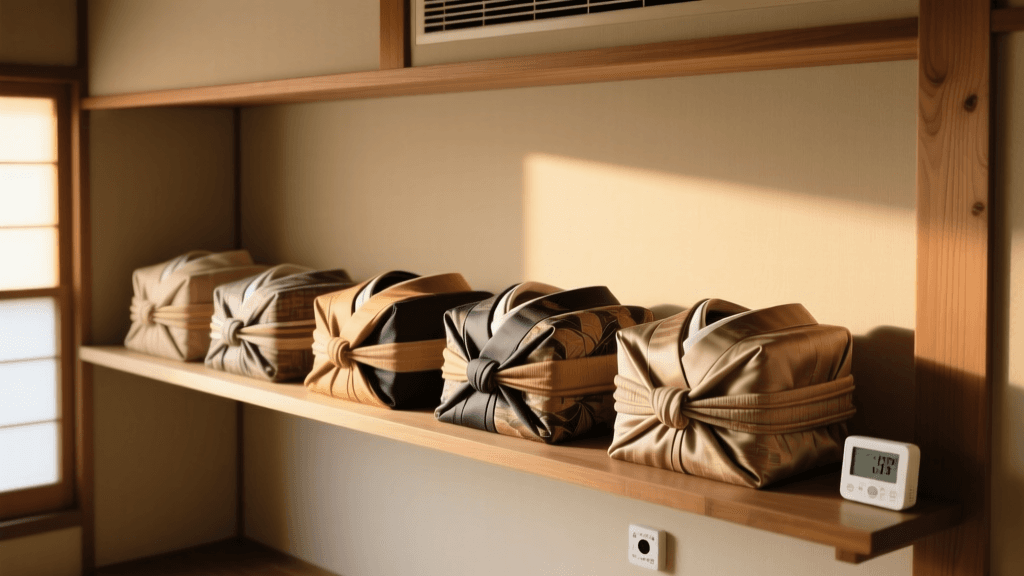
- Climate-Controlled Garment Bags: In 2026, smart-fabric garment bags with built-in humidity indicators are the gold standard. Look for breathable cotton-canvas hybrid bags that prevent condensation buildup, which can cause silk to mildew during long flights.
- Ultrasonic Portable Steamers: Traditional irons can scorch delicate Hanfu fabrics. Compact ultrasonic steamers, such as the latest 2026 travel models, use high-frequency vibrations to release wrinkles without direct heat contact, making them safe for gold-leaf embroidery and delicate gauze (Luo).
- Acid-Free Tissue Paper: Essential for buffering folds and preventing dye transfer between contrasting layers of your Ruqun (top and skirt sets).
- Padded Pleat Clips: Specially designed silicone-padded clips that hold Mamianqun (horse-face skirt) pleats in place during transit without leaving dents or damaging the fabric weave.
- Compression Packing Cubes for Accessories: Use rigid, velvet-lined cubes to protect hairpins, buyao (step hairpins), and delicate silk fans from being crushed inside your checked luggage.
Master the Fold: Packing Techniques by Garment Type
Different Hanfu styles require distinct folding methods to preserve their structural integrity. Here is how to pack the most popular styles for your 2026 travels.
Packing the Mamianqun (Horse-Face Skirt)
The Mamianqun is notorious for its complex, knife-pleated structure. Improper packing will result in hours of tedious steaming upon arrival.
- Align the Pleats: Lay the skirt completely flat on a clean surface. Carefully align every single pleat, ensuring the front and back panels are perfectly centered.
- Secure the Structure: Place padded pleat clips every three inches along the top waistband to lock the pleats in place.
- The Accordion Fold: Instead of folding the skirt in half, gently roll it from the hem upward toward the waistband. This prevents hard creases from forming across the pleat lines.
- Wrap and Protect: Wrap the rolled skirt in acid-free tissue paper and place it in a dedicated, rigid cylindrical packing tube or a specialized skirt compartment in your garment bag.
Packing the Ruqun (Top and Skirt Sets)
For Song Dynasty Beizi (long jackets) and Ruqun sets, the goal is to minimize stress on the seams and collar areas.
- The Top (Shan/Beizi): Fold the sleeves inward toward the center back. Place a roll of soft tissue paper along the collar line to prevent it from being crushed. Fold the garment in thirds rather than halves to distribute the crease points.
- The Skirt (Qun): If it is a pleated Qun, follow the rolling method above. If it is a flat, wrap-around skirt (like a Poku), fold it along its natural seam lines and separate it from the top using a layer of muslin cloth to prevent friction.
Top 2026 Destinations for Hanfu Photography
Choosing the right destination is crucial for capturing the essence of your Hanfu. The interplay between historical architecture, natural landscapes, and traditional dress creates breathtaking visual narratives. Below is a curated guide to the best locations for Hanfu travel in 2026.
| Destination | Best Season (2026) | Recommended Hanfu Style | Photography Vibe & Tips |
|---|---|---|---|
| Suzhou, Jiangsu | Spring (April-May) | Song Dynasty Beizi, Ming Dynasty Aoqun | Elegant and refined. Shoot early morning at the Classical Gardens to avoid crowds. The intricate lattice windows perfectly frame flowing silk sleeves. |
| Dunhuang, Gansu | Autumn (Sept-Oct) | Tang Dynasty Qixiong Ruqun, Feitian (Apsara) Styles | Epic and dramatic. The desert dunes of Mingsha Mountain provide a stunning contrast to vibrant Tang-style silks. Windy conditions create natural fabric movement. |
| Xi'an, Shaanxi | Spring / Autumn | Tang Dynasty Yuanlingpao (Round-collar Robe) | Regal and historic. The ancient City Wall and the Tang Paradise park offer grand, sweeping backdrops. Ideal for group photos and dynamic walking shots. |
| Hangzhou, Zhejiang | Summer (June-July) | Song Dynasty Casual Ruqun, Lightweight Luo (Gauze) | Soft and romantic. The misty shores of West Lake and the surrounding tea plantations are perfect for lightweight, breathable summer Hanfu. |
Spotlight: Suzhou's Classical Gardens
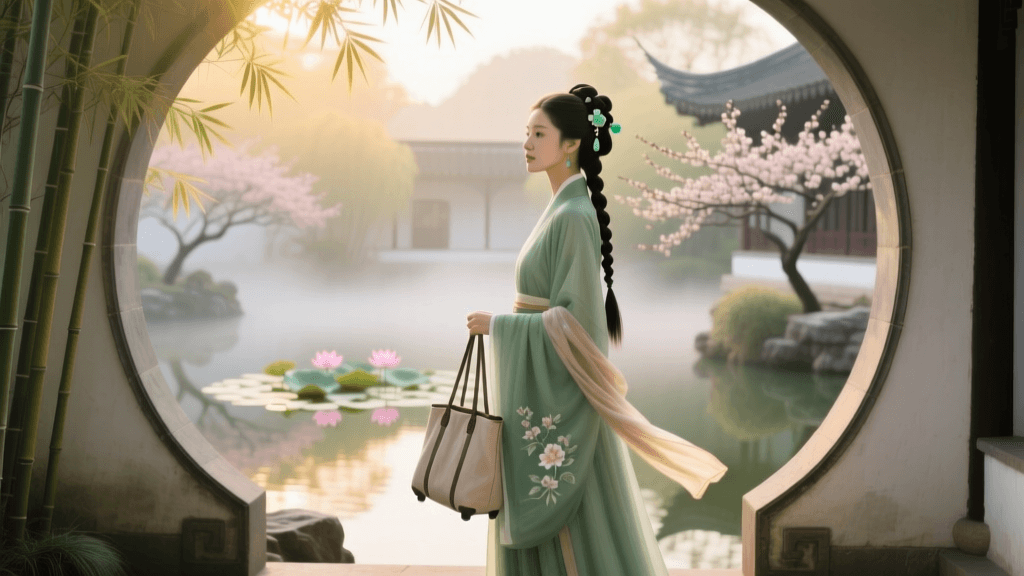
Suzhou remains the undisputed capital for elegant Hanfu photography. The city's classical gardens, recognized for their masterful integration of water, stone, and flora, provide a serene backdrop that complements the understated elegance of Song and Ming dynasty garments. According to the UNESCO World Heritage Centre, these gardens represent the pinnacle of Chinese landscape garden design, making them an essential pilgrimage for Hanfu enthusiasts seeking authentic historical resonance in their travel photography. When visiting, opt for muted, earthy tones or soft pastels that harmonize with the moss-covered rocks and bamboo groves.
Spotlight: The Silk Road and Dunhuang
For those seeking a more adventurous and vibrant aesthetic, traveling west to Dunhuang offers a profound connection to the ancient trade routes. The Mogao Caves and the surrounding Gobi Desert landscapes are deeply intertwined with the history of textile exchange. As detailed by National Geographic, the Silk Road was not merely a conduit for goods, but a vital artery for cultural and artistic exchange that heavily influenced the flamboyant, cosmopolitan styles of the Tang Dynasty. Wearing a Qixiong Ruqun (chest-high skirt) with a wide, flowing Pibo (silk shawl) against the backdrop of the singing sand dunes allows travelers to physically embody the historical syncretism of the region.
Navigating Transit and Security with Hanfu
Traveling with bulky traditional garments can present logistical challenges at airports and train stations. In 2026, security protocols remain stringent, and knowing how to handle your garments during screening is vital.
- Carry-On vs. Checked Luggage: Always carry your most valuable, heavily embroidered, or custom-tailored Hanfu in your cabin baggage. Checked luggage is subject to extreme temperature fluctuations in the cargo hold, which can weaken silk fibers and melt synthetic metallic threads.
- Security Screening: If security personnel need to inspect your garment bag, politely request a manual inspection rather than sending the open bag through the X-ray scanner. The rollers and flaps inside the scanner can snag delicate tassels and hairpins.
- Train Travel in China: High-speed rail is the most efficient way to travel between Hanfu destinations like Hangzhou, Suzhou, and Xi'an. Utilize the overhead luggage racks for your garment bags, but ensure they are placed flat. Never hang garment bags on the hooks in the train corridors, as the constant vibration and movement can stretch the shoulder seams of your Shan or Beizi.
Cultural Etiquette and Travel Best Practices
Wearing Hanfu in public spaces, especially at historical and religious sites, requires a mindful approach to cultural etiquette. First and foremost, always ensure your collar is wrapped correctly: Jiaoling Youren (left side crossing over the right side). The reverse (right over left) is traditionally reserved for the deceased and is considered highly inauspicious in Chinese culture.
When visiting active Buddhist or Taoist temples, opt for modest Hanfu styles. Avoid excessively long trailing skirts that may sweep across sacred thresholds or incense ash. Additionally, while the Hanfu community embraces vibrant colors, be mindful of wearing all-white or all-black ensembles with specific blue/green accents in rural or highly traditional areas, as these color combinations can sometimes be associated with mourning attire depending on the specific regional customs.
Finally, engage with locals respectfully. The Hanfu revival has sparked immense curiosity, and you will likely be approached for photographs. Embrace these interactions as opportunities for cultural exchange, but always set polite boundaries if you need privacy. By combining meticulous packing strategies with a deep respect for the cultural contexts of your destinations, your 2026 Hanfu travel experiences will be both visually spectacular and profoundly meaningful.