Xin Zhongshi Runway Trends 2026: Chinese Fashion at Paris Week
The Global Ascent of Xin Zhongshi in 2026
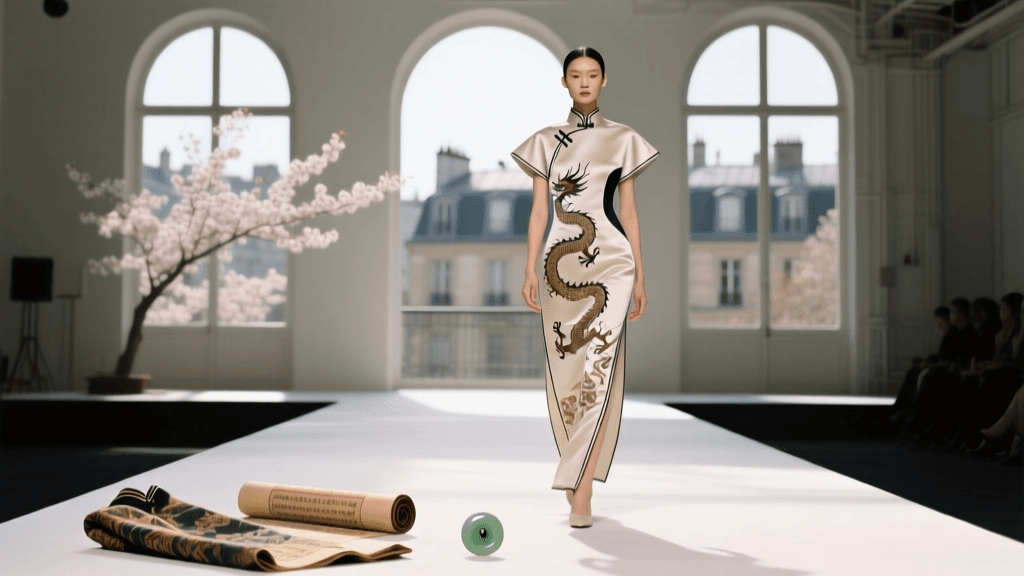
Welcome to the 2026 international fashion circuit, where the most captivating narrative is not just about futuristic silhouettes, but the profound resurgence of heritage. Xin Zhongshi, translating to the 'New Chinese Style,' has officially transitioned from a domestic cultural renaissance to a dominant force on the global runway. At Paris and Milan Fashion Weeks in 2026, Chinese designers are no longer merely referencing traditional motifs; they are fundamentally restructuring the grammar of global luxury through ancient weaving techniques, philosophical draping, and sustainable heritage textiles.
The evolution of this movement is deeply rooted in a shift away from overt, costume-like representations of Chinese culture. Instead, the 2026 collections focus on the subtle, structural nods to the Hanfu, Tangzhuang, and Qipao. By integrating traditional Chinese philosophy, such as the harmony between humanity and nature, into modern tailoring, designers are creating garments that offer a sense of 'Song Chi Gan' (relaxed ease) that resonates deeply with the modern global consumer seeking both comfort and profound storytelling in their luxury purchases.
Standout Chinese Designers at International Design Weeks
Samuel Gui Yang: Structural Elegance
Known for merging Western tailoring with Eastern sensibilities, Samuel Gui Yang continues to redefine the modern silhouette. In his 2026 Paris showcase, Yang introduced the 'Architectural Mandarin' collection. The lineup featured structured wool-blend jackets with hidden traditional Pan Kou (knotted button) closures and subtle Song dynasty-inspired color palettes like celadon and ink-wash grey. His meticulous attention to the internal corsetry of traditional garments allows for a sharp, modern exterior while maintaining historical integrity.
Uma Wang: Textile Poetry and Tea-Dyeing
Uma Wang remains a master of textile manipulation and emotional resonance. Her 2026 Milan exhibition focused heavily on tea-dyed silks and Xiangyunsha (gambiered Canton gauze). The garments flow with a deliberate, melancholic drape that mimics traditional Chinese landscape paintings. Wang's commitment to artisanal aging processes means that no two garments on her runway were identical, offering a masterclass in sustainable, slow fashion that captivated international buyers.
Feng Chen Wang: Deconstructed Heritage
Bringing an avant-garde edge to Paris, Feng Chen Wang reimagined traditional menswear for the 2026 season. Her collection deconstructed the traditional Changshan (men's long shirt) using modular, detachable panels made from upcycled denim and raw silk. This innovative approach appeals directly to the Gen-Z luxury market, proving that ancient garment structures can be adapted for a highly functional, urban, and gender-fluid wardrobe.
Traditional Textiles Dominating the 2026 Runways
The true stars of the 2026 design weeks are the fabrics themselves. The global luxury market is increasingly hungry for artisanal, non-synthetic materials that carry historical weight. Designers are collaborating directly with heritage ateliers in Suzhou and Guangdong to bring rare textiles to the forefront of international fashion.
| Textile Name | Origin and Technique | Drape and Texture | 2026 Runway Application |
|---|---|---|---|
| Xiangyunsha | Guangdong, Mud and Yam Dyeing | Crisp, leathery, cooling | Tailored trench coats, structured evening wear |
| Song Brocade | Suzhou, Jacquard Weaving | Lustrous, heavy, intricate | Accent lapels, corsetry, statement bags |
| Su Embroidery | Suzhou, Double-sided Stitch | Ethereal, delicate, sheer | Overlay gowns, sheer paneling on blazers |
| Raw Mulberry Silk | Zhejiang, Hand-loomed | Nubby, breathable, matte | Wide-leg trousers, relaxed suiting |
The Economics of Heritage: Pricing and Investment Value
As Xin Zhongshi cements its place in global luxury, the economics of these heritage pieces reflect their artisanal complexity. A hand-woven Xiangyunsha jacket from a 2026 Paris runway collection typically retails between $2,800 and $4,500. This premium pricing reflects the grueling 14-step, 15-day dyeing process that can only be executed in the specific humid climates of Southern China during specific months of the year. Conversely, accessible luxury brands collaborating with Suzhou embroidery ateliers are offering entry-level Pan Kou blouses for $450 to $800.
According to market analyses tracked by industry leaders like The Business of Fashion, the demand for non-Western heritage luxury has grown by over 22% year-over-year entering 2026. Collectors are increasingly viewing authentic, hand-loomed Song Brocade pieces not just as garments, but as alternative investment assets that appreciate as the number of master weavers dwindles.
How to Source, Style, and Care for Xin Zhongshi Pieces
Sizing and Fit
Traditional garments often feature drop-shoulders, wide sleeves, and a lack of Western-style darts. When buying Xin Zhongshi outerwear in 2026, international buyers should carefully review the shoulder measurements. Size down for a modern, tailored fit, or stick to your true size to embrace the intended philosophical 'ease' and fluid movement that the designer intended.
Specialized Fabric Care
Heritage textiles require specialized maintenance. Xiangyunsha, for instance, must never be machine washed or dry-cleaned with harsh chemicals. Use a pH-neutral silk detergent, hand wash gently in cold water, and dry flat in the shade. The mud-dyeing process means the fabric actually softens and develops a rich patina over time, much like raw denim, making proper care essential for longevity.
Styling Rules for the Global Wardrobe
Balance is the key to styling Xin Zhongshi for everyday international wear. The 2026 style rule is 'one heritage anchor piece per outfit.' Pair a structured Song Brocade corset top with minimalist, wide-leg Belgian trousers, or style a raw silk Changshan over a simple white t-shirt and tailored denim. Avoid head-to-toe traditional looks unless attending a specific cultural gala to maintain a modern, cosmopolitan aesthetic.
Must-Visit Exhibitions and Showrooms in 2026
For those looking to study these textiles up close, several international institutions are highlighting Chinese fashion heritage this year. The Victoria and Albert Museum's Asian Collections in London frequently rotates exhibits featuring historical garments that directly inspire today's Xin Zhongshi designers, providing invaluable context for modern buyers.
Additionally, keeping up with the seasonal shows via Vogue Runway's Global Fashion Week Archives is essential for tracking which specific heritage techniques are being adapted for the upcoming retail seasons. As Chinese fashion continues to assert its influence on the global stage in 2026, understanding the deep cultural roots of Xin Zhongshi transforms the act of buying clothes into an act of cultural preservation and appreciation.