Kimono Guide for Family Ceremonies in 2026: Birth, Age & Memorials
The Enduring Role of the Kimono in 2026 Family Milestones
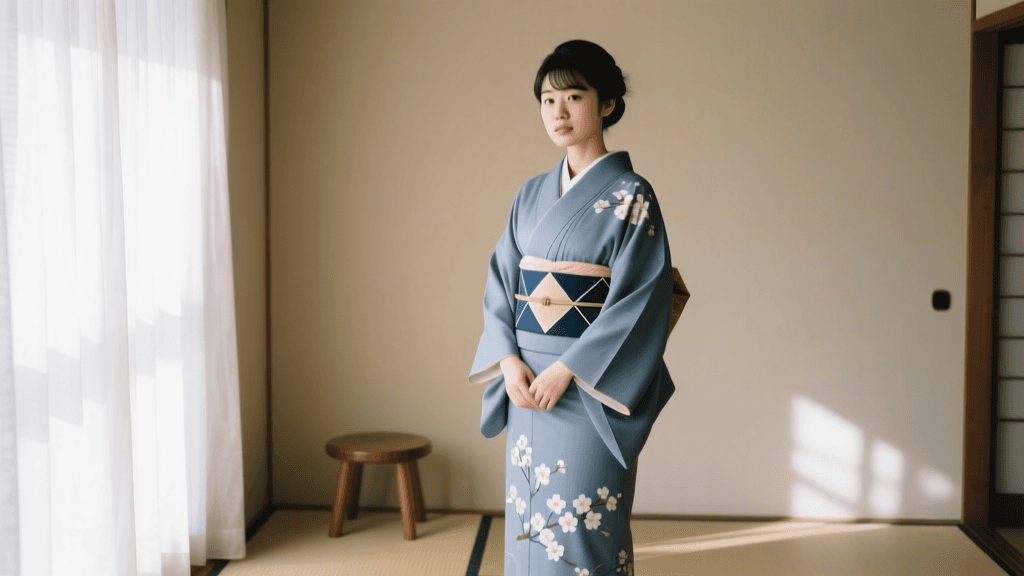
In Japan, the kimono is far more than a beautiful garment; it is a profound cultural marker that signifies life's most pivotal transitions. As we navigate 2026, the intersection of deep-rooted tradition and modern practicality has reshaped how families approach ceremonial dress. Whether welcoming a newborn to the community, celebrating the milestone of early adulthood, or honoring the memory of a departed loved one, the rules of kitsuke (kimono dressing) and garment selection remain essential knowledge. This comprehensive guide explores the specific kimono protocols for birth blessings, Coming-of-Age ceremonies, and memorial services, providing actionable advice, current 2026 rental pricing, and modern adaptations for today's families.
Omiyamairi: The First Shrine Visit (Birth Blessing)
Held approximately one month after a baby is born, Omiyamairi (or Miyamairi) is the first major family ceremony in a child's life. The family visits a local Shinto shrine to express gratitude for the safe delivery and to pray for the infant's health and protection against malevolent spirits.
The Baby's Attire: The Kazuki
The focal point of the ceremony is the baby's attire. The infant is traditionally dressed in a pure white inner robe called an iwata or shiro-kimono, symbolizing purity and new beginnings. Over this, the baby wears a vibrant, brightly colored outer garment known as a kazuki (or ubugi). In 2026, popular motifs for the kazuki include cranes for longevity, turtles for endurance, and pine trees for resilience. While silk remains the gold standard for formal shrine photos, many modern parents opt for high-quality, breathable synthetic blends for the kazuki to prevent overheating, especially for summer ceremonies.
Adult Attire for Omiyamairi
The mother, having recently recovered from childbirth, typically wears a semi-formal Tsukesage or a formal Homongi. These garments feature elegant, continuous patterns that flow across the seams, striking the right balance between celebration and modesty. The paternal grandmother often plays a central role by carrying the baby during the shrine rites. She usually wears a highly formal Kurotomesode (if she is the mother of the baby's father) or a refined Homongi, demonstrating the family's respect for the shrine deities and the new addition to the lineage.
Seijin-shiki: Coming-of-Age Day at Twenty
Despite the 2022 revision to Japan's Civil Code that lowered the legal age of adulthood to 18, municipalities across the country have overwhelmingly chosen to continue holding Coming-of-Age ceremonies for 20-year-olds. Often rebranded in 2026 as Hatachi no Tsudoi (Gathering of Twenty-Year-Olds), this January event remains one of the most spectacular displays of traditional fashion in the country. According to Japan Guide's overview of Coming of Age Day, the celebration remains a vital cultural touchstone for young adults, heavily anchored by the wearing of the furisode.
The Furisode: Symbol of Youth and Eligibility
The furisode is the most formal kimono for unmarried young women, instantly recognizable by its long, swinging sleeves. The sleeve length traditionally dictates the formality and the wearer's age: Oburisode (large sleeves, approx. 114cm) is the most formal, while Chuburisode (medium sleeves, approx. 100cm) is slightly more practical. In 2026, the 'Taisho-Roman' revival trend continues to dominate, with young women favoring bold, contrasting colors, geometric patterns, and vintage-inspired floral motifs over the pastel gradients of the early 2010s.
Accessories and Winter Layering
Because Seijin-shiki occurs in mid-January, warmth is a critical consideration. Modern 2026 styling frequently incorporates plush velvet haori jackets, faux-fur stoles, and specialized thermal juban (undergarments) that provide insulation without adding bulk to the silk silhouette. The obi is tied in elaborate, decorative knots such as the fukura-suzume (plump sparrow) or tateya (standing arrow), requiring the skilled hands of a professional dresser.
Hōji: Navigating Mourning and Memorial Services
Memorial services, or Hōji, follow a strict timeline in Buddhist tradition, with major observances occurring at the 49th day, the first anniversary, the third year, and the seventh year. The formality and color of the kimono worn by attendees shift as the mourning period progresses, reflecting a gradual return to daily life while maintaining respect for the deceased.
Mofuku: The Deepest Mourning
For the 49th-day service and the first-year anniversary, immediate family members wear Mofuku, the highest level of mourning attire. As documented in the textile archives of The Metropolitan Museum of Art's Heilbrunn Timeline of Art History, traditional Japanese mourning dress is characterized by its absolute lack of adornment. Mofuku consists of a plain-weave, matte black silk kimono bearing five family crests (itsutsu-mon), paired with a solid black Nagoya obi and matte black zori sandals. The fabric must be completely devoid of shine or glossy threads, and the undergarments (han-eri and tabi) must be stark white.
Iromuji and Edo Komon: Later Memorials
By the third-year and seventh-year memorials, or for attendees who are not immediate family, the strict black of Mofuku is replaced by Iromuji (solid-colored kimonos in muted, subdued shades like navy, charcoal, deep plum, or dark green) or Edo Komon (kimonos with extremely fine, subtle micro-patterns). These garments typically bear one to three family crests. The obi for these later services should be in muted silver, gray, or dark tones, avoiding any gold thread or festive brocade patterns.
2026 Ceremony Kimono Comparison & Cost Guide
Renting remains the most popular option for families in 2026, given the high cost of purchasing and maintaining formal silk garments. Below is a breakdown of expected rental costs and garment specifications for the current year.
| Ceremony | Primary Garment | Formality Level | Key Accessories | 2026 Avg. Rental Cost (JPY) |
|---|---|---|---|---|
| Omiyamairi (Birth) | Kazuki (Baby) / Homongi (Mother) | Semi-Formal to Formal | White inner robe, silk bonnet | ¥15,000 - ¥35,000 (Baby set) |
| Seijin-shiki (Age 20) | Furisode (Oburisode) | Highest Formal (Unmarried) | Decorative Obi, velvet Haori, Zori | ¥80,000 - ¥180,000 (Full set) |
| Early Hōji (49 Days / 1 Yr) | Mofuku (5-Crest Black) | Mourning Formal | Matte black Obi, white Tabi, Juzu beads | ¥25,000 - ¥45,000 |
| Late Hōji (3 Yr / 7 Yr) | Iromuji (1-Crest Muted) | Semi-Formal Mourning | Subdued silver/gray Obi, dark Zori | ¥20,000 - ¥35,000 |
Modern Practicalities: Weather Adaptations and Sustainable Rentals
One of the most significant shifts in 2026 is the adaptation of traditional wear to combat increasingly extreme weather patterns. For summer Omiyamairi ceremonies, where heatstroke is a genuine concern for both the infant and the kimono-clad mother, the use of advanced cooling undergarments has become standard. Brands now offer juban made from specialized moisture-wicking, contact-cooling fabrics that sit invisibly beneath the silk. Additionally, lightweight linen and hemp blend kimonos are increasingly accepted for outdoor summer shrine visits, prioritizing the health of the participants over strict traditional textile rules.
Sustainability is also reshaping the 2026 kimono market. With a growing awareness of the environmental impact of fast fashion, many young adults are choosing to rent vintage or upcycled furisode for their Coming-of-Age Day. Specialized rental boutiques in Tokyo and Kyoto now offer 'antique remake' services, where pre-war silk garments are professionally cleaned, re-tailored, and paired with modern, sustainably dyed obi, allowing wearers to participate in a circular fashion economy while honoring their heritage.
Booking Timelines and Kitsuke Preparation
Securing a professional kitsuke (dresser) and a salon appointment requires meticulous planning, particularly for the January Seijin-shiki rush. For a January 2026 ceremony, families should begin booking salon slots and reserving specific furisode sets as early as March or April of the previous year. The most sought-after retro-modern designs and popular morning time slots (which allow the wearer to attend the municipal ceremony and subsequent photo sessions before the obi becomes uncomfortable) sell out months in advance.
For Omiyamairi and memorial services, the timeline is more flexible, but booking at least four to six weeks in advance is recommended to ensure the correct sizing and availability of specific family crest overlays if purchasing custom Mofuku accessories. Ultimately, understanding the nuanced dress codes for these life events ensures that families can fully immerse themselves in the emotional weight and beauty of the ceremony, letting the garment serve its true purpose: a silent, elegant witness to the human journey.