Chinese Fashion Journalism: Top Hanfu Blogs of 2026
The Renaissance of Chinese Traditional Fashion Journalism
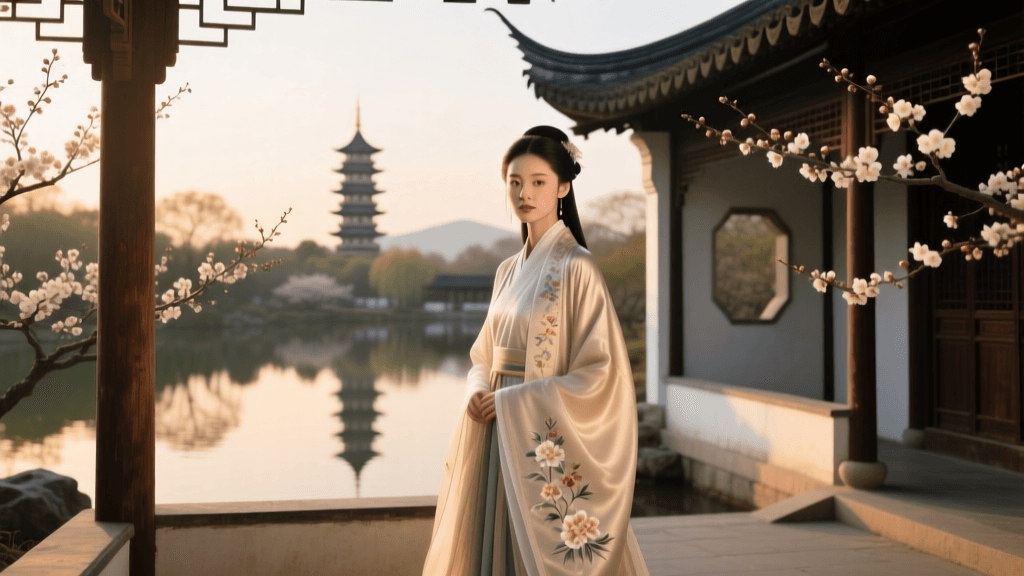
In 2026, the landscape of Asian fashion media has undergone a profound transformation. Chinese fashion journalism is no longer solely focused on translating Western runway trends or forecasting the next big luxury handbag. Instead, a powerful wave of digital creators, investigative bloggers, and cultural historians has turned their lenses inward, engaging in what can only be described as sartorial archaeology. This movement is dedicated to the meticulous documentation, revival, and modern contextualization of traditional Chinese garments, from the flowing silhouettes of Hanfu to the intricate tailoring of the vintage Qipao.
As the Guochao (national trend) movement matures into a sophisticated cultural renaissance, modern fashion journalists are acting as the vital bridge between ancient textile heritage and contemporary digital audiences. According to consumer trend analyses by Jing Daily, today's Chinese consumers are demanding unprecedented levels of historical accuracy, ethical sourcing, and artisanal authenticity from traditional fashion brands. Consequently, fashion bloggers and content creators have stepped up to become the primary educators, critics, and watchdogs of this booming industry.
Key Platforms Driving the Hanfu and Qipao Revival
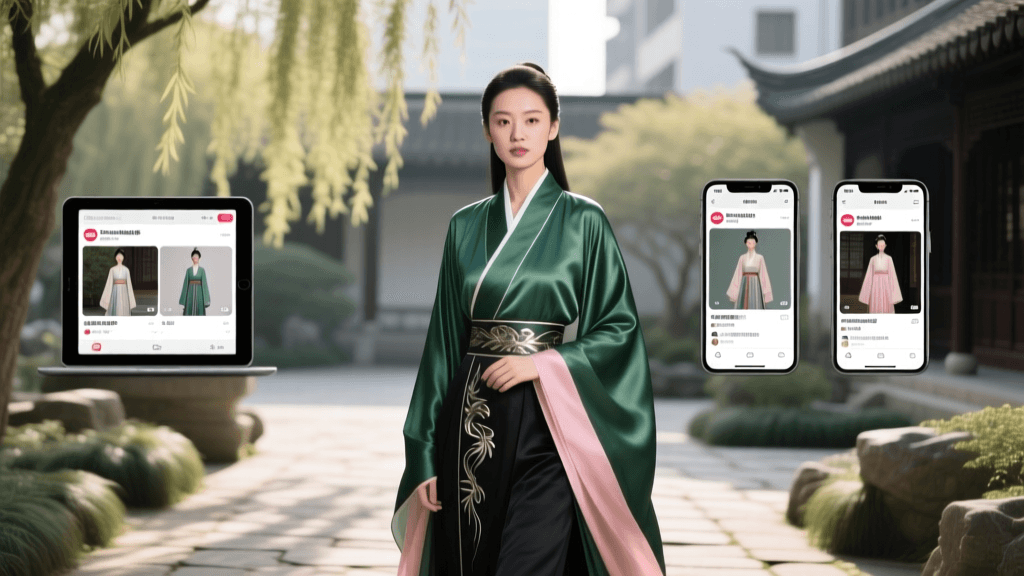
To understand Chinese fashion journalism in 2026, one must understand the distinct digital ecosystems where these stories are told. Unlike the West, where long-form SEO blogs and Instagram dominate, China's fashion media is fragmented across highly specialized super-apps, each serving a different facet of the journalistic process.
| Platform | Primary Content Format | Target Demographic | Best For |
|---|---|---|---|
| Xiaohongshu | Photo essays, styling guides, short vlogs | Gen Z & Millennials (18-35) | Visual inspiration, brand collaborations, daily styling |
| Bilibili | Long-form video documentaries, video essays | Students, history enthusiasts, makers | Deep-dive textile analysis, weaving techniques, historical accuracy |
| Long-form editorial articles, whitepapers | Industry professionals, academics, collectors | Investigative journalism, archival research, industry reports |
Xiaohongshu (Little Red Book): The Visual Archive
Xiaohongshu remains the undisputed king of visual fashion journalism in China. In 2026, top Hanfu creators on the platform are moving beyond simple outfit-of-the-day (OOTD) posts. They are now publishing mini-editorials that break down the historical context of a garment's color palette, the symbolic meaning of its embroidered motifs, and the specific dynastic rules governing its wear. For example, influencers styling a Ming Dynasty mamianqun (horse-face skirt) will often include side-by-side comparisons with excavated textile artifacts, educating their millions of followers on the correct pleat structures and metallic thread weaving techniques.
Bilibili: Deep-Dive Textile Documentaries
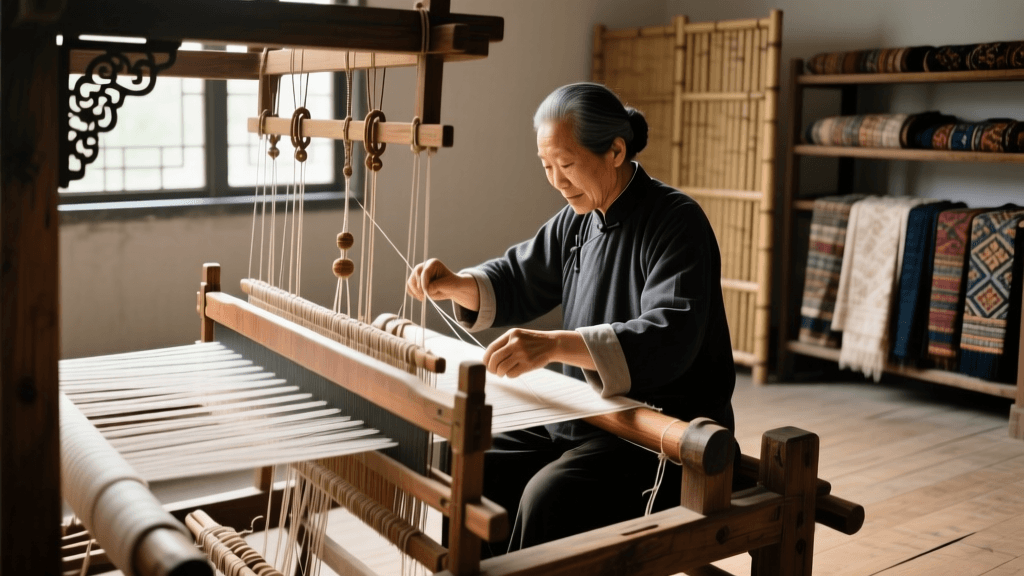
For long-form video journalism, Bilibili is the premier destination. Here, creators produce 40-to-60-minute documentary-style video essays that rival traditional television broadcasts. These creators travel to remote villages to document intangible cultural heritage inheritors, capturing the rhythmic clatter of wooden looms weaving Shu brocade or the painstaking process of dyeing Xiangyunsha (gambiered Canton gauze) under the hot Shunde sun. Bilibili's highly engaged,弹幕 (danmaku/bullet comment) culture allows history students and textile enthusiasts to debate and verify historical facts in real-time as the video plays.
WeChat Official Accounts: Long-Form Investigative Journalism
While Xiaohongshu and Bilibili capture the visual and educational markets, WeChat Official Accounts are the home of serious, long-form investigative fashion journalism. Independent writers use WeChat to publish deeply researched exposés on the supply chain of traditional silks, exposing fast-fashion factories that use synthetic polyester to mimic the drape of authentic Song Dynasty beizi (jackets). These articles often feature interviews with master tailors, museum curators, and academic historians, serving as essential reading for industry insiders and serious collectors.
Investigative Textile Journalism: Exposing the Fakes
One of the most critical roles Chinese fashion journalists play in 2026 is that of the industry watchdog. As the commercial demand for traditional garments has skyrocketed, so too has the proliferation of historically inaccurate and chemically hazardous knockoffs. Investigative bloggers have made it their mission to educate the public on the difference between authentic heritage textiles and mass-produced imitations.
A prime example is the coverage of Xiangyunsha, a luxurious, mud-dyed silk traditionally produced in Guangdong province. True Xiangyunsha requires a complex, multi-week process involving the juice of the薯莨 (shuliang) yam and the iron-rich mud of specific riverbeds. In recent months, prominent WeChat fashion journalists have published lab-test results revealing that many e-commerce brands are selling chemically dyed polyester blends under the Xiangyunsha name. By partnering with textile laboratories and heritage artisans, these bloggers are protecting consumers and preserving the integrity of ancient dyeing methods.
Furthermore, creators are heavily focused on the structural integrity of the Qipao (Cheongsam). Modern fashion critics frequently publish essays lamenting the loss of traditional 1930s Shanghai tailoring techniques, such as the use of xiangbian (piping) and hand-stitched pankou (knot buttons). They champion a return to the flat-pattern cutting methods that allow the garment to drape naturally over the body, contrasting it with the restrictive, Western-style darting used in cheap, mass-market tourist Qipaos.
Archival Research and Museum Partnerships
The most respected fashion journalists in China do not rely solely on secondary sources; they conduct primary archival research. In 2026, partnerships between digital creators and institutions like the China National Silk Museum have become increasingly common. Bloggers are granted access to digital archives and climate-controlled vaults to study fragile, excavated garments from the Tang and Song dynasties.
By utilizing high-resolution macro photography and 3D digital scanning, these journalists are able to map the warp and weft of thousand-year-old textiles, sharing these findings with their audiences. This level of academic rigor elevates their content from mere fashion blogging to peer-reviewed cultural documentation. As noted by The Business of Fashion, this synthesis of academic research and digital media savvy is creating a new class of 'scholar-influencers' who command immense respect and high-value brand partnerships.
Actionable Advice for Aspiring Traditional Fashion Writers
If you are an aspiring fashion journalist, content creator, or cultural historian looking to enter the traditional Asian garment space in 2026, the barrier to entry requires both digital fluency and deep historical empathy. Here is a strategic guide to building authority in this niche:
1. Master Dynastic Terminology and Silhouettes
The audience for traditional fashion is highly educated and unforgiving of historical inaccuracies. You must move beyond generic terms like 'Hanfu' or 'traditional dress.' Learn to identify and correctly pronounce specific garment structures. Understand the difference between a jiaoling youren (cross-collared, right-lapel closure) and a yuanlingpao (round-collared robe). Study the evolution of sleeve shapes, from the narrow cuffs of the Ming dynasty to the expansive, sweeping sleeves favored in Tang dynasty court dress. Accuracy is your primary currency.
2. Conduct Field Journalism and Artisan Interviews
Do not limit your research to the internet. The most compelling stories are found in the workshops of the artisans keeping these traditions alive. Travel to Suzhou to interview the master weavers of Song brocade. Visit the indigo dyeing villages of Guizhou to document the Miao and Dong batik techniques. Recording the oral histories of these intangible cultural heritage inheritors provides exclusive, deeply moving content that cannot be replicated by AI or armchair bloggers.
3. Leverage Digital Archiving and 3D Reconstruction
Invest in digital tools that allow you to visualize historical garments. Many top creators in 2026 use software like CLO 3D or Marvelous Designer to reconstruct damaged or incomplete historical garments based on tomb murals and terracotta figurines. Sharing the step-by-step process of digitally draping a virtual ruqun over an avatar not only demonstrates your technical understanding of the garment's physics but also provides highly engaging, shareable video content.
4. Build a Monetization Strategy Rooted in Education
While brand sponsorships are lucrative, the most sustainable income for traditional fashion journalists in 2026 comes from education and curation. Consider launching paid WeChat columns or Substack newsletters that offer deep-dive market reports on vintage textile auctions. Alternatively, curate and lead bespoke 'textile heritage tours' for international fashion students and designers, guiding them through the silk markets of Hangzhou and the embroidery workshops of Chaozhou.
The Future of Asian Fashion Media
As we navigate through 2026, it is clear that Chinese fashion journalism has carved out a unique, globally influential niche. By treating traditional garments not as mere costumes, but as living, breathing texts that tell the story of Asian history, philosophy, and technological innovation, these digital creators are ensuring that the legacy of the loom survives the digital age. For global fashion enthusiasts and industry professionals alike, following these Chinese fashion blogs is no longer optional; it is essential reading for anyone who wishes to understand the future of global sartorial heritage.